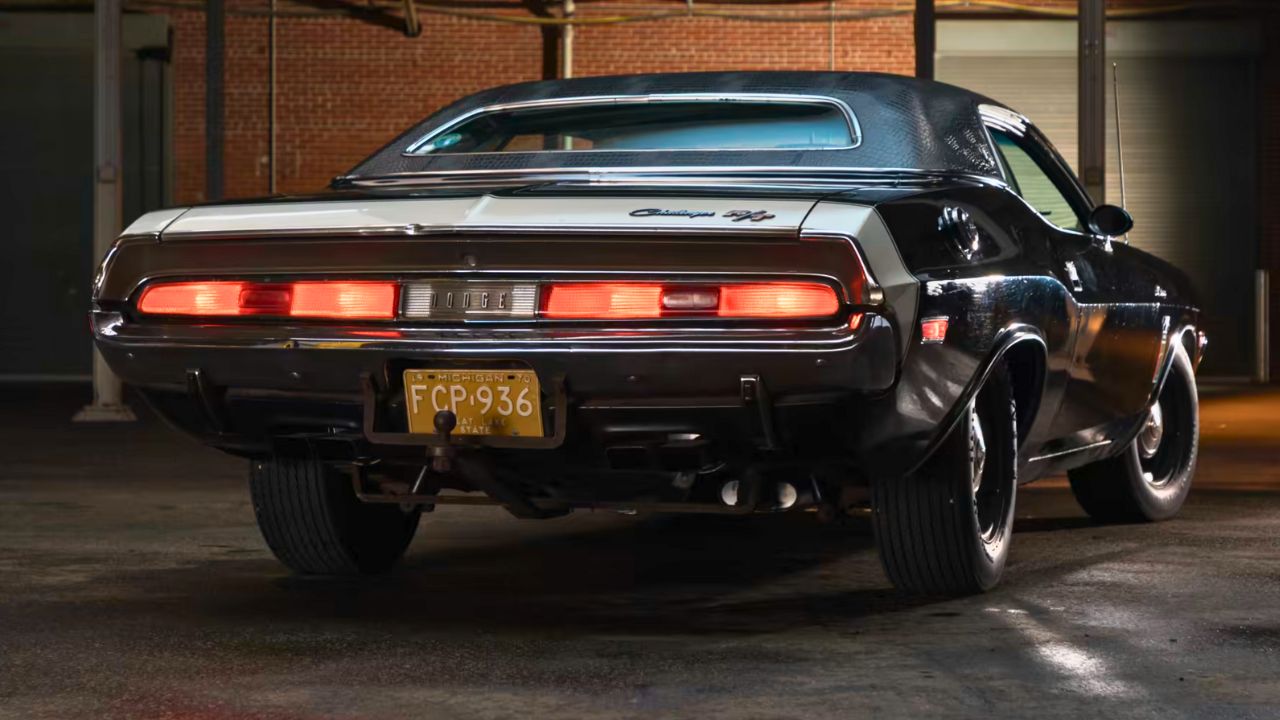
In the early ’70s, Detroit’s streets had their share of fast cars, but one stood out—not for how often it showed up, but for how rarely anyone saw it twice. A black Dodge Challenger would appear out of nowhere, tear through local racers, then vanish into the night. No one knew the driver, and the car became known simply as the Black Ghost.
Decades later, that myth turned out to be very real. Not just a street story, but a documented Hemi-powered legend built by Dodge and hidden away for nearly 40 years. Here’s the truth behind the car that came and went like a ghost.
The Black Ghost Was a Real Street Racer

The Black Ghost wasn’t just a nickname—it was how locals remembered the mysterious black Challenger that showed up, won, and disappeared. It raced the streets of Detroit in the early ’70s, mostly Woodward and Telegraph. Nobody knew the driver. It was fast, silent, and gone before the smoke cleared.
Turns out, the car was owned by Gregory Qualls, a Detroit police officer. He kept his racing life quiet for obvious reasons. The Challenger’s reputation grew without a face behind the wheel, making the car a bit of a legend in its own time.
It Was One of Just 23 Built Like This
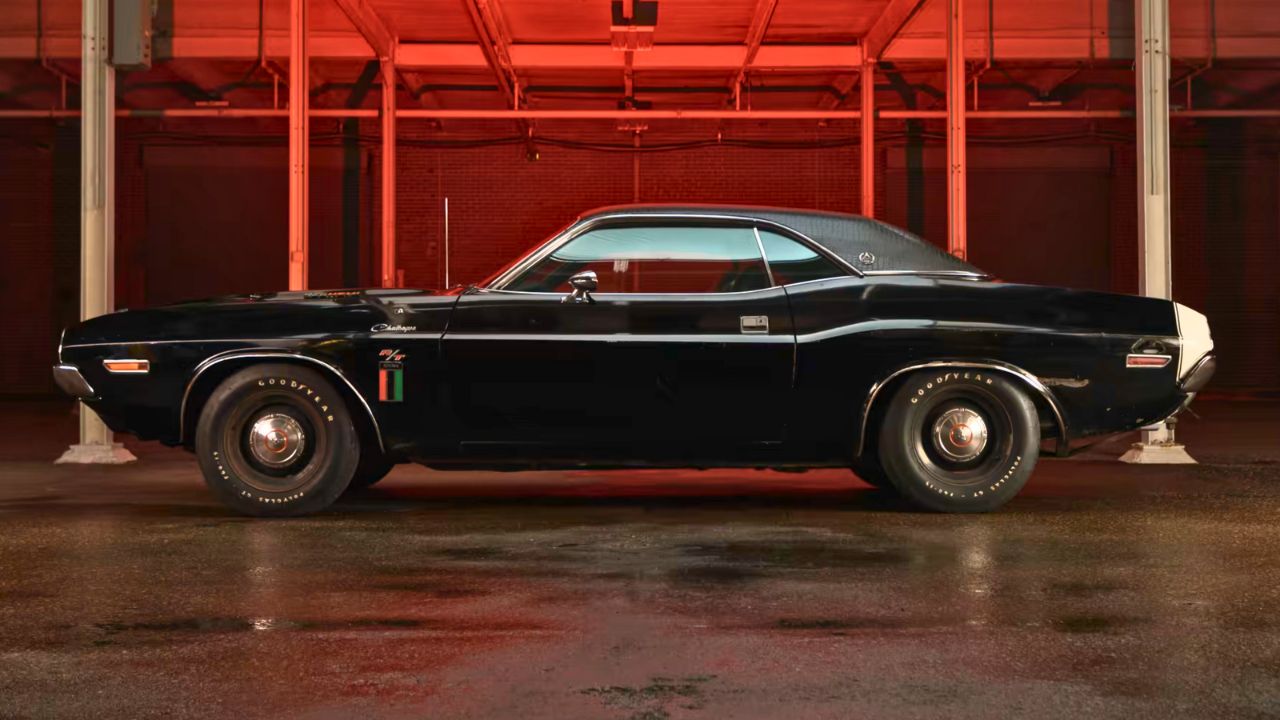
This 1970 Dodge Challenger R/T SE came from the factory with a 426 Hemi, a 4-speed manual, and a Super Track Pak. Only 23 were built in this configuration, which is why it’s now on the National Historic Vehicle Register.
It had code EB5 “Bright Blue Metallic” on the sheet, but Qualls had it repainted black. Add in the Gator Grain vinyl top and SE package—complete with small rear window and leather seats—and you’ve got a mix of options rarely seen together, especially on a street racing car.
The Heart: 426 Hemi with a 4-Speed
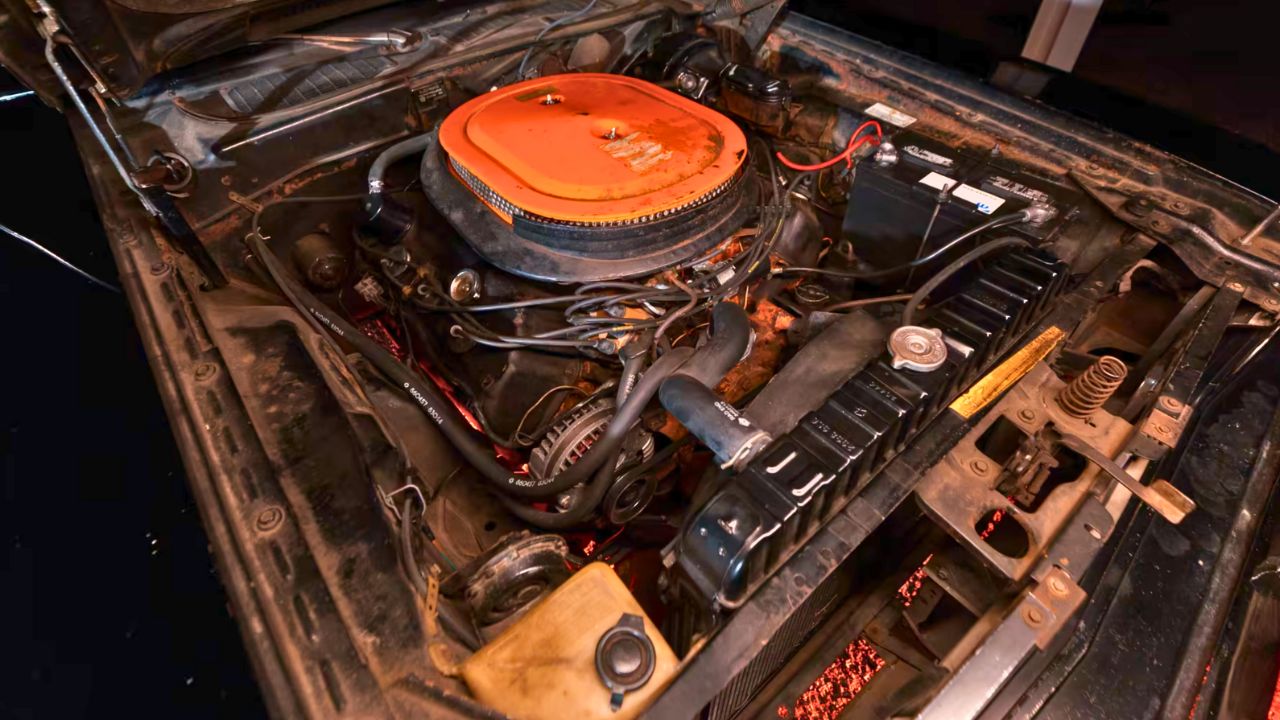
Under the hood sat the legendary 426 Hemi—425 horsepower at 5,000 rpm and 490 lb-ft of torque at 4,000 rpm. It was paired with a 4-speed manual and a Hurst pistol grip shifter. That setup gave it quick shifts and big power—perfect for short, brutal races.
The Hemi was known for its high flow heads and big dual carbs, and in the Black Ghost, it lived up to the hype. It wasn’t light, but it pulled hard. Fast in a straight line, rough around the edges—just how street racers liked it.
Suspension Was Built for Straight Line Punch
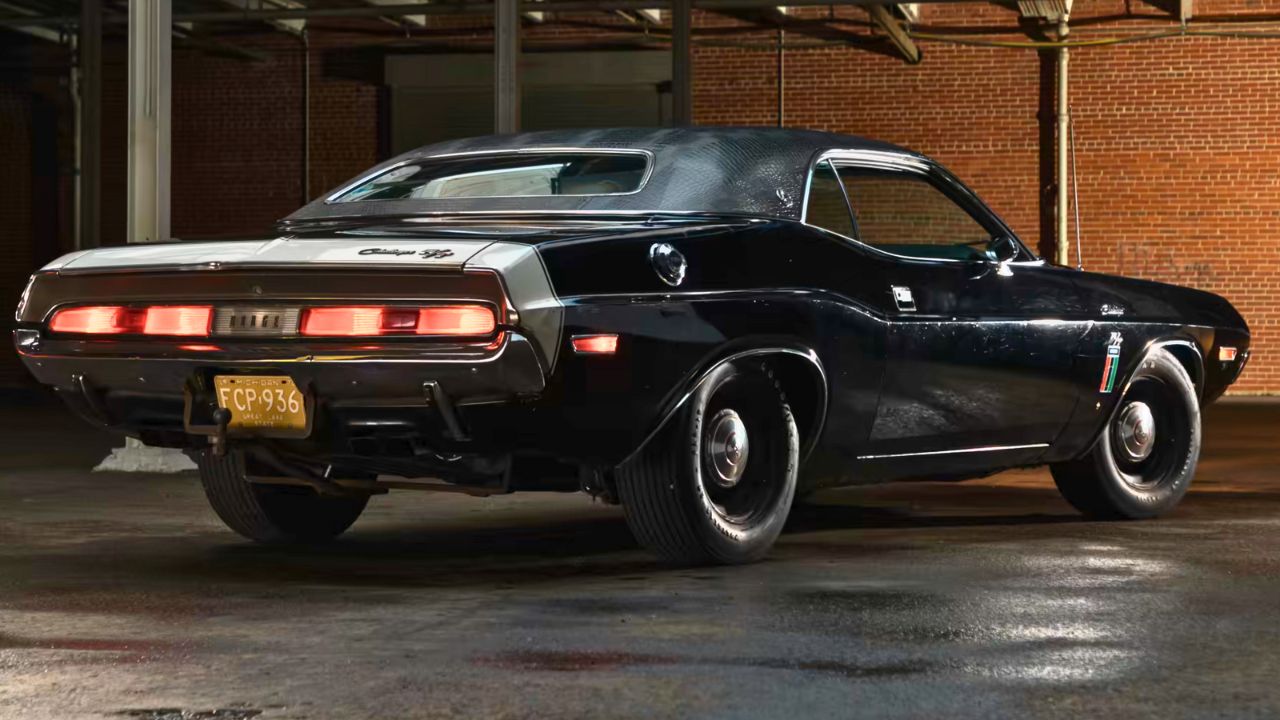
The Challenger wasn’t a corner carver. It used torsion bars up front and leaf springs out back, standard for Mopar muscle. Add in the Super Track Pak, and you got 4.10 gears with a Dana 60 rear end and Sure Grip limited slip.
It also came with power front disc brakes—important when you’re shutting down from triple digits on a city street. The setup wasn’t fancy, but it was solid. Enough grip to hook up off the line, enough control to stay straight, and just enough bite to stop in time.
Gator Grain Roof and SE Package
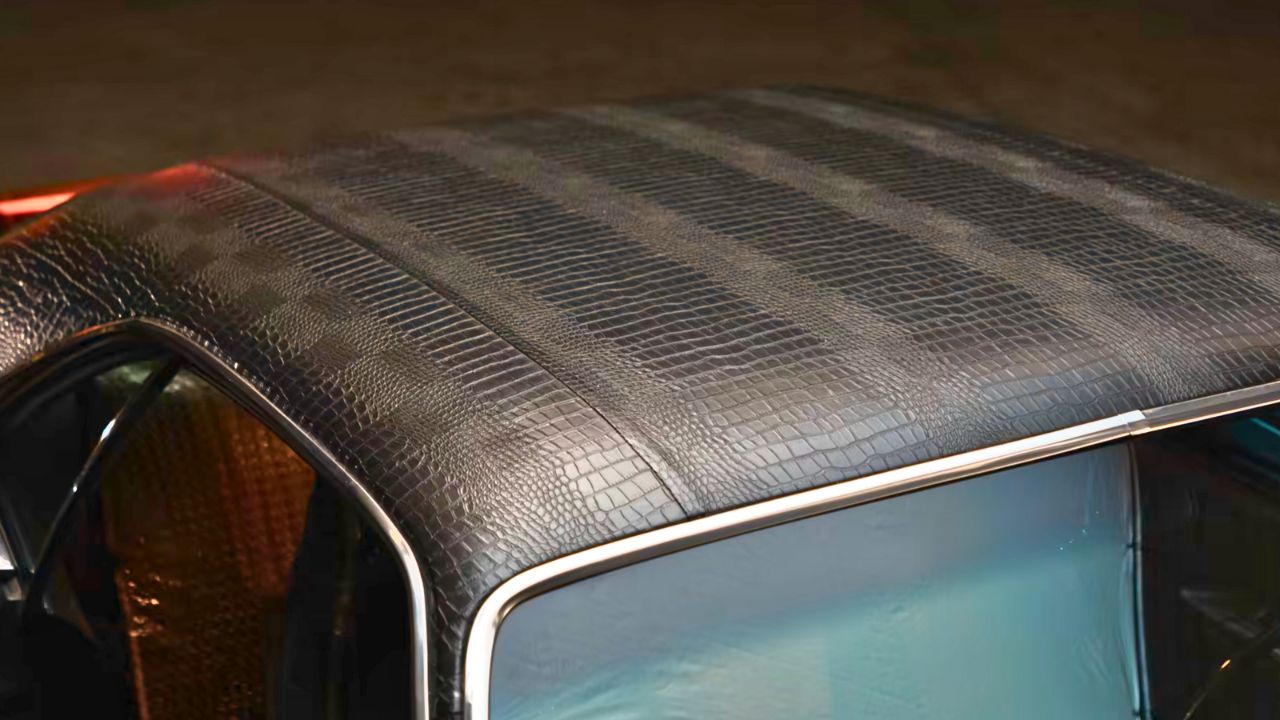
The Black Ghost stood out even when parked, thanks to the rare Gator Grain vinyl roof. It wasn’t popular back then—most people ordered the standard black top—but it gave the car a unique look.
The SE package added leather seats, woodgrain trim, and a smaller “formal” rear window. It was aimed more at luxury than performance, but that contrast made this build interesting. You had a full-leather cabin with a Hemi under the hood and a 4-speed. It wasn’t built for comfort—but it still had it.
It Vanished for Decades
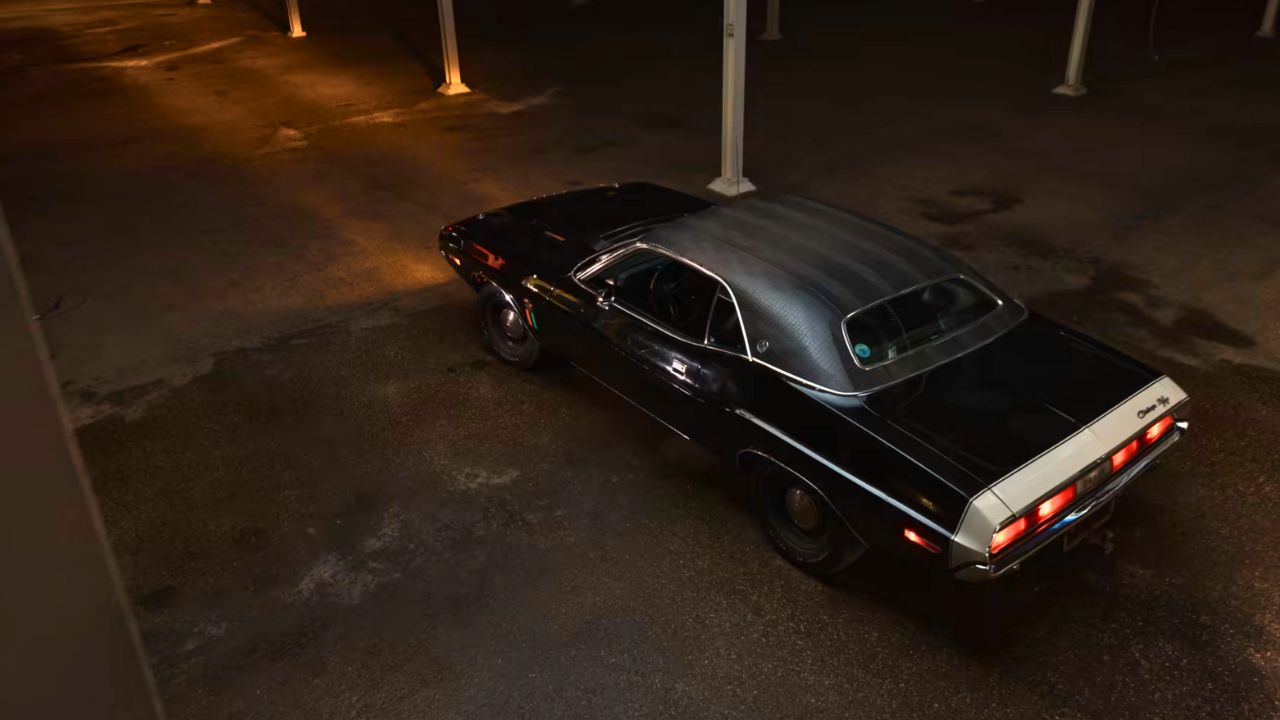
After Gregory Qualls stopped racing, the Black Ghost vanished—literally. He parked it in his garage in the late ’70s and left it. No shows. No track. No buzz. It just sat there, mostly untouched, for nearly 40 years.
When he passed, his son, Gregory Jr., uncovered the car. It was dusty but complete, and still had the original drivetrain. That’s when the stories started to connect—people began to realize the quiet officer with a garage queen was the same man behind Detroit’s ghost car.
Factory Equipment Stayed Mostly Intact
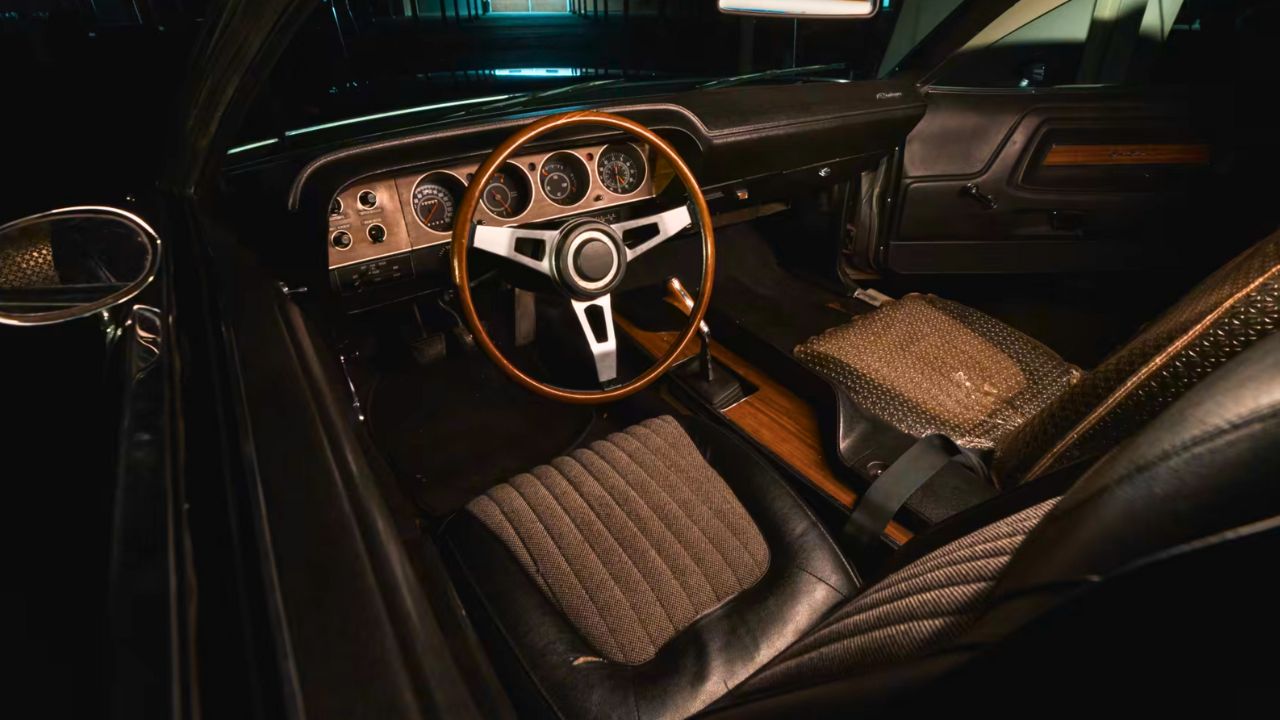
Even after all those years off the street, the Black Ghost kept most of its original parts. The Hemi was matching-numbers. The 4-speed was still in place. The Dana 60 rear? Still there. The only major change was the black repaint and a few small tweaks.
It had the original AM/FM radio, leather interior, and factory gauges. No major resto-mod moves, no aftermarket wheels, no cut springs. It was exactly how a serious street racer might have ordered a car in 1970—factory fast, with just enough style to turn heads.
It Was Added to the Historic Vehicle Register
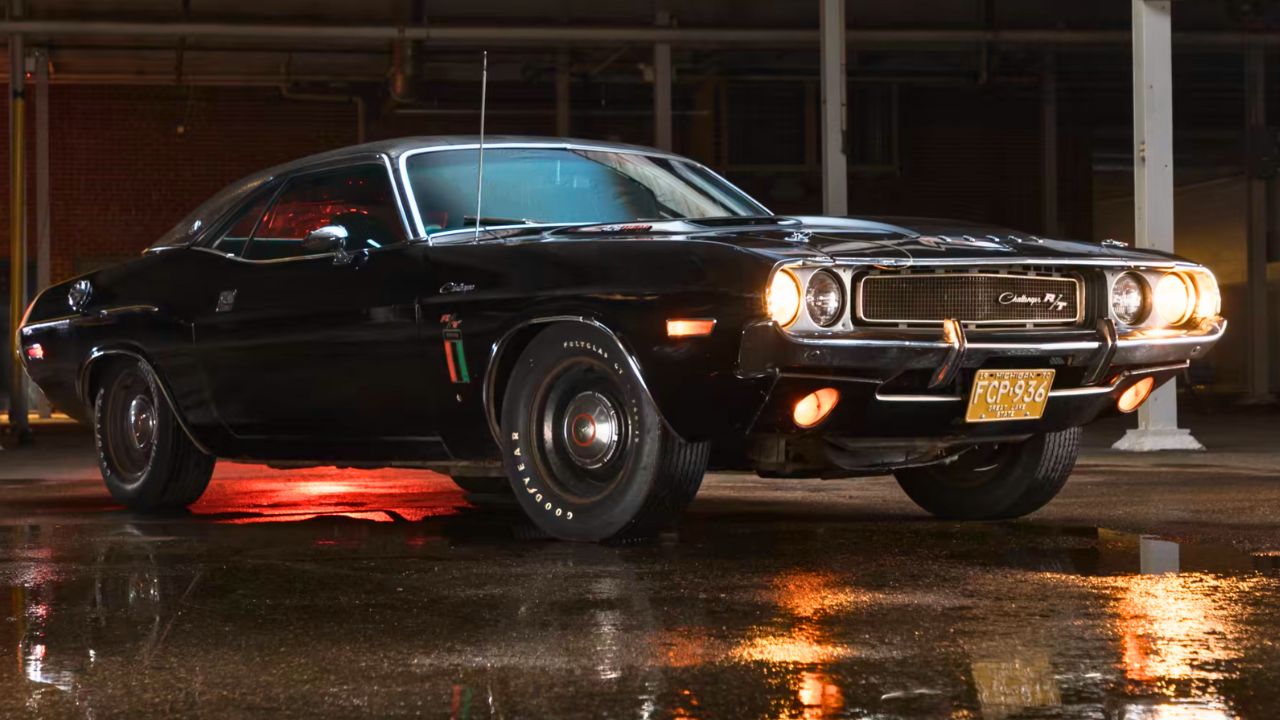
In 2022, the Black Ghost was added to the National Historic Vehicle Register. That’s not common. Most cars that make it there had racing pedigrees or cultural impact—but this one had both. It represented underground racing, Mopar history, and Detroit street life.
Being on the Register means its story will be preserved, and the car was even displayed in Washington, D.C. for a short time. It’s not just another muscle car—it’s a real piece of the city’s history, built and driven by a guy who lived both sides of the law.
Dodge Paid Tribute With a Limited Edition
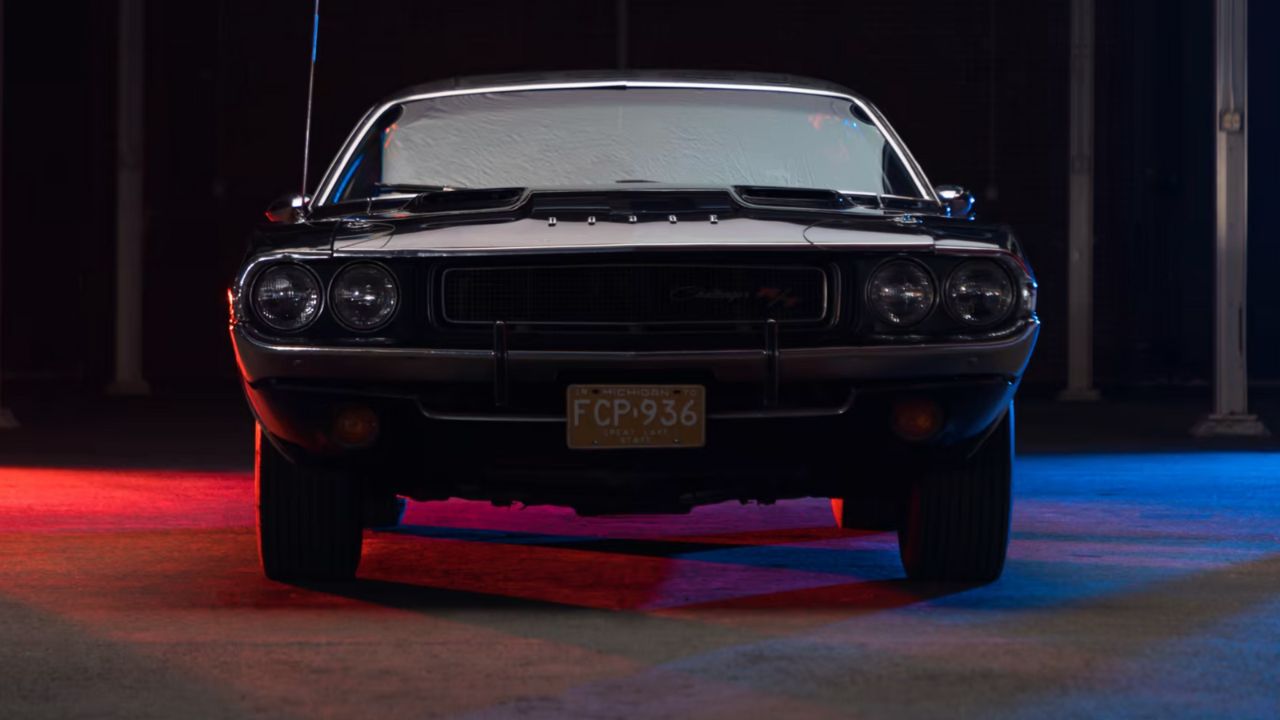
Dodge caught wind of the story and created a special 2023 Challenger SRT Hellcat Redeye Widebody called the Black Ghost. It came with the same black paint and gator skin vinyl top, and only 300 were made.
Under the hood? 807 horsepower. Modern performance, old-school tribute. It was part of Dodge’s “Last Call” series to close out the Charger and Challenger lines. The homage helped push the original car back into the spotlight, just as it was being prepared for auction.
It Sold for Over $1 Million

In 2023, the Black Ghost crossed the Mecum auction block and sold for $975,000 before fees—over $1 million when all was said and done. That price wasn’t just about rarity—it was about the story, the legacy, and the fact it was real.
A street car, driven by a cop, that vanished and then reappeared with its myth still intact. That doesn’t happen often. It wasn’t just about horsepower—it was about history. People didn’t just buy a car; they bought a story that never should’ve made it this far.
Like what you read? Here’s more by us:
*Created with AI assistance and editor review.