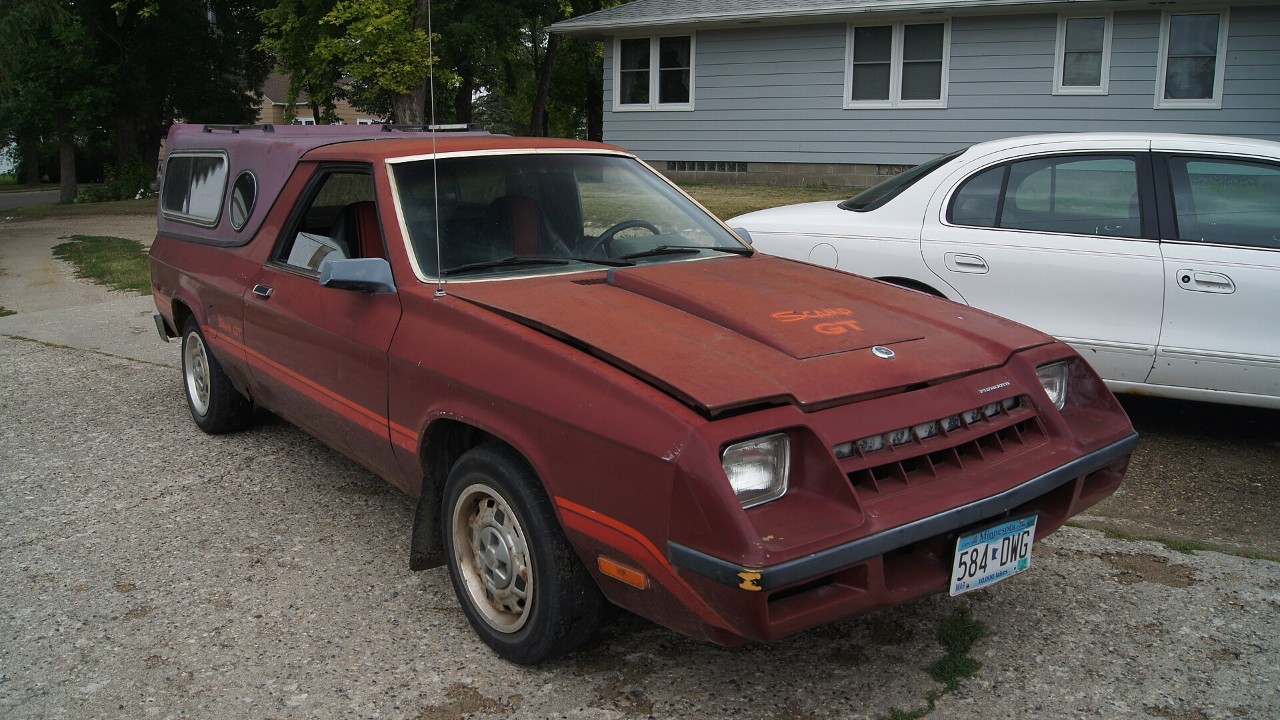
The Studebaker Coupe Express sold for $595 in 1937, and buyers got a pickup bed bolted to the nose of a Dictator passenger car. It lasted only three seasons. Still, the idea behind it never went away: take a car people already like, then give it a load bed.
Australians made the idea famous, and they gave it a name, the “ute.” Meanwhile, makers in Japan, France, Britain and Czechoslovakia built their own versions for farms, shops and tradesmen. Most were cheap and practical, and few were ever meant to be collectible. However, several of them did far more than their makers planned.
These are our picks: seven forgotten car-based pickups that, in our view, over-achieved. Some ran for decades after their sedan siblings died. Others punched far above their size. The verdict is our opinion, while the years, production figures and specs come from period sources, enthusiast histories and reference works.
1. 1937 Studebaker Dictator Coupe Express
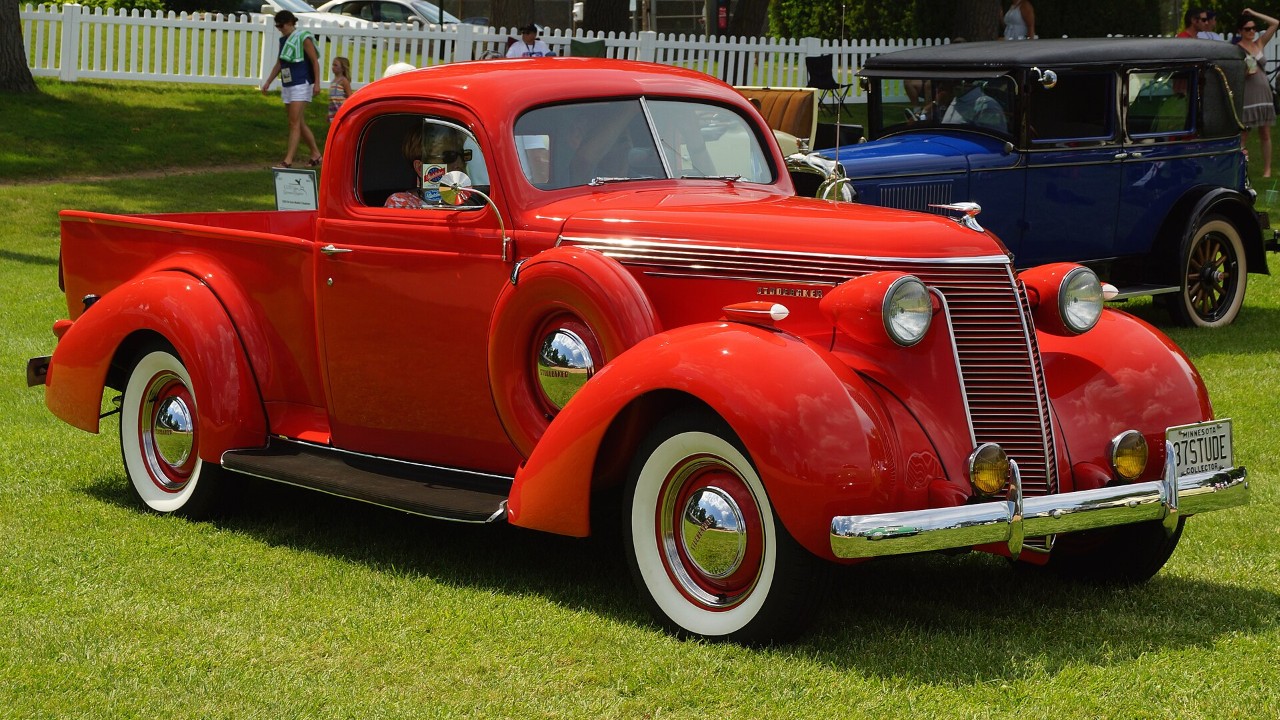
The Coupe Express borrowed far more than a badge from Studebaker’s cheapest car. According to Mac’s Motor City Garage, it shared the Dictator’s driveline, front end, doors and rear fenders. Behind the cab, though, sat a standard pickup box. Power came from a 218-cubic-inch L-head six with a three-speed gearbox.
Studebaker built about 3,000 in 1937, its best year. Sales then fell to about 1,200 in 1938 and about 1,000 in 1939, and the company dropped the model for 1940. In a 2023 feature, Hagerty noted that Studebaker sold it on “passenger-car comfort and style,” paired with a working body.
Why do we say it over-achieved? Studebaker sold a stylish, car-based pickup to American buyers two decades before the better-known names arrived. For more of that family tree, see our list of car-based pickups sold in America besides the El Camino and Ranchero. In our view, the Studebaker Coupe Express is the most elegant of them all, and it still draws a crowd at shows. That rounded 1930s nose still looks good on a pickup today.
2. 1974 Datsun Sunny B120 Pickup
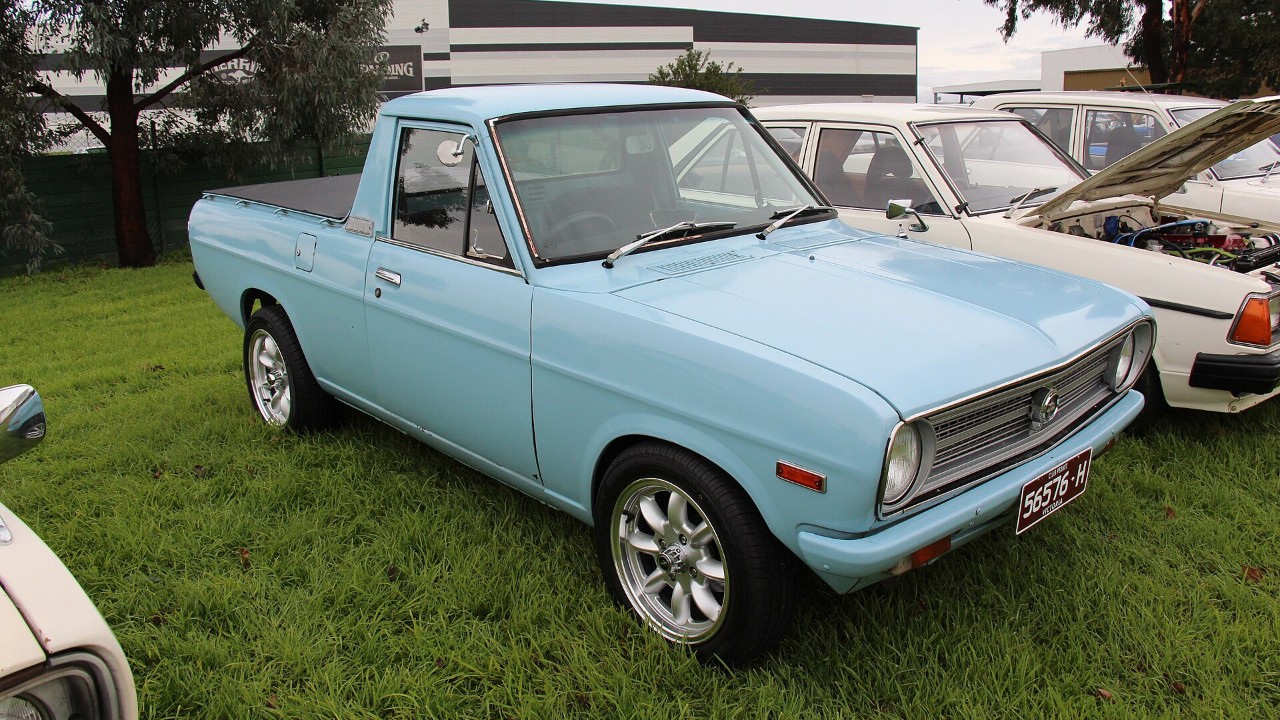
Nissan launched the Sunny Truck in February 1971 on the chassis of the Datsun 1200 sedan. It shared that car’s wheelbase and running gear, including a 1.2-liter engine. Aichi Machine Industry, a Nissan subsidiary, built it, which kept it off Nissan’s busiest production lines.
That arrangement helped the little pickup live a remarkably long life. According to Curbside Classic, production in Asia ended only in March 1994, at the Aichi plant in Nagoya. Ecuador kept building a “Datsun 1200 Camioneta” until 1999. Then South Africa’s version, built at Rosslyn, ran until 2007.
That is a car-based pickup from 1971 still in production in the 21st century. In our view, few small trucks have ever over-achieved like that. The secret was simplicity. The truck had little electronics, a proven rear-drive layout and a reputation for being easy to fix. A 1974 B120 is an early example of the breed, built when the design was still brand new in Japan. In Japan itself, the updated B121 took over in 1978. If you find one, check the bed floor first, because these trucks were worked hard.
3. 1983 Plymouth Scamp
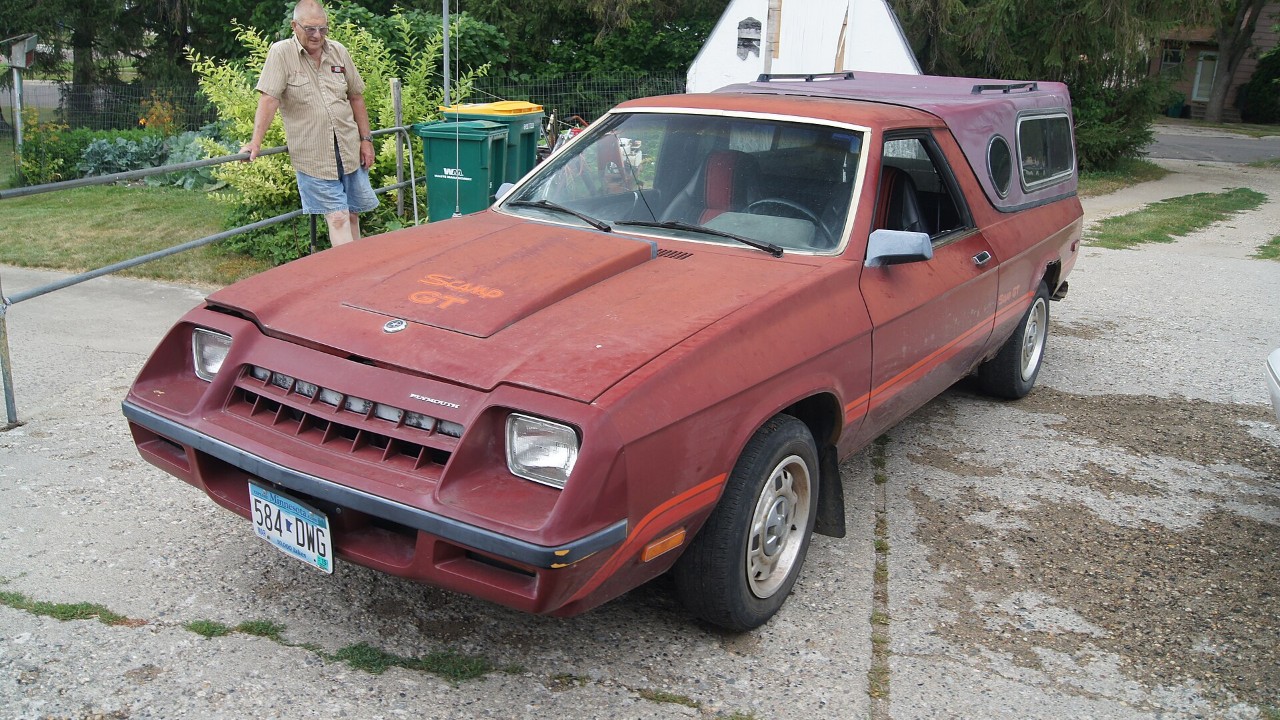
Chrysler developed its first compact pickup from a sporty hatchback, the Dodge Omni 024. Dodge sold it as the Rampage from 1982 to 1984. For 1983 only, Plymouth dealers got their own version, the Scamp. It used front-wheel drive and a 2.2-liter four.
The numbers explain why so few people remember it. Plymouth sold 2,184 base Scamps and 1,380 Scamp GTs, for 3,564 in all. That one-year run makes the Scamp far scarcer than its Dodge twin. Dodge, by comparison, sold 8,033 Rampages in 1983 alone. We told the Dodge side of the story in our feature on the 1982–1984 Rampage.
So where is the over-achievement? The Scamp proved a front-drive economy car could haul a real load. The Rampage was listed at 1,145 pounds of payload. That was a serious number for a pickup built from a small hatchback. In our view, the GT is the one to find, since only 1,380 were sold. Our advice: check the rear bed seams and wheel arches for rust before you buy.
4. 1998 Skoda Felicia Pickup LXi
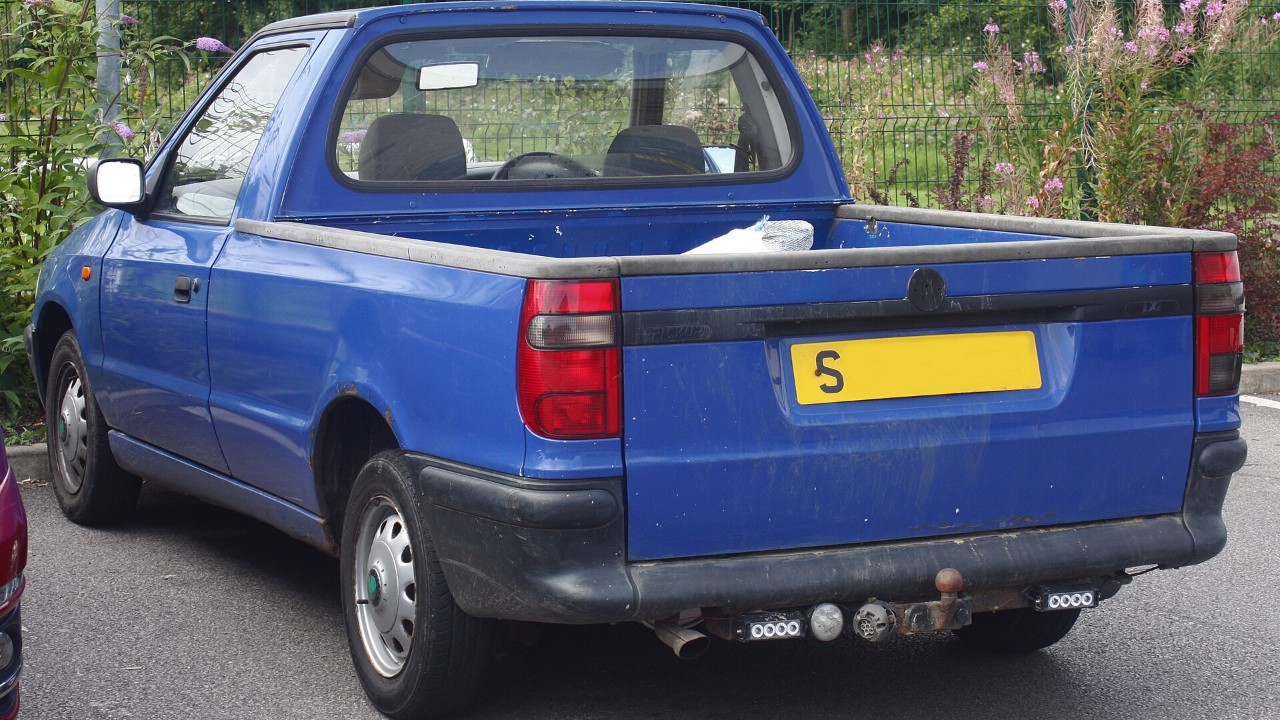
Skoda began series production of the Felicia Pickup in August 1995. The company built it from the Felicia hatchback, but it redesigned the rear axle to free up more cargo space. The result was a small, light hauler with a surprisingly useful bed.
It also hid a clever trick. The rear window section could hinge out into the load bay. Then two extra seats folded out, so the pickup could carry four adults. Owners could cover that rear seating area with a tonneau or a tall Truckman top. Even Volkswagen saw the appeal. It sold the same truck as the Volkswagen Caddy Pickup in some countries, and about 19,000 left showrooms with VW badges.
That is why we think the Felicia Pickup over-achieved. A budget pickup from a Czech brand ended up wearing a Volkswagen badge. Felicia production ended in June 2001, yet the pickups stayed on sale through the rest of that year. Today, a tidy one is a rare sight even in Europe. If you import one, check the bed floor and the reworked rear axle area for corrosion before you commit.
5. 1978 Holden Kingswood HZ Utility
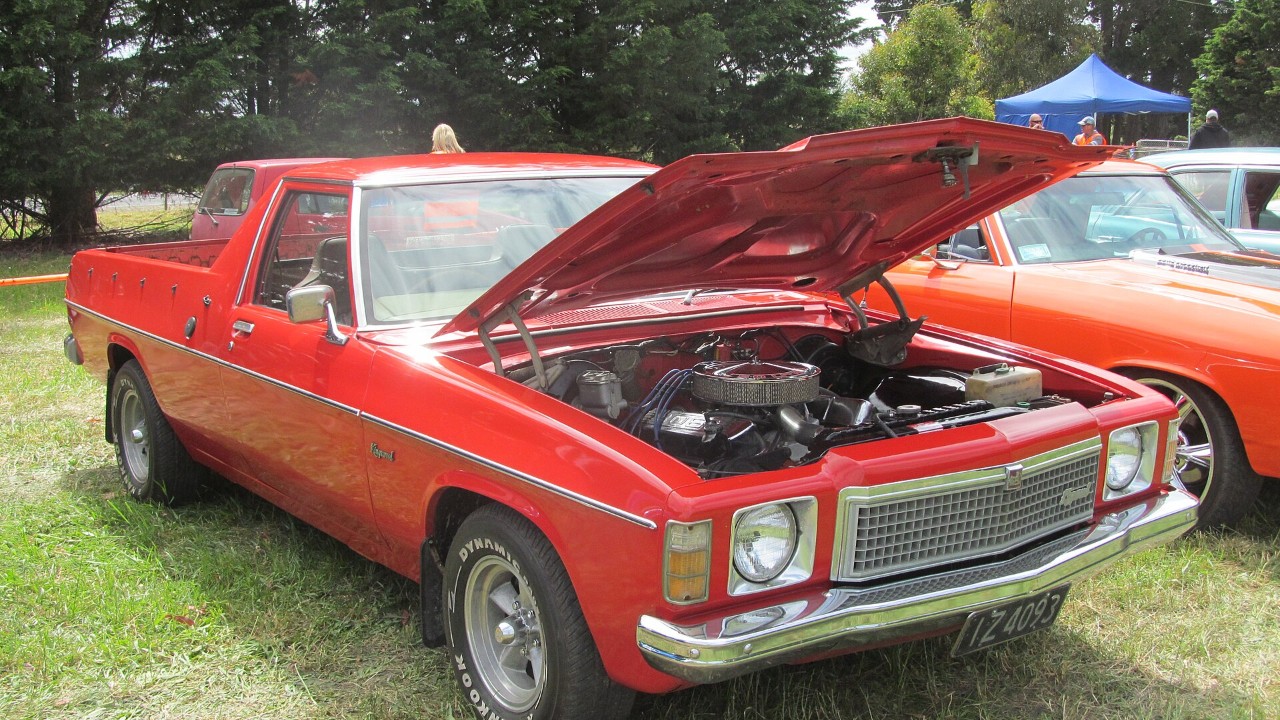
Holden built the Kingswood from the HK series of 1968 through the WB series that ended in 1985. The HZ arrived for 1977, and it brought one big change. Holden fitted “Radial Tuned Suspension” to every model, which improved handling without spoiling the ride.
Under the hood, buyers could choose Holden’s 3.3-liter six or its locally built V8s. The ute was the workhorse of the family. Commercial models also escaped the HZ range cuts that dropped the Belmont sedan. Australians also know the name from television. The sitcom “Kingswood Country” took its title from the car driven by its lead character, Ted Bullpit.
Here is the over-achievement. Holden replaced the Kingswood passenger cars with the Commodore after the HZ series. However, the Kingswood name lived on in the utility for the WB range, until the whole WB series ended in 1985. In our view, that makes the ute the toughest Kingswood of all, since it outlasted the sedan by five years. An HZ ute with the original V8 is the version we would hunt for.
6. Austin 1800 Utility
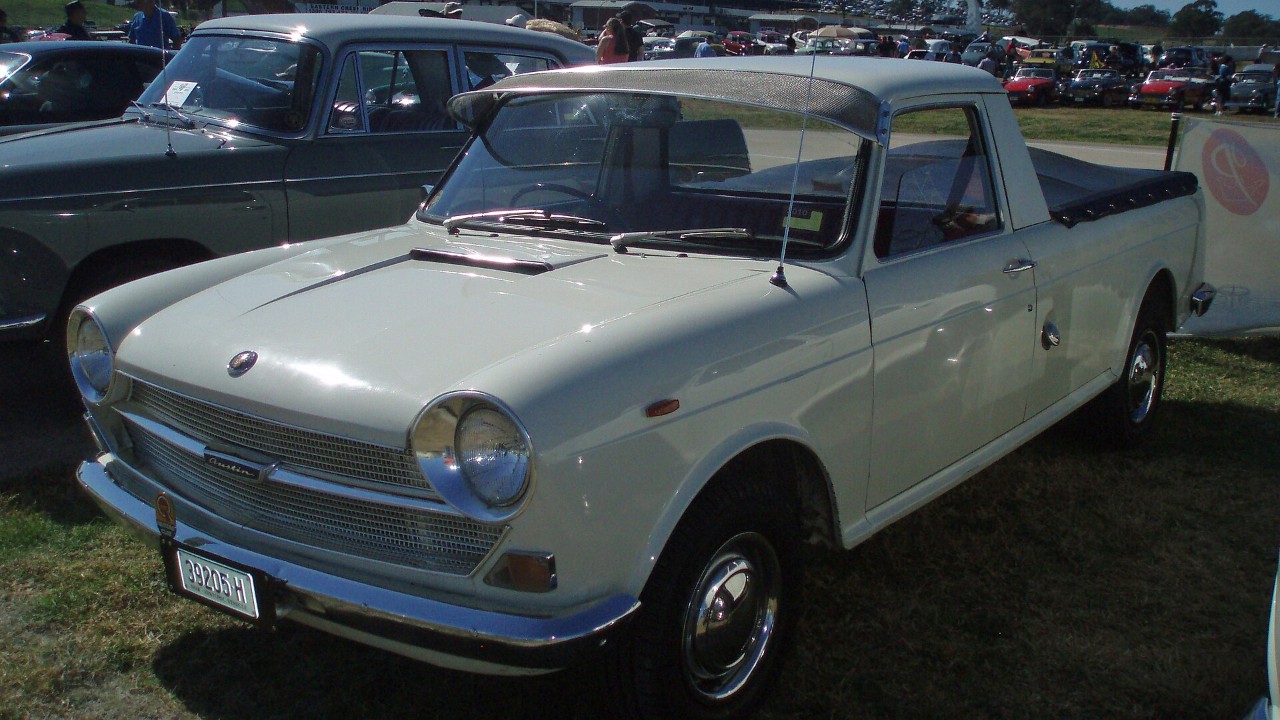
The Austin 1800 started life as a British family sedan, designed under Sir Alec Issigonis with Hydrolastic suspension and front-wheel drive. Enthusiasts nicknamed it the “Landcrab” for its wide, low stance. It was also voted European Car of the Year for 1965.
In Australia, though, the 1800 became something nobody in Britain expected. A coupe utility version arrived in July 1968, so most examples were Mk II models. A cab-chassis version was also offered. Production ran from 1968 to 1971, and over 2,000 utes were built. The tough sedan had already shown its strength by finishing second in the 1968 London-Sydney Marathon.
That is the definition of over-achieving, in our view, and it shows how flexible the 1800’s basic design really was. A front-drive family car designed in Britain became a working pickup on the other side of the world. It suited Australian roads well, because the Landcrab was famously sure-footed over rough ground. Today, a surviving 1800 ute is a real conversation piece at any show. If you find one, have the Hydrolastic suspension checked by a specialist before anything else.
7. 1974 Peugeot 404 Pick-Up
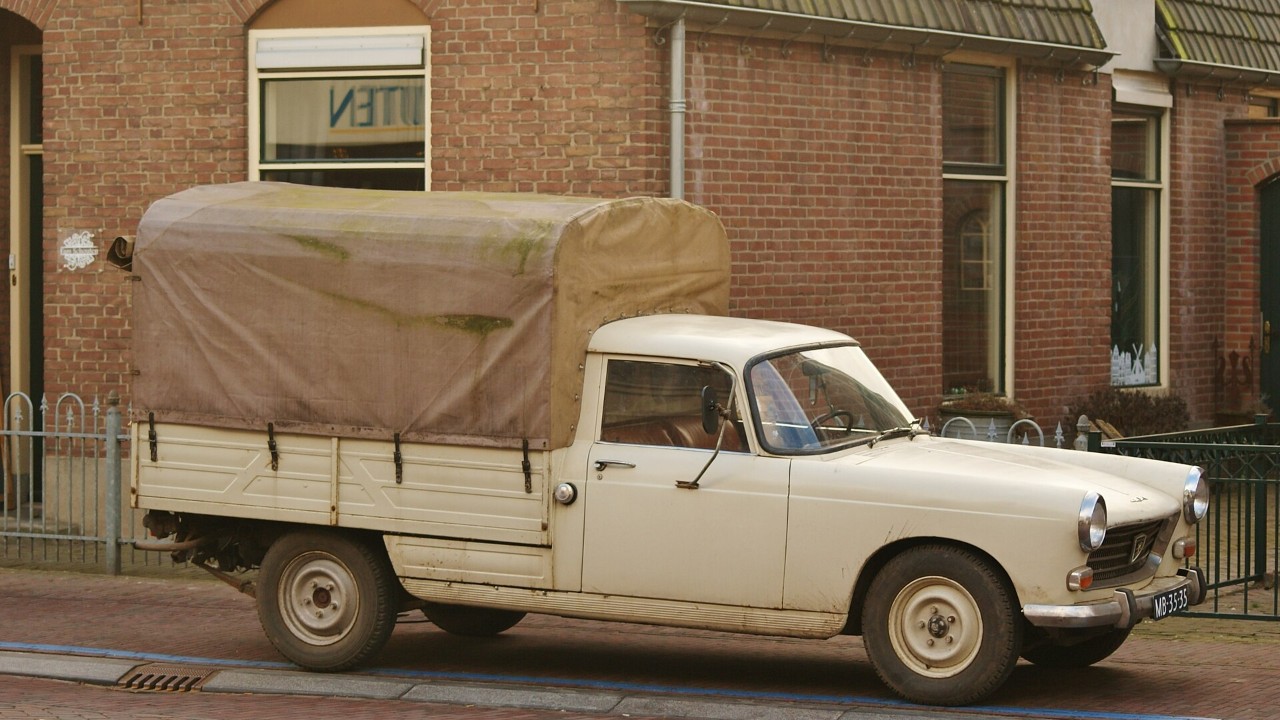
Pininfarina styled the Peugeot 404 sedan, which went on sale in 1960. Peugeot unveiled the pickup version, known in France as the camionnette bâchée, in March 1967. It turned an elegant family car into a working truck with an open load bed.
The 404’s toughness was no secret. Peugeot 404s won the Safari Rally in 1963, 1966, 1967 and 1968, on some of the roughest roads in motorsport. The model stayed popular across Africa for decades. Peugeot built 2,885,374 of the 404 in all, and the sedan ended production in 1975. Even then, the truck body stayed on sale until 1988.
We think that is a huge over-achievement for a car-based pickup. The 404 is still common in North and West Africa today, especially in pickup form. A 1974 truck comes from the last full year before the sedan bowed out, so the pickup was about to carry the name on its own. In our view, it is one of the most durable car-based pickups ever built. If you shop for one, look for solid sills and a straight bed, because most of these lived very hard lives.
More from Fast Lane Only