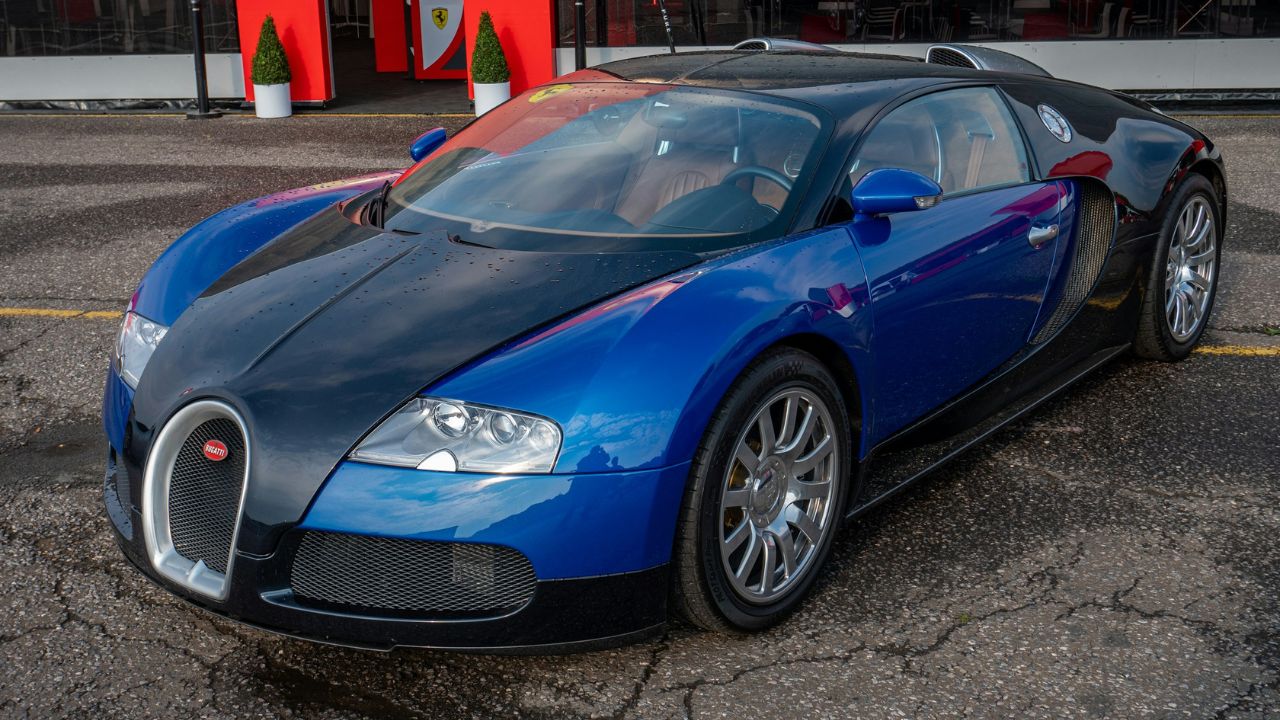
When it comes to supercars, manufacturers often make bold claims about their vehicles’ performance capabilities. However, some of these machines have managed to exceed even their own brand’s expectations, blowing past the official specs in real-world conditions. Here, I delve into ten supercars that have proven themselves faster than initially claimed.
Ferrari F40
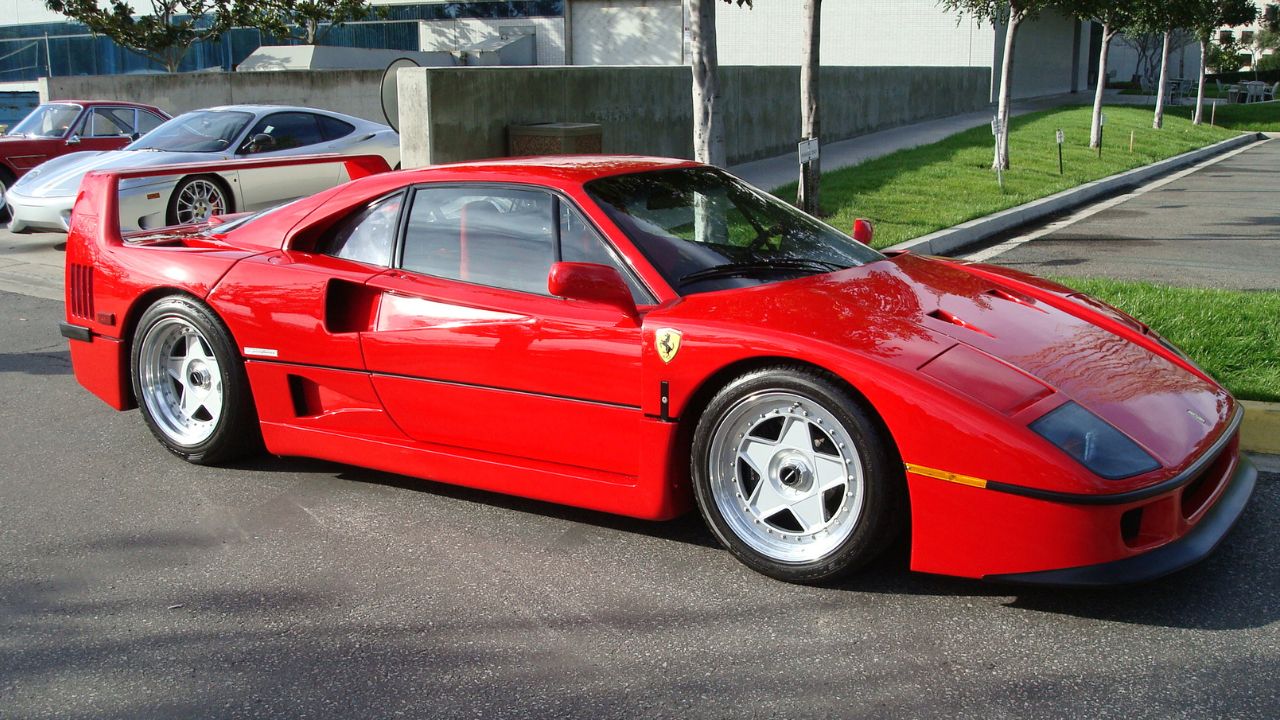
The Ferrari F40 is often celebrated as one of the greatest supercars of all time, and with good reason. When it was released in 1987, Ferrari claimed a top speed of 201 mph. However, automotive testers quickly discovered it could actually reach speeds of up to 202.687 mph. This slight but significant difference made it the fastest car of its time.
With a twin-turbocharged V8 engine, the F40 was not only a marvel of engineering but also a testament to Ferrari’s commitment to performance. Even today, the F40 remains a benchmark for speed enthusiasts and a classic icon in the world of supercars.
McLaren F1
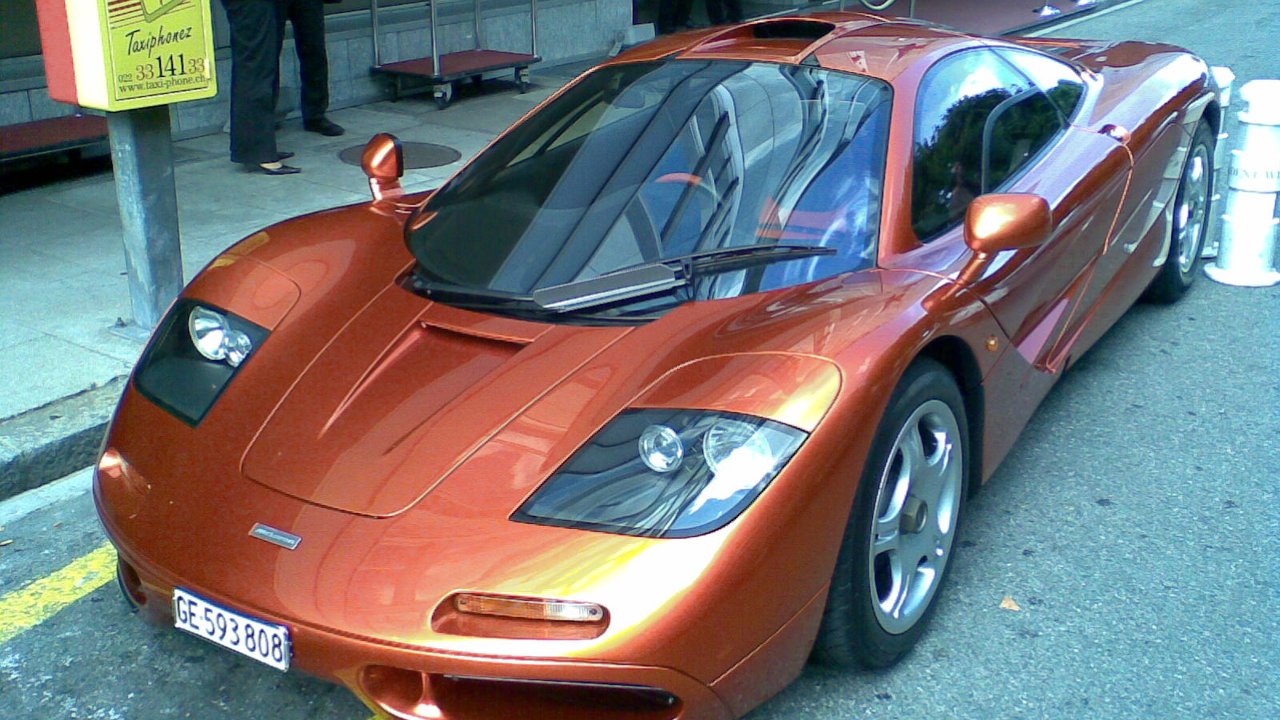
The McLaren F1 was a game-changer in the world of supercars when it launched in the early 1990s. McLaren initially advertised a top speed of 231 mph, an impressive figure for its time. However, during testing in 1998, the F1 reached a staggering 240.1 mph, far exceeding the original claims and setting a new world record for production cars.
Designed by Gordon Murray, the F1 boasted a naturally aspirated V12 engine from BMW, which provided the perfect blend of power and engineering excellence. Its innovative design and unmatched speed made it a legend in the automotive world.
Porsche 959
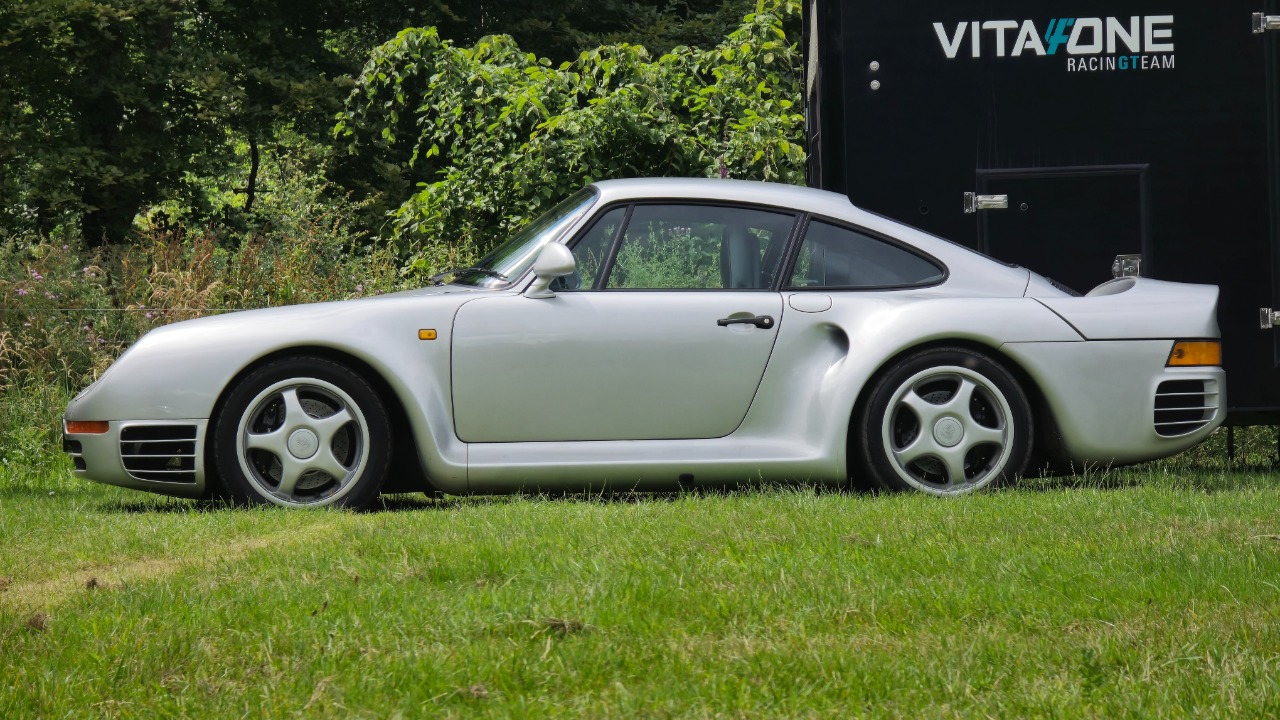
The Porsche 959 was an engineering masterpiece when it debuted in the mid-1980s. It was advertised with a top speed of 197 mph, which was already impressive. However, in real-world conditions, the car proved capable of reaching 211 mph, showcasing Porsche’s conservative approach to performance claims.
This technological tour de force featured a twin-turbocharged flat-six engine and was one of the first vehicles to utilize an all-wheel-drive system in a supercar. Its legacy is evident in the many advanced technologies that have trickled down into modern-day Porsches.
Bugatti Veyron
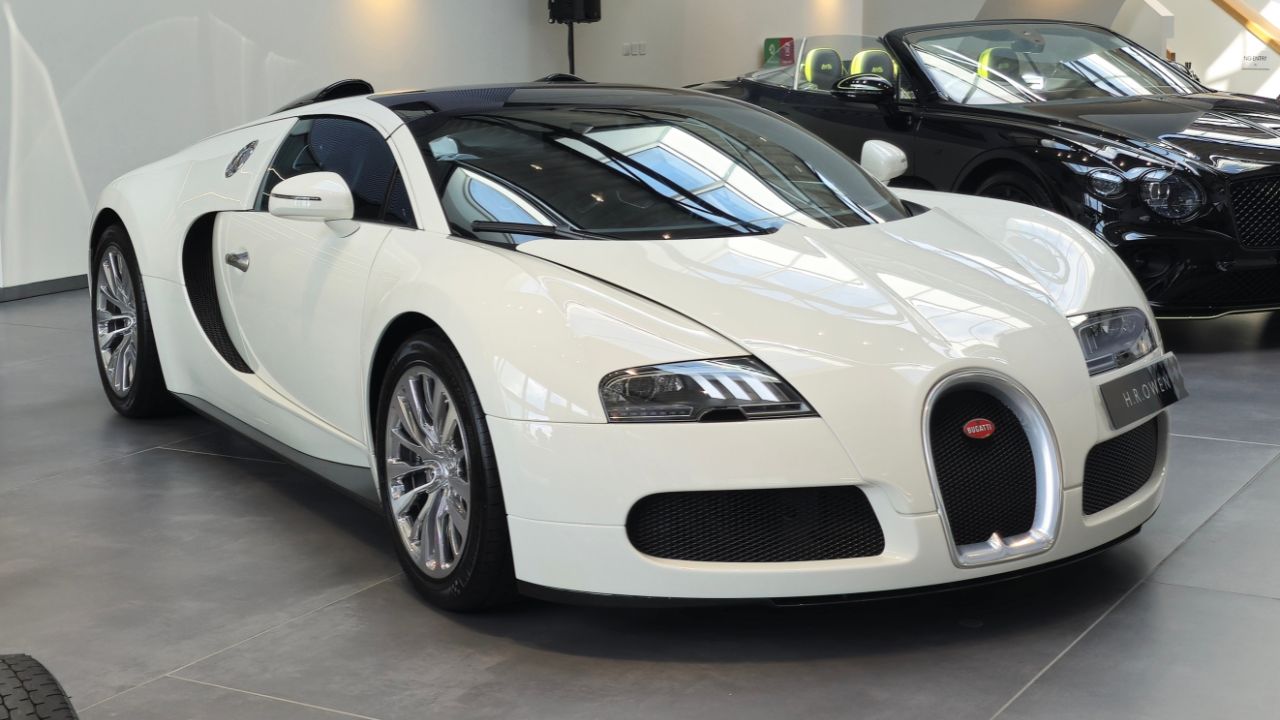
The Bugatti Veyron was an unprecedented achievement in automotive engineering upon its release. Initially, Bugatti claimed the Veyron could hit a top speed of 253 mph. However, this hypercar surpassed that figure, reaching up to 267.856 mph in tests, once again proving that Bugatti’s engineering was ahead of its time.
Powered by an 8.0-liter quad-turbocharged W16 engine, the Veyron delivered a mind-blowing 1,001 horsepower, and its performance has made it a benchmark for future hypercars. It remains a symbol of ultimate speed and luxury.
Lamborghini Huracán Performante
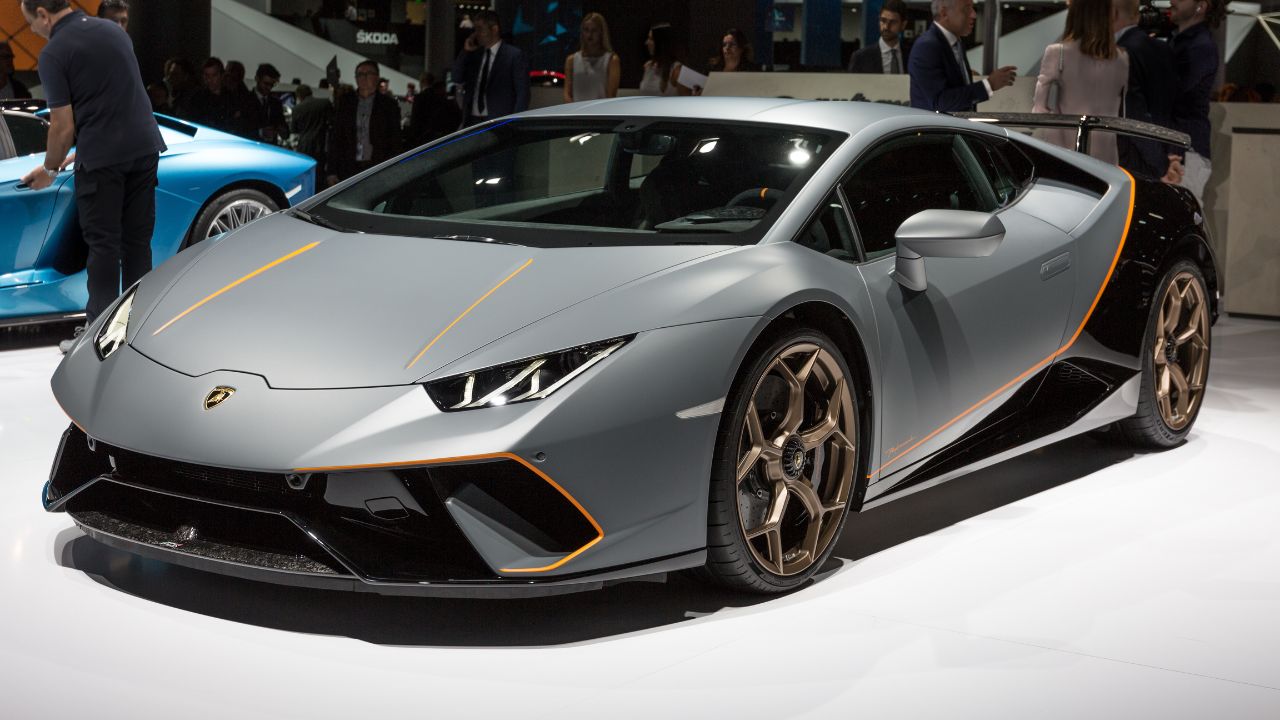
When Lamborghini introduced the Huracán Performante, they promised a supercar with exceptional performance. Initially, the top speed was claimed to be around 202 mph. However, when put to the test, this model could actually hit speeds of approximately 211 mph.
This enhanced version of the Huracán features a naturally aspirated V10 engine and advanced aerodynamics, including the innovative ALA (Aerodinamica Lamborghini Attiva) system. Its ability to outperform expectations solidified its place among Lamborghini’s elite models.
Chevrolet Corvette ZR1
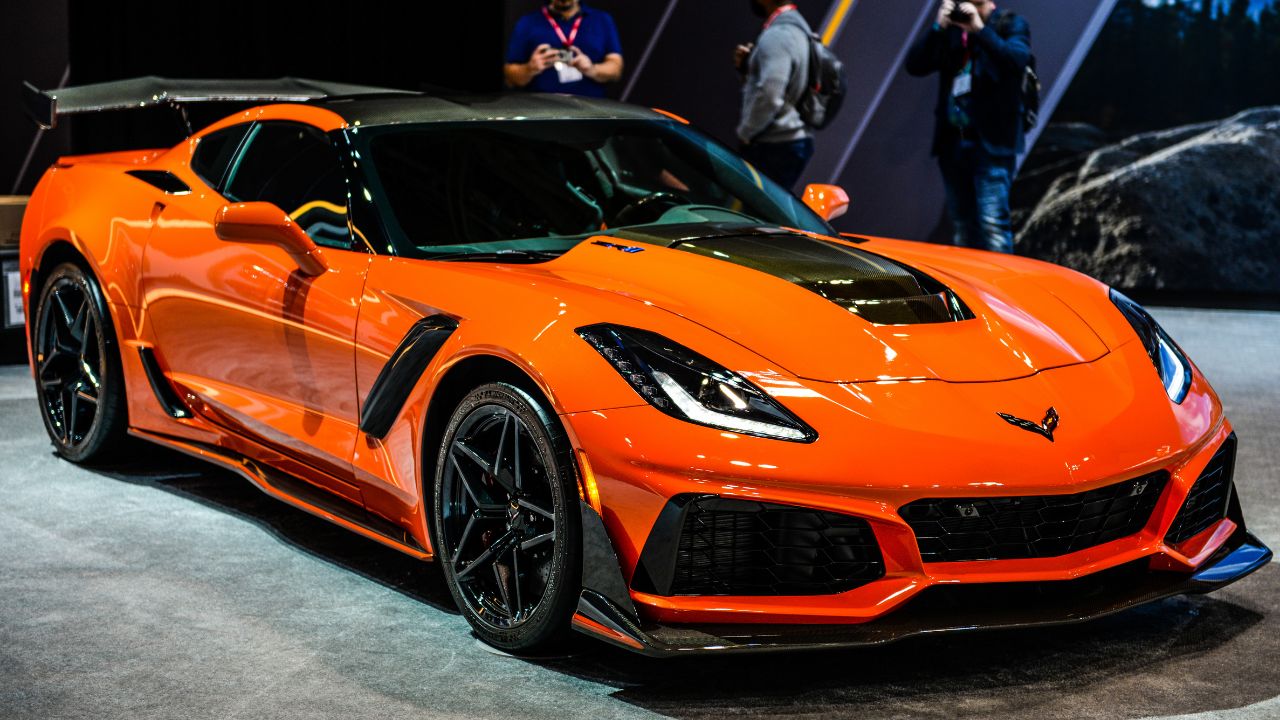
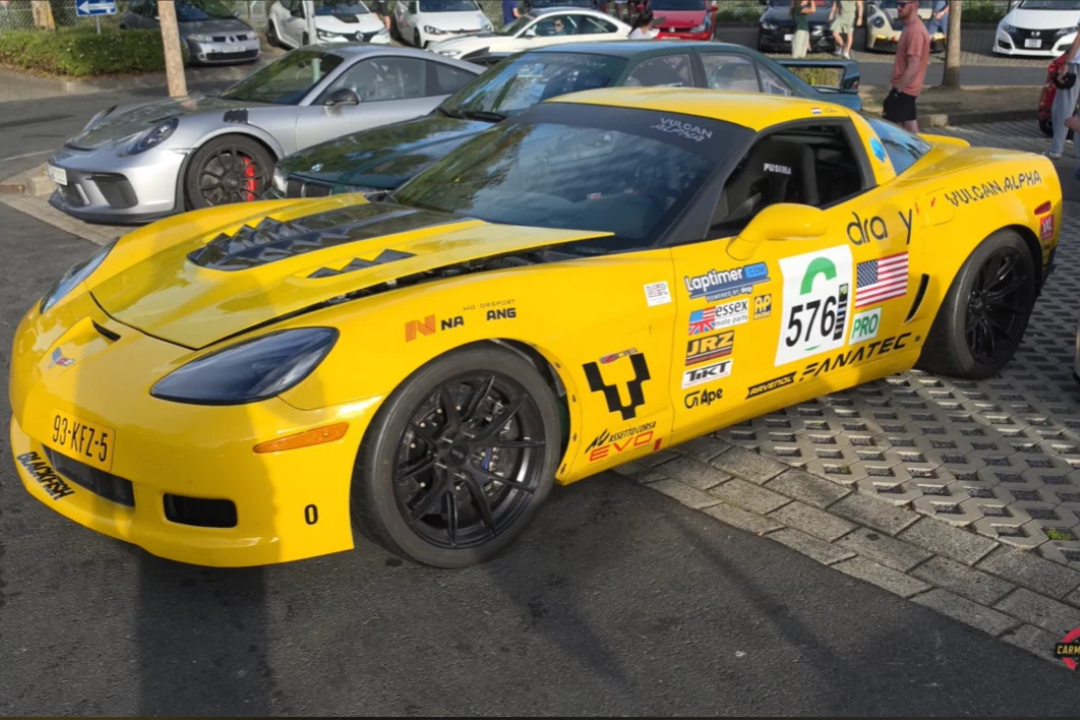
The Chevrolet Corvette ZR1 has always been about delivering extreme performance. When the C7 ZR1 was launched, Chevrolet advertised a top speed of 212 mph. Yet, in real-world tests, the car managed to reach an impressive 214 mph, showcasing its true potential.
Under the hood, the ZR1 features a supercharged 6.2-liter V8 engine, making it the most powerful production Corvette to date. It combines American muscle with advanced aerodynamics, making it a formidable contender in the supercar arena.
Nissan GT-R
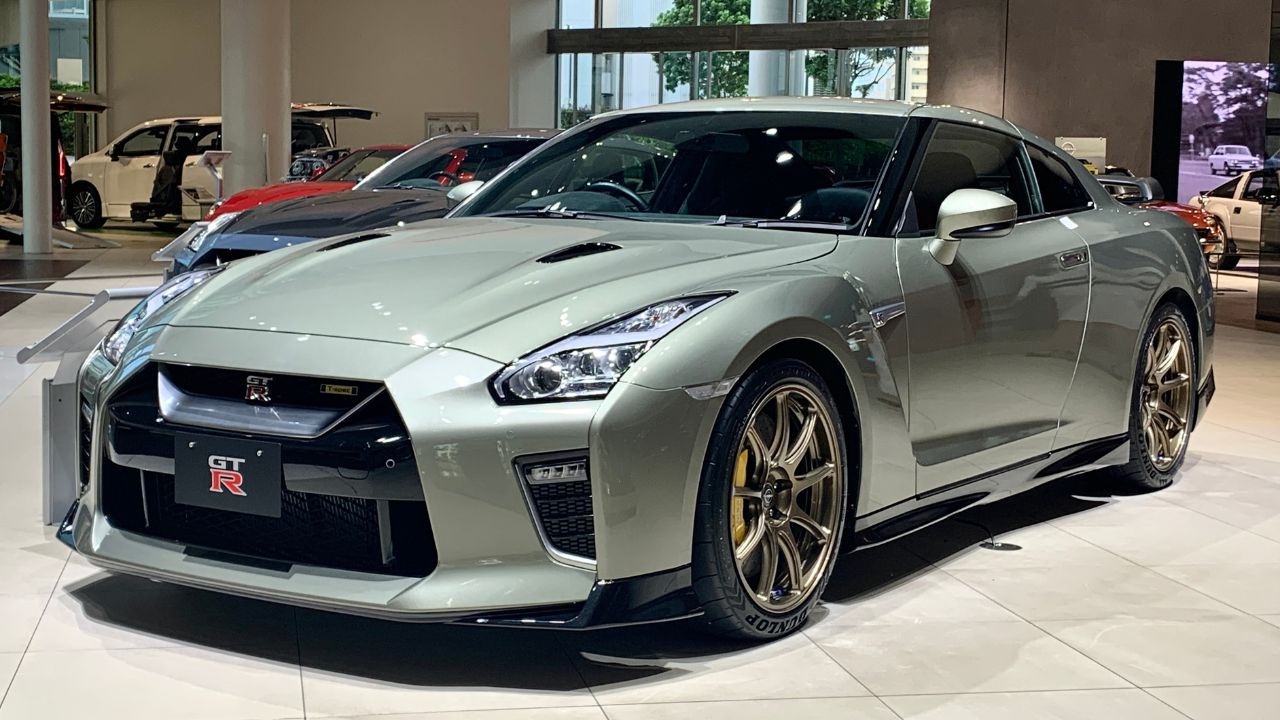
The Nissan GT-R, affectionately known as “Godzilla,” is a car that has consistently outperformed expectations. Nissan initially claimed a top speed of around 193 mph for the R35 model. However, this beast has been clocked at speeds exceeding 200 mph on multiple occasions.
With its twin-turbocharged V6 engine and advanced all-wheel-drive system, the GT-R has become synonymous with high performance and exceptional handling. It continually surprises enthusiasts and professionals alike with its ability to deliver more than promised.
Ford GT
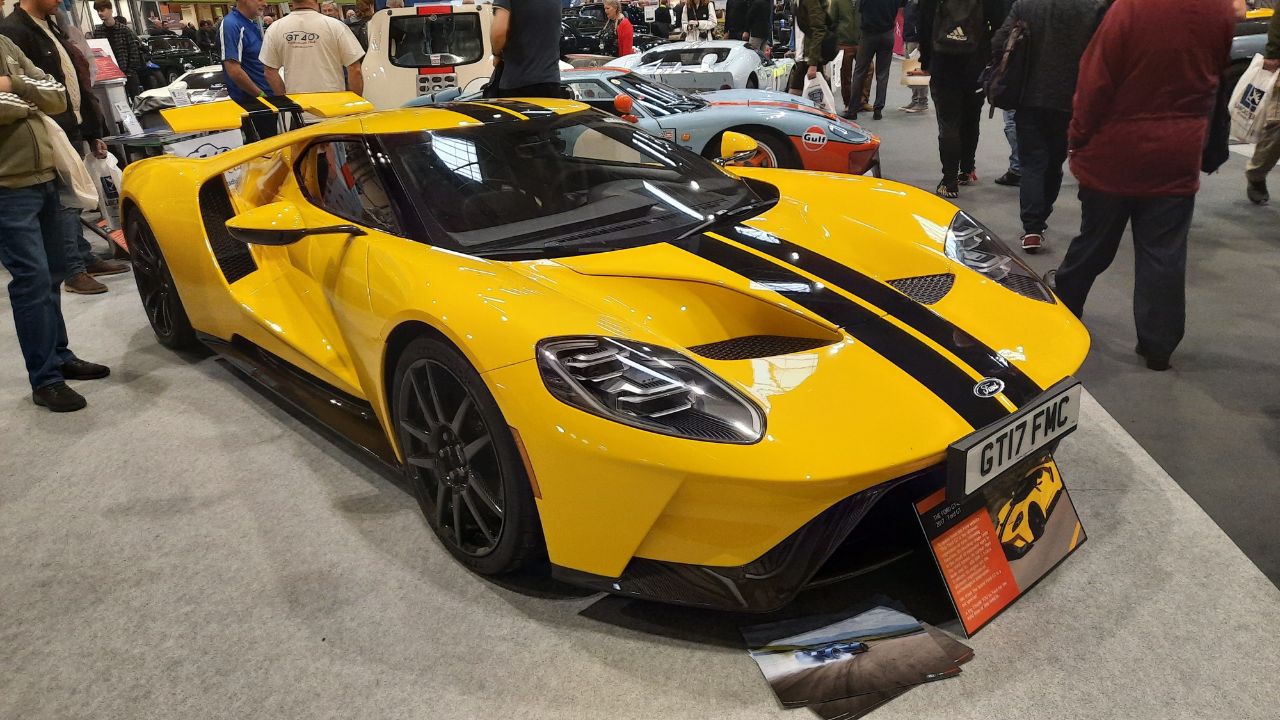
Ford’s GT supercar is known for its blend of American engineering and European styling. When the 2017 model was launched, Ford claimed a top speed of 216 mph. However, it surpassed expectations, achieving speeds of around 220 mph in various tests.
The GT is powered by a twin-turbocharged 3.5-liter V6 engine, and its design was heavily influenced by the desire to win at Le Mans. This combination of speed and style makes it a standout in the supercar world.
Pagani Huayra

The Pagani Huayra is a unique blend of art and engineering. Initially, Pagani claimed a top speed of 230 mph for this Italian masterpiece. However, it has been reported to reach speeds of up to 238 mph, making it even more exclusive and desirable.
Equipped with a Mercedes-AMG V12 engine, the Huayra is a showcase of Pagani’s dedication to craftsmanship and performance. Its limited production and breathtaking speed continue to captivate automotive enthusiasts around the world.
Aston Martin Valkyrie
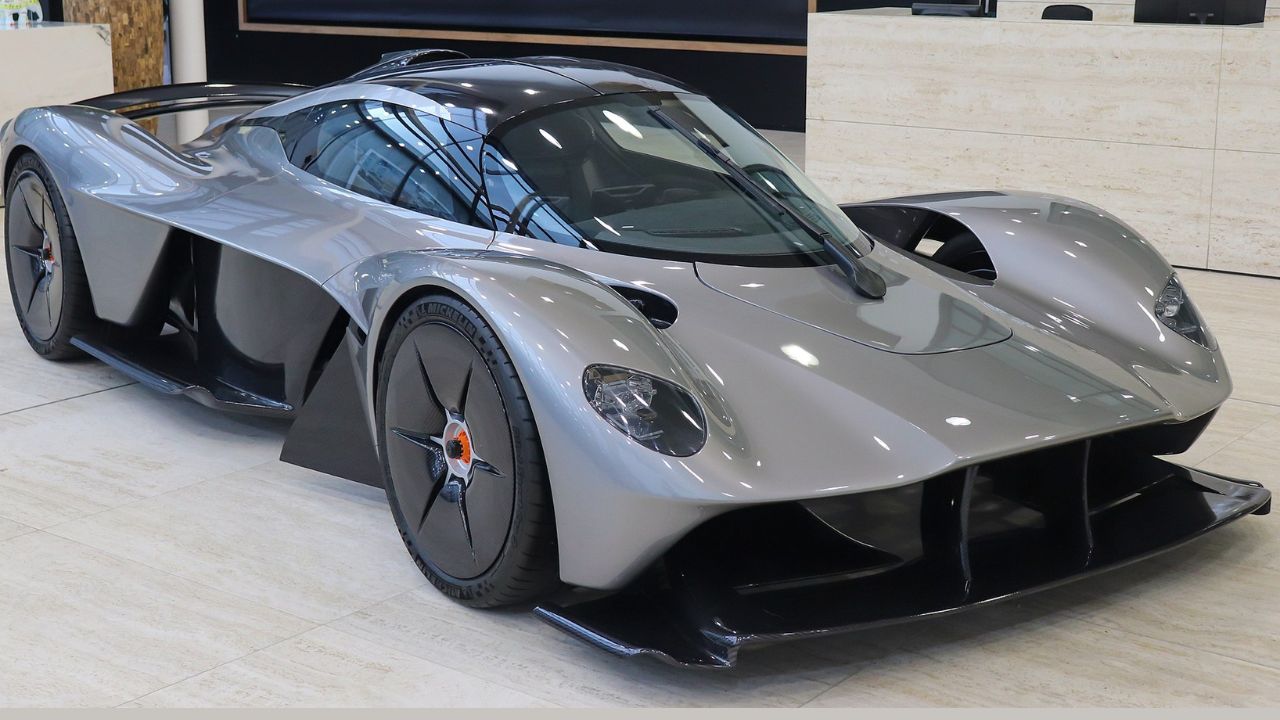
The Aston Martin Valkyrie is a hypercar that aims to push the boundaries of performance. While Aston Martin initially claimed a top speed of 250 mph, the Valkyrie has been rumored to reach speeds nearing 260 mph under specific conditions.
Developed in collaboration with Red Bull Racing, the Valkyrie features a naturally aspirated V12 engine and advanced aerodynamics, placing it in a league of its own. It represents the pinnacle of Aston Martin’s engineering capabilities and the future of hypercars.
Like Fast Lane Only’s content? Be sure to follow us.
Here’s more from us:
*Created with AI assistance and editor review.