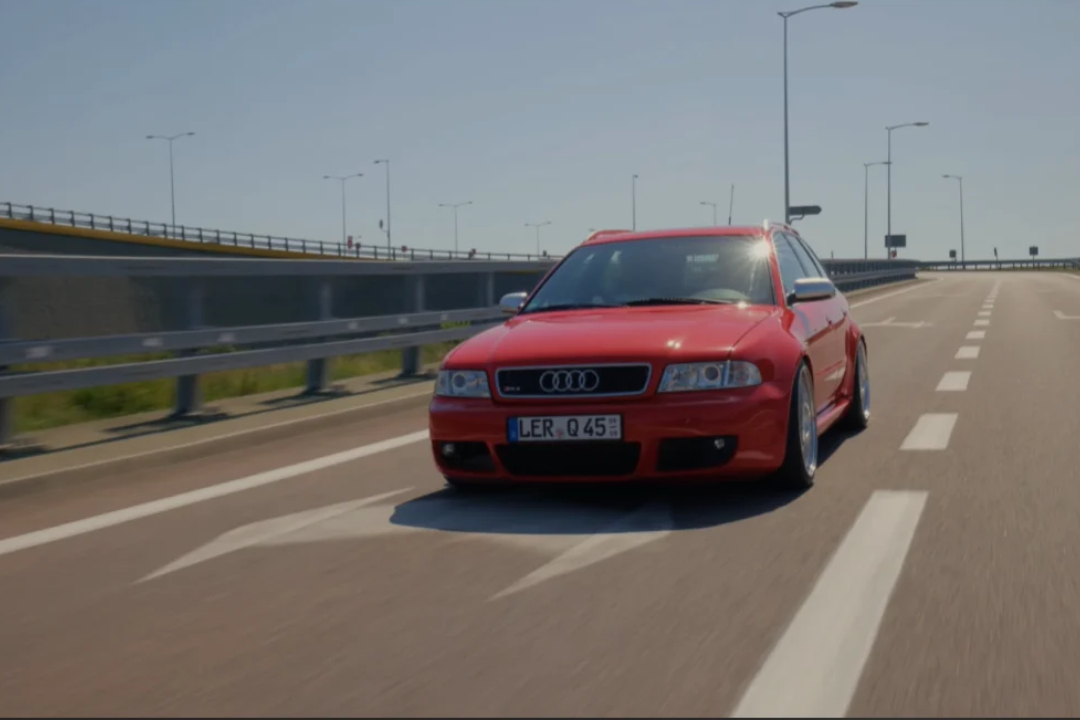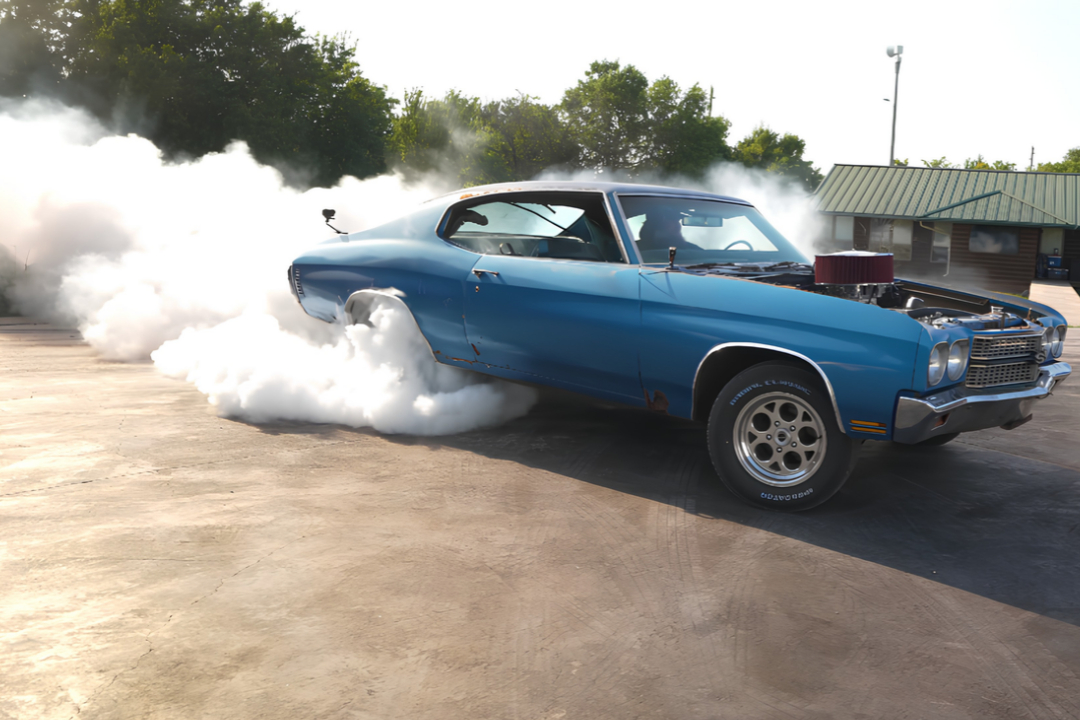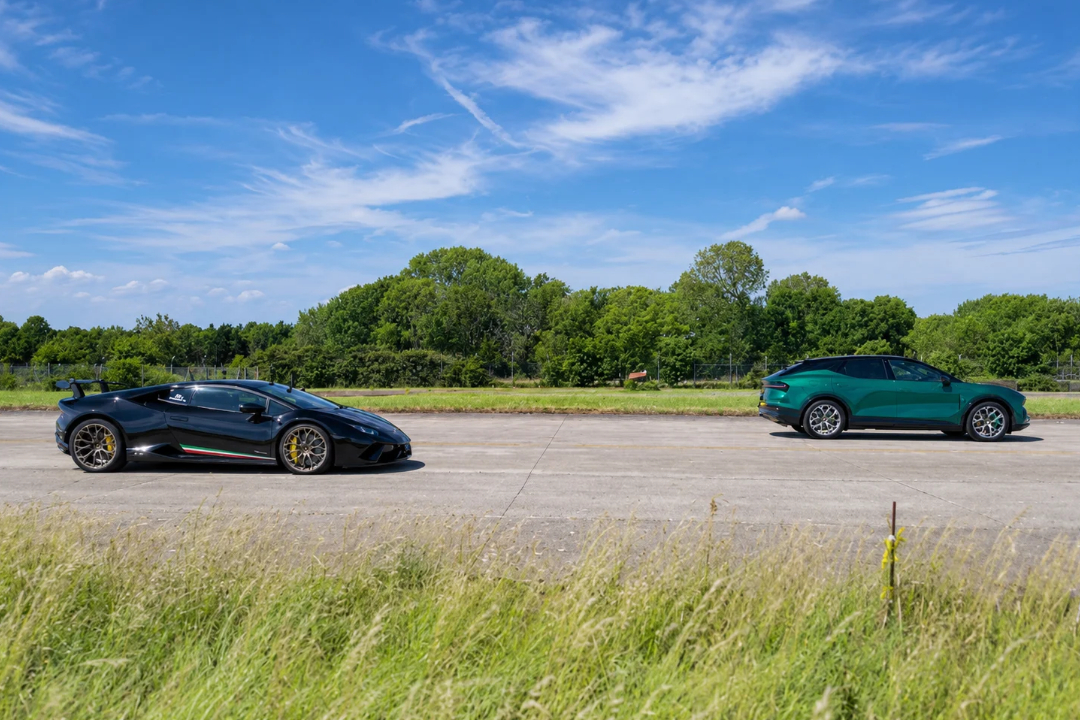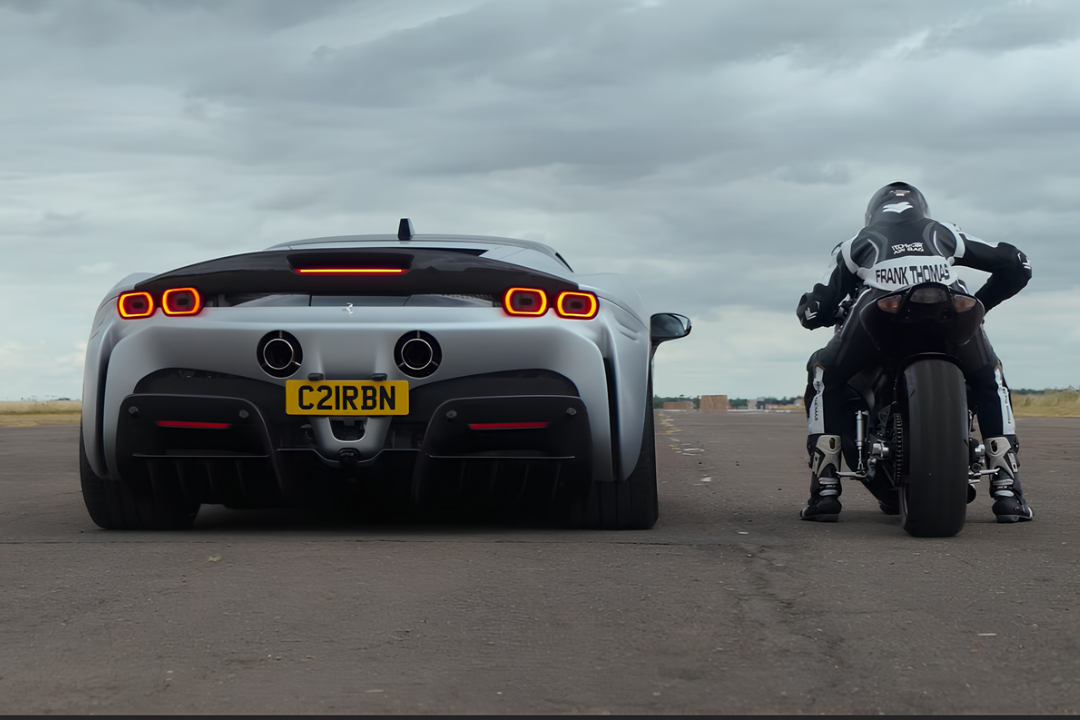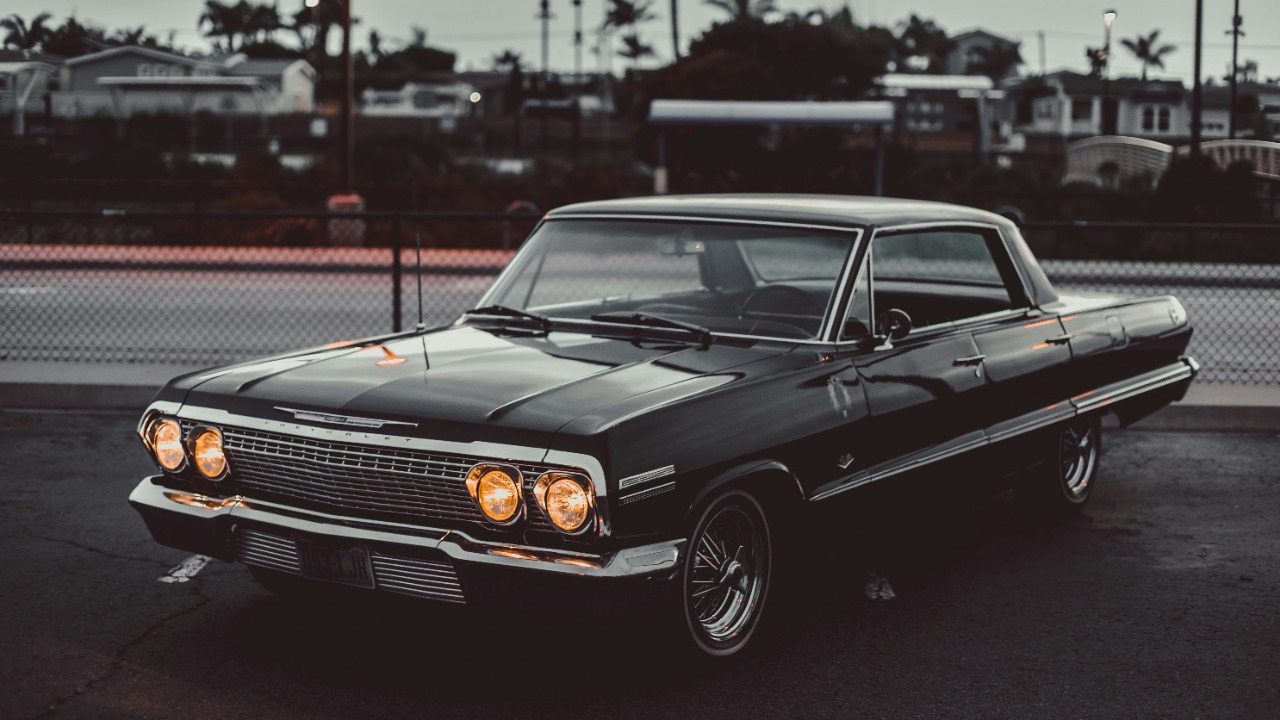
In a market that once seemed incapable of cooling, some classic and modern “future classics” are suddenly the cars everyone walks past in the showroom or scrolls past online. Prices that only ever went up are now stalling, and in a few corners of the hobby, they are quietly slipping backward. The result is a strange split: a handful of blue-chip icons still draw record bids, while a growing list of once-hyped models now sit unsold, even with tempting discounts.
When I talk to collectors and everyday buyers, I hear the same thing: nobody wants to be the last person holding an overhyped car that has already peaked. The hesitation is not just about taste, it is about timing, running costs, and the fear that the next owner will be the one who finally pays a realistic price. That is why certain classic segments, specific modern models, and even some beloved brands are suddenly the ones buyers hesitate to touch.
The collector market’s quiet correction
In the US, the collector scene has shifted from a one-way escalator to something closer to a normal market cycle, and that alone is enough to make buyers cautious. After years in which prices for collectible metal only seemed to rise, values have now logged back-to-back annual declines, with some indices showing drops of around 11 percent while others still show modest gains of about 4 percent over the same period, a split that leaves many shoppers unsure whether they are catching a bargain or a falling knife, as detailed in In the US. When the data itself sends mixed signals, hesitation becomes the default setting.
The top of the market tells the same story in miniature. Despite the record-breaking sale in August of a 67 Ferrari 412P Berlinetta for a staggering $30.25 m, or $30.25 million, the broader market is described as beginning to slow down, with more cars failing to meet reserve and more sellers trimming expectations. When even headline-grabbing auctions coexist with talk of a cooling market, it is no surprise that mid-tier classics, from 1980s grand tourers to 1990s performance sedans, are the ones buyers now approach with the most skepticism.
Modern “instant classics” that suddenly look risky
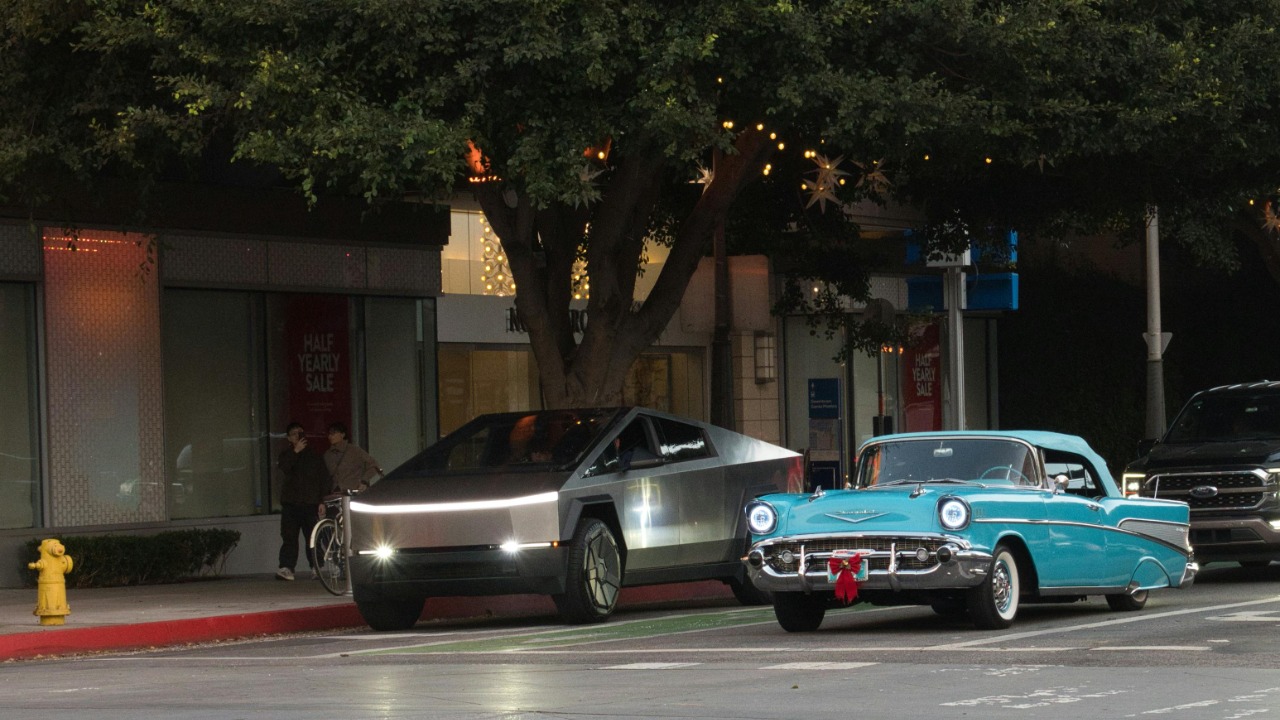
On the new-car side, the models that looked like sure-fire future collectibles are now some of the hardest sells. Dealers are overflowing with certain 2025 models that shoppers simply refuse to touch, even when the discounts get aggressive, a trend that has been laid bare in a widely shared video bluntly titled about the cars sitting unsold in 2025, which highlights how some halo trims and niche performance variants are piling up on lots despite heavy incentives, as seen in Sep. When a car that was marketed as a limited, must-have edition ends up with rows of unsold examples, buyers start to wonder whether the promised exclusivity was ever real.
Electric models that were once treated like rolling tech stocks are facing their own backlash. Owners of Tesla vehicles who bought just before major price cuts have been vocal about feeling “completely duped,” directing their frustration straight at Elon Musk after seeing the value of their cars undercut almost overnight. That kind of volatility makes even tech-forward buyers think twice about paying a premium for the latest battery or software package, especially if they suspect a sudden discount could arrive just after they sign the paperwork.
Classics that cost more to keep than to buy
Among older cars, the models that now linger longest are often the ones that look glamorous in photos but quietly drain bank accounts in real life. Market analysts point to Market Restraints and Challenges High Maintenance and Restoration Costs as one of the main reasons buyers shy away from certain segments, especially in the North Am market. One of the biggest deterrents is the sheer expense associated with maintaining and restoring classic vehicles that require specialist labor, rare parts, or both.
That financial reality is colliding with a squeeze on household budgets. With a reduction in disposable income, the market for older cars has become narrower, and Fewer buyers can afford the luxury of tying up money in anything but the finest examples of collector vehicles. That shift leaves driver-quality cars, half-finished projects, and high-maintenance luxury models in a kind of limbo: they are too expensive to run as casual toys, yet not rare or pristine enough to justify their asking prices as investments, so they sit, waiting for a buyer who may never come.
When nostalgia collides with practicality
Even among enthusiasts, there is a growing divide between what the heart wants and what the spreadsheet allows. Some shoppers openly wrestle with whether it is wise to chase an older, feature-rich model instead of a newer, simpler one, with one Old X’er arguing that Late 90s to early 2000s Hondas and Toyotas were peak quality and are now fully depreciated. That kind of thinking makes sense, but it also means that less robust brands from the same era, or complex luxury models with fragile electronics, are the ones buyers now avoid, because they offer neither the bulletproof reputation nor the modern safety net of a newer car.
The same tension shows up when people cross-shop crossovers and wagons. One shopper who had already committed to a plug-in hybrid found themselves “sold to the R4P but now hesitating for an Outback,” weighing the extra cost of a more equipped Subaru against the efficiency and incentives of the Toyota. When even committed buyers are second-guessing their choices mid-deal, it is a sign that borderline models, the ones that do not clearly win on value or character, are the ones most likely to be left on the table.
The classics that still shine, and the ones left behind
For all the hesitation, there is also a renewed appreciation for cars that deliver something modern machines cannot. Enthusiasts argue that Classic cars are making a comeback not despite modernity, but because of it, offering a kind of analog escape from a world of screens and subscriptions. That emotional pull keeps truly special models in demand, even as more ordinary or compromised classics struggle to find homes.
History offers a useful reminder of how selective buyers can be. While the Depression was nearing its end, buyers of high-end luxury cars were still scarce, and even wealthy individuals were reluctant to flaunt their status with flamboyant automobiles. Today, the same pattern plays out in a softer form: the most tasteful, well-documented examples of a model still attract strong interest, while the rest quietly age in classifieds and storage units.
How cautious buyers are changing the playbook
In this environment, the smartest shoppers are not avoiding classics altogether, they are simply more methodical about which ones they chase. Some enthusiasts now treat pre-purchase inspections as non-negotiable, while also trading notes on which services are worth the fee, with one owner bluntly describing Lemon Squad as “hit or miss” and vowing not to use them again after mixed experiences. While that kind of feedback can sound harsh, it reflects a broader shift toward due diligence, where buyers are less willing to trust glossy photos or seller promises without independent verification.
At the same time, the cars that sit longest are often the ones that do not fit this new, more disciplined approach. Models with murky histories, incomplete paperwork, or vague service records are now treated as red flags rather than opportunities, especially when the asking price assumes a level of demand that no longer exists. In a market where even solid cars can take longer to sell, the ones buyers hesitate to touch are not just the obvious money pits, they are any models whose stories, costs, or future values feel just uncertain enough to make walking away the safer choice.