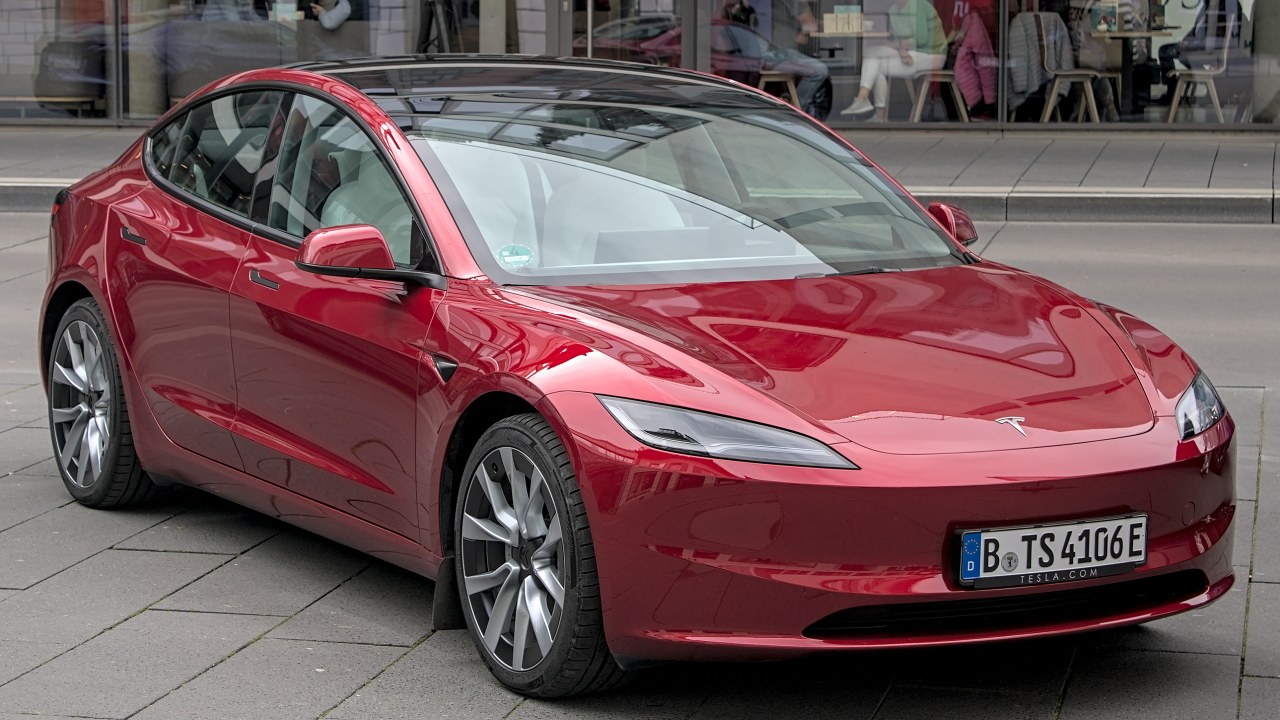
Tesla has quietly restructured one of its most visible driver-assistance perks, turning a once standard lane-keeping aid into a paid add-on. Where Autosteer used to be bundled at no extra cost with new cars, buyers of the latest Model 3 and Model Y are now steered toward a subscription if they want the car to help keep its lane. The shift reframes a core safety feature as recurring software revenue, and it is already prompting questions about transparency, value, and trust.
The change lands at a delicate moment for the electric car maker, which is balancing slowing demand, price cuts, and a push to convince customers that software is the real product. By moving basic automation behind a paywall, Tesla is testing how far its fan base will follow it into a future where key capabilities are rented rather than owned.
From standard perk to subscription line item
For years, buyers of new Teslas grew accustomed to getting Basic Autopilot as part of the deal, with lane centering and adaptive cruise control treated as table stakes rather than premium extras. That baseline has now shifted. Reporting on the company’s updated configuration shows that Tesla has officially removed Basic Autopilot as a standard feature for new vehicles, a move that has already drawn 231 public Comments in one prominent discussion, underscoring how sensitive owners are to changes in perceived safety value.
Under the new 2026 pricing structure, Autosteer has been removed from the default package and new vehicles will now only ship with Traffic Aware Cruise Contro. That means lane centering, which many drivers have come to see as a basic safety net on highways, is no longer part of the standard experience. Instead, Tesla is positioning Autosteer as a capability that lives behind its broader Full Self-Driving software tier, transforming what had been a default convenience into a recurring charge.
What new buyers actually get in a Model 3 or Model Y
The practical effect of this change is most visible for shoppers eyeing Tesla’s volume models. Company guidance indicates that Tesla will discontinue Basic Autopilot as standard on new Model 3 and Model Y vehicles in North America, so a buyer who configures a car today receives only adaptive cruise control by default. The familiar lane-centering behavior that once defined the brand’s semi-automated driving now sits outside the base package, even though the hardware remains capable inside every Model shipped in this market.
For those who still want the car to steer within its lane, Tesla now requires a $99 subscription that unlocks Autosteer on new Model 3 and Y vehicles. New buyers now receive only Traffic Aware Cruise Contro as part of the purchase price, while lane centering is locked behind the broader Full Self-Driving bundle. In effect, Tesla has redrawn the line between what counts as a baseline safety feature and what is treated as a premium software service, with Autosteer now clearly on the subscription side of that divide.
Autosteer folded into Full Self-Driving’s subscription push
Autosteer’s new status cannot be separated from Tesla’s evolving strategy around Full Self-Driving. The company has placed its lane-centering Autosteer feature behind a $99 per month Full Self-Driving (FSD) subscription, ending free access to that capability on new Model 3 and Model Y vehicles. In practice, that means a driver who wants the car to hold its lane on the highway must now opt into the same software tier that also promises more advanced automated maneuvers, even if they are primarily interested in the most basic assistance.
This shift aligns with a broader move away from one-time software purchases. Elon Musk has announced that Tesla will no longer sell its Full Self-Driving software as a one-time $8,000 purchase after a specified cutoff, instead emphasizing recurring income from software updates. Separate reporting notes that Tesla has confirmed an upcoming price hike for Full Self-Driving subscriptions as capabilities evolve, with one analysis framed under the banner of Tesla Confirms Upcoming Price Hike for Full Self and Driving Subscriptions as Capabilities Evolve, attributed to Rio. In that context, moving Autosteer into the same subscription funnel looks less like an isolated tweak and more like a deliberate effort to grow a dependable software revenue stream.
The company is also ending the notion of permanent ownership for its most advanced driver-assistance tier. One analysis notes that Tesla has effectively killed FSD ownership and will force a $99 monthly subscription model, with language highlighting that Tesla just pulled the rug out from under anyone hoping to own their car’s autonomous driving features. After February, according to that same reporting, buyers will no longer be able to secure Full Self-Driving as a one-time entitlement, reinforcing the idea that even foundational functions like Autosteer are now part of a service that must be continually paid for rather than a feature that ships with the car.
Safety expectations collide with software business models
Reclassifying lane centering as a paid extra raises a deeper question about what counts as a basic safety feature in modern vehicles. Tesla has long marketed its driver-assistance capabilities as tools that can reduce fatigue and improve safety, and many owners have come to rely on Autosteer for long highway drives. By stripping that function from the standard package and tying it to Full Self-Driving, the company is effectively telling customers that a feature they may view as essential is now optional, even as other automakers include similar lane-keeping aids on cars costing half as much, a contrast noted in analysis of the new pricing structure that begins with the phrase Under the new 2026 pricing.
The safety conversation is further complicated by how drivers actually use these systems. A widely shared incident involving a Tesla driver arrested after falling asleep on Autopilot and hitting a police vehicle has been cited in discussions about overreliance on automation. Commentary around that case directs readers to a Tesla support page for Full Self-Driving, instructing them to Scroll down to the Frequently Asked Questions section. There, Tesla emphasizes that drivers must remain attentive and responsible at all times, a reminder that even paid features like Autosteer and Full Self-Driving are assistance tools rather than replacements for human judgment. Turning such tools into subscriptions may sharpen the focus on their value, but it does not resolve the tension between marketing, driver expectations, and real-world behavior.
Pricing games in a cooling EV market
Tesla’s decision to carve out Autosteer as a paid feature also fits into a broader pattern of pricing maneuvers as the company navigates a more competitive electric vehicle landscape. Analysts have noted that Tesla has revealed lower-cost versions of the Model 3 and Model Y to reignite demand, with some viewing the move as a strategic response to the expiration of certain federal EV tax credits at the end of September and as a way to channel attention toward efficiency improvements across its supply chain. Lower sticker prices, however, leave less room for margin on the hardware itself, which makes recurring software revenue from features like Autosteer all the more attractive.
In that light, the quiet shift of Autosteer into a subscription tier looks less like a one-off fee grab and more like a test of how far Tesla can unbundle its cars. The company is betting that customers will accept a lower entry price for a Model 3 or Model Y, then layer on monthly payments for capabilities they once took for granted. Whether that bet pays off will depend on how buyers weigh the perceived safety and convenience of Autosteer against the reality of a $99 line item on their monthly budgets, and on how regulators and competitors respond to a world where lane keeping is no longer a given but a subscription tier.
More from Fast Lane Only