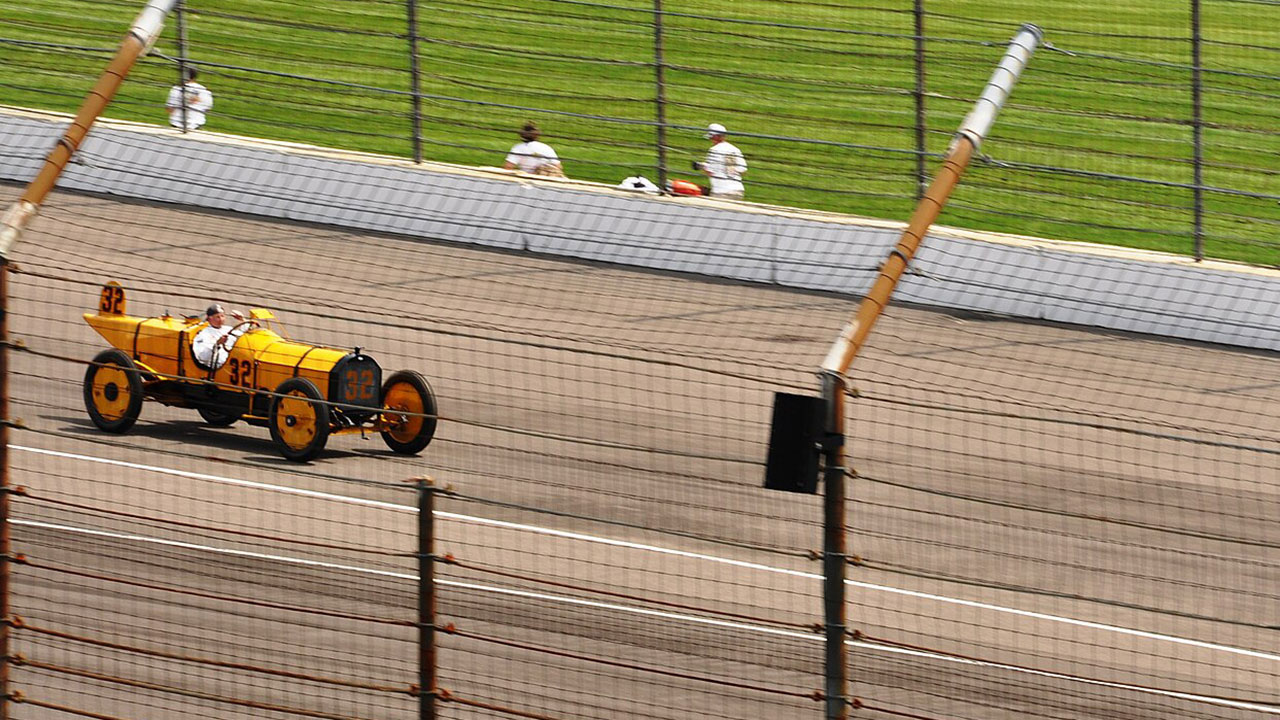
The Indianapolis 500 is a legendary event in the world of motorsports, showcasing some of the most innovative and iconic race cars in history. From the early days of the race to the modern era, each winning car has left a unique mark on the sport. Here, we explore twelve of the most memorable Indy 500 winning cars that have captivated fans and made history on the track.
Marmon Wasp (1911)

The Marmon Wasp is renowned for being the first winner of the Indianapolis 500 in 1911. Driven by Ray Harroun, this car was revolutionary for its time, featuring a single-seat design and the first known use of a rearview mirror. The Wasp’s innovative approach to racing design set a precedent for future race cars, emphasizing the importance of aerodynamics and driver visibility.
Harroun’s victory in the Marmon Wasp was not only a testament to his driving skill but also to the engineering prowess behind the car. The Wasp’s distinctive yellow and black paint scheme and its pioneering technology have made it an enduring symbol of the race’s rich history.
Boyle Special (1939)

The Boyle Special, driven by Wilbur Shaw, claimed victory at the Indianapolis 500 in 1939. This car was a Maserati 8CTF, and its success marked the first win for an Italian manufacturer at the event. Shaw’s triumph in the Boyle Special was a significant achievement, as he managed to defend his title the following year, making him one of the few drivers to win back-to-back races.
The Boyle Special’s performance was a testament to the engineering excellence of Maserati, and its victories helped solidify the brand’s reputation in the world of motorsports. The car’s sleek design and powerful engine made it a formidable competitor on the track.
Novi Governor Special (1946)
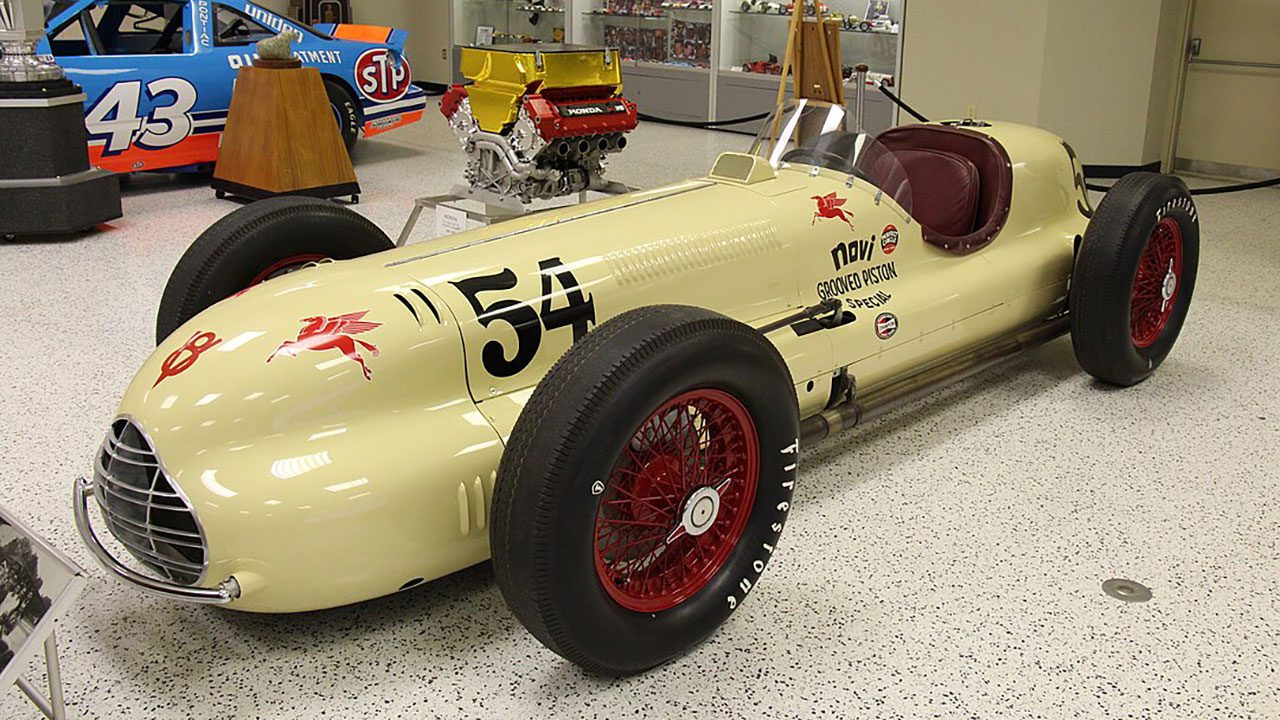
The Novi Governor Special made a lasting impression at the Indianapolis 500 with its powerful engine and unique design. Although it did not win the race, its presence in 1946 was notable for its supercharged V8 engine, which produced an impressive amount of horsepower for its time. The Novi’s distinctive sound and speed made it a fan favorite, despite its lack of a victory.
Driven by Ralph Hepburn, the Novi Governor Special showcased the potential of high-performance engineering in racing. Its legacy continues to be celebrated by enthusiasts who appreciate its contribution to the evolution of race car technology.
Belond Exhaust Special (1957)
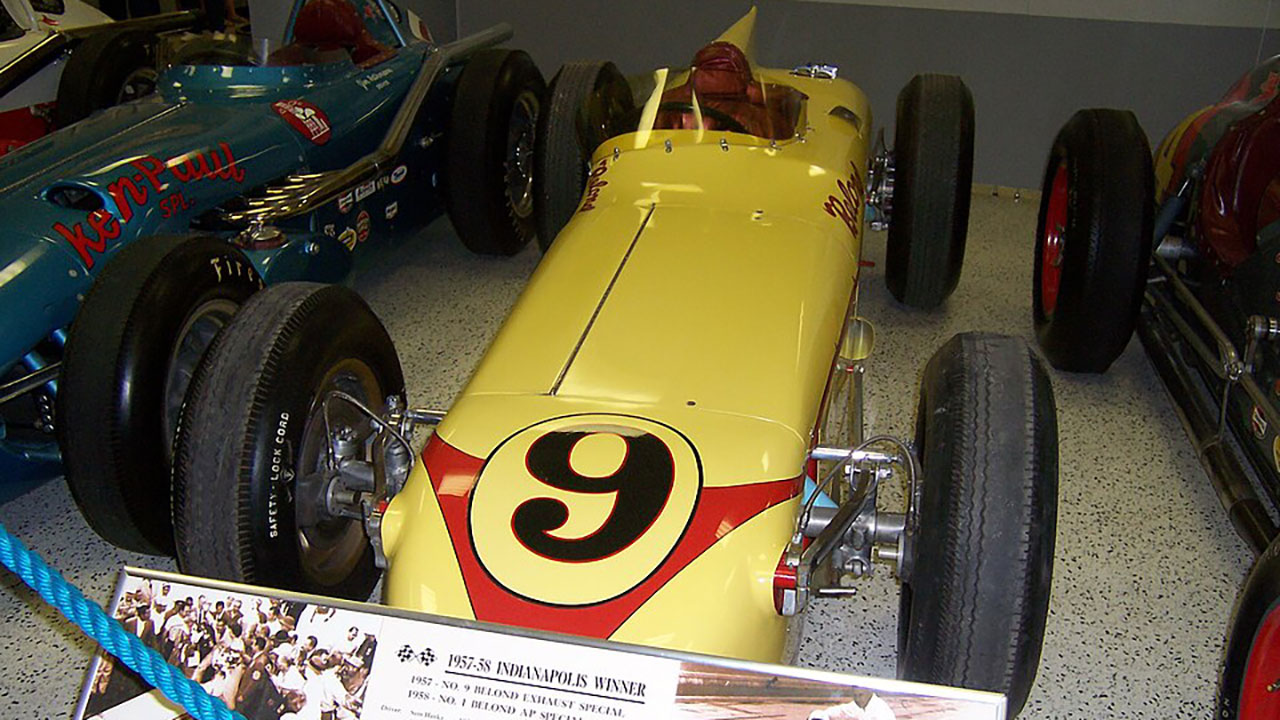
The Belond Exhaust Special, driven by Sam Hanks, won the Indianapolis 500 in 1957. This car was notable for its innovative use of tuned exhaust headers, which enhanced its performance and efficiency. The Belond Exhaust Special’s victory was a testament to the importance of engineering advancements in achieving success on the track.
Hanks’ win in the Belond Exhaust Special was a crowning achievement in his racing career, as he retired from racing immediately after the victory. The car’s success highlighted the impact of technological innovation in motorsports, paving the way for future developments.
Lotus 38 (1965)
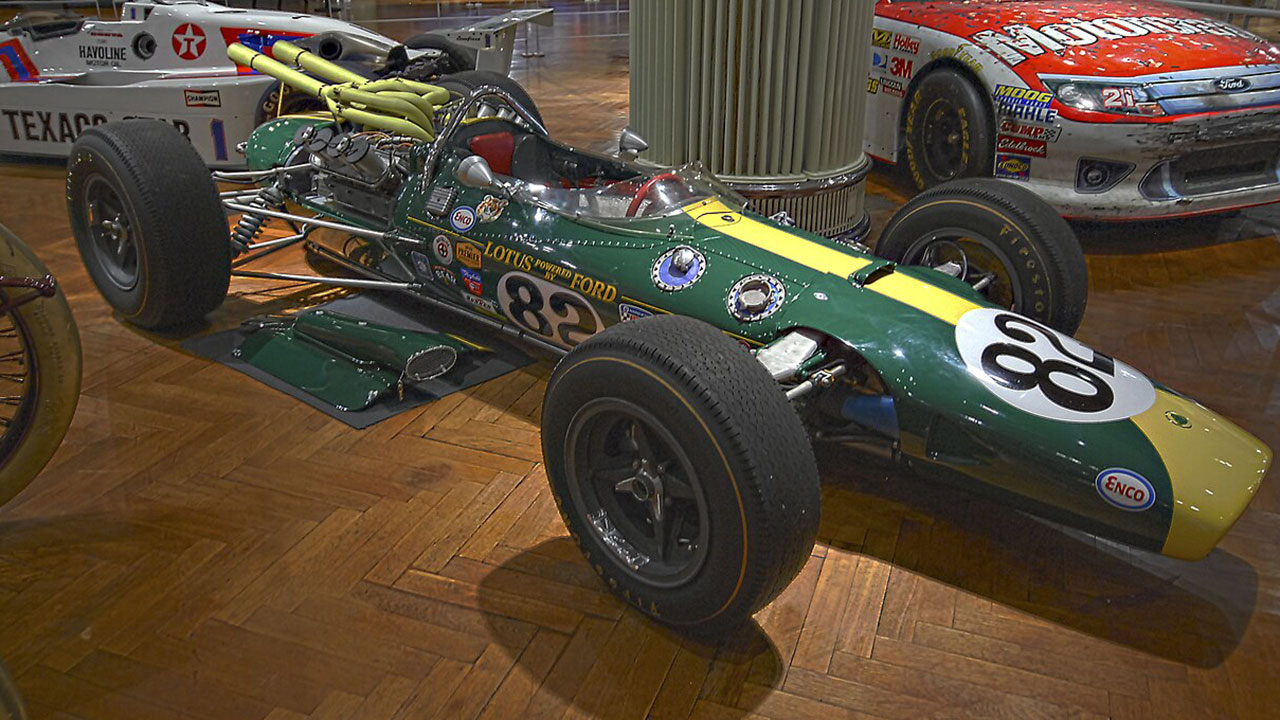
The Lotus 38, driven by Jim Clark, was a groundbreaking car that won the Indianapolis 500 in 1965. This car was the first rear-engine vehicle to win the race, marking a significant shift in race car design. The Lotus 38’s success demonstrated the advantages of a rear-engine layout, which would become the standard in IndyCar racing.
Clark’s victory in the Lotus 38 was a historic moment, as it was the first win for a British driver at the Indianapolis 500. The car’s innovative design and engineering excellence made it a pivotal model in the evolution of race cars.
McLaren M16 (1974)
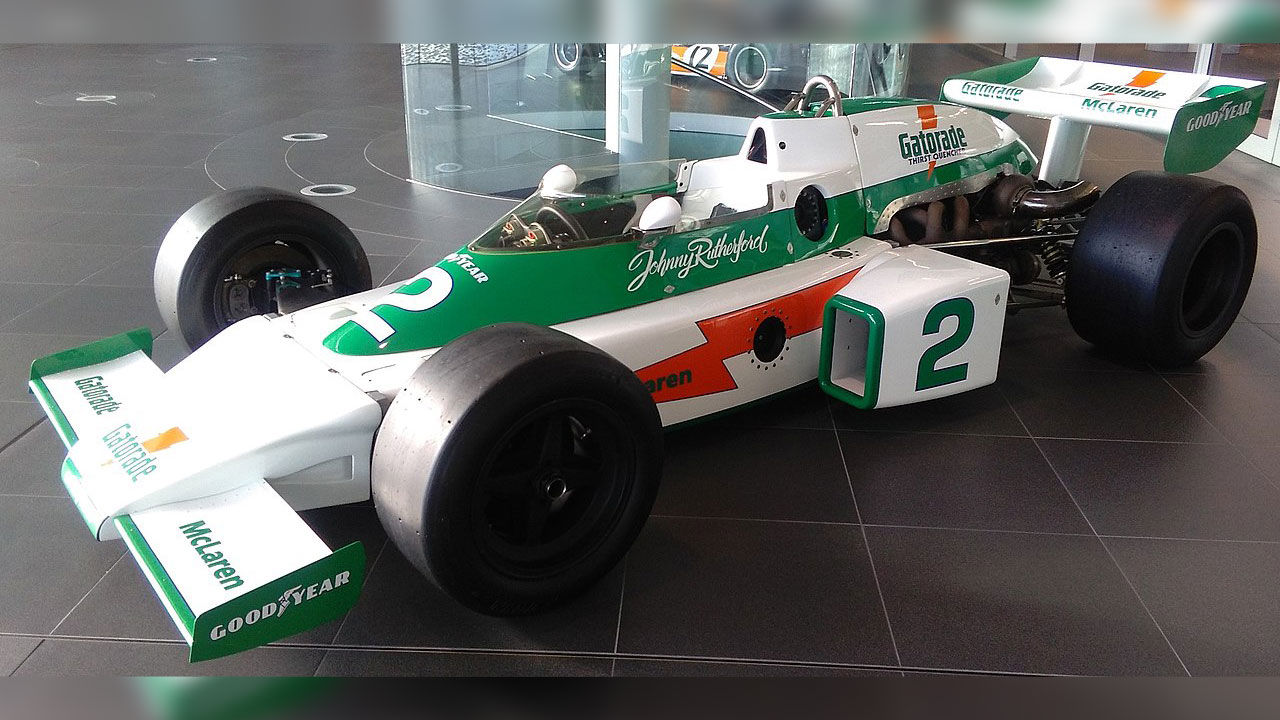
The McLaren M16, driven by Johnny Rutherford, secured victory at the Indianapolis 500 in 1974. This car was known for its advanced aerodynamics and engineering, which helped it dominate the competition. The M16’s success at the Indy 500 was a testament to McLaren’s commitment to innovation and performance.
Rutherford’s win in the McLaren M16 was a significant achievement, as it marked the beginning of a successful era for McLaren in American open-wheel racing. The car’s design and performance set new standards for competitors, influencing the future of race car development.
Penske PC-23 (1994)
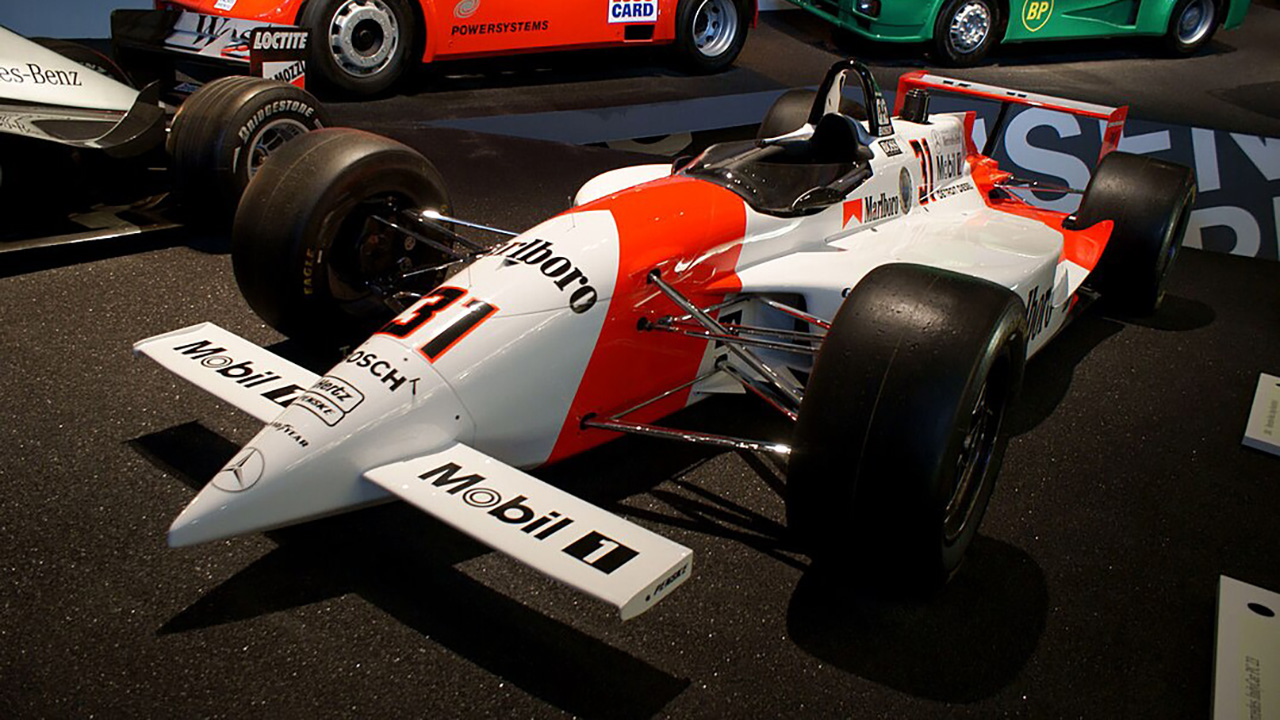
The Penske PC-23, driven by Al Unser Jr., was a dominant force at the Indianapolis 500 in 1994. This car featured the powerful Ilmor-Mercedes-Benz 500I engine, which gave it a significant advantage over its competitors. The PC-23’s performance was a testament to the engineering excellence of Team Penske and its partners.
Unser Jr.’s victory in the Penske PC-23 was a highlight of his career, as he managed to outpace the competition with the car’s superior speed and handling. The PC-23’s success solidified Team Penske’s reputation as a powerhouse in IndyCar racing.
Reynard 96I (1996)
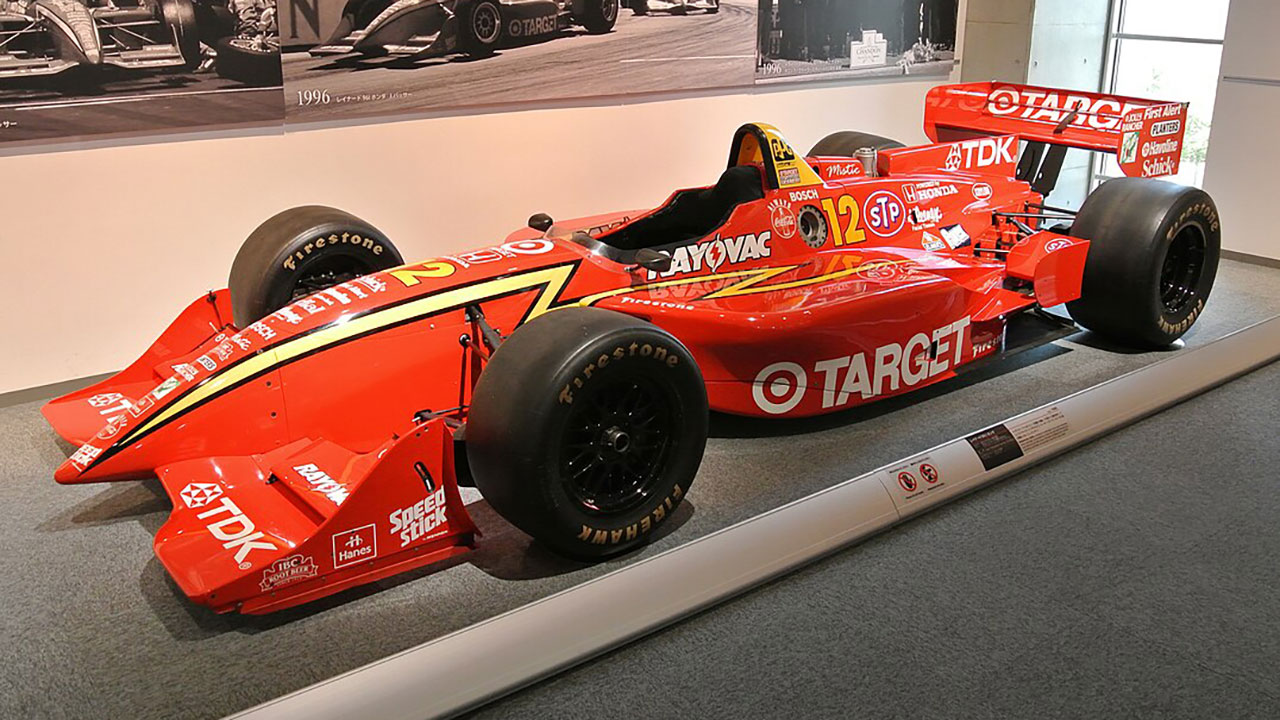
The Reynard 96I, driven by Buddy Lazier, won the Indianapolis 500 in 1996. This car was known for its balanced design and reliable performance, which helped Lazier secure a memorable victory. The Reynard 96I’s success was a testament to the quality and competitiveness of Reynard’s engineering.
Lazier’s win in the Reynard 96I was a remarkable achievement, as he overcame significant challenges to claim victory. The car’s performance on the track demonstrated the importance of reliability and precision in achieving success at the Indy 500.
Dallara IR-05 (2008)
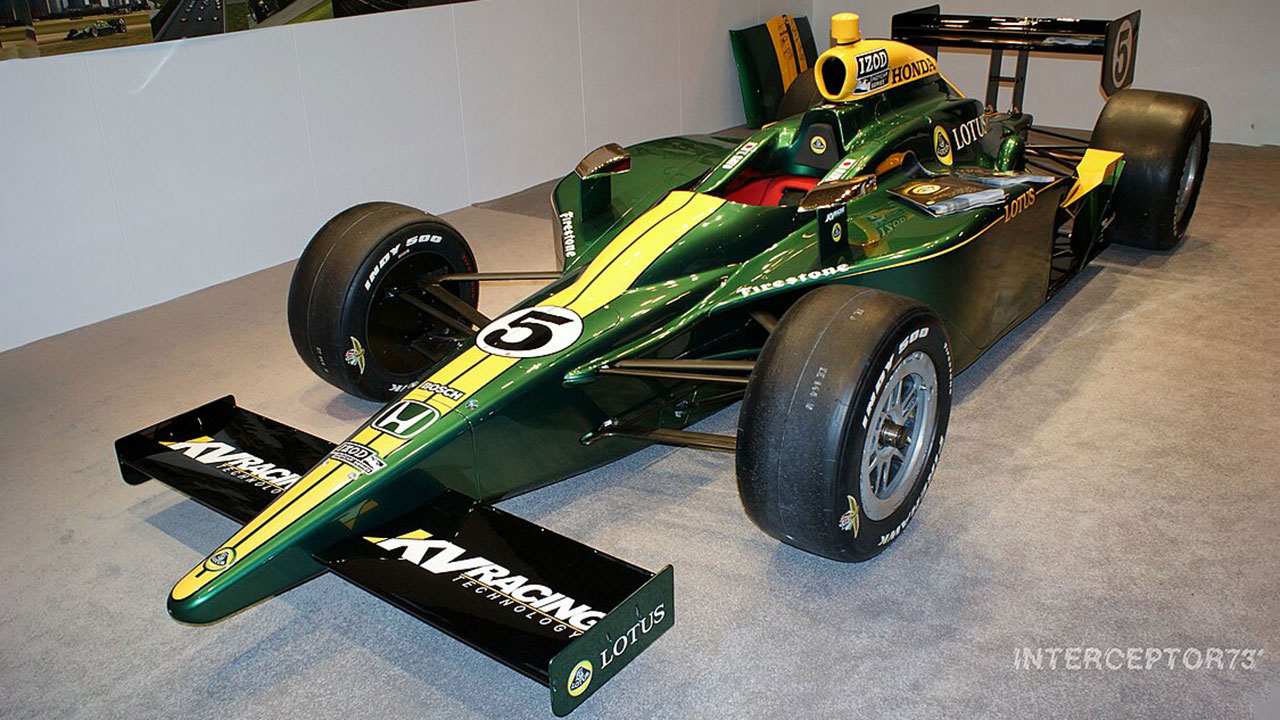
The Dallara IR-05, driven by Scott Dixon, claimed victory at the Indianapolis 500 in 2008. This car was part of a new generation of IndyCars that emphasized safety and performance. The IR-05’s design incorporated advanced materials and technology to enhance its competitiveness on the track.
Dixon’s win in the Dallara IR-05 was a significant milestone in his career, as he showcased his skill and determination in a highly competitive field. The car’s success highlighted the ongoing evolution of race car design and engineering in the modern era.
Dallara DW12 (2012)
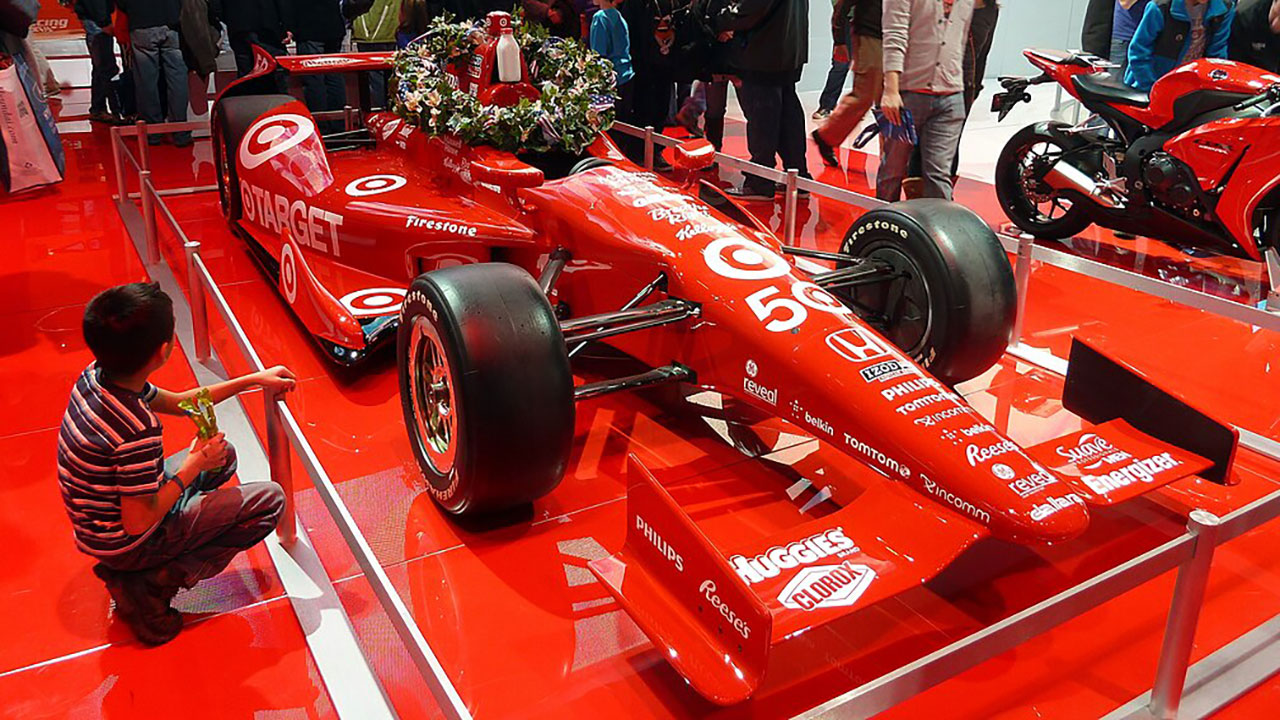
The Dallara DW12, driven by Dario Franchitti, won the Indianapolis 500 in 2012. This car was introduced as a new standard for IndyCar racing, featuring improved safety features and aerodynamic efficiency. The DW12’s design was a response to the need for enhanced driver protection and performance.
Franchitti’s victory in the Dallara DW12 was a testament to his skill and the car’s capabilities. The DW12’s success marked a new era in IndyCar racing, with its design influencing future developments in race car technology.
Andretti Autosport DW12 (2014)
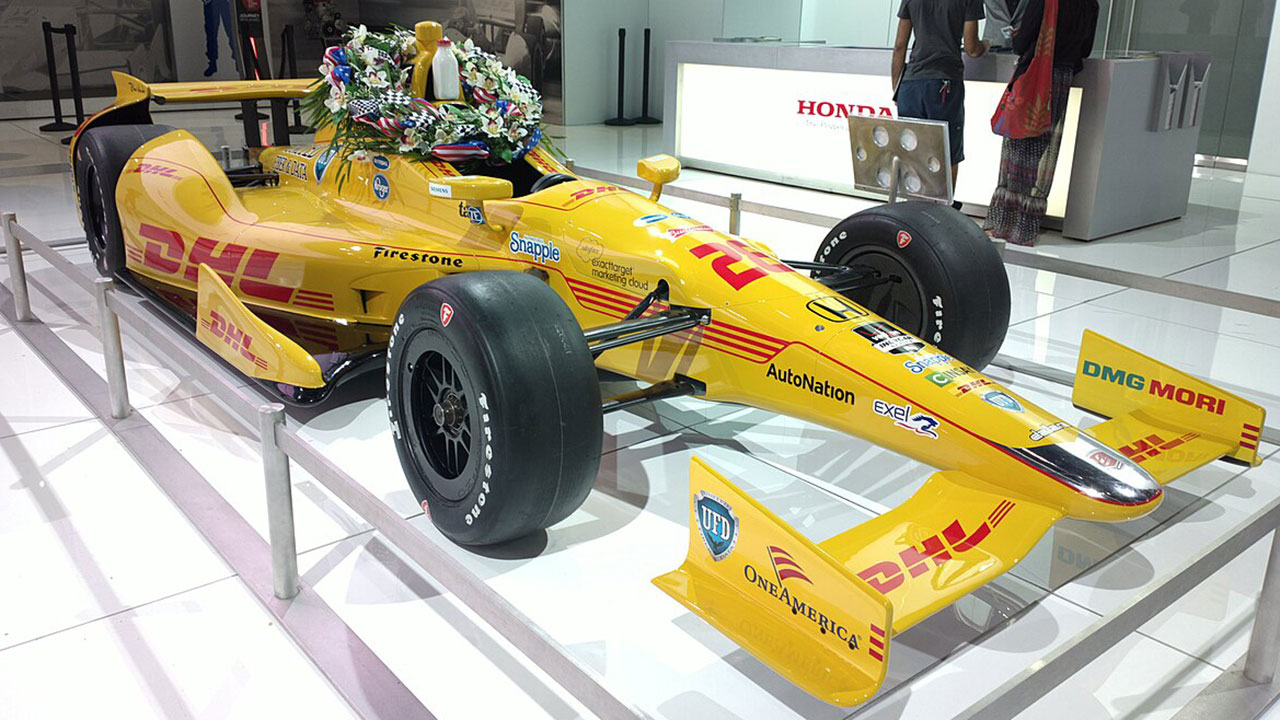
The Andretti Autosport DW12, driven by Ryan Hunter-Reay, claimed victory at the Indianapolis 500 in 2014. This car was part of the ongoing evolution of the DW12 platform, with enhancements that improved its competitiveness and performance. Hunter-Reay’s win was a significant achievement for Andretti Autosport, showcasing their commitment to excellence in racing.
The Andretti Autosport DW12’s success highlighted the importance of teamwork and innovation in achieving victory at the Indy 500. The car’s performance demonstrated the potential of the DW12 platform in the hands of skilled drivers and teams.
Team Penske Chevrolet (2019)
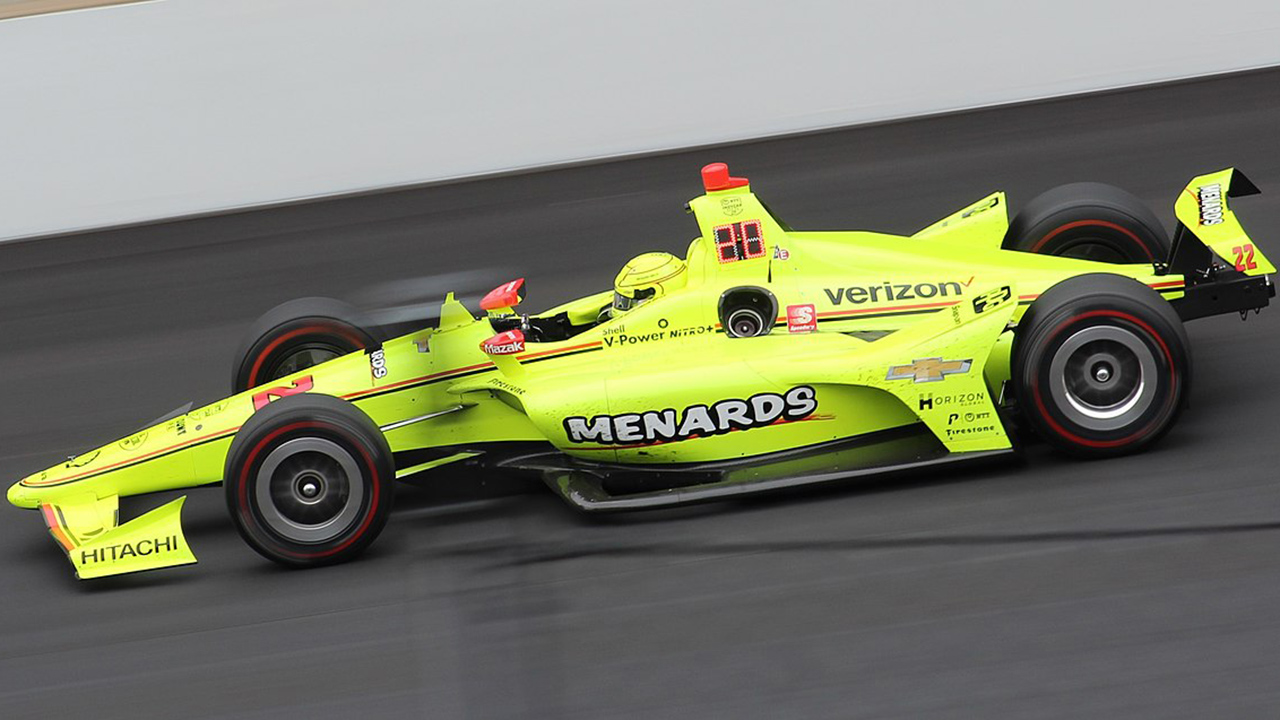
The Team Penske Chevrolet, driven by Simon Pagenaud, won the Indianapolis 500 in 2019. This car was a testament to the engineering excellence and strategic prowess of Team Penske. Pagenaud’s victory was a highlight of his career, as he delivered a masterful performance on the track.
The Team Penske Chevrolet’s success at the Indy 500 underscored the team’s reputation as a dominant force in motorsports. The car’s design and performance were a reflection of the continuous innovation and dedication to excellence that define Team Penske’s approach to racing.
Like Fast Lane Only’s content? Be sure to follow us.
Here’s more from us:
*Created with AI assistance and editor review.