The 1954 Mercury Monterey was a pivotal model in the automotive industry, marked by its distinct design and technological innovations. Despite its advancements, the Monterey stirred anxiety within the Ford Motor Company, highlighting internal tensions and market challenges. The reasons behind Ford’s unease and the lasting impact of the 1954 Mercury Monterey are worth exploring in the context of automotive history.
Design and Innovation
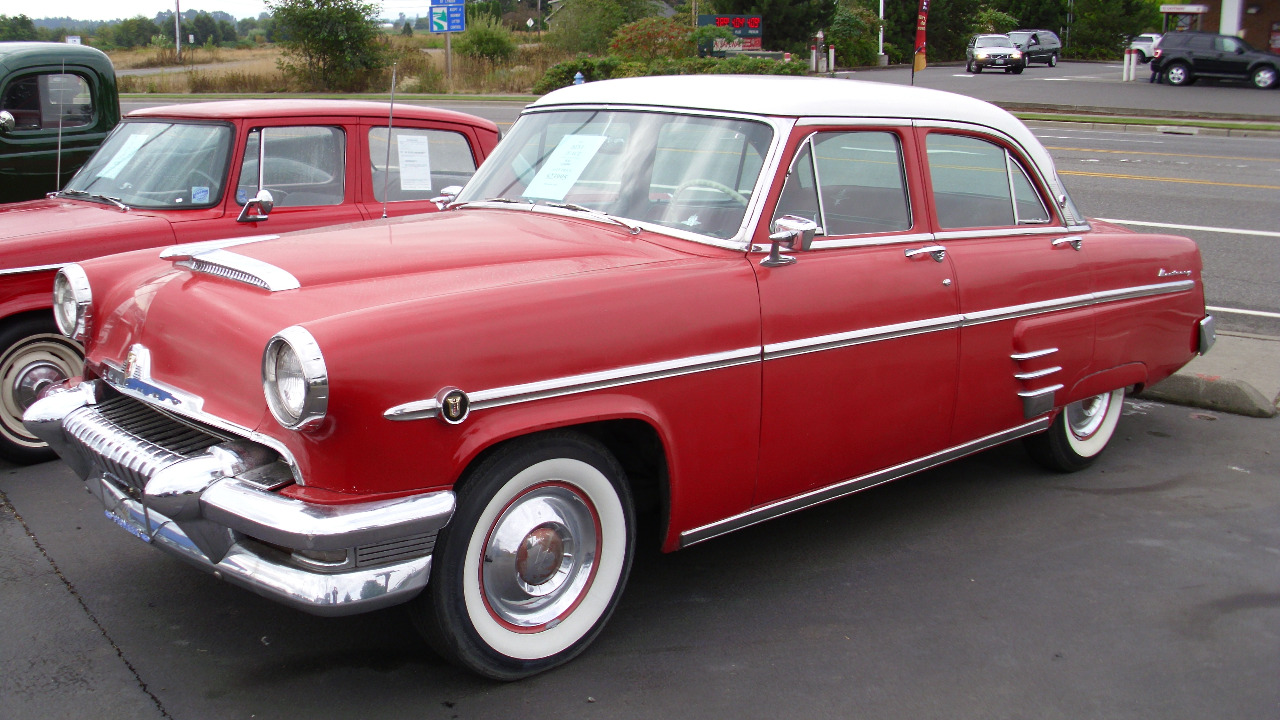
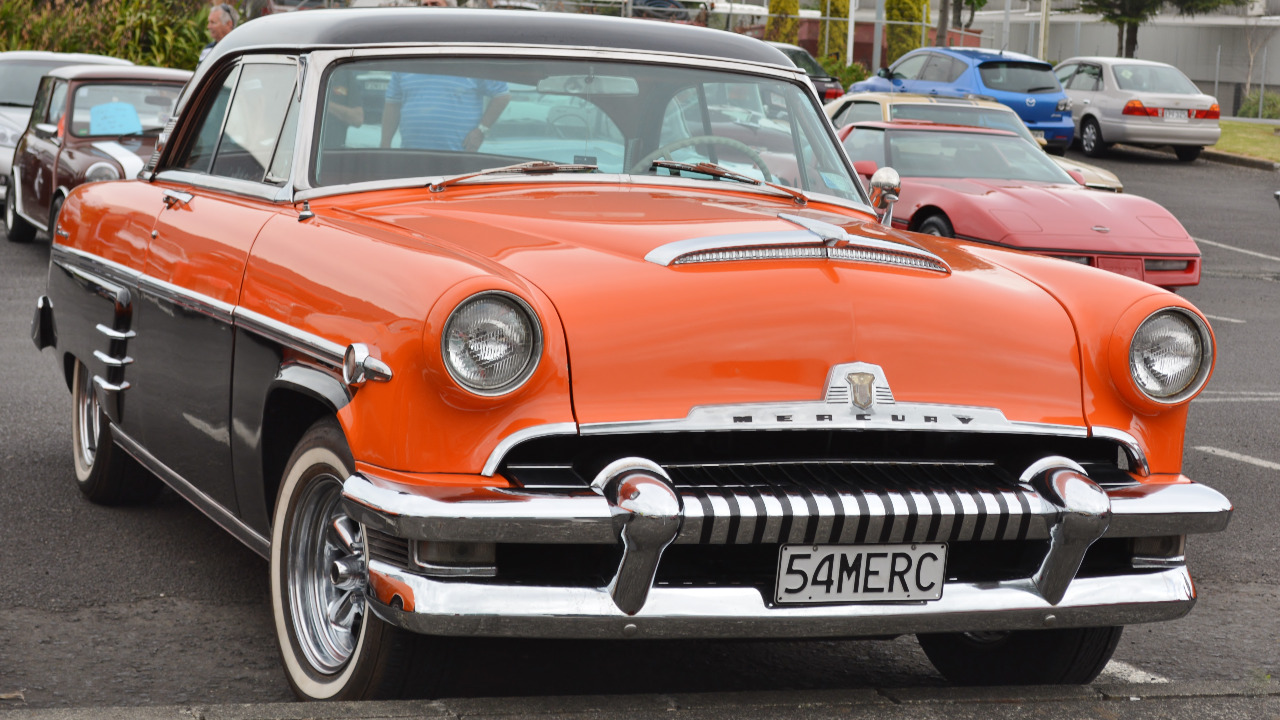
The 1954 Mercury Monterey stood out in the crowded field of mid-20th-century automobiles with its distinct aesthetic appeal. The sleek lines of the Monterey, combined with its bold grille design, set it apart from its contemporaries. The car’s design was a testament to the era’s fascination with the burgeoning space age, reflected in the streamlined shapes and chrome accents that adorned its frame. The Monterey not only embraced the era’s design ethos but also pushed the boundaries, defining a new standard for elegance and sophistication in mid-tier automobiles.
Technologically, the Monterey was ahead of its time. It introduced the new overhead-valve V8 engine, a significant upgrade over the flathead V8s that were common at the time. This engine not only offered greater power and efficiency but also set a precedent for the industry in terms of performance expectations. The introduction of power brakes and a four-way power seat added to its allure, making it a symbol of luxury and innovation. These advancements were well-received by the industry and consumers alike, who saw the Monterey as a harbinger of future automotive trends.
Consumer reception was generally positive, with many praising the car’s combination of style and substance. The innovations and aesthetic appeal of the Monterey influenced public perception, positioning it as a desirable choice for those looking to make a statement. However, the very features that enthralled consumers also sowed seeds of concern within Ford, primarily because of the internal competition it posed.
Internal Tensions at Ford

Ford’s apprehension over the Monterey was rooted in market positioning concerns. The company had to carefully consider where the Monterey fit within its broader product lineup. Positioned between Ford’s mainstream models and its more luxurious Lincoln offerings, the Monterey needed to carve out a niche without cannibalizing sales from its stablemates. This delicate balancing act led to strategic uncertainties that made Ford executives nervous about the model’s potential impact on the brand’s hierarchy.
The Monterey’s features and price point brought it into direct competition with other models in Ford’s lineup, leading to internal friction. It was perceived as an intruder that might siphon sales from established models like the Ford Crestline or even the Lincoln Capri. This internal competition was exacerbated by differing visions within Ford’s leadership regarding the company’s future direction. Some executives saw the Monterey as a necessary evolution, while others viewed it as a risky venture that could undermine the brand’s core offerings.
Leadership and vision at Ford were at odds, with debates centering on whether the Monterey represented the right step forward. The car became a focal point for these discussions, symbolizing the broader struggle within the company to adapt to changing consumer preferences and technological advancements. The tensions surrounding the Monterey highlighted the challenges of innovation within a large corporation, where differing priorities and visions can lead to internal discord.
Market Impact and Legacy
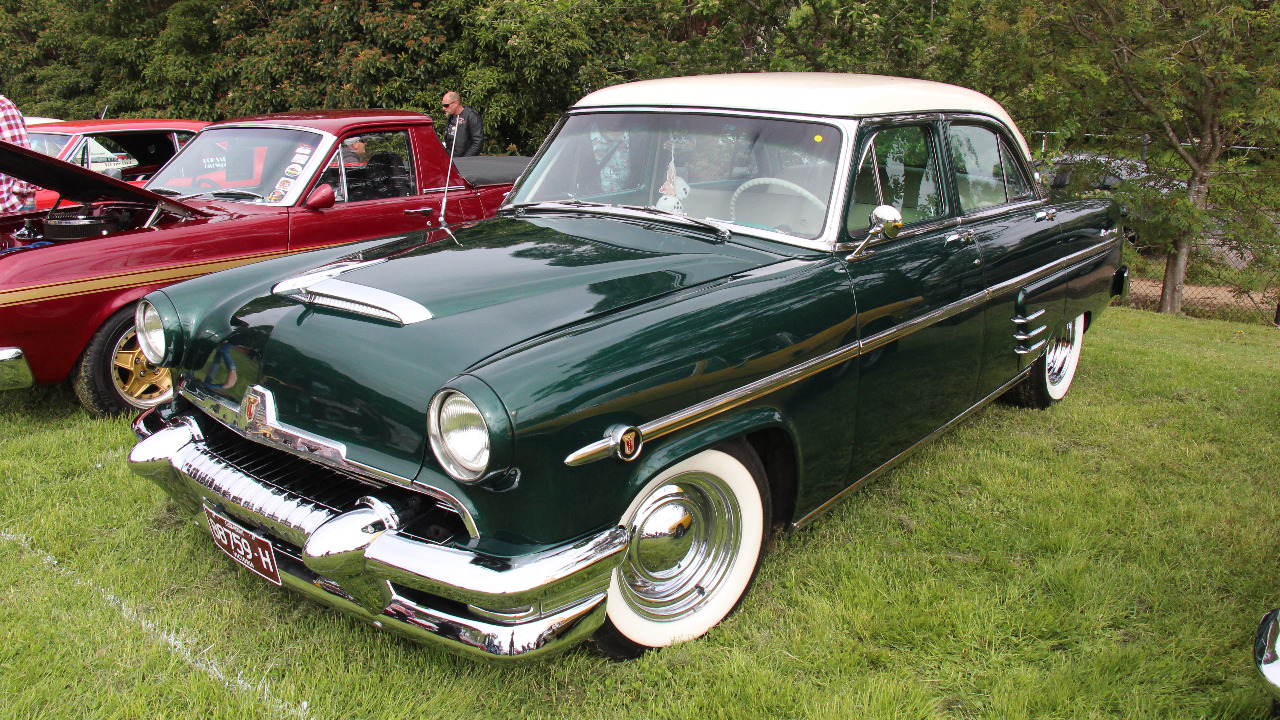
The sales performance of the 1954 Mercury Monterey was a mixed bag. While it did not achieve the blockbuster success some at Ford had hoped for, it performed respectably given its positioning and the market conditions of the time. The sales figures reflected a modest success, indicating that the Monterey had found its audience despite the internal and external challenges it faced.
The influence of the Monterey extended beyond its immediate sales impact. It left a lasting imprint on subsequent designs and engineering choices within Ford and the broader auto industry. The innovations introduced in the Monterey, particularly the overhead-valve V8 engine, became standard in later models, shaping the future of automotive design and engineering. The Monterey’s legacy is one of progress and adaptation, illustrating the industry’s capacity for evolution in response to new demands and opportunities.
Culturally and historically, the Monterey holds a significant place in automotive history. It represents a moment of transition in the mid-20th century when car manufacturers began to embrace new technologies and design philosophies. The Monterey’s role in shaping consumer preferences cannot be overstated, as it influenced the direction of automotive design for years to come.
Challenges in Production and Marketing
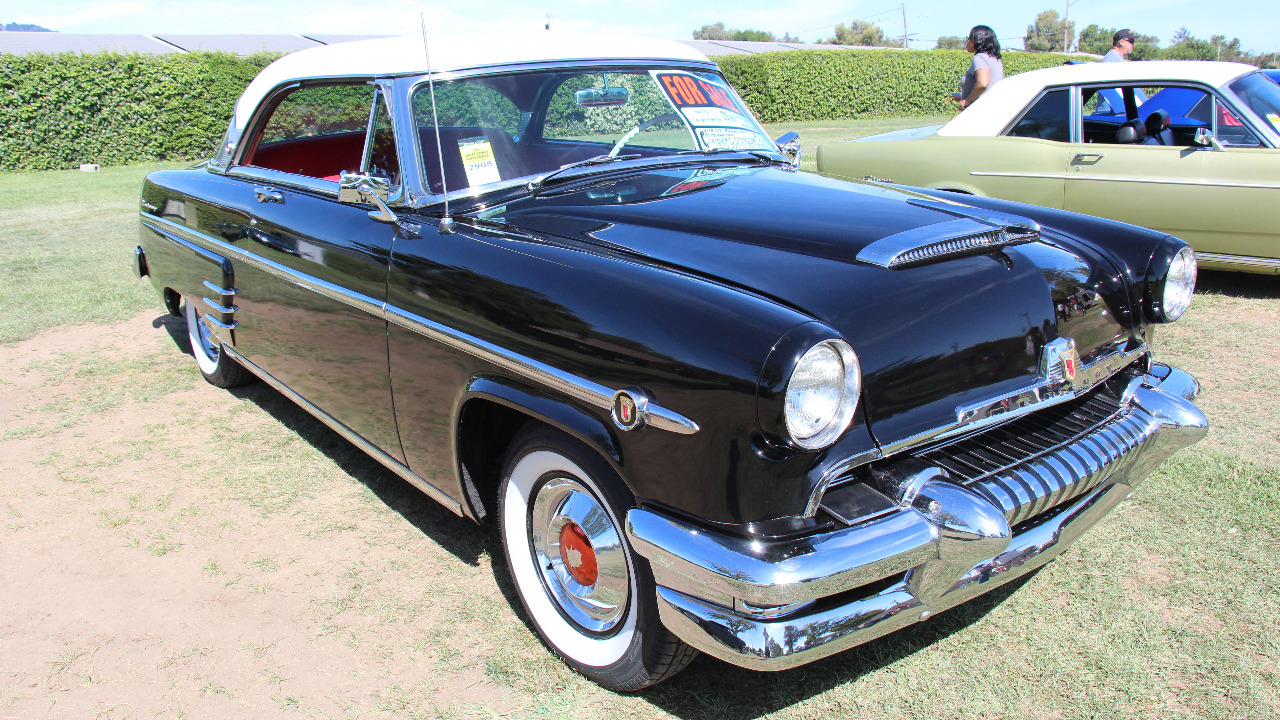
The rollout of the 1954 Mercury Monterey was not without its challenges. The production process faced several obstacles, including supply chain difficulties and assembly line issues. These challenges were indicative of the broader complexities involved in introducing a new model with cutting-edge features. The production hurdles underscored the risks inherent in innovation, as manufacturers had to navigate the intricacies of integrating new technologies into mass production.
Marketing strategies for the Monterey were crafted to position the car as a desirable and innovative choice, helping to mitigate some of Ford’s internal apprehensions. Advertisements highlighted the car’s advanced features and stylish design, appealing to consumers’ desire for a modern and sophisticated vehicle. These marketing efforts were crucial in shaping public perception and driving consumer interest, demonstrating the power of effective branding and communication in the automotive industry.
Feedback from dealers and consumers played a significant role in Ford’s future strategies. Dealers provided valuable insights into consumer preferences and market trends, which informed Ford’s production and marketing decisions. The feedback loop between dealers, consumers, and the manufacturer was instrumental in guiding Ford’s approach to innovation and adaptation in a competitive market.
The 1954 Mercury Monterey’s Enduring Mystique

Today, the 1954 Mercury Monterey remains a sought-after model among collectors and automobile enthusiasts. Its unique combination of design, innovation, and historical significance makes it a prized addition to any collection. The Monterey’s enduring appeal is a testament to its impact on the automotive world and its continued relevance in discussions of design and engineering excellence.
The nostalgia and restoration community that surrounds the Monterey is a vibrant testament to its lasting allure. Enthusiasts dedicated to preserving and restoring these classic cars keep the spirit of the Monterey alive, celebrating its legacy and ensuring its continued influence on the automotive landscape. The restoration efforts reflect a broader appreciation for the craftsmanship and innovation that defined mid-20th-century automobiles.
Modern-day reflections on the Monterey reveal the lasting lessons it offers the automotive industry. The challenges and successes associated with the model continue to resonate, informing current practices and innovations. The Monterey’s story is one of bold vision, technological advancement, and the complexities of navigating change within a large corporation, offering valuable insights for today’s automotive leaders.
Like Fast Lane Only’s content? Be sure to follow us.
Here’s more from us:
- All New Trans Am: 10 Things You Need to Know
- The Fastest Farm Truck Ever Built
*Created with AI assistance and editor review.