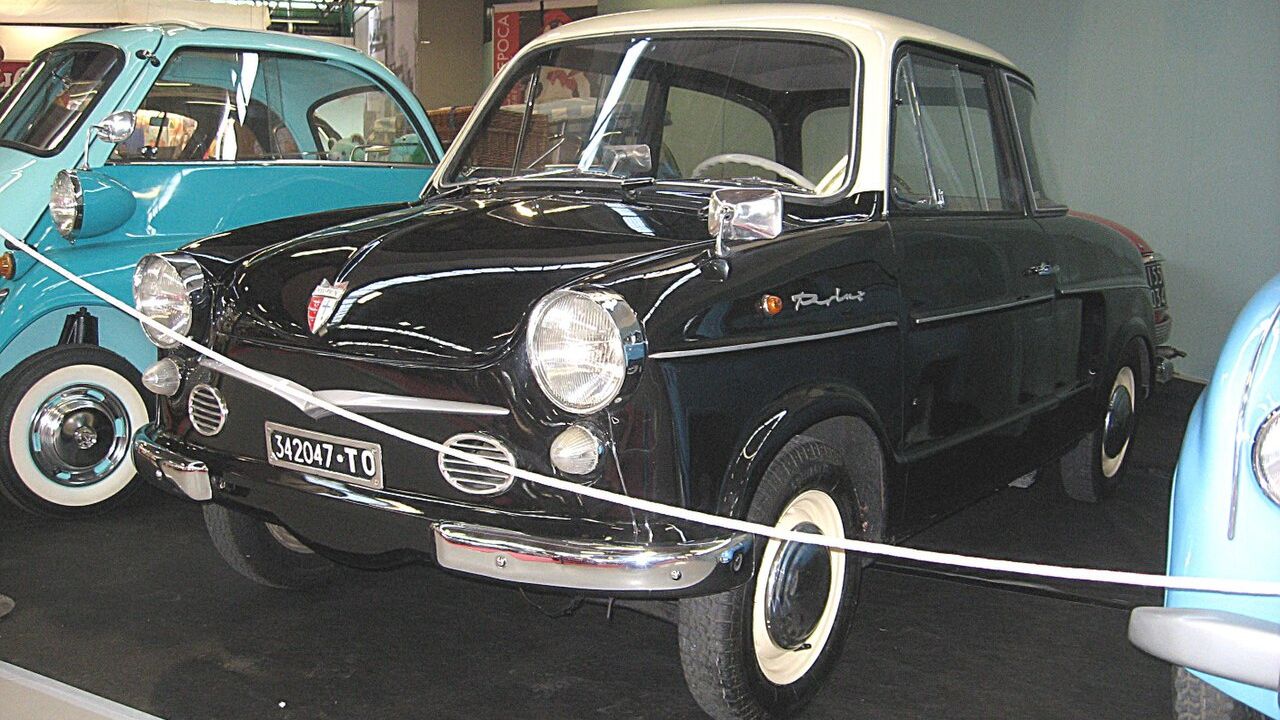
The 1958 NSU Prinz arrived as a tiny German city car with a motorcycle heart and a very pragmatic brief. Yet its stripped-back engineering, from an air-cooled twin in the tail to skinny tires and simple hydraulic brakes, shows how minimal hardware can still create a distinctive driving experience. In an era of software-packed crossovers, the Prinz demonstrates that clarity of purpose and clever packaging can be just as engaging as complexity.
A motorcycle maker’s small car gamble
NSU was already a seasoned motorcycle producer and a well-established German manufacturer long before the Prinz appeared. The company built large racing machines before the Second World War, then leaned on two-wheelers again when Car production stopped in the late 1920s and the firm focused on bikes. Although the factories were heavily damaged during the conflict, NSU rebuilt and by the mid-fifties wanted to return to cars with something compact, efficient, and affordable for a Europe that was still recovering.
The answer was the NSU Prinz, a small rear-engined saloon that drew directly from the company’s motorcycle expertise. Contemporary accounts describe it as a Lesser, Known German, a car that never reached the fame of domestic rivals but carried a very specific engineering philosophy. NSU, as a German brand with deep two-wheeled roots, approached the project like an enlarged bike: low weight, modest power, and an emphasis on mechanical simplicity rather than luxury.
This approach made the Prinz stand out even among other micro and city cars of its time. While some competitors leaned on quirky styling or unusual layouts to grab attention, NSU concentrated on getting a conventional-looking but very small sedan to work with minimal parts. The result was a car that looked almost ordinary at a glance yet revealed a surprisingly thoughtful design once the rear lid was lifted or the doors opened wide.
The tiny engine that defined the car
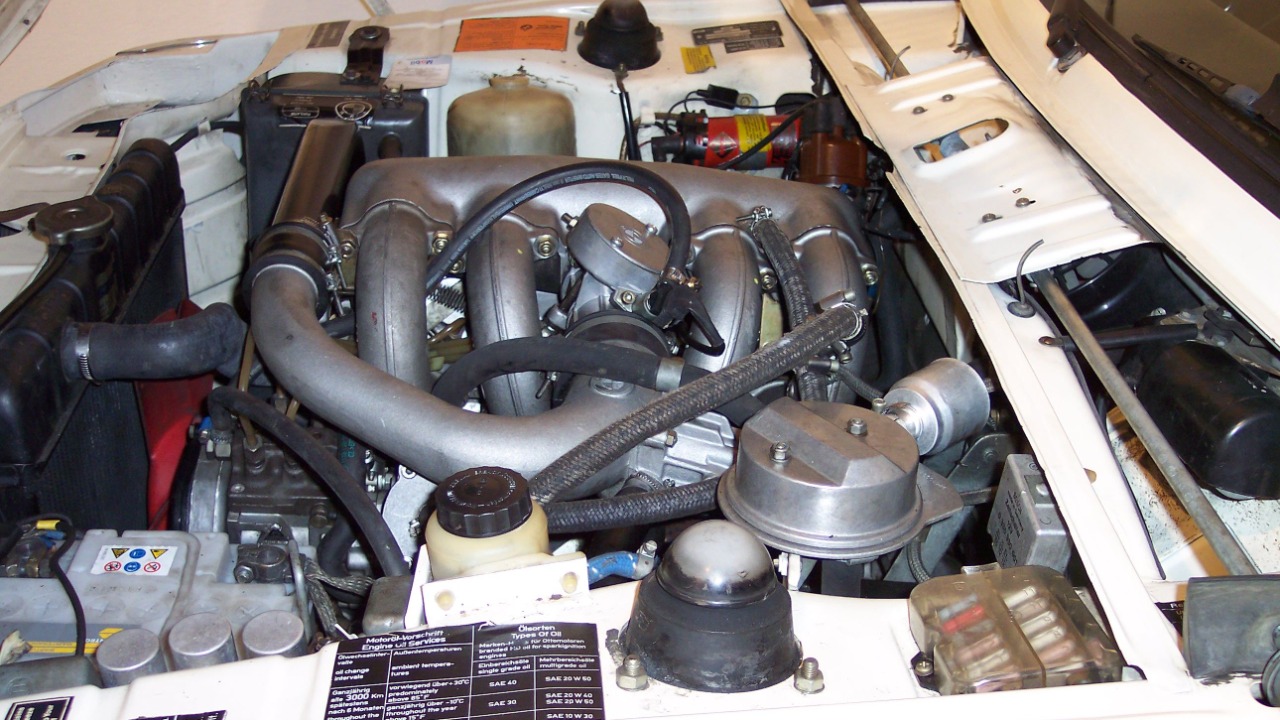
At the core of the Prinz story is its air-cooled twin-cylinder engine. The first versions used a motorcycle-derived unit that set the template for later models. The basic layout placed the noisy two-cylinder 600 cc engine at the back, driving the rear wheels with 20 PS, listed as 14.7 k and 19.7 hp in period specifications. That compact powerplant was simple to service, relatively light, and made the most of the company’s existing knowledge of small-displacement motors.
The engine architecture evolved over time, but the fundamental idea did not change. Later four-cylinder Prinz variants kept the clutch and blower unit at the left end of the crankshaft, sending power through a pair of helical gears in a layout described in detail by enthusiasts of the Automotive History of the car. That decision kept the drivetrain compact and easy to package in the tail, again prioritizing simplicity and space efficiency over outright performance.
The early twin was not just tidy on paper. Owners recall that the car would go 60 miles an hour and achieve an impressive 60 miles per gallon of gas in gentle use, a figure that sounds almost implausible for a boxy little saloon of the period. A separate account of a similar NSU city car from Dec mentions 60 miles per gallon in city driving, a reminder that the company’s focus on low weight and careful gearing had real-world benefits. In an age when efficiency was achieved with carburetors, basic ignition, and mechanical fuel pumps, that kind of economy came directly from the underlying engineering discipline.
The same discipline also shaped the driving experience. The engine note at highway speeds was described as incredibly noisy, a constant reminder that the powerplant sat just behind the rear seats with minimal sound insulation. Yet the car’s willingness to maintain 60 miles on modest power and sip fuel at 60 miles per gallon gave it a character that modern small cars, dulled by thick insulation and heavy safety structures, rarely match. The Prinz made its mechanical effort audible and tangible, which is part of why it still fascinates enthusiasts.
Packaging simplicity: rear engine, rear drive
The decision to place the engine at the back between the driven wheels did more than save space. By locating the power unit between the rear wheels, the Prinz gained excellent traction in poor conditions. Reports from owners in snowbound regions point out that the layout gave the car real winter capability, something that surprised drivers who expected the tiny sedan to struggle. One detailed feature on Prinz ownership notes that The NSU handled snow better than its size suggested precisely because the engine sat between the driven rear wheels.
The rear engine also freed up the nose for luggage and created a surprisingly airy cabin. The NSU Prinz 30 variant, for example, used doors that opened wide enough to permit reasonable access even to the rear seats, although leg room in the back was severely restricted. That trade-off reflected a clear set of priorities: make the car as short as possible for city use, then carve out just enough space for four occupants rather than stretching the wheelbase and complicating the suspension.
Underneath, the hardware remained refreshingly straightforward. Period brochures for the 1958 car specify WHEELS described as Disc wheels with chrome plated hub caps and Tire dimensions of 4.40X12. The BRAKES were listed as Four wheel hydraulic brakes with Total brake lining area set out for buyers who cared about stopping power. Those details, preserved in an original Auto Catalog Archive sheet, show how NSU leaned on known components rather than experimental technology.
There were no exotic alloys or complex servo systems, just small-diameter steel wheels, narrow tires that cut through water and snow, and a conventional hydraulic brake system that any competent mechanic could understand. That lack of complication did not make the car dull. On the contrary, it meant that every input from the driver went straight through to the road with little filtering. Steering effort, brake feel, and throttle response all reflected the basic mechanical connection between person and machine.
From Frankfurt show stand to Italian styled coupe
The Prinz story did not end with the first sedan. The Prinz lineage traces its ORIGINS AND EVOLUTION back to the NSU Prinz I, which made its debut at the Frankfurt Motor Show and then expanded into a family of models with more power and sharper styling. The Prinz and later NSU derivatives grew in displacement and cylinder count, but they kept the same underlying recipe of compact packaging and modest weight.
One of the most intriguing offshoots was the Sport Prinz coupe. No car from Neckarsulm was ever more Italian in appearance, since NSU turned to an Italian design house to give the car a sleeker body. The first 250 complete cars were built on NSU’s behalf by the Italian firm, with production later moving in house once the shape had been established. That run of 250 early coupes, referenced in a period discussion of 1958 sport design, shows how a simple mechanical package could be dressed up as a stylish grand tourer without changing its core engineering.
Even in this more glamorous form, the mechanical layout remained recognizable. The rear engine, rear drive arrangement persisted, as did the focus on lightness and efficiency. The Sport Prinz did not suddenly become a high-performance sports car. Instead, it offered a different expression of the same simple hardware, proving that interesting engineering does not always require a new platform or a complex drivetrain. A change of bodywork and interior treatment was enough to create a distinct personality.
Later four-cylinder models such as the Prinz 1000 TT further demonstrated how far NSU could stretch the concept. A detailed profile of the compact powerhouse describes how the company increased displacement and output while keeping the basic packaging intact. The Prinz, in this form, became a lively small sedan with real motorsport potential, yet it still relied on an air-cooled engine, simple suspension, and straightforward brakes.
Driving character and owner memories
Contemporary owners and later collectors often describe the Prinz in terms that mix affection with respect. One driver, reflecting on their time with the car, remarked that if you could drive an NSU Prinz, you could drive anything. The point was not that the car was difficult in a hostile way, but that it demanded attention and skill from the person behind the wheel. With only modest power, a light rear end when unladen, and a noisy cabin at speed, the Prinz turned every journey into an active experience.
The noise at highway speeds, mentioned earlier, was a defining trait. The twin-cylinder beat at 60 miles per hour was ever-present, and the lack of heavy insulation meant that mechanical sounds, road roar, and wind all combined into a constant soundtrack. For some, that was a drawback. For enthusiasts, it was part of the appeal. They could hear and feel the 600 cc engine working, sense the shift in note as the clutch and blower unit spun up, and appreciate the directness of the helical gear drive described in detailed curbside photography and technical commentary.
Practicality, too, had its own character. The wide-opening doors made entry relatively easy, but the restricted leg room in the rear seats reminded passengers that this was fundamentally a city car. Luggage space was split between a small front compartment and odd-shaped areas around the engine bay. Yet the car’s tiny footprint made parking and maneuvering in tight European streets simple, and the excellent traction from the rear-mounted engine gave drivers confidence in wet or snowy conditions.
Collectors today often highlight how approachable the mechanicals remain. The WHEELS and Tire sizes are modest, so replacements are not exotic. The BRAKES use a Four wheel hydraulic layout with Total lining area that can be serviced with basic tools. The air-cooled engine eliminates radiators, hoses, and coolant leaks. For hobbyists who enjoy working on their own cars, the Prinz offers a rare combination: a historically interesting vehicle that does not require advanced diagnostic equipment or scarce electronic modules.
Why the Prinz still matters in a complex age
Viewed from the perspective of 2026, the 1958 NSU Prinz looks almost impossibly simple. Modern cars carry layers of software, multiple control units, and complex emissions hardware that did not exist when NSU engineers laid out the rear-engine platform. Yet the Prinz highlights several ideas that remain relevant.
First, it shows how a clear brief can lead to distinctive engineering. NSU wanted a small, efficient, affordable car that could be built with existing expertise. The company drew on its motorcycle background, used an air-cooled twin, kept the drivetrain compact, and accepted compromises such as cabin noise and limited rear leg room. The result was a car that did its intended job very well, even if it did not try to be all things to all drivers.
Second, the Prinz demonstrates that efficiency is not only a matter of advanced technology. Achieving 60 miles per gallon in real use required careful attention to weight, gearing, and aerodynamics, not software-controlled fuel injection or hybrid systems. While modern regulations and safety expectations make it impossible to recreate such a car directly, the underlying mindset of reducing mass and avoiding unnecessary complexity remains instructive.
More from Fast Lane Only