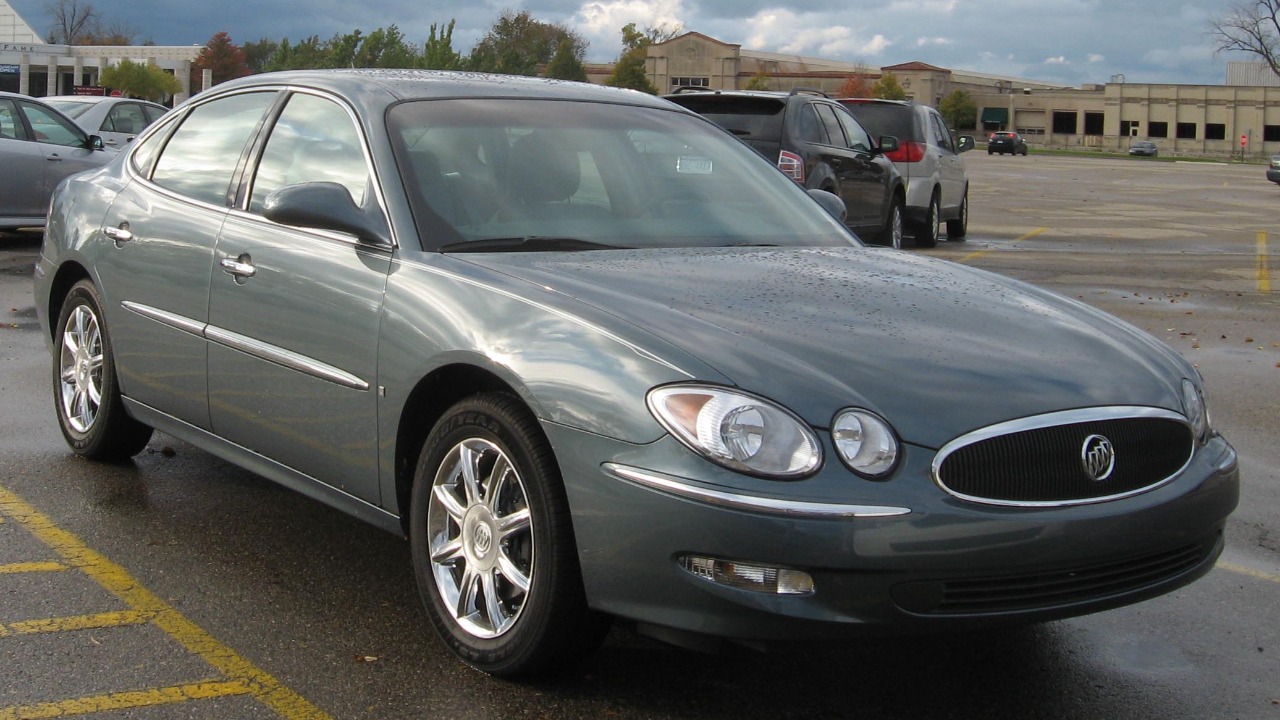
The 1965 Dodge Monaco arrived at a moment when American buyers were beginning to demand more than just raw performance or pure luxury. It offered both in one full-size package, blending upscale comfort with big V8 power in a way that helped redefine what a premium Dodge could be in the muscle era.
A New Kind of Full-Size Performance Luxury
When Dodge introduced the Monaco nameplate, it was aimed squarely at buyers who wanted something more refined than a standard family sedan but still powerful enough to feel exciting on the open road. The 1965 model especially marked a turning point, positioning itself as a near-luxury cruiser with genuine performance credentials.
The Dodge Monaco (1965) was built on a full-size platform that emphasized space, comfort, and presence. Wide proportions, long body lines, and a formal roofline gave it a more upscale look compared to many mid-market competitors. Yet beneath that calm exterior sat the kind of engineering that made Dodge a serious player in the horsepower wars.
This combination of refinement and performance created something unusual for its time: a car that could glide down highways like a luxury sedan but still respond with authority when the throttle opened.
Big-Block Power in a Refined Package
What truly set the Monaco apart was its available engine lineup. Dodge did not treat performance as an optional afterthought—it built it directly into the identity of the car. Buyers could equip the Monaco with strong V8 engines that transformed it from a comfortable cruiser into a confident highway performer.
The most defining versions used large-displacement V8 powerplants that delivered strong torque across the rev range. This meant the Monaco did not need to be revved hard to feel quick. Instead, it surged forward with effortless low-end power, making it ideal for both relaxed cruising and decisive acceleration.
Unlike smaller muscle cars that emphasized lightweight aggression, the Monaco’s character was rooted in smooth, continuous power delivery. It felt stable at high speeds and unshaken under load, reinforcing its image as a highway dominator rather than a stoplight racer.
That balance of strength and composure became one of its defining traits.
Styling That Balanced Elegance and Authority
The 1965 Monaco was designed to look more upscale than most Dodge models of the time, and its styling reflected that ambition. Clean body lines, restrained chrome accents, and a formal silhouette gave it a sense of maturity that separated it from more aggressive-looking performance cars.
At the same time, it did not hide its performance potential. Subtle badging, optional performance trims, and the car’s sheer size gave it a commanding presence on the road. It looked like a car that meant business without needing exaggerated styling cues.
This restrained design philosophy helped the Monaco appeal to a broader audience. It attracted buyers who wanted luxury but did not want to give up the emotional appeal of American V8 performance.
The Comfort Factor That Defined Long-Distance Driving
Inside, the Monaco leaned heavily toward comfort and convenience, especially by mid-1960s standards. Spacious seating, soft suspension tuning, and a quiet cabin made it feel more like a personal luxury cruiser than a traditional muscle car.
This comfort did not come at the expense of capability. Instead, it enhanced the car’s versatility. Long highway drives felt effortless, and the suspension absorbed imperfections in a way that made the Monaco suitable for both daily use and cross-country travel.
For many buyers, this was the key selling point. The Monaco was not just about acceleration—it was about endurance. It was a car you could live with every day while still enjoying strong V8 performance whenever needed.
Bridging the Gap Between Luxury and Muscle
The mid-1960s were a transitional period in American automotive culture. Buyers were no longer satisfied with choosing between comfort and performance—they wanted both. The Monaco became one of Dodge’s early answers to that shift.
It helped bridge the gap between traditional full-size luxury cars and the rising muscle car segment. While it was not a pure muscle car in the same sense as lighter, more aggressive coupes, it offered a different kind of performance identity: one based on torque, stability, and highway confidence.
This dual personality helped shape Dodge’s future performance strategy. It demonstrated that power did not have to come at the expense of refinement, and that luxury did not need to be slow or uninspiring.
A Platform That Influenced Later Dodge Performance
The philosophy behind the Monaco would influence Dodge’s later approach to performance and luxury integration. As the muscle car era matured, manufacturers increasingly experimented with combining comfort features with high-output engines.
The Monaco stood as an early example of this thinking. It showed that buyers responded positively to cars that could serve multiple roles without feeling compromised in either direction.
While later Dodge performance models would become more aggressive and focused, the idea of blending usability with power never disappeared. In many ways, the Monaco helped establish that balance as part of Dodge’s long-term identity.
Collector Perspective and Modern Appreciation
Today, the 1965 Dodge Monaco is appreciated more for its philosophy than its raw performance numbers. It represents a moment when American automakers were experimenting with the idea of the “premium performance cruiser,” a category that would later evolve in many directions.
Collectors value it for its size, presence, and the way it captures mid-1960s design thinking. It is not as widely celebrated as pure muscle icons, but it has a growing appreciation among enthusiasts who focus on full-size classics.
The Dodge Monaco (1965) now stands as a reminder that the muscle era was not only about lightweight coupes and drag-strip domination. It was also about redefining what large American cars could be when luxury and horsepower were allowed to coexist in the same design.
Why It Still Matters Today
The legacy of the 1965 Monaco lies in its balance. It proved that performance did not have to be stripped-down or uncomfortable, and that luxury did not have to be slow or detached from driving excitement.
In today’s automotive world, where performance sedans and luxury sports cars are common, the Monaco’s formula feels ahead of its time. It was one of the early cars to suggest that drivers should not have to choose between comfort and power—they could have both in one vehicle.
That idea is now standard across many segments, but in 1965, it was still emerging. And the Monaco helped make it real.
More from Fast Lane Only
- Unboxing the WWII Jeep in a Crate
- 15 rare Chevys collectors are quietly buying
- 10 underrated V8s still worth hunting down
- Police notice this before you even roll window down
*Research for this article included AI assistance, with all final content reviewed by human editors