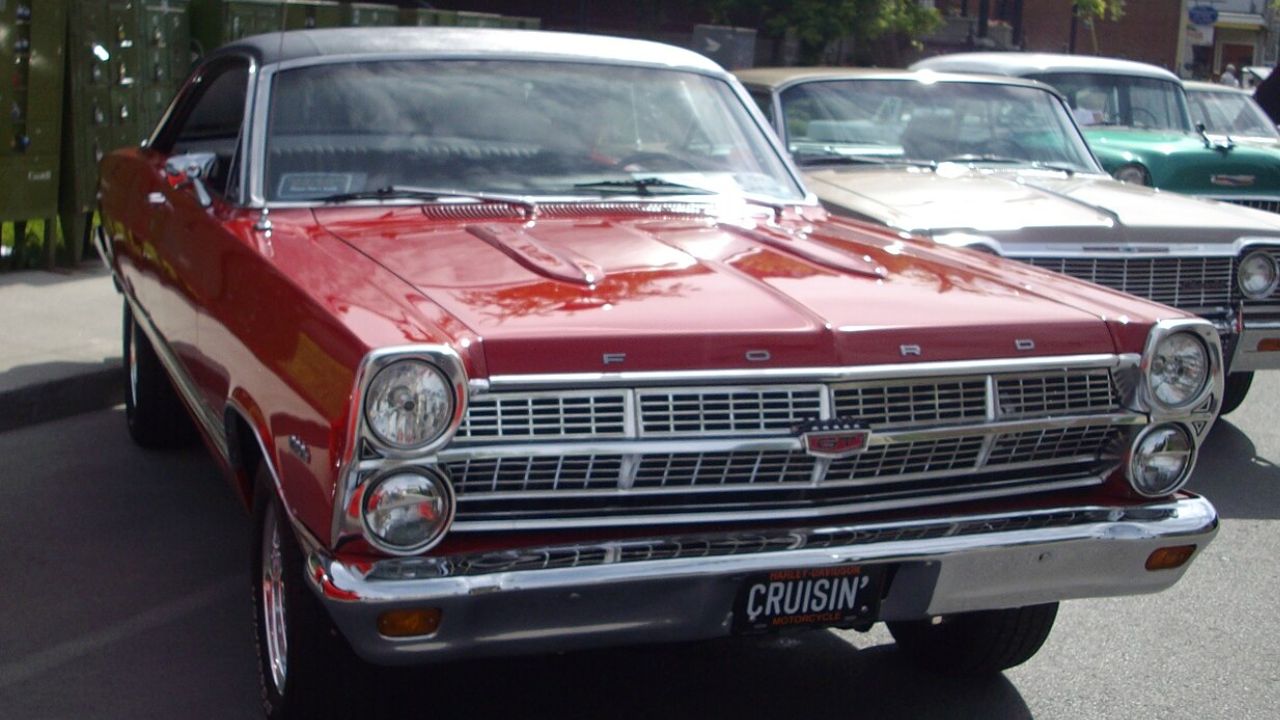
The 1967 Ford Fairlane GT sits at a sweet spot in American muscle history, large enough to carry a family yet quick enough to embarrass lighter rivals at a stoplight. Built during Detroit’s horsepower race, it combined midsize dimensions with big-block V8 power and a surprisingly refined driving character. Collectors now see it as one of the more balanced performance cars of its era, with a blend of comfort, speed, and everyday practicality that still feels usable on modern roads.
While the Mustang grabbed headlines and the Galaxie carried the full-size flag, the Fairlane GT quietly offered something different: real performance in a body that looked mature rather than flashy. That combination of size and strength is exactly what makes the 1967 GT an intriguing benchmark for enthusiasts and restorers today.
What happened
Ford repositioned the Fairlane in the mid-1960s as a true midsize platform, and by 1967 the Fairlane GT had evolved into a serious performance model. The car rode on a 116-inch wheelbase, providing more interior space than compact pony cars while remaining shorter and lighter than full-size sedans. This footprint let engineers install large-displacement engines without turning the car into a barge.
The headline option for the 1967 Fairlane GT was the 390 cubic inch FE-series V8, marketed as the GT’s primary performance engine. In GT trim, the 390 delivered strong torque through a 4-barrel carburetor and dual exhaust, paired with either a 4-speed manual or an automatic transmission. Buyers could also choose a slightly milder 289 V8, but the 390-powered GT and GTA versions embodied the car’s performance mission. Period road tests reported that properly tuned 390 GTs could reach 60 miles per hour in the 7-second range and cover the quarter mile in the mid-15s, respectable figures for a car that could still carry five adults.
Ford wrapped that drivetrain in a body that looked more restrained than the Mustang yet more athletic than the larger Galaxie. The 1967 Fairlane GT wore stacked quad headlights, a simple horizontal grille, and clean side lines punctuated by GT badges and optional racing stripes. The GT package added heavy-duty suspension components, front disc brakes on some configurations, and performance-oriented tires, all intended to help the car handle the extra power of the 390 V8.
Inside, the Fairlane GT leaned toward comfort with bucket seats, a center console on many cars, and a full set of gauges that signaled its sporting intent. Unlike stripped-down drag specials, the GT could be ordered with air conditioning, power steering, and power brakes, which made it an attractive choice for drivers who wanted speed without sacrificing daily usability. The car’s midsize proportions also translated into a usable back seat and trunk, so it could function as a family car during the week and a street racer on the weekend.
Ford’s broader strategy in the late 1960s was to offer performance across its lineup, from compact pony cars to big full-size coupes. The Fairlane GT slotted between the smaller Mustang and the larger Galaxie, giving buyers a middle path. While the Galaxie 500, for example, could be built into a fast highway cruiser with modern Coyote V8 power as some builders have done with a modified 1967 Galaxie 500, the Fairlane GT arrived from the factory with a more focused balance of size and performance.
On the street and at the drag strip, the Fairlane GT developed a reputation as a sleeper compared with louder rivals. The car’s understated styling and practical cabin hid the capability of the 390 V8 and heavy-duty chassis. Enthusiasts who wanted even more performance sometimes swapped in larger FE engines, but the factory GT package already delivered a level of acceleration and handling that made the car competitive in its class.
Why it matters
The 1967 Fairlane GT matters today because it represents a different expression of American muscle, one that prioritizes usable size and balanced performance over pure spectacle. While cars like the Mustang and Camaro defined the pony car formula, the Fairlane GT showed that a midsize platform could offer similar thrills with more space and comfort. That approach resonates with modern enthusiasts who want a classic that can handle long drives, family trips, and modern traffic without feeling cramped or fragile.
From a historical perspective, the Fairlane GT captures Ford’s attempt to cover every corner of the performance market. The company had the Mustang attracting younger buyers, the Galaxie appealing to full-size traditionalists, and the Fairlane GT targeting drivers who wanted something in between. The GT’s 390 V8 option put real power into that middle ground, proving that a car did not have to be tiny to be quick. In many ways, the Fairlane GT anticipated later performance sedans and coupes that would blend space with speed.
The car also stands out because of its engineering choices. The FE-series 390 V8 was not the most exotic engine of its time, but it delivered a broad torque curve that suited a heavier midsize chassis. Combined with available front disc brakes and upgraded suspension pieces, the GT could handle spirited driving with more control than some of its leaf-sprung rivals. This balance helped the car feel composed at highway speeds and on winding roads, something that owners still value when they take restored examples on long trips.
Design plays a key role in the Fairlane GT’s lasting appeal. The 1967 model year introduced subtle refinements that gave the car a more muscular stance without resorting to wild scoops or exaggerated bodywork. The stacked headlights and clean body sides created a look that has aged gracefully, and the GT-specific trim added just enough aggression to signal performance. Collectors often point out that the Fairlane GT can blend into traffic more easily than a bright, heavily striped muscle car, which makes it attractive for drivers who prefer understatement.
In the collector market, the Fairlane GT offers a relatively accessible entry point compared with high-profile nameplates. While exact prices vary by condition and originality, the GT generally commands less than rare big-block Mustangs or limited-production specialty models from the same era. That affordability, paired with the car’s practical size, has encouraged a wave of restomod builds where owners update brakes, suspension, and drivetrains while keeping the classic shape. The Fairlane’s roomy engine bay and straightforward chassis make it a friendly platform for such upgrades.
The car’s significance also extends to how enthusiasts think about performance today. Modern muscle cars like the Dodge Charger and contemporary performance sedans echo the Fairlane GT’s formula: midsize footprint, powerful engine, and real back-seat space. The 1967 GT shows that this idea has deep roots. It reminds current buyers that practical performance is not a new concept, but rather a recurring theme that cycles through automotive history.
For restoration shops and parts suppliers, the Fairlane GT has become an important niche. Demand for reproduction trim, interior pieces, and suspension components reflects a steady interest in keeping these cars on the road. Many owners choose to retain the original 390 V8, valuing its period-correct character, while others opt for modern crate engines that deliver more power and reliability. Either way, the underlying platform supports a wide range of builds, from faithful restorations to high-tech restomods.
There is also a cultural dimension. The Fairlane GT often appears in regional car shows and local drag events, where it stands apart from the more common Mustang and Chevelle crowd. Enthusiasts appreciate its connection to a time when American manufacturers experimented with multiple performance formulas rather than relying on a single halo model. The GT’s ability to serve as both family transport and weekend racer captured a specific moment in the late 1960s when performance was becoming more accessible to everyday buyers.
What to watch next
Looking ahead, the 1967 Fairlane GT is likely to gain more attention as collectors search for alternatives to the most obvious muscle car choices. As prices for high-profile models continue to rise, buyers often turn to underappreciated cars that offer similar performance and style. The Fairlane GT fits that pattern well. Its combination of size, power, and relatively low production compared with mass-market sedans gives it room for appreciation, especially for well-documented examples with original 390 engines and factory GT equipment.
One trend to watch is the growth of restomod builds based on the Fairlane platform. Builders who have already experimented with full-size cars like the Galaxie 500, including projects that install modern Coyote V8 engines for high-speed cruising, are increasingly looking at midsize bodies that offer a lighter, more agile starting point. The Fairlane GT’s engine bay can accommodate both classic FE blocks and contemporary modular or crate V8s, which opens the door to creative combinations of vintage looks and modern performance.
Another area of interest is how the aftermarket continues to support the Fairlane. As more owners invest in long-term restorations, demand for high-quality reproduction parts is likely to increase. That includes not only cosmetic pieces such as badges and trim but also critical components like disc brake kits, upgraded suspension systems, and modern steering conversions. The more that suppliers respond to this demand, the easier it becomes for new enthusiasts to take on a Fairlane project without facing scarcity of parts.
The car’s visibility in media and events is also a factor. When Fairlane GTs appear at major auctions, national car shows, or in high-profile builds, they introduce the model to a broader audience. That exposure can shift perceptions, moving the car from a niche favorite to a recognized player in the muscle car conversation. Enthusiast clubs and online communities dedicated to Ford intermediates already share technical knowledge and history, and their influence tends to grow as more owners join the fold.
From a driving perspective, the Fairlane GT is well positioned to benefit from the current interest in classic cars that can actually be used. Many collectors now prioritize vehicles that are comfortable on modern highways, can carry passengers, and do not feel fragile in traffic. The GT’s midsize body, solid chassis, and flexible V8 powertrain check those boxes. Owners who upgrade cooling systems, brakes, and tires often report that the car feels surprisingly modern in real-world use, which encourages more frequent driving rather than occasional display.
Regulatory and environmental pressures may also shape the Fairlane GT’s future. As cities and regions consider tighter rules on emissions and older vehicles, classic car owners face questions about long-term usability. Some enthusiasts are experimenting with alternative powertrains, including fuel-injected V8s tuned for cleaner running. There is even early discussion in some circles about electric conversions for midsize classics, although such projects remain rare. The Fairlane’s relatively generous engine bay and robust frame could make it a candidate for creative solutions if regulations tighten further, although purists are likely to favor original-style V8s.
More From Fast Lane Only: