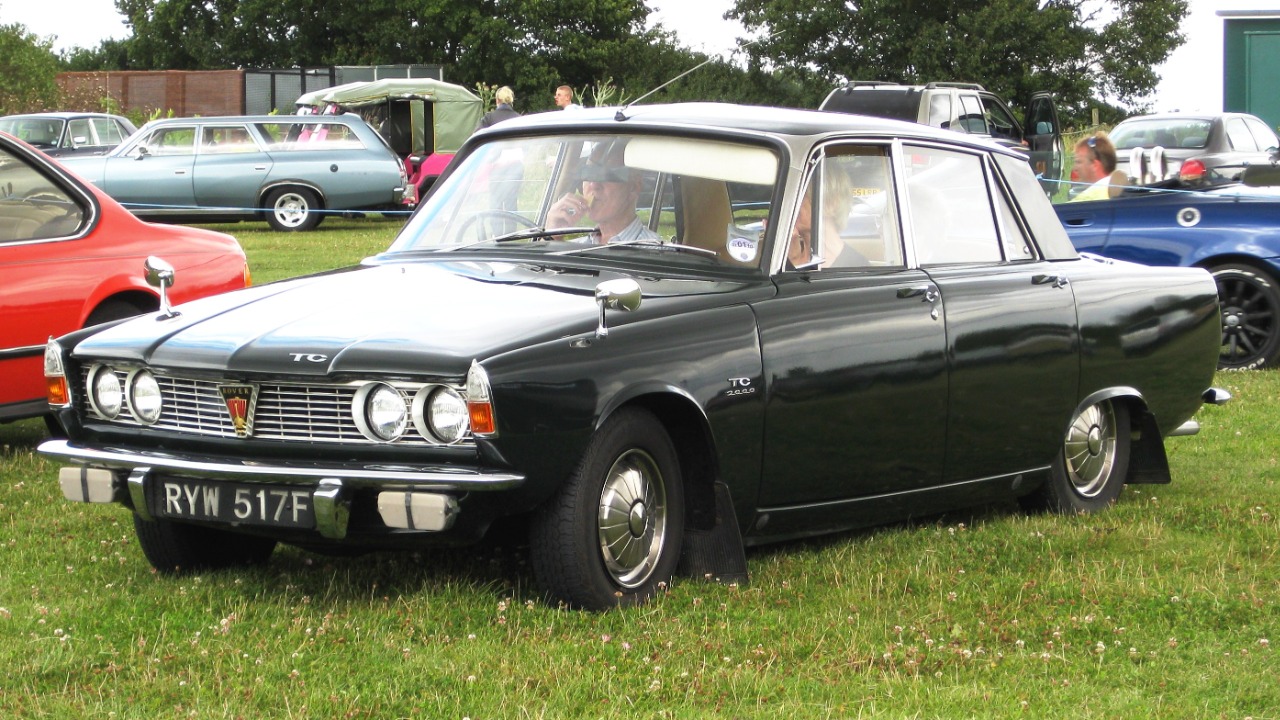
The 1967 Rover 2000 TC is a unique vehicle that carved its own niche in the automotive world by prioritizing performance through innovative engineering rather than sheer power. Its thoughtful design and advanced features not only set it apart from contemporaries but also paved the way for future innovations in the industry. I want to delve into how the Rover 2000 TC distinguished itself, highlighting its design philosophy, technological advancements, and lasting impact on the automotive landscape.
Design Philosophy and Aesthetics
The Rover 2000 TC epitomizes the concept of functional elegance. Its design seamlessly combines practicality with aesthetic appeal, featuring clean lines and a modern silhouette that is both striking and understated. The overall look conveys a sense of sophistication that appealed to a wide range of drivers, from the business executive to the family-oriented individual. This was a significant departure from the often ostentatious designs of its contemporaries, reflecting a more refined approach to automotive styling.
Inside the vehicle, comfort and ergonomics are paramount. The seating is designed to provide ample support, making long journeys more enjoyable. The dashboard layout is intuitive, placing essential controls within easy reach of the driver. The materials used are quality-focused, enhancing the overall sense of luxury and durability. These aspects of interior design not only catered to the driver’s needs but also created an inviting space for passengers, reinforcing the Rover’s reputation as a family-friendly vehicle.
Exterior innovations further set the Rover 2000 TC apart. The distinctive front grille, which featured a bold but elegant design, was a hallmark of the Rover brand. The rear styling was equally unique, characterized by a smooth, contoured finish that contributed to the vehicle’s aerodynamic profile. Such design elements were more than just cosmetic; they played a crucial role in the car’s performance by reducing drag and improving fuel efficiency.
Engineering and Performance Features
At the heart of the Rover 2000 TC lies its innovative 2.0-liter engine, a significant upgrade that had a profound impact on performance and fuel efficiency. Unlike many competitors that relied on larger, less efficient engines, the Rover’s engine was designed to deliver a smooth and responsive driving experience. This choice not only enhanced acceleration but also allowed for better fuel economy, appealing to the environmentally conscious driver of the era.
The advanced suspension system further enhances the Rover’s performance. It features a combination of coil springs and independent suspension, which contributes to a smoother ride and better handling on various road conditions. This system was quite advanced for its time, allowing for a more comfortable driving experience while maintaining stability during cornering. The lightweight construction of the vehicle, achieved through the use of high-strength materials, also improved performance and agility without compromising safety.
Technological Innovations
The adoption of unibody construction in the Rover 2000 TC marked a significant advancement in automotive engineering. This approach not only contributed to the vehicle’s structural integrity but also helped reduce weight, enhancing overall performance. Unlike traditional body-on-frame designs, the unibody construction allowed for a more rigid structure, improving safety and handling while lowering production costs.
Another groundbreaking feature in the Rover 2000 TC is the development of Variable Valve Timing (VVT). This technology plays a crucial role in optimizing engine performance and efficiency. By adjusting the timing of the valve openings based on engine speed and load, VVT allows for better fuel combustion, leading to increased power and lower emissions. This innovation exemplified Rover’s commitment to engineering excellence and environmental responsibility.
Safety was also a priority in the Rover 2000 TC, as evidenced by its pioneering safety features. The introduction of crumple zones and advanced braking systems was ahead of its time, reflecting a growing awareness within the automotive industry regarding driver and passenger safety. These features not only enhanced the car’s appeal but also set new benchmarks for safety standards across the sector.
Market Position and Reception
The Rover 2000 TC was marketed as a sophisticated yet accessible vehicle, specifically targeting the aspiring middle class. The marketing strategy effectively highlighted the car’s blend of elegance, performance, and practicality. It was positioned not just as a means of transportation but as a lifestyle choice for those who valued quality and innovation. Advertisements showcased the Rover 2000 TC as an ideal family car, reinforcing its image as a versatile and desirable vehicle.
Upon its release, the Rover 2000 TC received critical acclaim from automotive experts and enthusiasts alike. It garnered several awards for its design and engineering, solidifying its reputation as a forward-thinking vehicle. Critics praised its performance and comfort, often comparing it favorably to models from established competitors like the BMW 2000 and the Mercedes-Benz 200. The accolades received helped establish the Rover 2000 TC as a formidable player in the mid-sized sedan market.
When compared to rivals, the Rover 2000 TC stood out for its unique selling points. While competitors often focused on sheer horsepower, the Rover prioritized a well-rounded approach to performance, emphasizing fuel efficiency and driver comfort. This focus on engineering over brute force resonated with a growing segment of consumers who sought a more responsible and enjoyable driving experience.
Legacy and Influence
The legacy of the Rover 2000 TC extends beyond its production years; it has had a lasting impact on future Rover models. The engineering philosophies and design principles established with the 2000 TC influenced subsequent vehicles in the Rover lineup, reinforcing the brand’s commitment to quality and innovation. Features that originated with the 2000 TC can be seen in later models, where performance and comfort continue to be prioritized.
Moreover, the Rover 2000 TC contributed significantly to the advancement of automotive engineering. The innovations introduced during its production paved the way for modern vehicles, influencing trends in design and technology that are still relevant today. The emphasis on safety features, fuel efficiency, and performance has become a standard expectation among consumers, a testament to the forward-thinking nature of the Rover 2000 TC.
Today, the Rover 2000 TC enjoys a status as a collector’s item among car enthusiasts. Its unique design and engineering make it a sought-after model for vintage car collectors. The enduring appeal of the Rover 2000 TC lies not only in its historical significance but also in its embodiment of a philosophy that prioritizes performance through innovation—a lesson that continues to resonate in the automotive world.
More from Fast Lane Only
- Unboxing the WWII Jeep in a Crate
- 15 rare Chevys collectors are quietly buying
- 10 underrated V8s still worth hunting down
- Police notice this before you even roll window down
*Research for this article included AI assistance, with all final content reviewed by human editors.