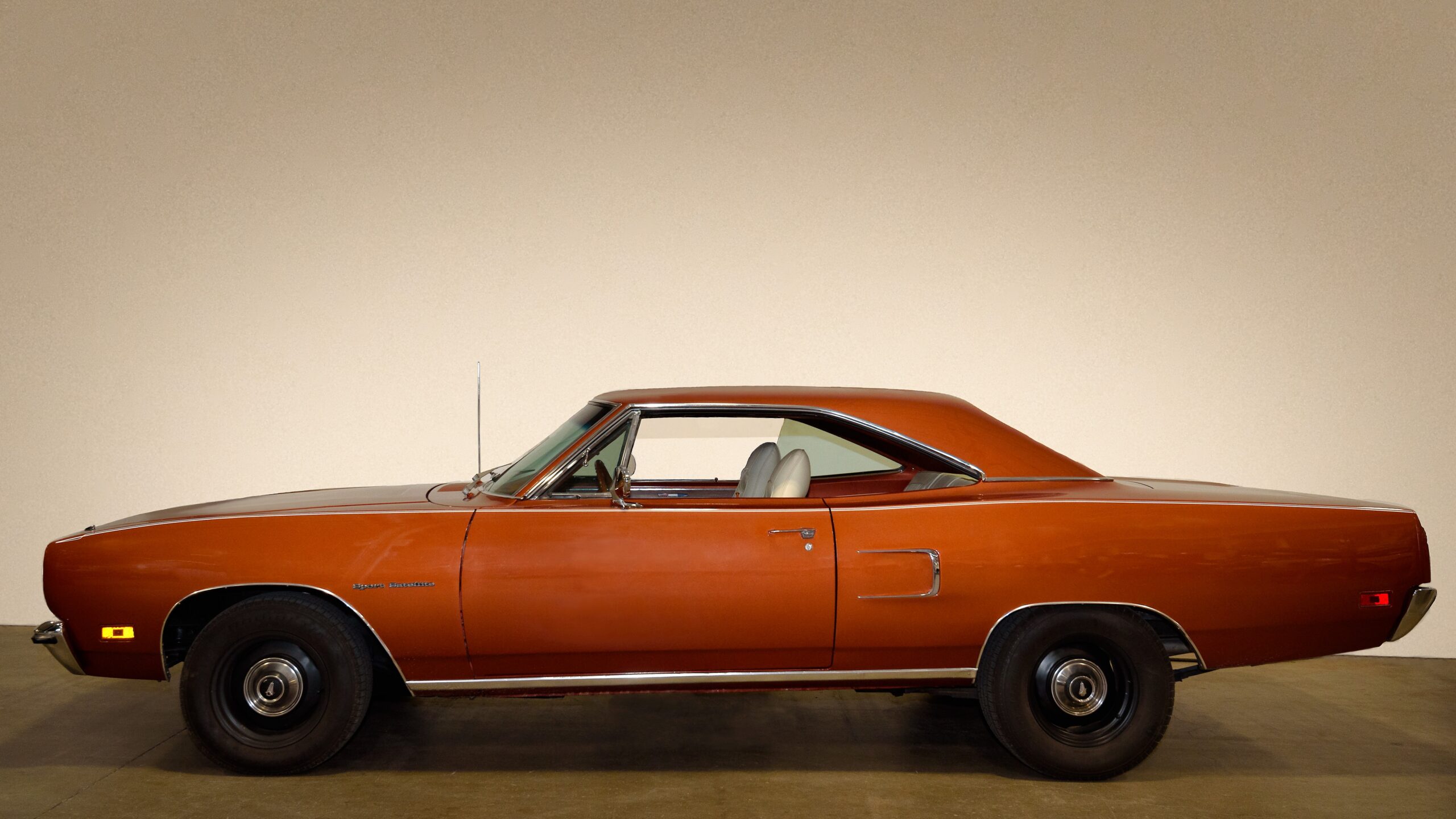
The 1970 Plymouth Sport Satellite arrived at a turning point for Detroit performance, when raw quarter-mile numbers still mattered more than emissions stickers or insurance surcharges. Built on the same B-body bones as the Road Runner and GTX, the Sport Satellite wrapped genuine muscle-car hardware in slightly more restrained styling, delivering serious power without shouting about it. For collectors and drivers today, it represents a sweet spot where everyday usability, period-correct comfort, and authentic Mopar performance meet.
More than half a century later, interest in the Sport Satellite has surged as enthusiasts rediscover how much of the factory muscle experience it preserves. With shared chassis, drivetrains, and options that mirrored its louder siblings, a well-sorted 1970 Sport Satellite can deliver the same big-block punch and highway composure, often at a friendlier price and with a unique story to tell.
What happened
The 1970 model year brought a major styling and engineering refresh for Plymouth’s midsize B-body line, and the Sport Satellite sat near the top of that range. It shared the new “fuselage” look that swept through Chrysler’s lineup, with a coke-bottle profile, broad grille, and sculpted rear quarters that gave the coupe a more upscale presence than the cartoon-themed Road Runner. Under the skin, though, the cars were close relatives, which meant the Sport Satellite could be ordered with the same V8 muscle that defined Plymouth’s performance reputation.
Buyers could spec the Sport Satellite with a range of engines, from small-block 318 and 340 V8s up to the 383 and 440 big-blocks that turned the car into a legitimate straight-line threat. Period order sheets show that the 383 four-barrel sat at the heart of the performance mix, while the 440 cubic inch V8, especially when paired with a performance axle ratio and dual exhaust, turned the comfortable coupe into a serious street machine. Those big-block cars shared the same heavy-duty suspensions, larger brakes, and stout driveline components familiar to Road Runner and GTX owners, which made the Sport Satellite far more than a trim package.
Modern builds have pushed that concept even further. Enthusiasts have taken base Satellite and Sport Satellite shells and turned them into high-spec street cars that echo the factory’s most extreme efforts. One standout example is a home-built Satellite that borrows visual cues from the legendary winged Superbird and pairs them with a real 440 Six Barrel engine, a combination that demonstrates how closely related the underlying platforms are and how much authentic Mopar hardware can be transferred into a Sport Satellite shell. That car, described as a home-brewed winged Mopar, shows how the chassis accepts serious power without losing its road manners.
From the factory, the Sport Satellite balanced comfort and aggression. Bucket seats, woodgrain trim, and additional brightwork separated it from the more bare-bones Road Runner, while optional equipment such as air conditioning, power steering, and upgraded audio made it easier to live with every day. The car could be ordered as a hardtop or convertible, and both body styles benefited from the same solid B-body structure that had already proven itself in NASCAR and drag racing. For buyers in 1970, that meant a car that could carry a family during the week and still deliver burnouts on demand.
As the muscle era began to contract under pressure from insurance costs and looming emissions rules, the 1970 Sport Satellite captured a last moment of relative freedom. Big-block engines still sat prominently on the order sheet, compression ratios remained high, and the focus stayed on raw performance. The following years would see power ratings fall and styling soften, which gives the 1970 cars particular significance for historians and collectors who view them as the final fully unleashed iteration of Plymouth’s midsize performance formula.
Why it matters
The 1970 Plymouth Sport Satellite matters today because it delivers the full sensory experience of the classic muscle era while occupying a slightly different niche from the headline-grabbing nameplates. For enthusiasts who want the sound, torque, and presence of a big-block Mopar, the Sport Satellite offers nearly identical mechanical substance with a more understated badge and, in many cases, a more approachable market value. That combination has made it increasingly attractive as attention and prices have concentrated around the rarest Road Runners, GTXs, and factory Superbirds.
Mechanically, the shared B-body architecture is key to its significance. The same unibody structure that underpinned Plymouth’s NASCAR homologation specials sits under the Sport Satellite’s sheet metal, which means suspension upgrades, brake conversions, and drivetrain swaps follow well-established paths. The example that carries a genuine 440 Six Barrel engine illustrates how easily high-spec components can be integrated into a Satellite-based build. With the right engine, gearing, and chassis tuning, a Sport Satellite can deliver quarter-mile times and highway pull that match or exceed many better-known muscle cars from the same period.
The car’s styling also plays a major role in its modern appeal. Where the Road Runner leaned into cartoon graphics and performance marketing, the Sport Satellite projected a more mature image. The sculpted bodywork, additional chrome, and richer interior trim give it a “gentleman muscle” character that resonates with buyers who want vintage performance without overt flash. That balance mirrors what many modern performance sedans attempt to achieve: genuine speed wrapped in an exterior that still looks appropriate in a driveway or office parking lot.
From a historical standpoint, the 1970 model year represents a crest in Detroit’s horsepower race. Insurance companies had not yet fully cracked down on high-compression big-blocks, and federal emissions controls had not yet forced major detuning. The Sport Satellite, especially in 383 and 440 form, captures that moment in a package that feels more everyday usable than some of the era’s stripped-down street racers. Generous glass area, comfortable seating, and available automatic transmissions meant these cars could rack up highway miles without punishing their drivers, even while they retained enough low-end torque to light up the rear tires at will.
The model’s relative obscurity during the height of muscle-car collecting has become an advantage. While the rarest Hemi and Six Barrel cars command six-figure prices, many Sport Satellites still trade at levels that leave room in the budget for mechanical restoration and tasteful upgrades. That affordability has encouraged creative builds that keep the cars on the road instead of locked away. The winged Satellite with a 440 Six Barrel, built to be driven hard rather than parked, is a clear example of how owners are treating these cars as living machines rather than static investments.
The car also speaks to a broader shift in how enthusiasts value originality versus drivability. Many Sport Satellites have been updated with modern ignition systems, better cooling, and improved suspension components, often in ways that can be reversed if a future owner wants a factory-correct restoration. The B-body platform’s strength and parts support make those changes straightforward, and the result is a car that can handle modern traffic, longer trips, and occasional track days without losing its 1970 character. For many buyers, that balance between authenticity and usability is more attractive than chasing a numbers-matching museum piece.
On the cultural side, the Sport Satellite highlights how the muscle-car story is broader than a handful of famous badges. Families bought these cars new as practical transportation, often ordering mid-level engines and comfort options rather than the most aggressive packages. Decades later, those same cars can be transformed into serious performers by swapping in big-blocks, upgrading drivetrains, and refining suspensions, all while preserving their original sheet metal and interior design. The line between “family car” and “muscle car” becomes fluid, and the Sport Satellite sits right at that intersection.
For younger enthusiasts, the model serves as a gateway into classic Mopar ownership. The combination of shared parts, extensive documentation, and a passionate community makes it easier to learn, wrench, and personalize. Many of the skills developed on a Sport Satellite, from rebuilding a 727 TorqueFlite transmission to dialing in leaf-spring suspension, carry directly over to more famous Plymouth and Dodge models. That educational value helps keep traditional V8 performance culture alive even as the broader market shifts toward electrification.
What to watch next
Looking ahead, the 1970 Plymouth Sport Satellite is likely to continue climbing in visibility and value as collectors search beyond the most obvious muscle-car icons. As pristine Road Runners, GTXs, and Superbirds become harder to find and more expensive to buy, attention naturally turns to related models that share the same core engineering. The Sport Satellite’s blend of style, comfort, and performance positions it well for that next wave of interest.
One trend to watch is the growing appetite for well-executed restomods that respect the car’s original character while upgrading performance and reliability. Builds that follow the pattern of the winged Satellite with a 440 Six Barrel, combining authentic Mopar power with chassis tuning and subtle interior improvements, are likely to draw strong interest from buyers who want to drive rather than display. As long as those projects preserve original sheet metal and avoid irreversible modifications, they can add value while broadening the car’s appeal.
Another factor will be parts availability and aftermarket support. The B-body platform already benefits from a deep catalog of reproduction sheet metal, trim pieces, and mechanical components, which lowers the barrier to entry for new owners. As more companies reproduce Sport Satellite-specific items such as interior trim and exterior badges, full restorations will become even more feasible. That, in turn, will encourage owners to save cars that might previously have been parted out or overlooked.
Insurance and registration trends will also shape the car’s future. As more jurisdictions tighten emissions rules for newer vehicles, older classics often receive exemptions that make them attractive as weekend or hobby cars. The Sport Satellite, with its period-correct V8 power and relatively simple emissions equipment, fits neatly into that niche. Enthusiasts who want a visceral driving experience without modern complexity may increasingly gravitate toward cars like this, especially if they live in areas where vintage vehicles enjoy regulatory flexibility.
The generational shift in the collector market is another key storyline. As enthusiasts who grew up in the 1970s and 1980s look for the cars they remember from their neighborhoods and family driveways, models like the Sport Satellite gain emotional weight. Not every childhood memory centers on a Hemi Cuda or a Charger; many involve mid-level B-bodies that served as daily transportation. Restoring or modifying a Sport Satellite allows those owners to reconnect with that past while enjoying performance that holds up on modern roads.
At the same time, the rise of online auction platforms and social media has given underappreciated models a global stage. Well-built Sport Satellites that combine clean paint, sorted drivetrains, and tasteful upgrades often attract strong bidding once enthusiasts see how capable and attractive the cars can be. Each high-profile sale helps reset expectations about what the model is worth and how it fits into the broader Mopar story.
More from Fast Lane Only