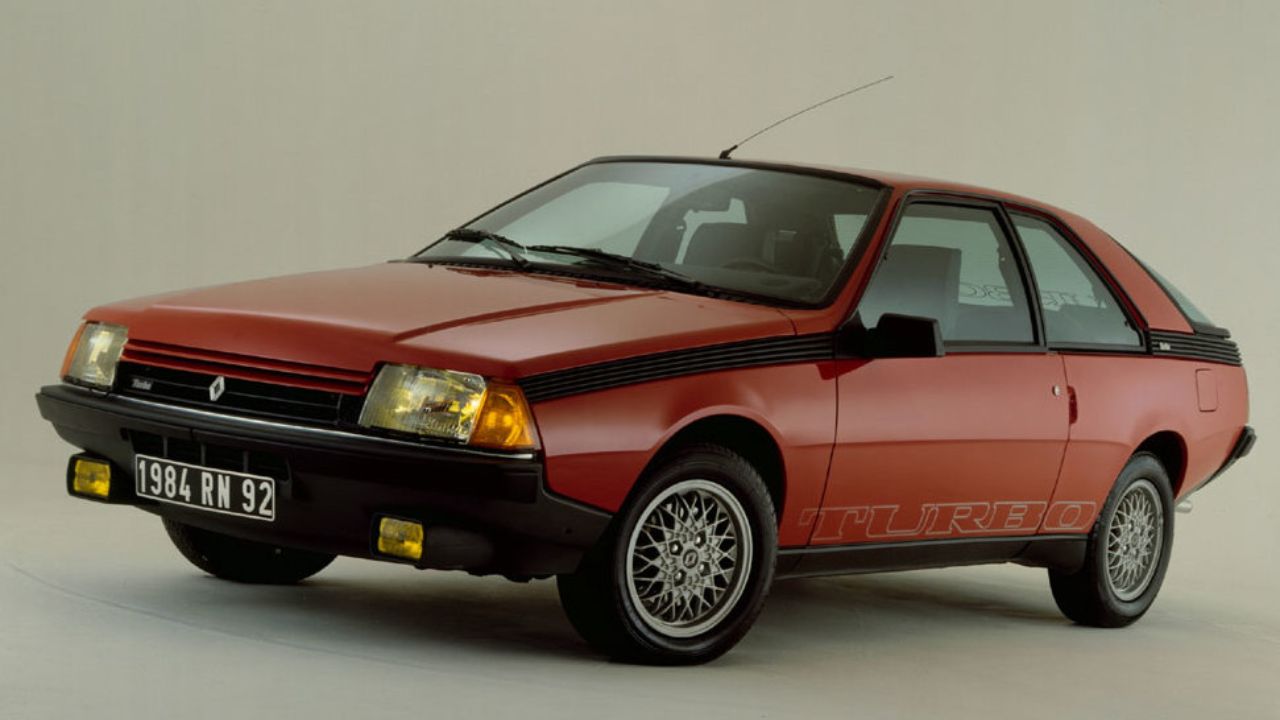
The 1982 Renault Fuego marked a bold entry into the American automotive market, aiming to capture the hearts of consumers with its unique design and turbocharged performance. Despite its ambitious goals, the Fuego faced a myriad of challenges that ultimately shaped its legacy in the U.S.
The Launch of the Renault Fuego in America
Renault’s decision to enter the U.S. market in the early 1980s was driven by a desire to expand its global footprint and tap into the lucrative North American automotive landscape. The company, established in France, aimed to introduce a vehicle that would not only stand out in a competitive market but also appeal to consumers seeking innovative design and performance. The Fuego, a sporty hatchback, was central to this strategy, representing a departure from the more traditional sedans that characterized Renault’s earlier offerings.
Initial marketing efforts focused on the Fuego’s unique styling and performance capabilities, which were expected to resonate with American car enthusiasts. Promotional campaigns highlighted its distinctive silhouette, sporty demeanor, and the promise of an invigorating driving experience. The company invested in television commercials, print ads, and promotional events, all designed to position the Fuego as a fresh alternative to established models from American and Japanese manufacturers.
Renault anticipated that the Fuego would significantly enhance its brand presence in the U.S. market. The hatchback was designed to appeal to a younger demographic, aiming to attract first-time buyers and those looking for something different. Unfortunately, the initial excitement surrounding the launch did not translate into sustained sales success, as the Fuego faced challenges that would ultimately affect its reception.
Design and Features of the Fuego
The design of the Renault Fuego was one of its most distinctive features, setting it apart from competitors in the compact car segment. Its sleek, aerodynamic shape was not only visually appealing but also contributed to improved fuel efficiency. The hatchback design provided versatility, allowing for increased cargo space and practicality. The Fuego’s sporty demeanor was complemented by a range of vibrant color options that appealed to the youthful market Renault was targeting.
Inside, the Fuego boasted a comfortable and well-appointed interior, featuring supportive seats and an intuitive dashboard layout. Innovative features such as a rear hatch and foldable rear seats added to its practicality as a daily driver. Compared to contemporaries like the Honda Civic and Ford Mustang, the Fuego offered a unique blend of style and functionality. The design, while ahead of its time, ultimately struggled to resonate with a broader audience that favored more traditional designs.
When comparing the Fuego to its competitors, it became clear that while it excelled in aesthetics, it faced challenges in the areas of market perception and reliability. The hatchback format was uncommon in the U.S. at the time, and many consumers were hesitant to embrace a vehicle that deviated from conventional sedan designs. This hesitation would prove significant as the Fuego’s sales trajectory unfolded.
Performance and Engineering Innovations
One of the standout features of the Renault Fuego was its introduction of a turbocharged engine, a significant innovation at the time. This engine provided a notable increase in power and performance, appealing to driving enthusiasts who craved a more exhilarating experience behind the wheel. Early reviews praised the Fuego for its responsive acceleration and agile handling, making it a compelling option for those seeking a sporty drive.
Driving characteristics reported by early reviewers highlighted the Fuego’s balanced handling, which was attributed to its front-wheel-drive layout and well-tuned suspension. The car’s ability to navigate winding roads with confidence contributed to its appeal among those looking for a fun-to-drive option in a compact package. Technological advancements, such as the turbocharging system, showcased Renault’s commitment to innovation, setting the Fuego apart from other vehicles in its class.
However, despite its engineering prowess, the Fuego struggled to make a lasting impact in a market dominated by larger, more established competitors. While it was praised for its performance, the overall perception of reliability and brand familiarity played a crucial role in influencing buyer decisions. Consumers often gravitated toward brands they knew and trusted, leaving the Fuego to navigate a challenging landscape of automotive competition.
Reception by American Consumers
Upon its launch, the Renault Fuego garnered a mixed reception from American consumers, with initial sales figures not meeting the company’s expectations. While there was excitement surrounding the vehicle, particularly among enthusiasts and those attracted to its unique design, the broader market response was lukewarm. In its first year, the Fuego sold approximately 21,000 units, a figure that fell short of the ambitious targets set by Renault.
Automotive journalists offered varied reviews of the Fuego, with some praising its design and performance while others criticized its reliability and service issues. These reviews played a significant role in shaping public perception, as consumers often relied on expert opinions when making purchasing decisions. The Fuego, while innovative, struggled to shake off the negative impressions that emerged in early critiques, further complicating its acceptance in the U.S. market.
The demographics of typical Fuego buyers revealed an interesting picture. Many were younger consumers seeking a distinctive vehicle that stood out from the crowd. However, the brand’s unfamiliarity among American buyers created an uphill battle for acceptance. As the Fuego attempted to carve out its niche, it became evident that the challenges of brand recognition and consumer trust would significantly impact its long-term success.
Challenges Faced in the U.S. Market
The Renault Fuego’s journey in the U.S. was not without hurdles, particularly in light of the economic landscape of the early 1980s. The oil crisis and subsequent economic downturn had a profound effect on consumer behavior, leading many buyers to prioritize fuel efficiency and reliability over style. This shift in priorities placed the Fuego at a disadvantage, as its sporty image did not align with the growing demand for economical vehicles.
Additionally, the competition from established American and Japanese brands posed a significant challenge. Manufacturers like Ford, Chevrolet, and Honda had deep-rooted brand loyalty among consumers, making it difficult for the Fuego to gain traction. The Japanese automakers, in particular, were known for their reliability and fuel efficiency, attributes that became increasingly important to buyers during this period.
Reliability issues also plagued the Fuego’s reputation. Problems with parts availability and service led to negative experiences for some owners, tarnishing the vehicle’s image. As reviews highlighted these concerns, potential buyers became wary, further complicating Renault’s efforts to establish a foothold in the U.S. market.
The Turbo Model: A Game Changer?
In response to the challenges faced by the standard model, Renault introduced the Fuego Turbo in 1983. This model featured enhanced performance capabilities, including a more powerful turbocharged engine and upgraded suspension. The Turbo variant aimed to capitalize on the initial excitement generated by the Fuego while addressing some of the concerns raised by consumers and reviewers.
Marketing strategies surrounding the Turbo model emphasized its performance and sporty appeal, targeting a demographic that sought a thrilling driving experience. Advertisements showcased the car’s enhanced capabilities, aiming to attract both existing Fuego owners and new buyers looking for a more dynamic option. Despite these efforts, the Fuego Turbo struggled to achieve the sales numbers Renault had hoped for, often overshadowed by the performance offerings of competing brands.
When comparing the performance of the Turbo model to the standard Fuego, it became clear that the enhancements made a noticeable difference in driving dynamics. The Turbo’s acceleration and handling were superior, offering a more engaging experience for enthusiasts. However, the broader market still found itself divided, as many consumers remained uncertain about the brand’s reliability and long-term viability.
Cultural Impact and Legacy
While the Renault Fuego may not have achieved commercial success in the U.S., its cultural impact and legacy are noteworthy. The vehicle gained a degree of recognition in popular culture, appearing in films and television shows that embraced its unique design. This visibility contributed to a niche appreciation among classic car enthusiasts, who recognized the Fuego as an innovative product of its time.
The Fuego’s influence extended beyond its immediate success, shaping future Renault models and design philosophy. Elements of its styling and engineering innovations can be seen in subsequent vehicles, as Renault continued to explore sporty designs with practical features. The lessons learned from the Fuego experience provided valuable insights for Renault’s North American strategy, guiding future endeavors as the brand sought to reestablish itself in the competitive automotive landscape.
Despite its challenges, the Fuego remains a symbol of ambition and creativity in automotive design. Its unique attributes have earned it a place among classic vehicles, celebrated by enthusiasts who appreciate its distinct character and engineering innovations. The legacy of the Fuego serves as a reminder of the importance of market alignment and consumer perception in the automotive industry.
The Renault Fuego Today: Classic Status and Enthusiast Community
Today, the Renault Fuego enjoys a devoted following among classic car enthusiasts, many of whom appreciate its unique design and engineering innovations. The vehicle has gained recognition in the classic car community, with events and gatherings celebrating its legacy. Enthusiasts often share restoration projects and experiences, fostering a sense of camaraderie among those dedicated to preserving the Fuego’s distinct character.
Availability of parts for the Fuego has improved, thanks in part to the efforts of dedicated enthusiasts and aftermarket suppliers. Restoration projects are becoming increasingly common as owners seek to rejuvenate these classic vehicles, breathing new life into models that once struggled in the market. Online forums and social media groups provide platforms for owners to connect, share tips, and showcase their restored Fuegos, further solidifying its status as a classic vehicle.
The Renault Fuego’s journey from ambitious entry into the U.S. market to its current status as a classic car reflects the complexities of consumer preferences and market dynamics. As enthusiasts continue to celebrate its legacy, the Fuego stands as a testament to Renault’s innovative spirit and the enduring appeal of unique automotive designs.
More from Fast Lane Only