Throughout the history of motorsport, certain engines have emerged as paragons of performance, often prompting regulatory scrutiny due to their overwhelming dominance. These power plants not only defined the vehicles they powered but also set new benchmarks for engineering excellence. Here, we delve into eight race engines that have left an indelible mark on the racing world.
The Ferrari 312T: The Engine that Redefined F1 Dominance
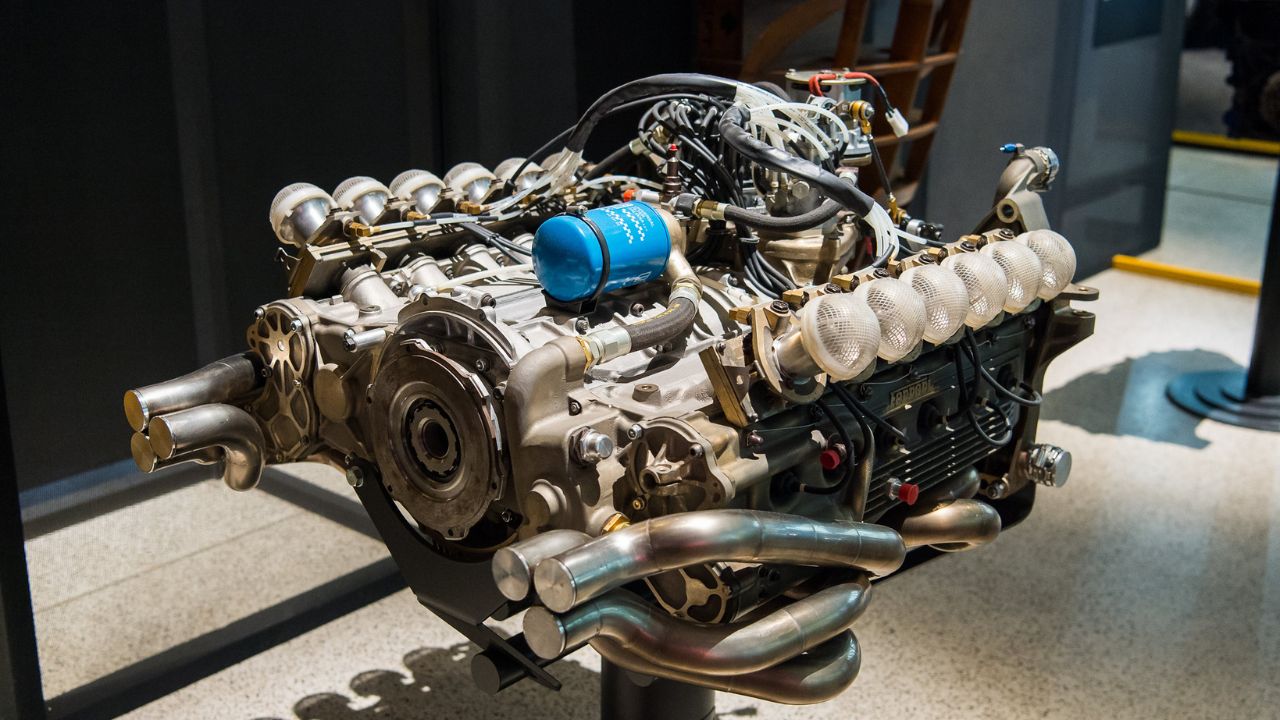
The Ferrari 312T, introduced in 1975, revolutionized Formula 1 with its innovative design and relentless power. Its flat-12 engine configuration allowed for a lower center of gravity, enhancing handling and aerodynamics. This engine was a key player in securing the 1975 and 1977 World Championships, as it propelled drivers like Niki Lauda and Jody Scheckter to victory. The 312T’s success was so pronounced that it prompted FIA officials to reconsider regulations surrounding engine design and aerodynamics, ensuring a more level playing field.
Ferrari’s legacy with the 312T has been well-documented in motorsport literature, capturing the imaginations of fans and engineers alike. Its unique engineering solutions and competitive success remain a benchmark for contemporary F1 engines. The impact of the 312T continues to resonate in racing discussions today.
The Chevrolet Small Block: An American Muscle Icon
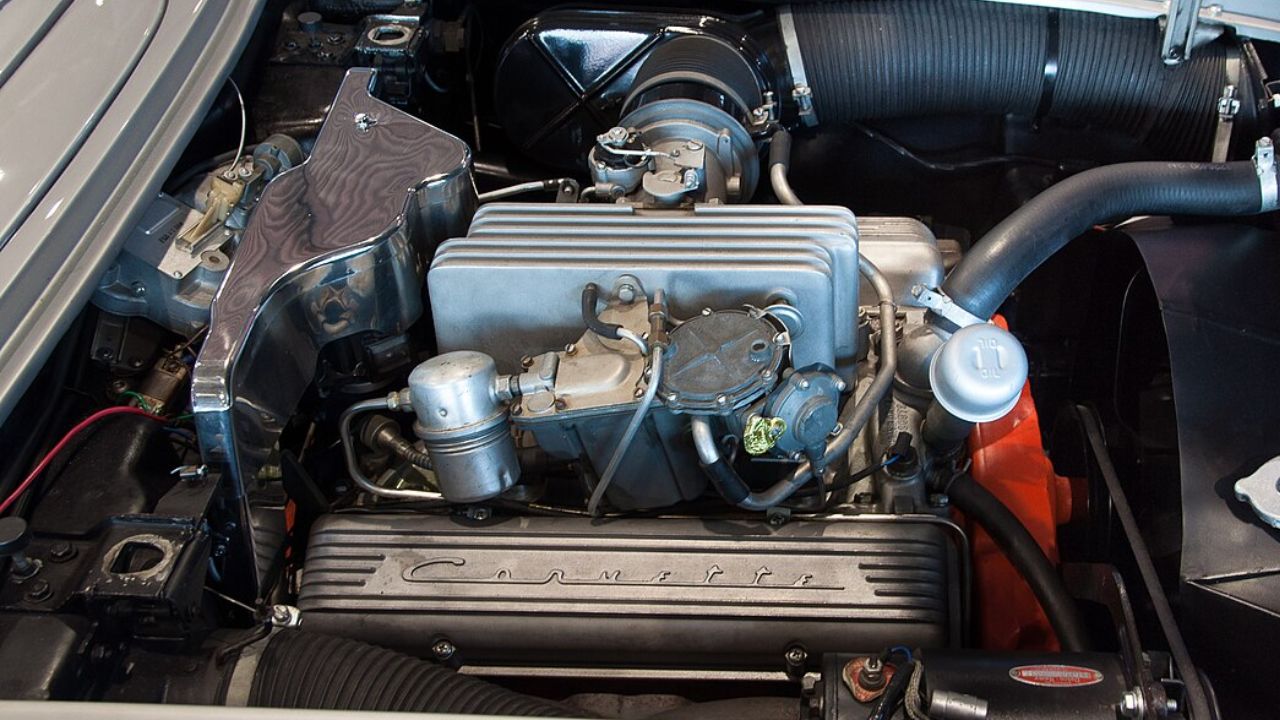
The Chevrolet Small Block engine, first introduced in 1955, has become synonymous with American muscle cars. Its lightweight design and adaptability made it a favorite among racers and enthusiasts alike. With various iterations producing upwards of 400 horsepower, it dominated drag racing, stock car racing, and even road racing events. Its power and versatility led to significant victories across multiple racing series, leading to increased attention from both competitors and regulators.
Its influence can be seen in numerous vehicles, from the classic Chevrolet Camaro to modern performance cars. The Small Block’s design philosophy paved the way for future engine developments, solidifying its status as an iconic powerplant in racing history.
The Porsche 917 Flat-12: A Le Mans Legend
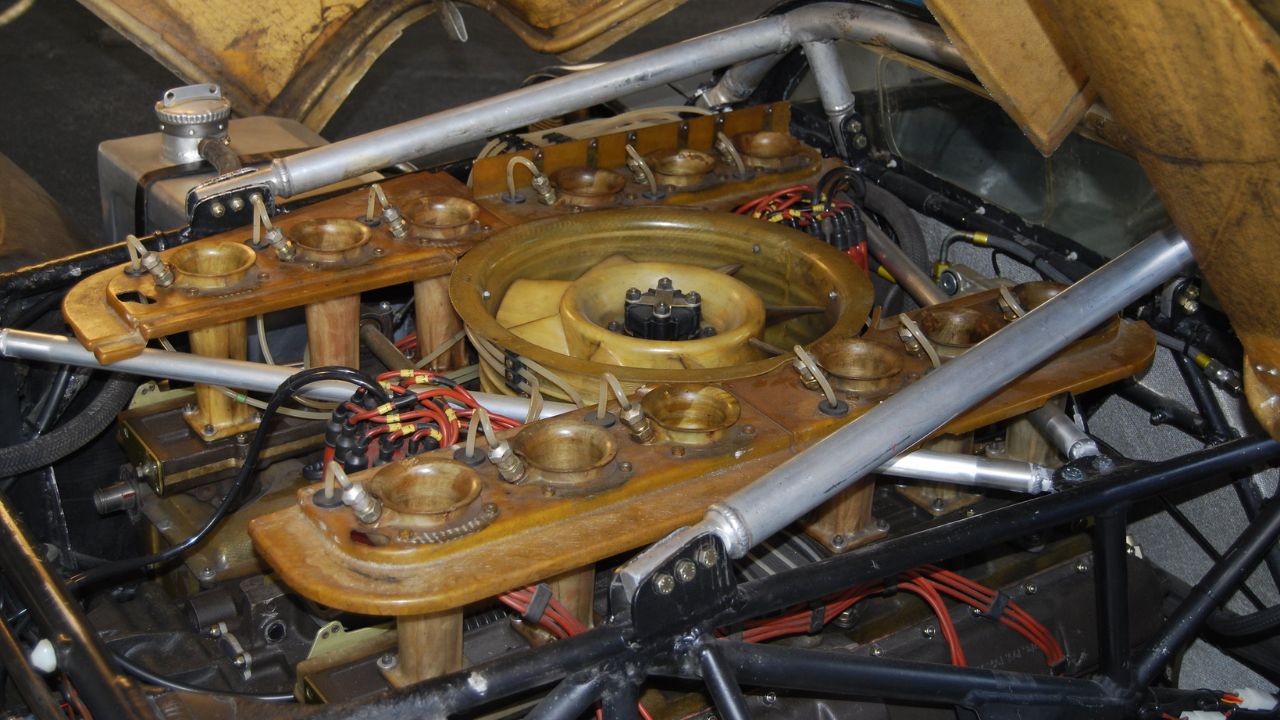
The Porsche 917, featuring a flat-12 engine, is one of the most celebrated race cars in history, particularly known for its triumph at the 1970 and 1971 Le Mans races. Its distinctive engine layout contributed to its aerodynamic efficiency and exceptional power delivery, allowing it to reach speeds exceeding 240 mph. The 917’s dominance led to a series of rule changes in endurance racing, as officials sought to level the competitive landscape.
Porsche’s engineering prowess was on full display with the 917, showcasing innovations that are still relevant in modern racing. The legacy of this remarkable machine is well-documented and has inspired countless adaptations in both motorsport and the automotive industry. The Porsche 917’s story continues to captivate enthusiasts across the globe.
The Honda RA168E: Turbocharged Triumph in F1
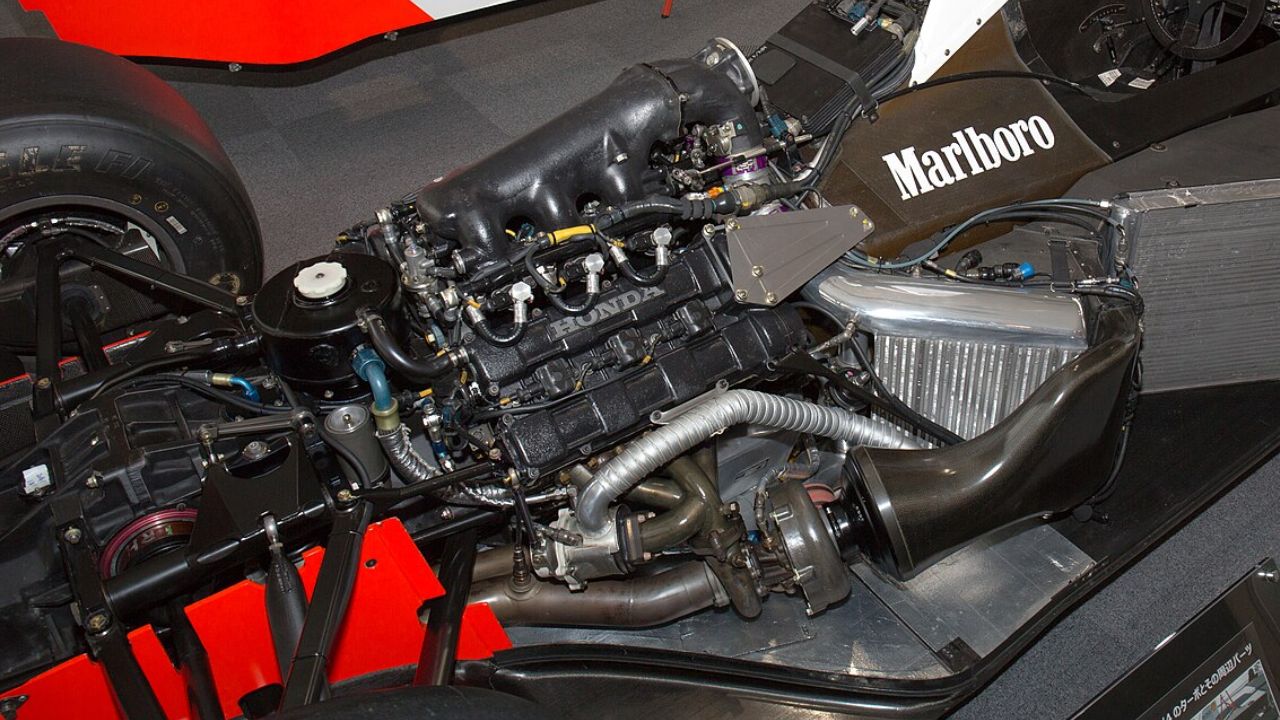
The Honda RA168E turbocharged engine was a game-changer in the 1980s Formula 1 scene. Debuting in 1988, it powered the dominant McLaren MP4/4, helping Ayrton Senna and Alain Prost secure 15 out of 16 races that season. The RA168E’s incredible power output and efficiency forced rivals to adapt quickly, as its turbocharged capabilities allowed for unprecedented performance levels. This level of dominance prompted FIA officials to introduce regulations limiting turbocharger boost levels.
The innovations of the RA168E laid the groundwork for future advancements in turbo technology within motorsport. Its success demonstrated how engineering excellence could reshape the competitive dynamics of Formula 1, making it a pivotal component in racing history. The story of this engine is a testament to Honda’s engineering legacy in motorsport excellence.
The Toyota 2JZ-GTE: The King of Street and Track
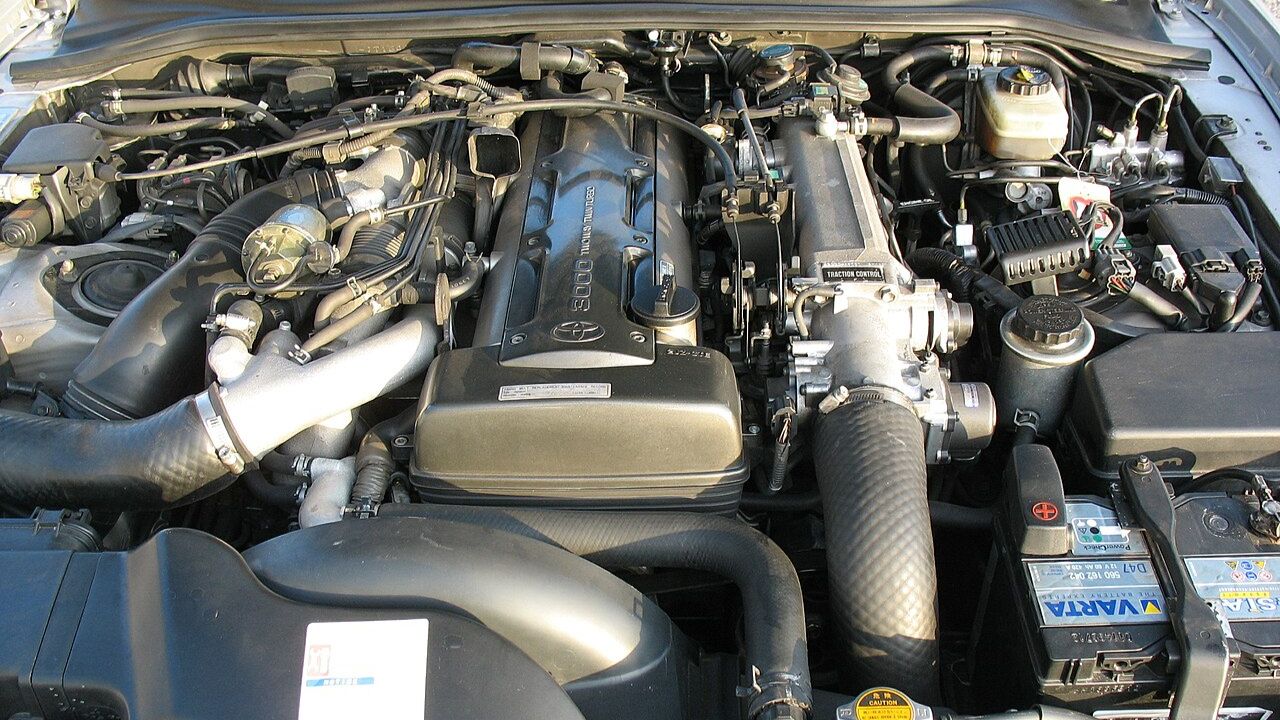
The Toyota 2JZ-GTE engine is renowned for its performance and reliability, making it a favorite among street racers and professional drift enthusiasts. Found in the 1993-2002 Toyota Supra, this inline-six engine is capable of producing over 300 horsepower in stock form, with countless modifications pushing it well beyond 1,000 horsepower. Its robust construction and advanced technology have made it a benchmark for tuners and racers alike.
The 2JZ-GTE’s impact on both street and professional racing segments is profound, with its influence visible in numerous applications, from drag racing to drifting competitions. The engine’s capability to handle significant power upgrades without sacrificing reliability has made it legendary. Its presence in popular culture, particularly in the Fast & Furious franchise, solidifies its status as an icon in automotive history.
The Cosworth DFV: The Formula for Success
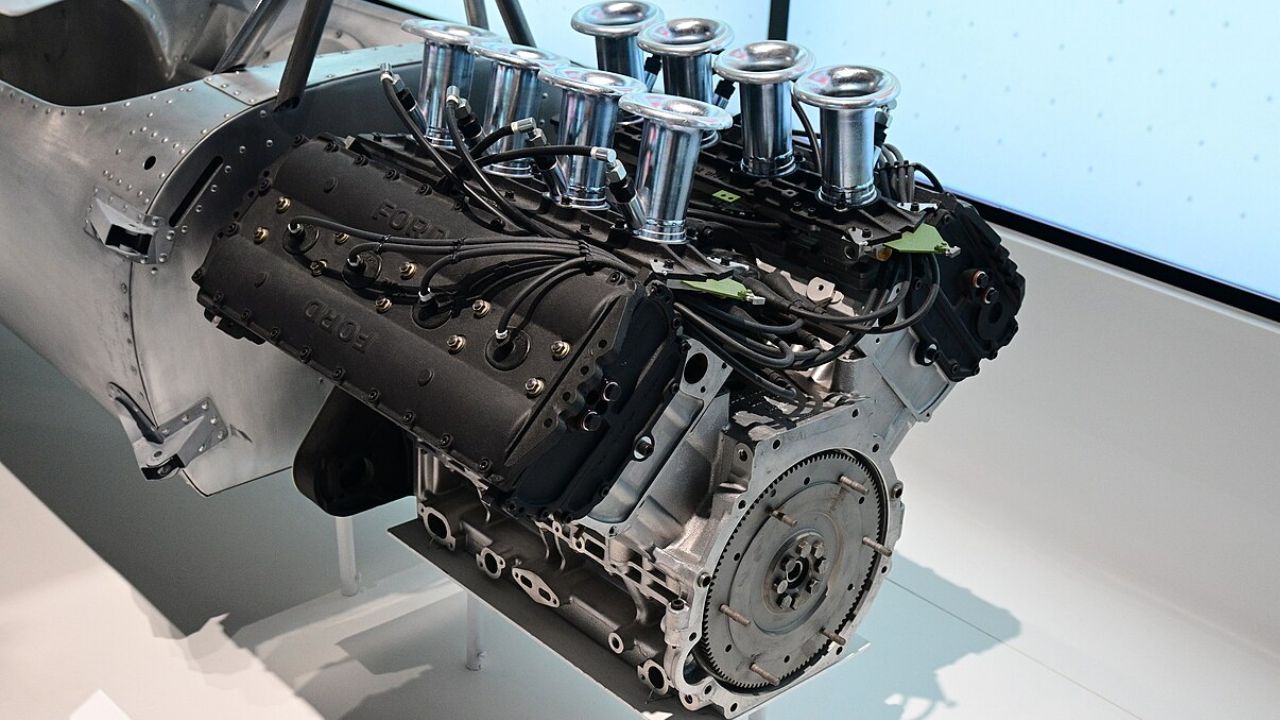
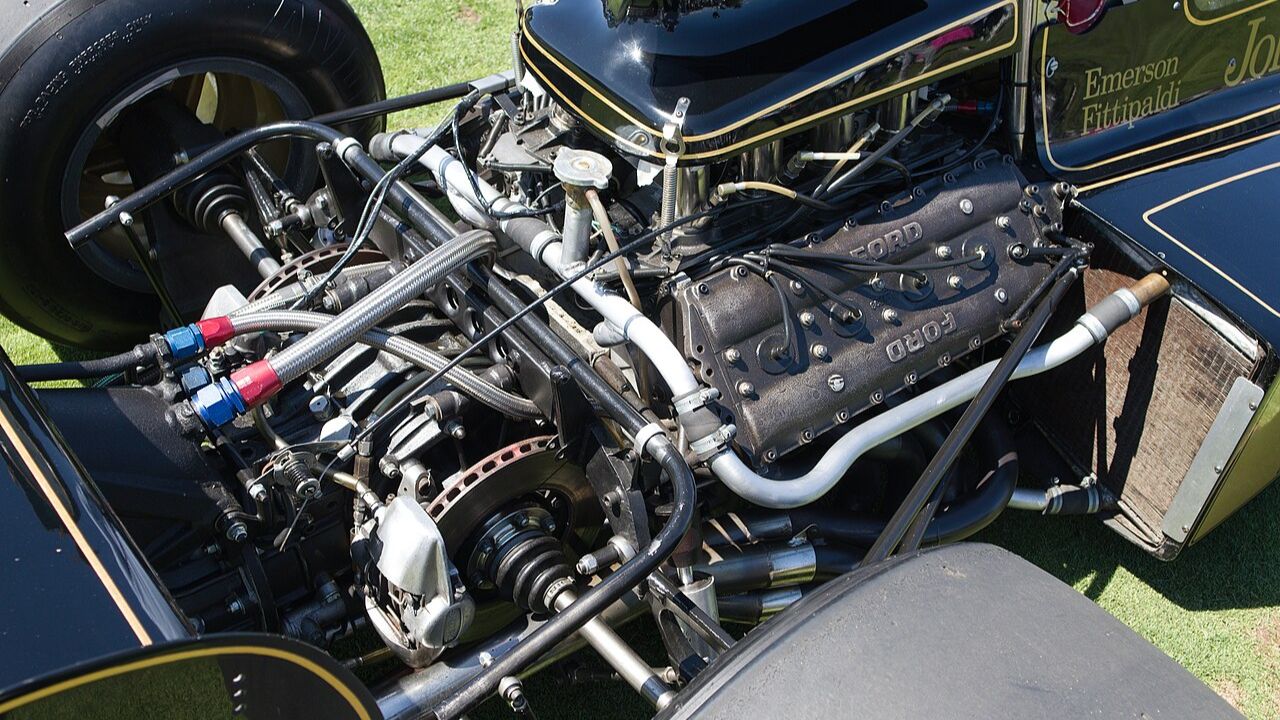
The Cosworth DFV (Double Four Valve) engine, introduced in 1967, transformed the landscape of Formula 1 racing. Its V8 configuration produced remarkable power while remaining lightweight, making it the go-to engine for numerous teams over the ensuing decades. With over 150 Grand Prix victories to its name, the DFV’s dominance prompted changes in engine regulations, as competitors scrambled to keep up with its performance.
The engineering brilliance of the DFV lies in its design, which allowed for easy maintenance and adaptability across different racing formats. Its legacy endures not only in F1 but also in various other motorsport disciplines. The effect of the DFV on the sport is profound, representing a significant chapter in the history of competitive racing.
The BMW M10: From Engine Bay to Racing Glory
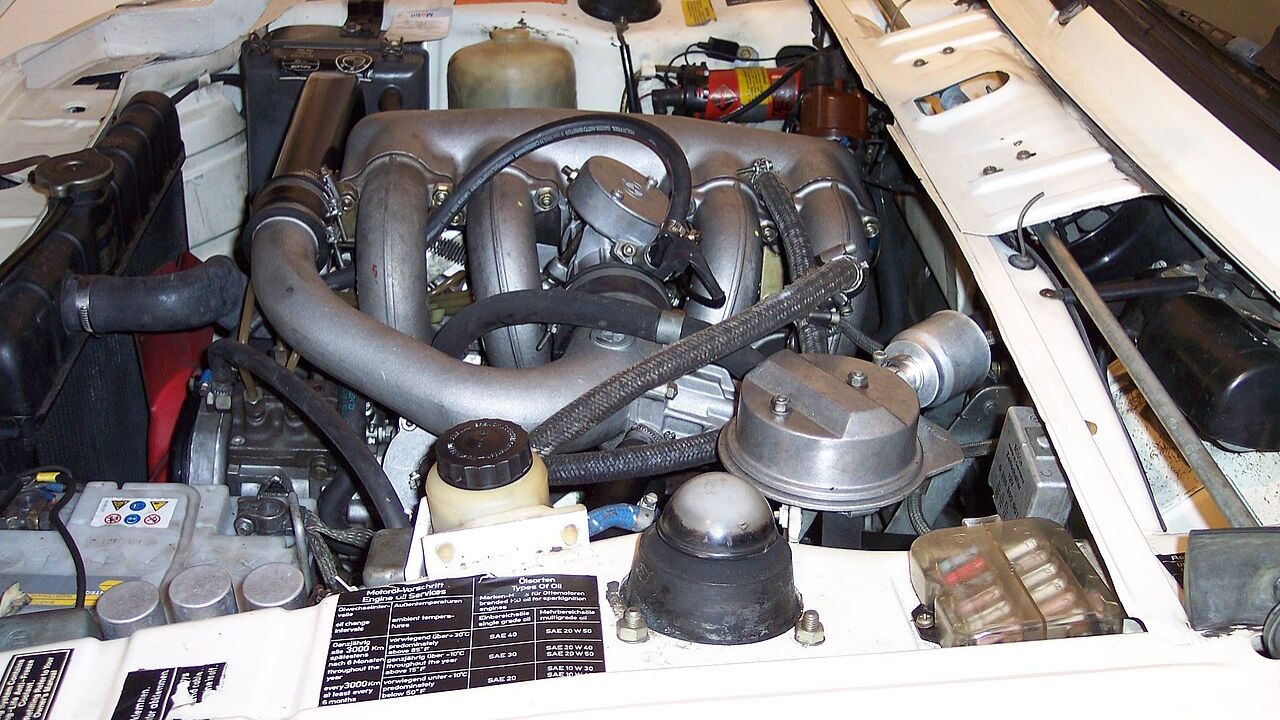
The BMW M10 engine, first produced in 1962, became a hallmark of success in motorsport, particularly in touring car racing. Its lightweight and compact design allowed for agile handling and powerful performance, making it a favorite among racers. The M10’s most notable achievement came with the BMW 2002 Turbo, which showcased its capabilities by dominating championships in the 1970s.
The M10’s influence extended beyond racing, serving as a foundation for future BMW engines. Its engineering innovations and competitive success highlighted the brand’s commitment to performance. The M10 has become a revered engine among enthusiasts, representing a significant era in BMW’s racing history.
The Mercedes-AMG F1 Power Unit: Hybrid Revolution in Racing
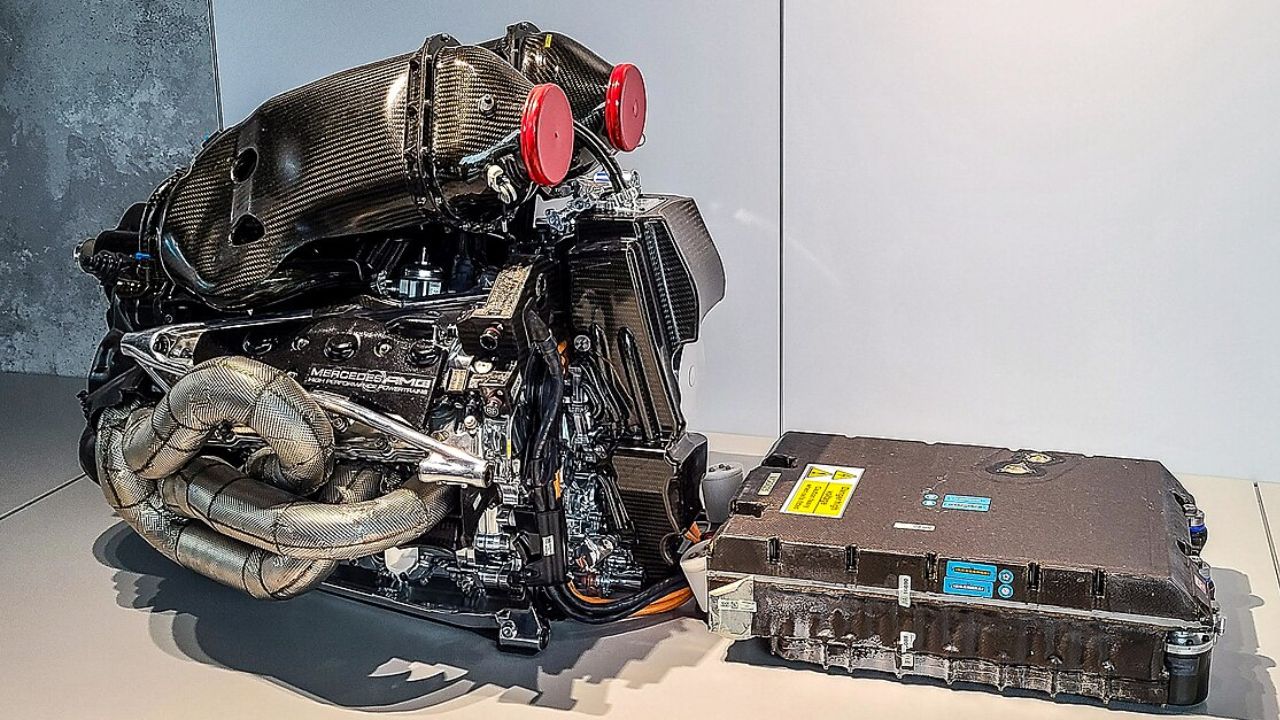
Mercedes-AMG’s F1 Power Unit, introduced in 2014, marked a pivotal shift in Formula 1 with its hybrid technology. Combining a turbocharged V6 engine with an energy recovery system, this power unit achieved remarkable efficiency and performance. Its dominance on the track contributed to Mercedes securing seven consecutive Constructors’ Championships from 2014 to 2020, prompting discussions about the future of engine regulations in the sport.
This innovative power unit not only redefined performance standards but also set a precedent for sustainability in racing. The engineering behind the Mercedes-AMG F1 Power Unit showcases how hybrid technology can achieve competitive advantages while addressing environmental concerns. As motorsport evolves, the impact of this power unit will continue to shape the future of racing.
More from Fast Lane Only