The 1993 Pontiac Firebird Trans Am did more than usher in a new model year. It reset the Firebird’s identity for the 1990s, trading sharp edges and retro cues for a slippery, almost concept-car shape and a more modern performance package. For a nameplate already loaded with pop‑culture baggage, the fourth-generation launch marked a risky bet that Pontiac could still sell a V8 pony car in a changing market.
Three decades later, that first year of the fourth generation looks like a hinge point in the broader story of the Firebird, and of Pontiac itself. The 1993 Trans Am captured both the ambition and the pressure facing General Motors’ performance division as it tried to keep pace with technology, regulation, and shifting tastes.
What happened
By the early 1990s, the third-generation Firebird that debuted for 1982 had grown dated. The car that once felt futuristic, especially in high-spec Trans Am and GTA form, was rooted in an older engineering package and styling language. Enthusiasts still loved the top trims, and some owners built formidable machines from late‑1980s Trans Am GTA models, as shown by heavily modified examples like one 1987 GTA that blended street manners with serious track performance. Yet the basic platform needed a reset.
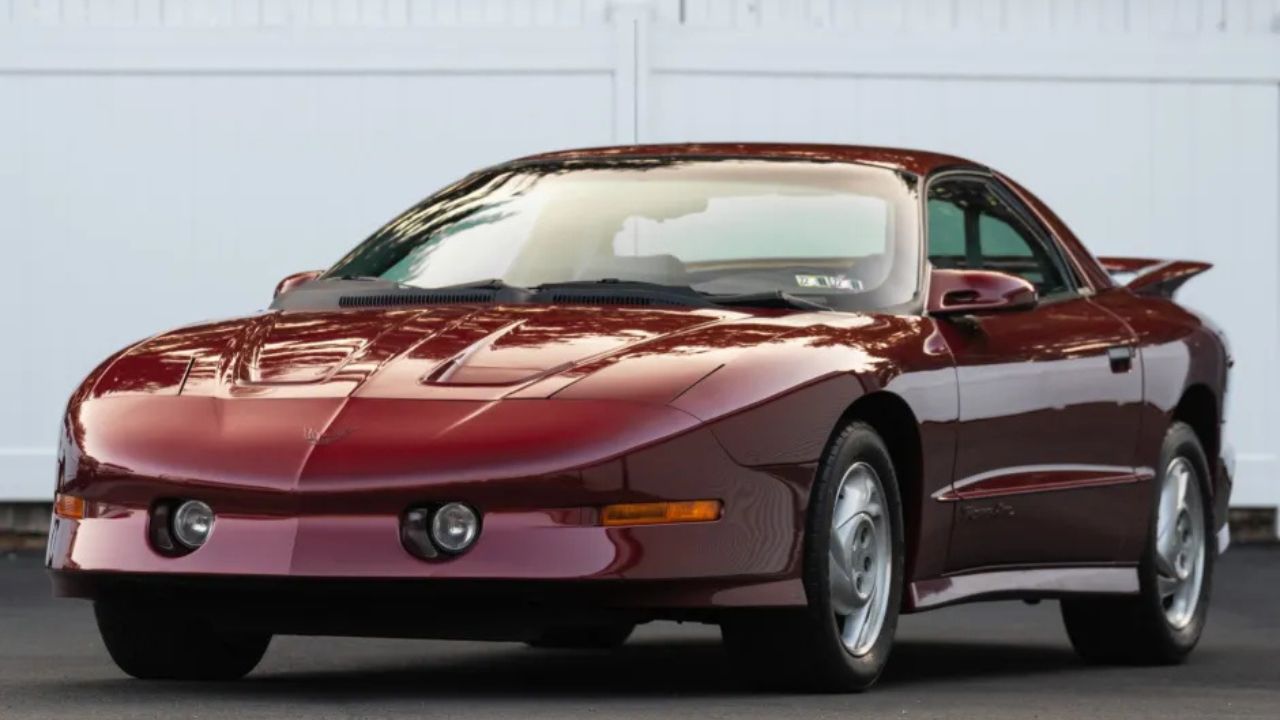
General Motors answered with the all-new fourth-generation F‑body for 1993, shared between the Chevrolet Camaro and Pontiac Firebird. On the Pontiac side, designers leaned harder into drama. The new Trans Am wore a low, pointed nose, flush headlamps, and sweeping bodywork that wrapped around the wheels. Compared with the boxier third generation, the 1993 car looked like a wind-tunnel sketch brought to life, with an aggressively raked windshield and integrated rear spoiler that visually stretched the car’s length.
Under the skin, the 1993 Trans Am moved to a more modern powertrain lineup. The big news was the adoption of the LT1 5.7‑liter V8, related to the engine used in the contemporary Corvette. In Trans Am trim the LT1 delivered strong horsepower and torque for the time, paired with either a six‑speed manual or four‑speed automatic transmission. This combination gave Pontiac a real performance flagship again, especially compared with the emissions-choked V8s that had defined much of the 1980s.
Chassis tuning also stepped up. The 1993 Trans Am used a front strut and rear torque-arm suspension layout refined from the previous generation, with larger brakes and stickier tires on the performance packages. The result was a car that could corner and stop with more confidence, while still delivering the long‑legged highway feel that Firebird buyers expected.
Inside, Pontiac followed the era’s cockpit trend. The 1993 Trans Am wrapped the driver with a sweeping dashboard and high center console, focusing controls around the steering wheel. Materials and ergonomics reflected early‑1990s GM priorities rather than luxury benchmarks, yet the cabin felt more modern than the outgoing car, with better-integrated electronics and a more cohesive design.
At launch, Pontiac framed the new Trans Am as both a technological step forward and a spiritual successor to the muscle‑era cars that built the badge. Styling nodded only lightly to the classic “screaming chicken” era, while the mechanical package leaned on contemporary engineering instead of nostalgia.
Why it matters
The 1993 Trans Am sits at a crossroads in the Firebird story. Earlier Firebirds had already carved out a distinct identity from their Camaro siblings, especially through the 1970s and 1980s, when the Trans Am became a pop‑culture fixture. Over time, that visibility and Pontiac’s “We Build Excitement” marketing helped the Firebird become a halo for the brand. A detailed history of the nameplate’s rise and eventual demise shows how the car evolved from late‑1960s pony car to 1970s style icon, then into the sharper, more technical third generation of the 1980s, before corporate decisions and market shifts led to the Firebird’s end after 2002 and Pontiac’s shutdown in 2010, as chronicled in a broader look at the rise and fall of the model.
Within that arc, the 1993 launch represents Pontiac’s last big swing at reinventing the Firebird. The fourth generation tried to prove that a traditional rear‑drive V8 coupe could still feel relevant at a time when front‑wheel‑drive sedans, minivans, and emerging SUVs dominated sales charts. The Trans Am’s Corvette‑related LT1 engine gave it real performance credibility, yet it also raised internal questions about overlap inside GM’s portfolio. Buyers could suddenly access a version of Corvette power in a more affordable, four‑seat package, which complicated the hierarchy of GM performance cars.
The 1993 redesign also matters because it set the template for how the Firebird would bow out. Later fourth‑generation cars would gain more power, especially with the LS1 V8, and styling tweaks would sharpen the already aggressive look. Yet the basic proportions, interior layout, and performance mission all trace back to that initial 1993 reboot. When Firebird production ended after the 2002 model year, the car that left the stage was still recognizably the machine introduced at the start of the decade.
For enthusiasts and collectors, the 1993 Trans Am carries a particular kind of appeal. It offers modern performance and safety relative to earlier Firebirds, yet it remains analog in character, with hydraulic steering, a manual gearbox option, and limited driver aids. The car sits in a sweet spot where it can be used and modified without the fragility or price tag of a 1970s classic, while still delivering a raw V8 experience that newer performance cars often smooth out.
That balance has helped fourth‑generation Trans Ams find a second life among budget‑minded performance fans. The broader market for older GM F‑body cars has been shaped by the fact that these coupes often share components with the Corvette, especially in their engines. Some buyers seek out cars that effectively offer a Corvette powertrain at a lower price point, a pattern highlighted in discussions of how a modern Trans Am in can deliver similar thrills for less money.
The 1993 model year also illustrates how styling can polarize and then mature into its own kind of classic. At launch, some critics argued that the new Firebird looked overwrought, with too much plastic and not enough traditional muscle‑car presence. Over time, the sleek nose, wraparound rear glass, and integrated spoiler have become hallmarks of 1990s design, making early fourth‑generation cars stand out at shows dominated by 1960s and 1970s metal.
From a brand perspective, the 1993 Trans Am shows how far Pontiac was willing to push to keep its performance image alive. The company poured resources into a low‑volume coupe even as corporate leadership increasingly focused on trucks, SUVs, and global platforms. That tension between enthusiast halo cars and mass‑market priorities would eventually shape Pontiac’s fate, but in 1993 the Firebird still had enough pull to justify a clean‑sheet redesign.
What to watch next
Interest in fourth‑generation Firebirds, including the early 1993 cars, is slowly climbing as younger enthusiasts look for affordable V8 projects. Many of these buyers grew up seeing the cars on the road or in video games, and now view them as accessible entry points into classic performance ownership. Clean, unmodified examples of 1993 Trans Ams are becoming harder to find, especially with original LT1 powertrains and factory interiors intact.
That scarcity is partly the result of how well these cars respond to modification. From the start, owners treated the 1993 Trans Am as a platform to upgrade, whether through camshaft swaps, intake and exhaust work, or full engine builds. The pattern echoes what happened with earlier models like the 1987 Trans Am GTA, where enthusiasts transformed showroom cars into personalized performance machines, as seen in long‑term builds such as the heavily reworked GTA that combined drag‑strip power with daily‑driver reliability.
More From Fast Lane Only: