The 1999 Dodge Viper GTS wasn’t just fast—it was feral. This car made no effort to play nice or hide its aggression. It was loud, hot, and impatient, like it was always itching for a fight. With no traction control or stability aids, the GTS demanded complete driver focus, and it punished mistakes without hesitation. For some, it was intoxicating. For others, it was too much car, full stop.
That 8.0-liter V10 didn’t care about finesse

Under the hood sat an aluminum 8.0-liter V10 producing 450 horsepower and 490 lb-ft of torque. It wasn’t a rev-happy engine—it was all about brute force. Originally developed with Lamborghini’s input when Chrysler owned it, the V10 wasn’t refined but made plenty of noise and got the job done. It made the Viper feel more like a sledgehammer than a sports car.
No traction control, no excuses

The 1999 GTS came with no traction control, no ABS, and no stability systems. If you lost it in a corner, that was on you. It was part of the appeal and part of the fear. Dodge didn’t build this for the average driver—they built it for people who didn’t want a safety net and didn’t mind living a little sideways.
The cabin cooked your legs
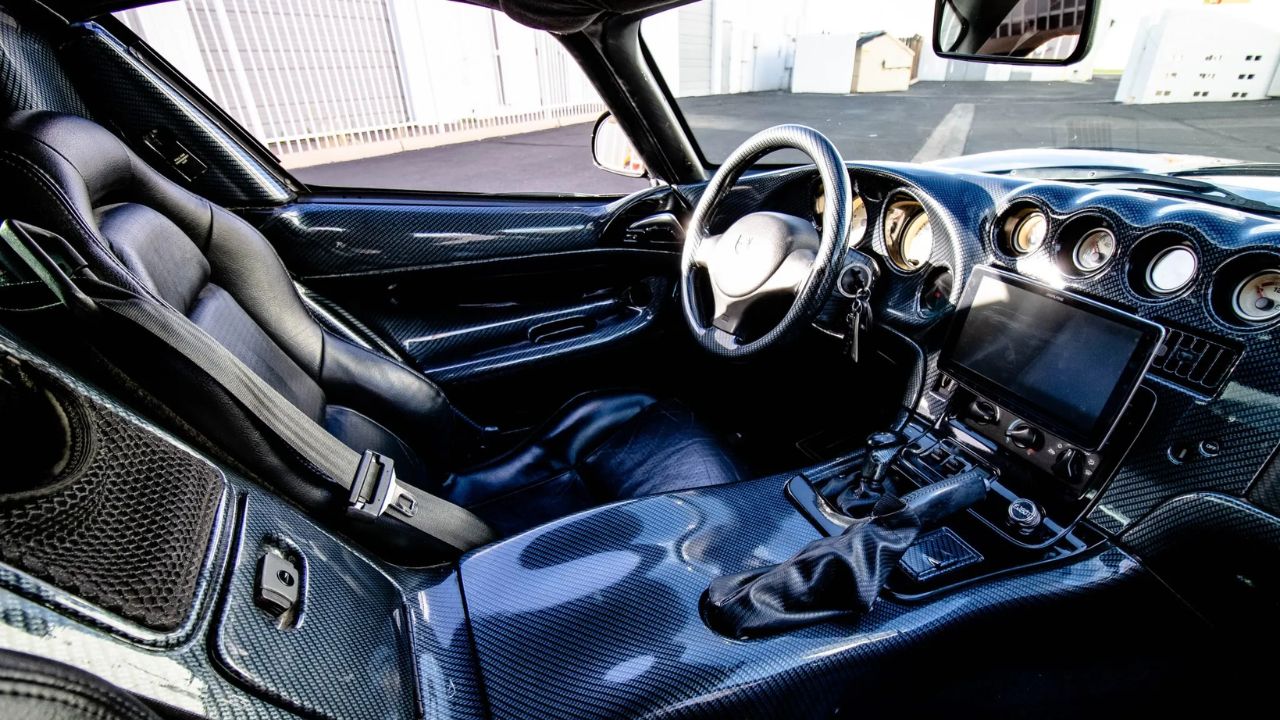
The Viper GTS was notorious for its cabin heat. With side-exit exhaust and minimal insulation, long drives meant roasting your legs and sweating through your shirt. AC helped, but barely. Comfort was an afterthought—this was a car built to perform, not to pamper.
It went 0–60 in 4 seconds flat

Despite its raw personality, the GTS could back up its attitude. It hit 60 mph in just 4 seconds and did the quarter-mile in 12.2. That was supercar territory in 1999. With enough traction, it could even break into the high threes—if you had the nerve and the tires to match.
The chassis punished bad roads—and drivers

The Viper’s chassis was stiff, and the ride was brutal. Bumps were harsh, and rough roads were unforgiving. If you drove it hard, it rewarded precision. If you got sloppy, it bit back. It handled well when pushed properly, but it was never forgiving—and that kept you honest.
It still had roll-up windows not long before

The early Vipers had no side windows, no exterior door handles, and no roof. By 1999, things had improved, but it still felt stripped-down compared to other performance cars. It had power windows and locks by then, but luxury wasn’t a priority. You got a seat, a shifter, and a lot of engine noise.
It was built in a corner of a Chrysler plant

Vipers were hand-assembled at the Conner Avenue Assembly Plant in Detroit. Workers built each car in low volumes, and quality control was hands-on. These weren’t mass-produced machines—they were personal projects with just enough corporate oversight to keep things street legal.
It weighed just under 3,400 pounds
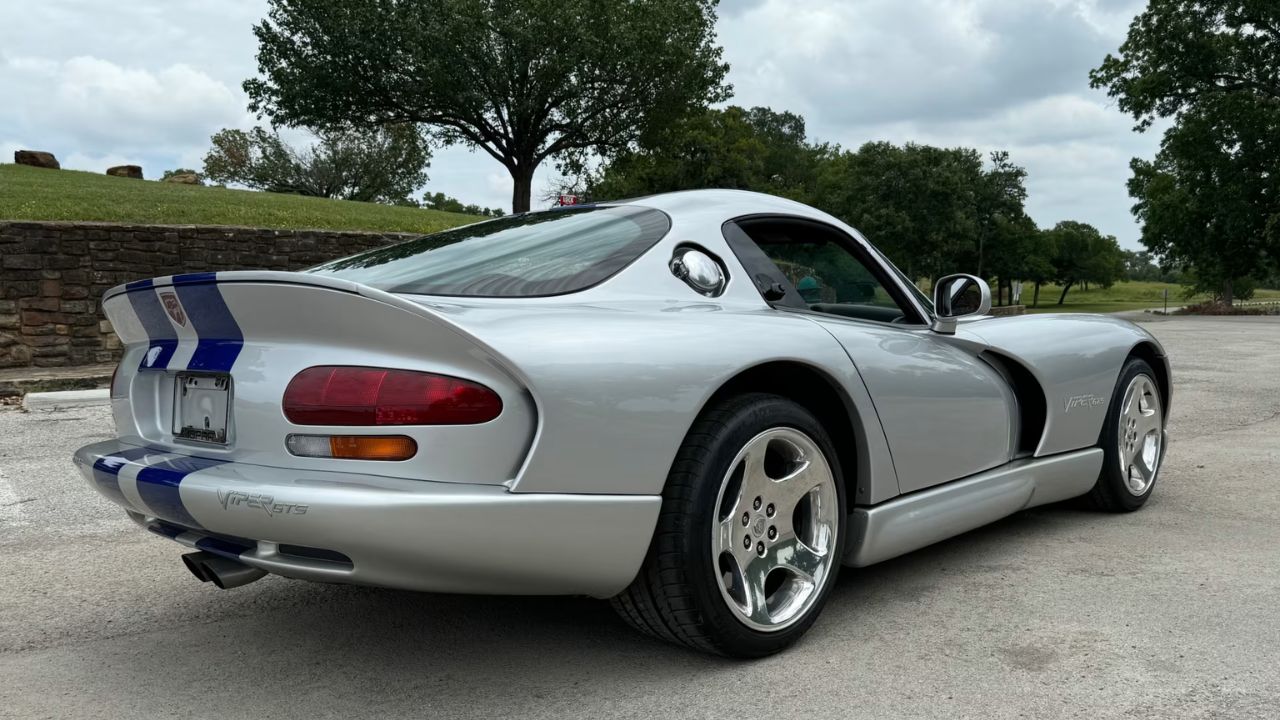
Despite the massive engine, the GTS stayed relatively lean at 3,360 pounds. That gave it an aggressive power-to-weight ratio, which, combined with a short wheelbase and wide track, made it twitchy under throttle. It was quick to rotate and even quicker to remind you if you overcooked it.
The hood cost more than some used cars

One of the most expensive parts on the Viper was the enormous clamshell hood. Made from composite materials and spanning nearly the entire front end, it cost thousands to replace. A minor front-end bump could turn into a four-figure repair without even cracking the engine block.
It was never meant to be practical
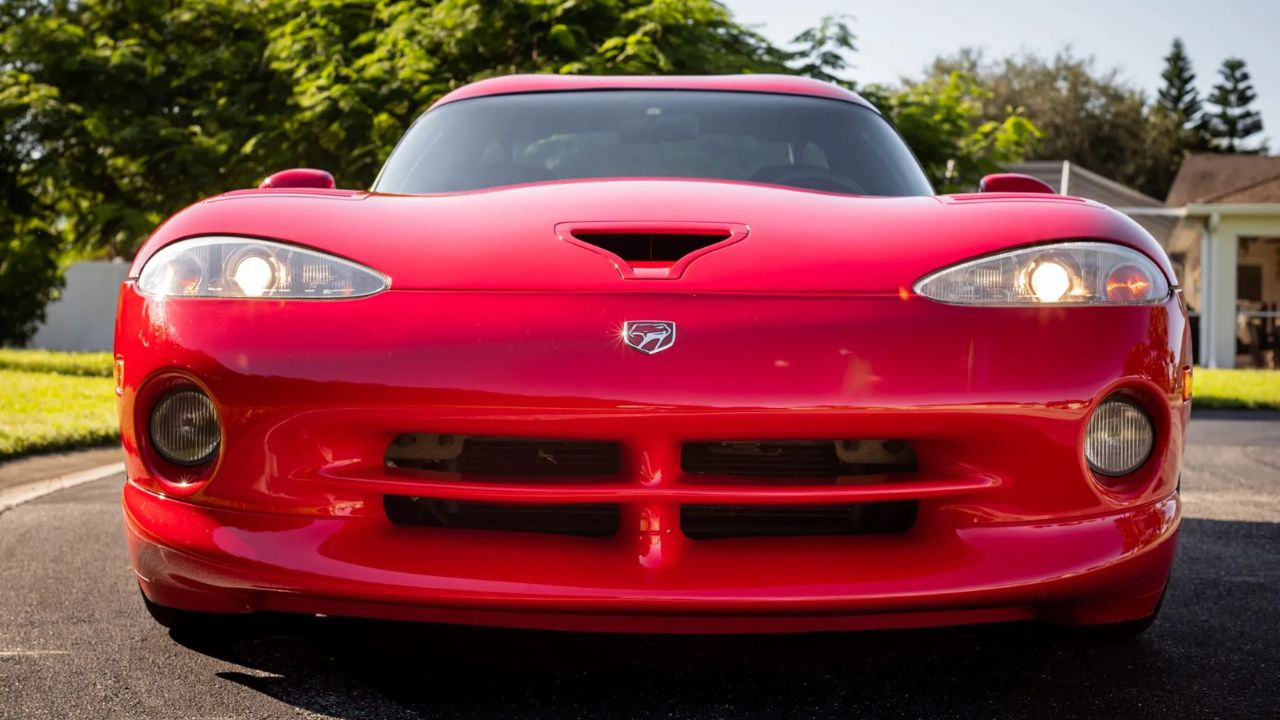
With a tiny trunk, heavy clutch, and a thirst for premium fuel, the 1999 Viper GTS made no apologies. It wasn’t for commuting. It wasn’t for comfort. It was built to terrify Ferraris and thrill its driver—and that’s exactly why it was too wild for most people to handle.
Like Fast Lane Only’s content? Be sure to follow us.
Here’s more from us: