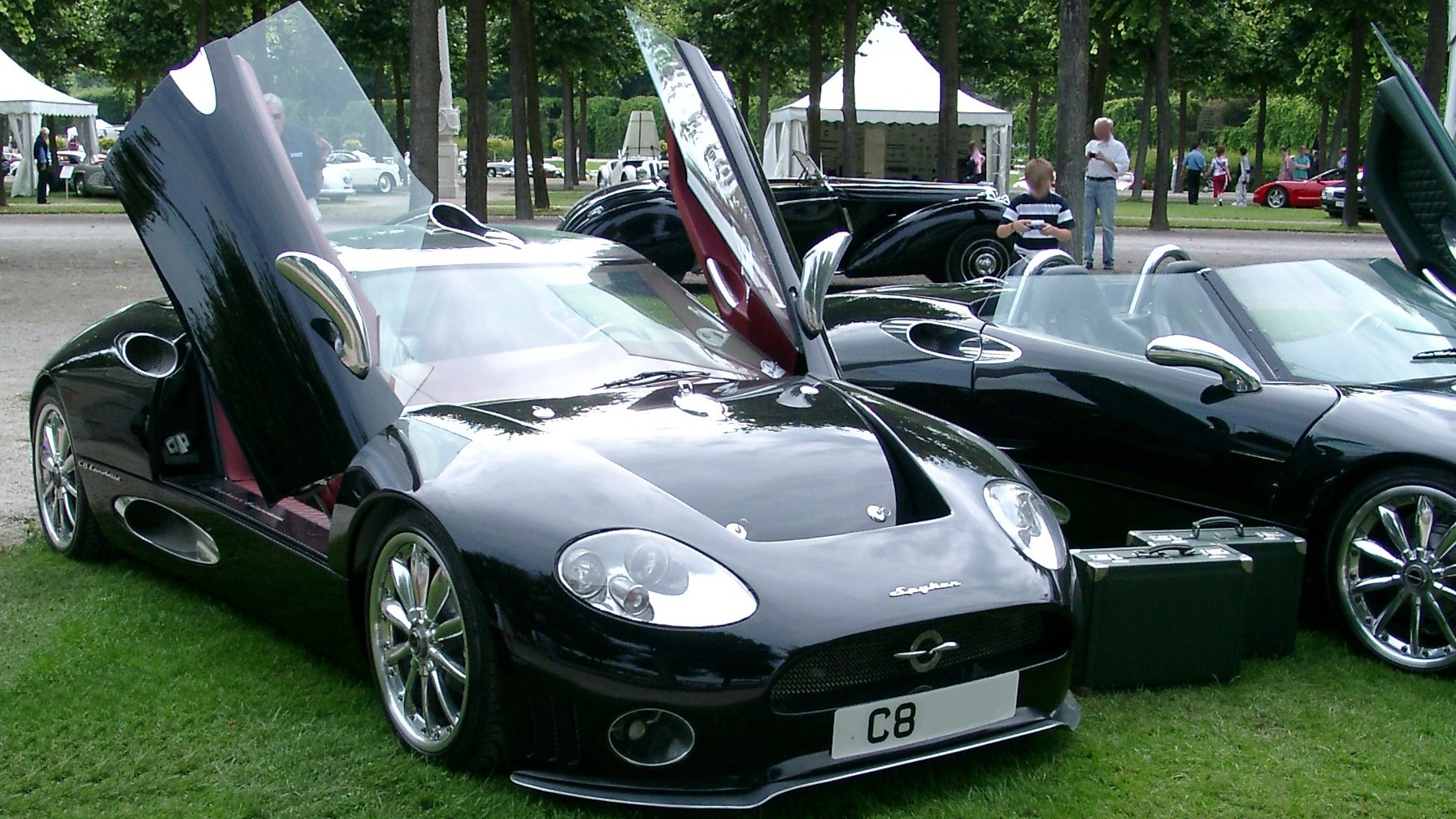
The 2006 Spyker C8 Laviolette arrived at a time when carbon fiber tubs and wind‑tunnel efficiency were becoming supercar clichés, yet it chose a different path. Built around hand‑formed aluminum panels and an unapologetically mechanical cockpit, it treated metalwork as both structure and spectacle. The result was a low‑volume Dutch exotic that used craftsmanship, not just performance numbers, to stand apart from mainstream rivals.
Instead of hiding its engineering under plastic covers and touchscreens, the C8 Laviolette turned every latch, rivet, and polished surface into part of the theater of driving. Its bespoke aluminum construction, from the external bodywork to the exposed interior framework, made the car feel closer to a coachbuilt aircraft than a typical mid‑2000s supercar.
From Dutch dream to aluminum reality
Spyker Cars emerged from the Netherlands with a clear idea: revive a historic nameplate and build ultra‑low‑volume sports cars that celebrated traditional craftsmanship. The C8 line, including the 2006 Laviolette, sat at the center of that ambition. Rather than outsourcing body production to large suppliers, the company committed to hand‑built aluminum construction that could be tailored in minute detail for each customer.
The C8 Laviolette shared its basic architecture with other C8 variants, using an aluminum spaceframe chassis combined with aluminum body panels that were shaped and finished largely by hand. This approach allowed the car to maintain a relatively low curb weight while still delivering the visual drama expected of a mid‑engine supercar. The brand emphasized that each car could be configured with bespoke colors, finishes, and trim, turning the underlying metalwork into a flexible canvas rather than a fixed industrial product.
Under the rear glass sat an Audi‑sourced V8, mounted longitudinally and paired with a manual gearbox. The powertrain choice helped keep development costs under control and ensured reliability, which in turn freed Spyker to spend more effort on the visible and tactile qualities of the car. The engineering may have borrowed from a larger manufacturer, but the way that hardware was framed in aluminum, leather, and exposed fasteners was entirely Spyker’s own.
A cabin that celebrates exposed metal
Nowhere did the brand’s obsession with aluminum show more clearly than in the cabin of the C8 Laviolette. The dashboard appeared as a polished alloy wing, studded with toggle switches and round gauges, all arranged with a deliberate aviation influence. The gearlever rose from an open, machined gate, with the linkage visible through the narrow slots. Rather than hiding the structure, Spyker turned the metal into jewelry.
The steering wheel, pedals, and door handles all continued this theme. Surfaces that would normally be covered in plastic or soft trim often remained bare metal, carefully finished to avoid harsh edges yet left visually honest. The effect was a cockpit that felt like a vintage aircraft updated for modern road use. While other brands used aluminum as a decorative accent, the C8 Laviolette treated it as the primary material language of the interior.
Seats were trimmed in rich leather with quilted stitching, but even there, aluminum details framed the craftsmanship. Seat frames, adjustment mechanisms, and even the seatbelt anchors were highlighted rather than hidden. Customers could specify unique color combinations and stitching patterns, yet the bright metal elements ensured that the cabin always read as a mechanical object first and a fashion piece second.
Exterior design as a rolling metal sculpture
From the outside, the 2006 C8 Laviolette looked less like a contemporary supercar and more like an Art Deco concept brought to life. A low nose, prominent front intake, and flowing fenders that bled into muscular rear haunches defined its stance. The aluminum bodywork carried subtle creases and radii that signaled hand shaping rather than mass‑production stamping. Panel gaps were tight but not clinically uniform, giving the car a slightly organic presence.
The Laviolette variant distinguished itself with a fixed glass roof section instead of the open‑top configuration of the Spyder. That roof, framed by polished metal supports, reinforced the aircraft inspiration that ran through the car. Side windows carried distinctive polished surrounds, and the mirrors perched on delicate metal stalks that looked almost too pretty to be functional.
Even the lighting and vents carried the aluminum theme. The front and rear lamps sat in sculpted housings that appeared milled rather than molded. Side air intakes featured metal surrounds with visible fasteners, suggesting that they could be removed and reworked just like aircraft panels. The fuel filler cap, often an afterthought on other cars, became a bright metal feature that evoked vintage racing machinery.
Hand‑built structure and the appeal of small‑batch production
Under the skin, the C8 Laviolette relied on an aluminum spaceframe that combined extrusions and castings, bonded and riveted to create a rigid platform. This construction method, while more labor-intensive than a conventional steel monocoque, allowed Spyker to keep weight in check and adapt the structure for different body styles without retooling an entire factory. It also suited the company’s low production volumes, where flexibility mattered more than economies of scale.
Each chassis and body shell moved through a build process that looked closer to coachbuilding than assembly line work. Panels were aligned and adjusted by hand, and the visible rivets and fasteners formed part of the visual identity of the car. That approach let Spyker accommodate bespoke requests, from unique paint finishes to specific aerodynamic details, without disrupting a massive production schedule.
The tradeoff came in cost and time. Hand‑built aluminum structures require skilled labor and careful quality control, which pushed the C8 Laviolette into a price bracket that rivaled larger, more powerful supercars from established brands. For buyers who valued individuality and craftsmanship, that premium became part of the appeal. The car signaled not just wealth, but a preference for artisanal engineering over mass‑market performance metrics.
Performance framed by character, not lap times
On paper, the 2006 Spyker C8 Laviolette delivered performance that aligned with its era’s mid‑engine sports cars, though not at the end of the spectrum. The Audi V8 provided strong power and a distinctive soundtrack, while the aluminum chassis kept overall mass reasonable. The car’s handling reflected its compact dimensions and mid‑engine layout, giving drivers a responsive, communicative experience.
Yet the C8 Laviolette was never defined solely by acceleration figures or top speed claims. The exposed gear linkage, the heavy mechanical feel of the controls, and the visible metalwork all combined to create a sense of occasion that many faster cars lacked. Owners were buying a driving experience that felt analog and crafted, not just a set of numbers to compare at a track day.
The aluminum craftsmanship also shaped the way the car aged. Minor patina on polished surfaces, slight wear on alloy switchgear, and the way light played across the body panels all contributed to a sense that each car developed its own character over time. Rather than chasing a flawless, plasticized perfection, the C8 Laviolette allowed its materials to tell a story.
Context within Spyker’s evolving lineup
The C8 Laviolette occupied a key position in Spyker’s lineup as the company worked to expand and refine its offerings. Later, the brand introduced the C8 Aileron, which evolved the basic concept with different styling and updated engineering. That car eventually reached the end of its production run, with reports that Spyker planned to end C8 Aileron production after a limited final series.
That decision highlighted how fragile small‑scale supercar manufacturing can be. Brands like Spyker depend on a narrow band of buyers who appreciate artisanal construction and are willing to accept the tradeoffs that come with it. As tastes shift toward higher technology and digital interfaces, maintaining a business around hand‑built aluminum cars becomes increasingly challenging.
Viewed in that context, the 2006 C8 Laviolette looks even more distinctive. It represents a moment when Spyker was fully committed to its original vision, before later financial pressures and strategic pivots began to reshape the company’s trajectory. The car’s metalwork and design choices capture the optimism of a brand that believed there was still room in the market for coachbuilt‑style exotics.
Craftsmanship on display at major shows
Spyker used international auto shows to showcase the C8 family’s hand‑built qualities, often presenting cars in vivid colors that highlighted the aluminum surfacing. At one major event, the company displayed a C8 variant with detailed explanations of its construction, emphasizing the hand‑crafted aluminum body and aviation‑inspired interior. These appearances positioned the brand as a boutique alternative to mainstream supercar makers.
Show visitors could see the polished gear gate, the exposed rivets, and the intricate metal switchgear up close, which helped translate the company’s craftsmanship message into something tangible. For potential buyers, those details offered reassurance that the high price tag reflected real labor and artistry rather than marketing alone.
The presence of the C8 Laviolette and its siblings at such events also reinforced the idea that traditional metalworking skills still had a place in modern car design. While many competitors focused on carbon fiber monocoques and electronic driver aids, Spyker’s stand looked like a celebration of analog engineering and hand‑finished surfaces.
Why the 2006 Laviolette still resonates
More than a decade after its debut, the 2006 Spyker C8 Laviolette continues to attract attention from collectors and enthusiasts who value craftsmanship. Its aluminum construction, both structural and cosmetic, gives it a tactile quality that digital‑heavy modern supercars often lack. The car invites close inspection, rewarding the viewer with small details: a machined knob here, a polished hinge there, each one a reminder of the hands that built it.
In an era when many performance cars share platforms and parts across multiple brands, the C8 Laviolette stands out for its singular identity. The combination of Dutch design, Audi mechanicals, and coachbuilt‑style metalwork created a car that feels personal rather than corporate. That individuality helps explain why the model retains a loyal following even as newer, faster machines enter the market.
The car also serves as a reference point in discussions about what makes a supercar special. For some, the answer lies in outright speed and track capability. For others, the appeal comes from craftsmanship, rarity, and the sense that a car has been built rather than manufactured. The C8 Laviolette sits firmly in the latter camp, and its aluminum artistry is central to that identity.
What comes next for aluminum artistry in exotics
Looking ahead, the kind of hand‑built aluminum work seen on the 2006 Spyker C8 Laviolette faces both challenges and opportunities. On one hand, tightening regulations and the push toward electrification make it harder for small manufacturers to justify low‑volume combustion‑engine projects with labor‑intensive construction. On the other hand, there remains a niche market for vehicles that offer a tactile, mechanical experience that digital‑first cars cannot replicate.
Larger brands have begun to adopt more visible metalwork in limited‑run models, borrowing some of the visual language that companies like Spyker helped keep alive. Exposed gear gates, milled aluminum switchgear, and hand‑finished body panels appear in special editions that aim to connect with enthusiasts who miss analog design. Yet few of those cars commit to the level of metal‑centric identity that defined the C8 Laviolette.
More from Fast Lane Only
- Unboxing the WWII Jeep in a Crate
- 15 rare Chevys collectors are quietly buying
- 10 underrated V8s still worth hunting down
- Police notice this before you even roll window down
*Research for this article included AI assistance, with all final content reviewed by human editors.