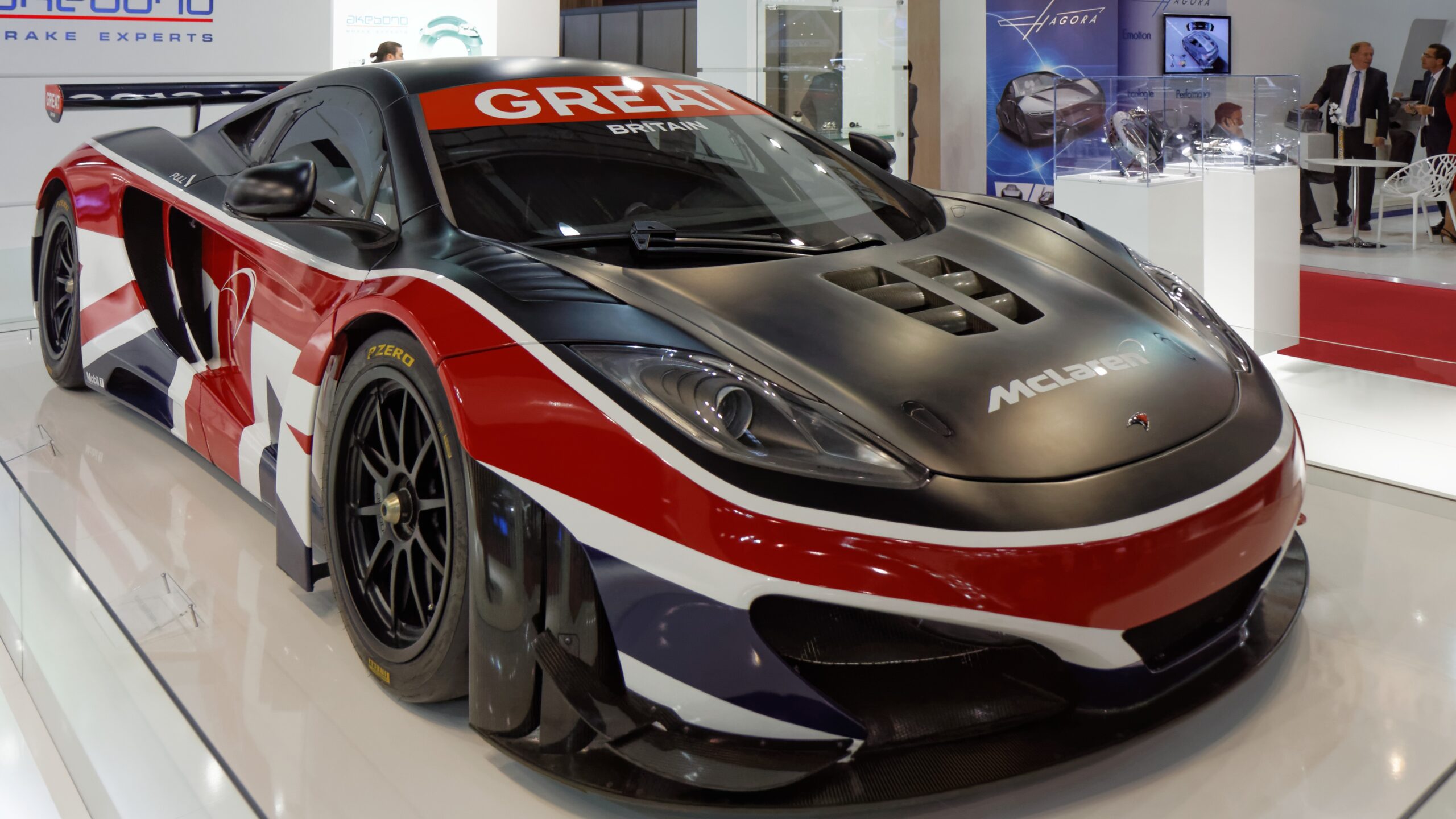
The McLaren MP4-12C arrived without the fireworks that usually surround a new supercar, yet it quietly reset expectations for how a mid-engine exotic could be engineered, driven, and even used every day. Where rivals leaned on drama and heritage, McLaren treated its first modern road car as a clean-sheet technology project, prioritizing data, usability, and repeatable performance over theatrics.
At a glance, the 2012 MP4-12C appears to be a fairly restrained wedge of carbon fiber and aluminum. Study how it was conceived, built, and later evolved, and it becomes clear that this car marked a turning point for the supercar world, one that other manufacturers have been circling ever since.
A clean-sheet return to road cars
McLaren’s decision to create the MP4-12C signaled a return to road-car production after the legendary F1. Rather than chasing nostalgia, the company built a new technical backbone around a one-piece carbon fiber tub called the MonoCell. This central cell, bonded to aluminum front and rear structures, delivered a very stiff chassis with low weight and high crash protection, all while being designed for series production rather than ultra-limited runs.
That approach contrasted with the more traditional aluminum spaceframes and steel structures still common among supercars of the early 2010s. By committing to a carbon tub as the basis for a whole future family of models, McLaren treated the MP4-12C as an industrial platform as much as a halo car. The tub’s compact dimensions also shaped the car’s proportions, allowing a relatively narrow cockpit and short overhangs that gave the 12C its tidy footprint on the road.
Engineering first, theatrics second
From the start, the MP4-12C reflected McLaren’s racing mindset. Power came from a compact 3.8-liter twin-turbocharged V8 mounted low and close to the center of the chassis to optimize weight distribution. Instead of chasing headline displacement or cylinder counts, the engineers focused on power density and efficient packaging. The engine’s dry sump lubrication allowed it to sit lower in the chassis, which in turn reduced the center of gravity and improved handling stability.
The seven-speed dual clutch gearbox, mounted directly behind the engine, further concentrated mass between the axles. Gear changes were controlled by a single rocker-style paddle that could be pulled from either side of the steering wheel, a small ergonomic choice that reflected the team’s obsession with driver focus. Together, these choices produced a car that delivered rapid, near-seamless shifts with minimal disruption to the chassis, more in line with a racing prototype than a traditional road-going exotic.
Hydraulic suspension and the war on compromise
Where the MP4-12C most clearly diverged from its contemporaries was in its suspension. In place of conventional anti-roll bars, the car used an interconnected hydraulic system that linked the dampers across each axle and from side to side. In simple terms, the system allowed the car to separate ride comfort from roll stiffness, two traits that usually fight each other in suspension design.
In normal driving, the hydraulics let the car breathe over bumps with a pliant, almost luxury-grade ride. Under cornering load, the same system firmed up roll resistance to keep the body flat and the tires fully engaged. Drivers could adjust both handling and powertrain responses through separate rotary controls, which meant the suspension could be set to a softer mode even when the engine and gearbox were in their most aggressive settings.
This dual personality marked a shift in how a supercar could behave. Rather than accepting that extreme performance had to come with a punishing ride, McLaren used hydraulics and software to chase both comfort and grip. That philosophy has since spread across the segment, from adaptive dampers to complex active roll systems, but the MP4-12C presented one of the clearest early statements of intent.
Aerodynamics shaped by simulation
The MP4-12C’s bodywork reflected heavy use of computational fluid dynamics and wind tunnel work. Its relatively clean surfaces hid a network of vents, channels, and intakes that managed airflow for cooling and downforce without resorting to large fixed wings. The most visible element was the active rear airbrake, which could tilt up under heavy braking to increase drag and stability, then settle back into the body at speed.
Airflow around the side pods and through the rear deck was tuned to feed the radiators and turbochargers while minimizing drag. At the front, the bumper and splitter guided air around the wheels and under the chassis, where subtle shaping helped generate stability. The overall result was a car that produced meaningful downforce without the overt aggression of track specials, consistent with McLaren’s preference for function over show.
Cabin design and everyday usability
Inside, the MP4-12C continued the theme of rational, driver-centered design. The cabin positioned the driver close to the centerline, with a slim center console and relatively thin door panels made possible by the carbon tub. Visibility was better than in many rivals, aided by narrow A-pillars and large side windows, which made the car less intimidating in traffic and on narrow roads.
The layout of controls followed a clear hierarchy. The two main rotary knobs for handling and powertrain modes sat high on the console within easy reach, while secondary functions were grouped logically. The doors opened upward in a signature dihedral motion, yet the opening was designed to require modest clearance, which helped in tighter parking spaces. Taken together, these details reinforced the idea that the MP4-12C was meant to be driven often, not stored as a fragile collectible.
Data-driven development and continuous improvement
McLaren leaned heavily on simulation and telemetry in the development of the MP4-12C. The company’s experience in Formula 1 informed its use of driver-in-the-loop simulators, which allowed engineers to iterate chassis and powertrain settings virtually before committing to physical prototypes. This process shortened development cycles and encouraged a mindset of ongoing refinement rather than one-time sign-off.
The same philosophy carried into customer cars. McLaren treated software as a key performance component, which meant that updates to engine mapping, gearbox calibration, and even suspension behavior could be rolled out to existing owners. Instead of waiting for a mid-cycle facelift to address feedback, the company could improve cars already on the road, an approach that has since become more common as vehicles gain more electronic control.
Design language and the X-1 experiment
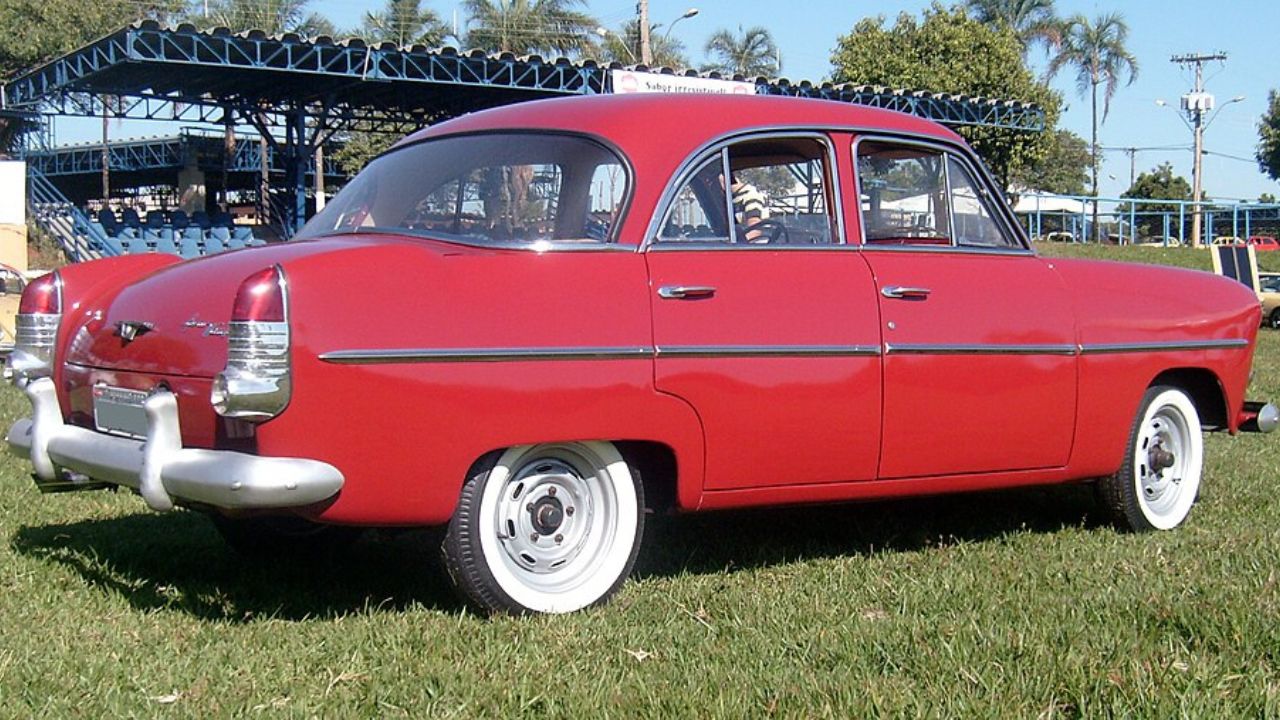
The MP4-12C established a visual template that McLaren would extend and experiment with across future models. Its teardrop cabin, side intakes, and distinctive headlamp shape became familiar cues. At the same time, the car’s underlying structure allowed for more radical interpretations, as seen in the one-off McLaren X-1, which used the 12C’s carbon tub and mechanical package under completely bespoke coachwork. That car drew on a wide mix of inspirations, including a Chrysler concept referenced in an analysis of the X-1 design, and showed how flexible the core platform could be when clients requested something more eccentric.
By anchoring even such an extreme commission to the MP4-12C’s structure and running gear, McLaren demonstrated that its modular approach could support both series production and ultra-low-volume projects. The same carbon tub concept would later underpin coupes, spiders, and more track-focused variants, all while preserving a consistent driving character.
Performance numbers and real-world pace
On paper, the MP4-12C’s figures placed it in direct contention with established Italian supercars. Its twin turbo V8 produced well over 500 horsepower, with torque delivery shaped by turbocharging rather than high-revving naturally aspirated power. Combined with the rapid dual clutch shifts and relatively low curb weight, this gave the car very strong acceleration and high-speed capability.
Yet the character of that performance differed from some rivals. The turbos delivered a broad, muscular surge rather than a peaky crescendo, and the gearbox prioritized speed and smoothness over drama. The hydraulic suspension kept the body calm even under heavy braking and quick direction changes, which meant the car could cover ground extremely quickly without feeling nervous or harsh. This balance between outright speed and composure became part of McLaren’s identity and influenced how other manufacturers tuned their own high-performance models.
Quiet confidence instead of heritage storytelling
One of the most striking aspects of the MP4-12C’s launch was how little it leaned on nostalgia. McLaren referenced its F1 success and the earlier F1 road car, but the messaging focused far more on engineering metrics than on romantic narratives. The company positioned itself as a technology firm that happened to build supercars, rather than as a traditional luxury marque.
This approach contrasted with the marketing of many competitors, which often leaned into decades of racing lore, national identity, and emotional storytelling. McLaren’s tone was more clinical, sometimes to a fault, yet it helped establish a distinct space in the market. The MP4-12C appealed strongly to buyers who valued measurable performance, cutting-edge materials, and a sense of being at the forefront of automotive engineering.
Influence on later McLarens and rival brands
The architecture and ideas introduced with the MP4-12C set the template for McLaren’s later range. The same basic carbon tub concept, twin turbo V8 layout, dual clutch gearbox, and hydraulic suspension philosophy appeared in subsequent models, often with incremental refinements. Each new car built on the 12C’s foundation, whether through increased power, more aggressive aero, or revised electronics.
Competitors took notice. The combination of a relatively comfortable ride with track-grade performance encouraged other manufacturers to invest more heavily in adaptive suspension and active chassis systems. The focus on mid-size turbocharged engines with high specific output, rather than very large naturally aspirated units, foreshadowed a broader industry shift toward forced induction for emissions and efficiency reasons as well as outright power.
The idea of treating a supercar as a platform for continuous software and hardware updates also gained traction. Over time, the market moved closer to McLaren’s view that a high-performance car could be both an emotional object and a rolling technology demonstrator.
Why the MP4-12C still matters
Looking back, the MP4-12C stands as a turning point where a new kind of supercar philosophy moved from concept to showroom. It showed that a car in this category could be shaped as much by simulation and data as by tradition, that comfort and usability did not have to be sacrificed for lap times, and that a carbon tub could form the basis of a scalable product family rather than a one-off halo.
Many of the traits that define modern high-end performance cars, from turbocharged mid-size engines to active chassis systems and software-driven updates, were present in focused form in McLaren’s first modern road car. The MP4-12C did not shout about its innovations, but they have echoed across the segment ever since, quietly reshaping expectations of what a supercar can and should be.
More from Fast Lane Only
- Unboxing the WWII Jeep in a Crate
- 15 rare Chevys collectors are quietly buying
- 10 underrated V8s still worth hunting down
- Police notice this before you even roll window down
*Research for this article included AI assistance, with all final content reviewed by human editors.