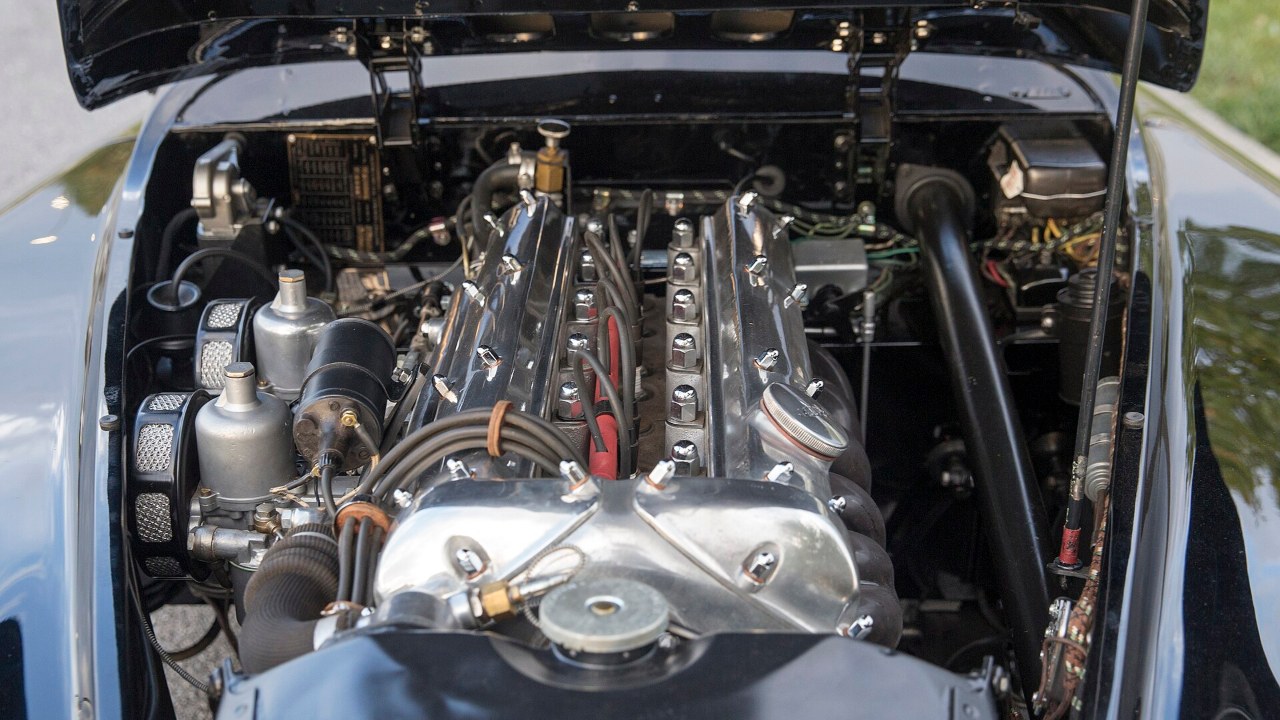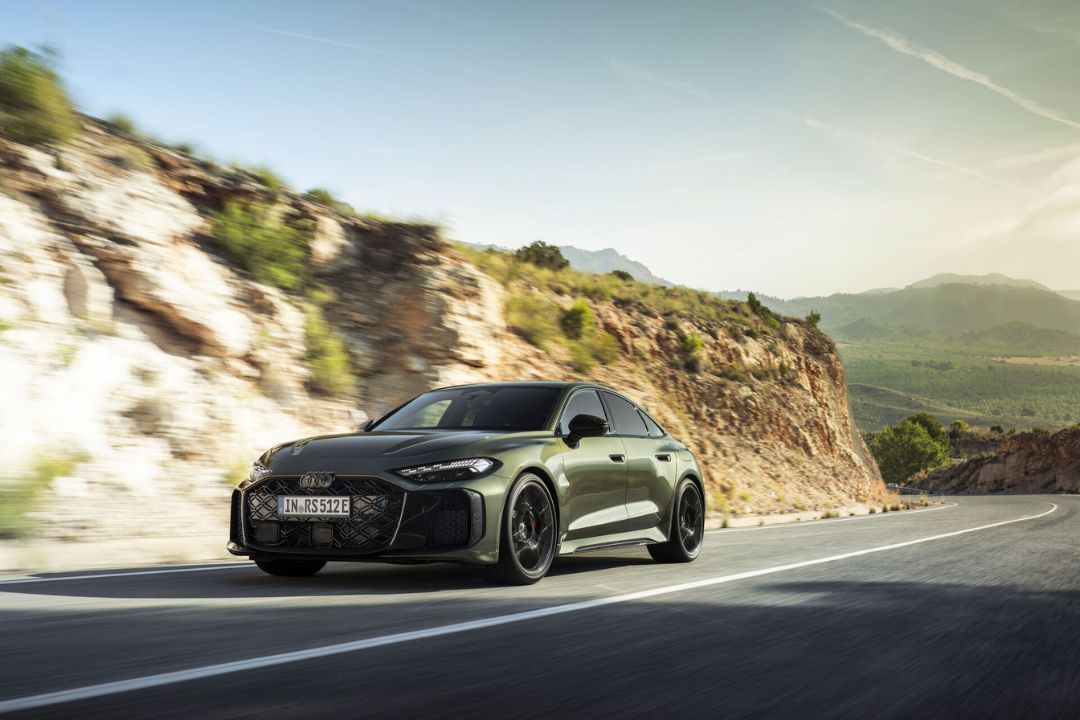
Ask any car enthusiast what made the original RS5 special and you’ll hear a lot about grip, that all-wheel-drive confidence, the way it hustled through corners like a much smaller car. But ask them what they actually remember, the thing that made strangers turn their heads in a parking lot, and it usually comes down to one thing: the noise.
That V8 wasn’t just fast, it was loud in the best possible way. Sharp, snarling, a little unhinged when you got into the throttle. It felt like Audi had built an engine with a personality, not just a spec sheet. And for a long stretch of the 2010s, that personality was basically the RS5’s calling card.
So what happens when you line up that original car next to its own descendants and just let them all rev? You get a pretty honest answer to a question a lot of Audi fans have been quietly asking for years: does the RS5 still sound like an RS5?
Same Badge, Very Different Attitude
The setup couldn’t be simpler. A 2014 RS5, a 2019 RS5, and a 2026 RS5, parked one after another on an open runway, each one given its moment to rev up and show what it’s got. No racing, no drama, just three engines speaking for themselves.
The 2014 car goes first and it does not disappoint. It lets loose with a high pitched, almost aggressive howl, and when the driver lifts off the throttle, it answers back with sharp pops and crackles that sound genuinely unfiltered. It’s loud in a way that feels a little rebellious, like the car is showing off because it can.
Then the 2019 model takes its turn, and you can hear the shift immediately. The tone drops, gets heavier, more bass forward. The pops on overrun are still there, but they’re softer now, more muffled, like someone turned the personality dial down a notch. It still sounds quick. It just doesn’t sound quite as unhinged.
And then there’s the 2026 car. This is where things get a little uncomfortable for longtime fans. The newest RS5 is dramatically quieter than either of the cars before it, with a soft, restrained tone that barely fills the air compared to its predecessors. Where the 2014 car sounded like an event, the 2026 car sounds almost polite.
Why the Early V8 Sounded the Way It Did
The 2014 RS5 arrived near the tail end of an era when naturally aspirated V8s were still common in this class of performance car. Audi built that 4.2-liter engine to rev past 8,000 rpm, and without turbochargers sitting in the exhaust path to absorb sound energy, the note came through sharper and more immediate than anything that followed it in the lineup.
That combination, a free-revving V8 with nothing muffling the exhaust pulses, is part of why that generation still gets singled out in enthusiast conversation today. It is simply what the engineering of that car was built to produce, and the runway comparison captures it clearly.
What Changed When the V6 Arrived
The shift to the twin-turbo V6 in 2019 was not just a swap under the hood. It changed the entire acoustic signature of the car. Turbochargers naturally quiet an engine by absorbing exhaust energy to spin their turbines, and that engineering tradeoff shows up directly in how muted the 2019 car sounds compared to the 2014 model.
That tradeoff bought other benefits. The turbocharged V6 offered stronger low-end torque and quicker real-world acceleration than the old V8 could manage. For buyers focused purely on performance numbers, that upgrade paid off in ways a spec sheet can measure and a sound test cannot.
Progress Doesn’t Always Sound Like Progress
None of this makes the 2026 RS5 a disappointment. Quieter cabins, smoother refinement, and tighter emissions compliance are things plenty of buyers genuinely want, and Audi is far from alone in trimming back the drama of its performance lineup. But comparisons like this one are a good reminder that progress doesn’t always feel like a win for everyone sitting behind the wheel.
For the enthusiasts who fell for the RS5 because of how it sounded just as much as how it drove, hearing that 2014 car roar next to its quieter, more grown-up descendants stings a little. Whatever else changed under the hood along the way, the drama that once defined the RS5’s personality is a lot harder to hear in 2026.
More from Fast Lane Only: