Manual Porsche GT cars have become the rare performance purchase that feels like a driving passion and a financial strategy at the same time. As the wider market abandons three pedals, a small but committed group of buyers is stockpiling 911 GT3s and other GT models with stick shifts, betting that scarcity, engagement and brand loyalty will keep values climbing long after most manuals disappear.
What looks like hoarding from the outside is, in reality, a rational response to a shrinking supply of analog sports cars, unusually strong resale data and a manufacturer that is openly leaning into this niche. I see a feedback loop forming: Porsche keeps building manual GT cars because a vocal core of enthusiasts demands them, and those same buyers are now treating these cars as long term assets as much as weekend toys.
Manual GT demand is defying the global decline of stick shifts
Across the broader car market, the manual gearbox is in retreat, which is exactly why Porsche GT models with three pedals are attracting so much attention. Industry data from 2025 shows that manual gearboxes are not just losing share, they are “slipping off the market altogether” in places like the UK, with fewer models offered each year and a clear shift toward automatics in mainstream segments, according to manual-cars-in-decline. That backdrop makes any manufacturer still investing in new manual performance cars stand out, and it helps explain why buyers who care about this experience are concentrating their money in a handful of brands and models.
Within that shrinking universe, performance cars and sports cars are one of the few niches where demand for manual transmissions is actually increasing. Market analysis of the transmission sector notes that “within the niche markets of performance vehicles and sports cars” there has been an uptick in interest for manuals, which are described as a foundation for high performance brands, according to Within the. Porsche sits squarely in that niche, and its GT models, from the 911 GT3 to track focused specials, have become the most visible expression of this countertrend, drawing in buyers who see manuals disappearing everywhere else and want to secure one of the last pure options.
Porsche is deliberately keeping the manual GT flame alive
Porsche is not treating manual GT cars as a nostalgic afterthought, it is making them a strategic part of the lineup. The brand’s GT chief, Mr Preuninger, has been explicit that, from his personal point of view, it was always “super important” to have a manual option, even as dual clutch PDK gearboxes dominate lap time charts. He has also acknowledged that in the real world, customers are increasingly seeking out three pedal models, which reinforces his push to keep them in the GT range rather than quietly letting them fade away.
That philosophy is backed by broader corporate decisions that give manual buyers confidence. Reporting on Porsche’s transmission strategy notes that “demand for manual transmissions continues to fall” overall, yet Porsche remains committed to offering them even when take rates are modest. In the 911 range, the company has already created variants like the Carrera T that are manual only, a move that was shaped by strong interest in the United States and that reinforces the idea that the brand is willing to engineer and homologate specific models around a stick shift, as highlighted in analysis of why the T “became manual only” for the 911 Carrera.
U.S. buyers are driving manual GT take rates and future supply
Within Porsche’s global customer base, the United States has emerged as the stronghold for manual GT demand, and that geographic skew is shaping what gets built. Company representatives have credited American buyers with “keeping the manual transmission alive” in the 911 lineup, pointing to increased demand for stick shifts in this market compared with Europe and other regions, according to reporting on how America is influencing Porsche. During a recent driving event in Atlanta, the company confirmed that Americans Are Keeping The Dream Alive for manual 911 models, underscoring how crucial this market has become for three pedal cars.
Within the U.S., certain regions are even more influential. The 911 line boss has pointed to California as a standout, noting that demand there could justify expanding manual availability across more of the 911 range. Earlier reporting on GT3 buyers showed just how skewed the U.S. market is: in one generation, 70% of 911 GT3 buyers in the U.S. selected the manual, a figure echoed in separate coverage that also cited a 70% manual take rate for the 911 GT3. That kind of majority preference in a key market gives Porsche a clear business case to keep building manual GT cars, and it signals to buyers that their appetite is directly influencing future supply.
Resale performance turns GT manuals into rolling assets
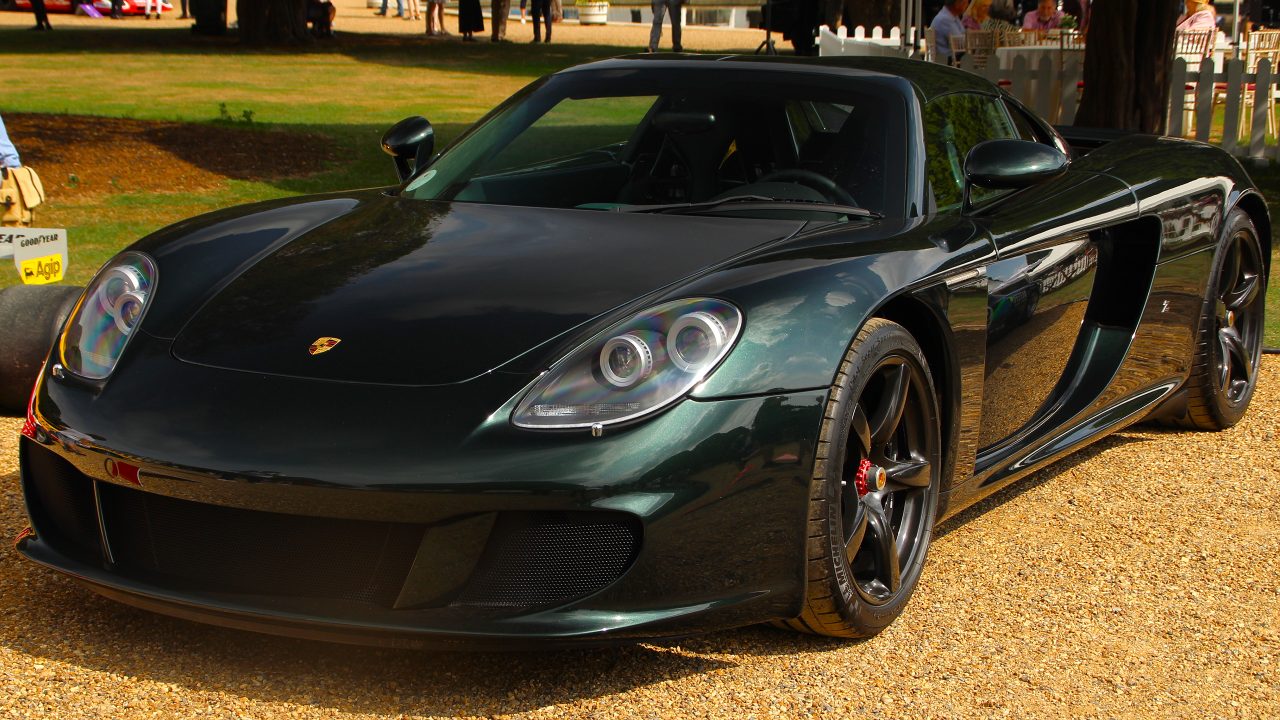
Beyond the emotional appeal, manual Porsche GT models are being hoarded because they look unusually safe from a depreciation standpoint. Resale data for the broader 911 range shows just how strong the baseline is: the Porsche 911 Coupe has a 5 Year Resale Value of 83%, and The Porsche 911 coupe is described as the champion of value retention among vehicles studied in 2025. Dealer guidance for pre owned buyers reinforces that message, noting that one of the best things about owning a 911 is that they generally hold their value incredibly well compared with other brands, as highlighted in advice on How to Preserve Your 911’s Value One of the key points for owners.
Within that already strong context, manual GT variants are starting to behave like a market of their own. Enthusiast discussions point out that manual GT3 RS models are “starting to pull crazy numbers,” with owners remarking that if you have enough money to get into a GT3, you can trade it every new generation and often come out ahead, according to a Jul thread on manual GT3 RS values. In another conversation about GT3 manual take rates, one commenter argued that the high share of manual buyers was driven by expectations of long term value, especially as EVs and the death of manual transmissions loom, a sentiment captured in a Feb discussion of the last 911 GT3. When a car combines a limited production GT badge, a manual gearbox and a brand with 83% five year retention on its core coupe, it is not surprising that buyers start treating it as a hedge against the future.
Scarcity, status and the “last manual” narrative fuel hoarding
Part of the reason buyers are stockpiling manual GT Porsches is psychological: they believe these cars may be among the last of their kind. Among enthusiasts, there is active debate over whether the next 992.2 or a future 994 generation will finally end manual production, with some arguing that Porsche may be the last manufacturer to give up on the stick shift and warning that if you wait too long, “you’ll have missed your chance,” as captured in a Feb discussion where Everyone weighed in on the 992.2 and 994. That sense of a ticking clock encourages buyers to grab manual GT allocations now, even if they already own similar cars, because they are not convinced the option will still exist in a decade.
There is also a status element that reinforces the hoarding behavior. In enthusiast circles, some owners openly say they choose Manual because “what other high end manufacturer build them anymore apart from Porsche,” turning the three pedal choice into a badge of taste and commitment. At the same time, Porsche’s own messaging reinforces that identity, with marketing and product stories celebrating how a new 911 GT3 with a manual conquered the Nürburgring and framing that decision as proof of Porsche’s commitment to driving engagement at a time when manual gearboxes are increasingly rare in high performance vehicles. When a car signals both scarcity and a particular kind of enthusiast credibility, it naturally attracts collectors who want to own not just one, but several.
Even within the broader 911 lineup, there are signs that manual friendly variants are carving out a distinct following. Owners discussing past GTS models note that about 50 per cent of US customers ordered a manual, while European buyers leaned more heavily toward automatics, a split that one commenter summarized by saying “But I doubt my opinion will make any difference whatsoever to either the US or European buyers.” That divergence reinforces the idea that certain markets and subcultures are driving manual demand, and it helps explain why allocations for GT manuals in those regions are quickly snapped up by repeat buyers who see themselves as custodians of a fading format as much as customers.
Why Porsche GT manuals look like a safe bet for the next decade
Looking ahead, I see several reasons why hoarding manual Porsche GT models may continue to look rational, even if it frustrates would be first time buyers. The brand’s leadership on GT cars is personally invested in keeping manuals alive, as Mr Preuninger has made clear, and the company has already shown a willingness to tailor models like the Carrera T around a stick shift for markets that demand it, as seen in the manual only strategy for the 911 Carrera. At the same time, U.S. buyers, particularly in places like California, are signaling that they will keep ordering manuals at high rates, which gives Porsche a commercial incentive to maintain these options even as global averages drift toward automatics.
On the financial side, the combination of strong baseline 911 retention, documented by the 83% five year figure for the core Porsche 911 Coupe 5 Year Resale Value, and the emerging premium for manual GT variants, highlighted in owner reports of “crazy numbers” for GT3 RS manuals, suggests that these cars will remain attractive to buyers who think like investors. As long as the wider market keeps phasing out three pedal cars, and as long as enthusiasts continue to treat manual GT Porsches as both driving experiences and stores of value, the hoarding trend is likely to persist, with each new allocation cycle reinforcing the perception that these are the last, best chances to own a truly analog 911.
More from Fast Lane Only: