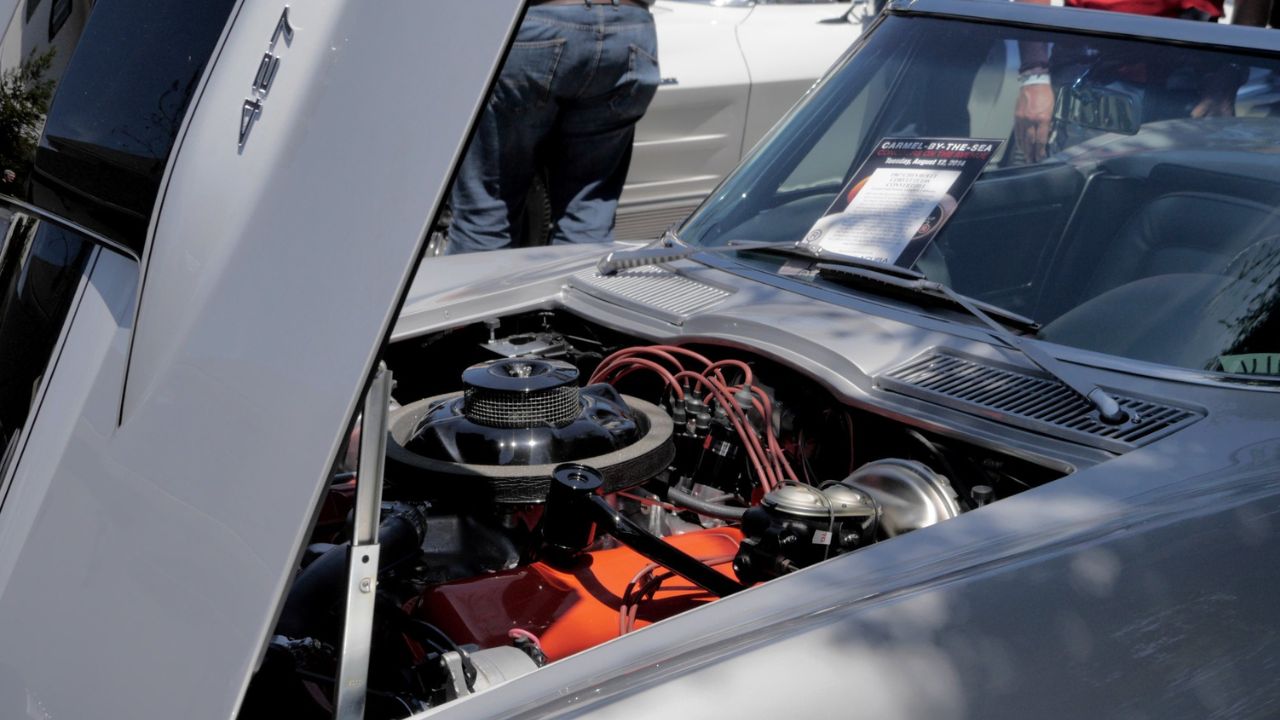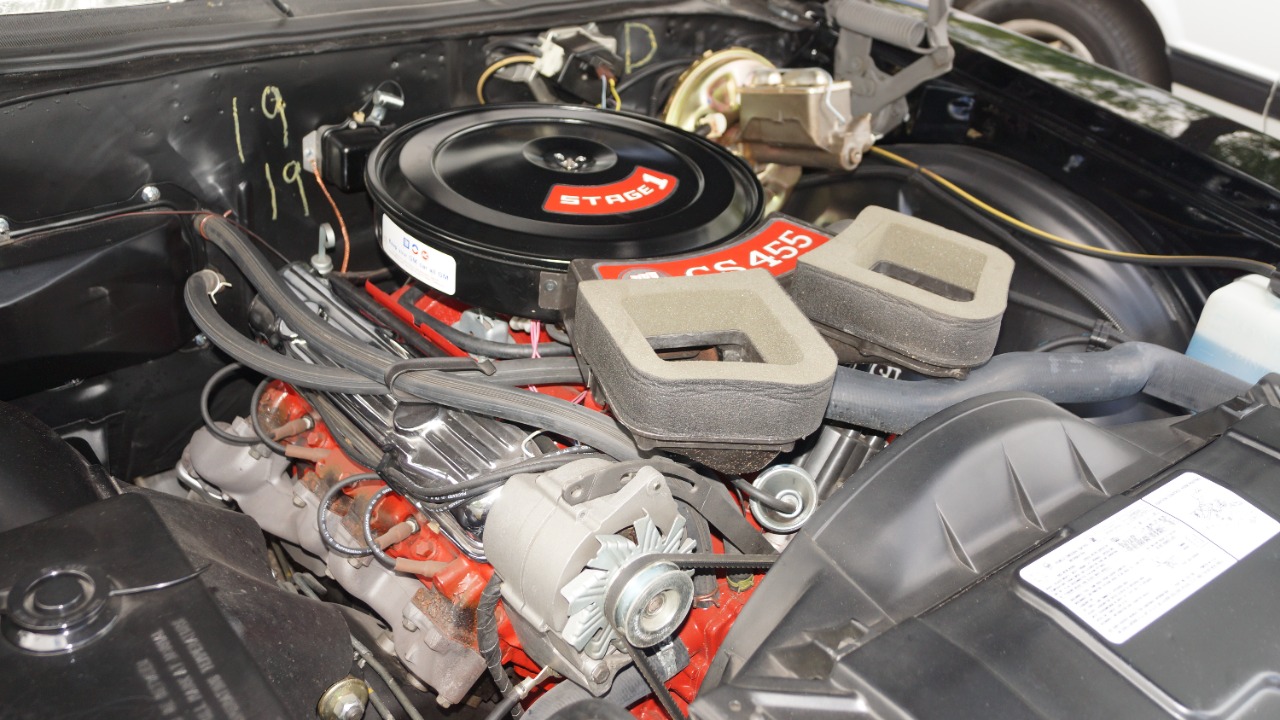
The Stage 1 455 engine, produced by Buick in the early 1970s, is often overlooked in discussions of classic American muscle. However, this powerhouse quietly delivered more horsepower than its official ratings suggested, making it a hidden gem among enthusiasts and collectors.
Historical Context of the Stage 1 455
The early 1970s marked a pivotal moment in the automotive landscape, as the muscle car era neared its peak and began to transition into a more restrictive environment influenced by rising fuel costs, insurance rates, and increasing government regulations. During this time, manufacturers were compelled to rethink performance strategies while balancing consumer demand for powerful vehicles. Buick, a division of General Motors, found itself uniquely positioned to thrive in this challenging era, focusing on performance vehicles that catered to driving enthusiasts.
The introduction of the Stage 1 package in 1970 was a response to the growing appetite for high-performance options among Buick buyers. This package significantly enhanced the capabilities of the already robust 455 cubic inch V8 engine. It was a crucial addition to Buick’s lineup, aiming to offer buyers a vehicle that could compete with the likes of the Oldsmobile 442 and Pontiac GTO. The Stage 1 package not only signified Buick’s commitment to performance but also showcased its engineering prowess, even in an increasingly restrictive market.
Specifications and Features of the Stage 1 455
The Stage 1 455 engine was a formidable powerplant, boasting a displacement of 455 cubic inches (7.5 liters). Officially, the engine was rated at 360 horsepower and 510 lb-ft of torque, but many enthusiasts and dyno tests suggest that these figures may have been understated. It featured a high-performance intake manifold, a specially calibrated carburetor, and upgraded exhaust systems—all of which were part of the Stage 1 package that set it apart from the standard 455 engine.
Moreover, the Stage 1 455 employed a unique combination of components that contributed to its impressive performance. It utilized a Quadrajet carburetor, which provided excellent fuel control, and a distinct exhaust setup that allowed for improved flow. Comparatively, the competition, such as the Chevrolet 454 and Ford’s 429, offered similar power figures but often fell short in terms of torque delivery and overall drivability. The Stage 1 455’s torque curve was particularly advantageous for street use, making it a favorite for drivers seeking both power and comfort.
Performance Metrics and Real-World Horsepower
When examining the real-world performance of the Stage 1 455, it becomes evident that many of these engines produced power well beyond their advertised ratings. Numerous dyno tests conducted by enthusiasts have shown figures in the range of 400 to 450 horsepower, depending on the specific vehicle and tuning. This discrepancy can be attributed to several factors, including the engine’s design, manufacturing tolerances, and the inherent characteristics of the components used.
Additionally, the Stage 1 455’s performance was often enhanced by the tuning approaches taken by owners. Many enthusiasts reported that with minor adjustments to ignition timing and carburetor settings, their engines performed even better than expected. Anecdotal evidence from owners and enthusiasts further supports the notion that the Stage 1 455 was capable of providing an exhilarating driving experience, whether on the road or the drag strip. Its reputation for delivering impressive performance made it a sought-after option among muscle car aficionados.
Cultural Impact and Legacy of the Stage 1 455
The cultural impact of the Stage 1 455 extends beyond its performance figures; it has also found a place in popular culture. This engine has been featured in various films and television shows highlighting classic American cars, celebrating the muscle car era’s spirit. Its presence in media has contributed to a resurgence of interest in Buick’s performance history, drawing attention to the often-overlooked Stage 1 package.
Moreover, the appreciation for the Stage 1 455 is echoed by collectors and restorers who recognize its hidden strengths. Interviews with enthusiasts reveal a shared admiration for the engine’s unique combination of power and refinement. Many collectors participate in online communities, such as the Buick Muscle Car Group on Facebook, where they share restoration tips, performance upgrades, and historical insights. The Stage 1 455 has become a focal point in discussions about classic performance vehicles, solidifying its place in the muscle car legacy.
Maintenance and Restoration Considerations
Maintaining and restoring a Stage 1 455 engine requires a thorough understanding of its unique components and performance characteristics. Common issues include wear on the timing chain and oil pump, as well as general maintenance of the carburetor and ignition system. Owners should prioritize regular oil changes and ensure that the cooling system is functioning optimally to prevent overheating, which can be a concern with high-performance engines.
For enthusiasts looking to restore a Stage 1 455, sourcing parts can sometimes be challenging due to the engine’s age. However, there are several resources available, including specialized forums and websites dedicated to classic Buick performance. Connecting with knowledgeable mechanics who have experience with these engines is crucial for ensuring proper restoration work. The balance between preserving originality and making modifications for performance enhancement is a common debate among restorers, and each owner must weigh their priorities accordingly.
The Future of the Stage 1 455
As the classic car market continues to evolve, the Stage 1 455 is gaining recognition among collectors and enthusiasts. Current market trends indicate a growing interest in unique performance packages, and prices for Stage 1 455 vehicles have been steadily increasing. Factors contributing to this trend include the engine’s underrated performance, its historical significance within Buick’s lineup, and the ongoing appreciation for classic American muscle cars.
Looking ahead, the perception of the Stage 1 455 is likely to evolve as more enthusiasts discover its capabilities. Events like the Muscle Car and Corvette Nationals and local car shows provide platforms for showcasing these vehicles, further enhancing their visibility in the classic car community. I believe the Stage 1 455 deserves more recognition, not only for its performance but also for its role in the rich tapestry of American automotive history. As more enthusiasts embrace this powerhouse, the legacy of the Stage 1 455 will undoubtedly continue to thrive.
More from Fast Lane Only
- Unboxing the WWII Jeep in a Crate
- 15 rare Chevys collectors are quietly buying
- 10 underrated V8s still worth hunting down
- Police notice this before you even roll window down
*Research for this article included AI assistance, with all final content reviewed by human editors.