Some classic cars seem to capture a particular moment in automotive history better than almost anything else. Their styling, proportions, interiors, and mechanical character instantly bring back another era. These cars have aged without losing the qualities that made them special, making each one feel like a snapshot from a time when the automotive world looked very different.
Chevrolet Nomad

The Chevrolet Nomad remains one of the most memorable station wagons ever built. Its sweeping roofline and two-door configuration gave it a sporty appearance that separated it from ordinary family wagons. The combination of chrome, sculpted bodywork, and practical cargo space perfectly represents the optimism of 1950s America. Seeing a clean Nomad today feels like stepping directly into that era.
Ford Thunderbird

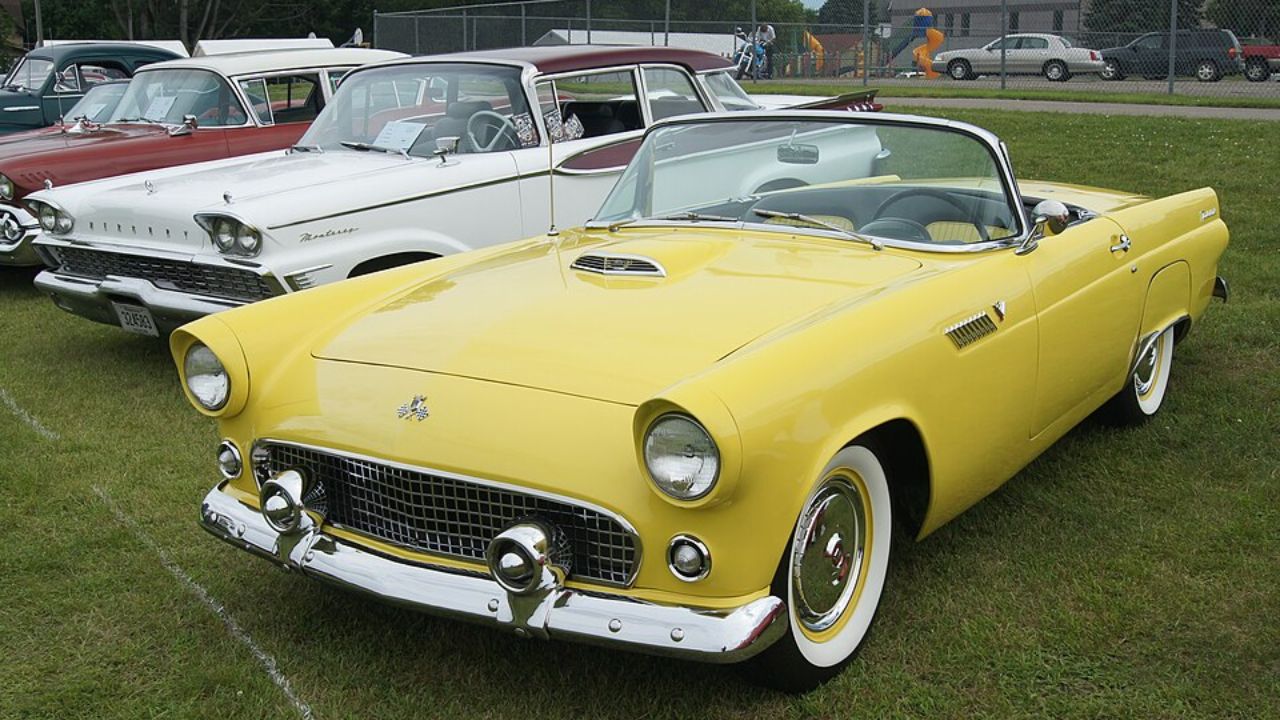
The early Thunderbird captured America’s fascination with personal luxury and stylish two-seat motoring. Its compact proportions, removable hardtop, and V8 power created a formula that was distinctly American. Later generations became larger and more luxurious, but the original car remains especially evocative. It looks like a vehicle designed at a moment when optimism and chrome seemed to have no limits.
Buick Riviera

The Buick Riviera arrived with clean, elegant lines that distinguished it from the more extravagant American cars surrounding it. Its long hood, thin roof pillars, and restrained chrome gave it a sophisticated appearance. Inside, it offered the comfort expected from Buick while maintaining a surprisingly focused design. The Riviera seems perfectly preserved from an era when American luxury could still look understated.
Pontiac Firebird
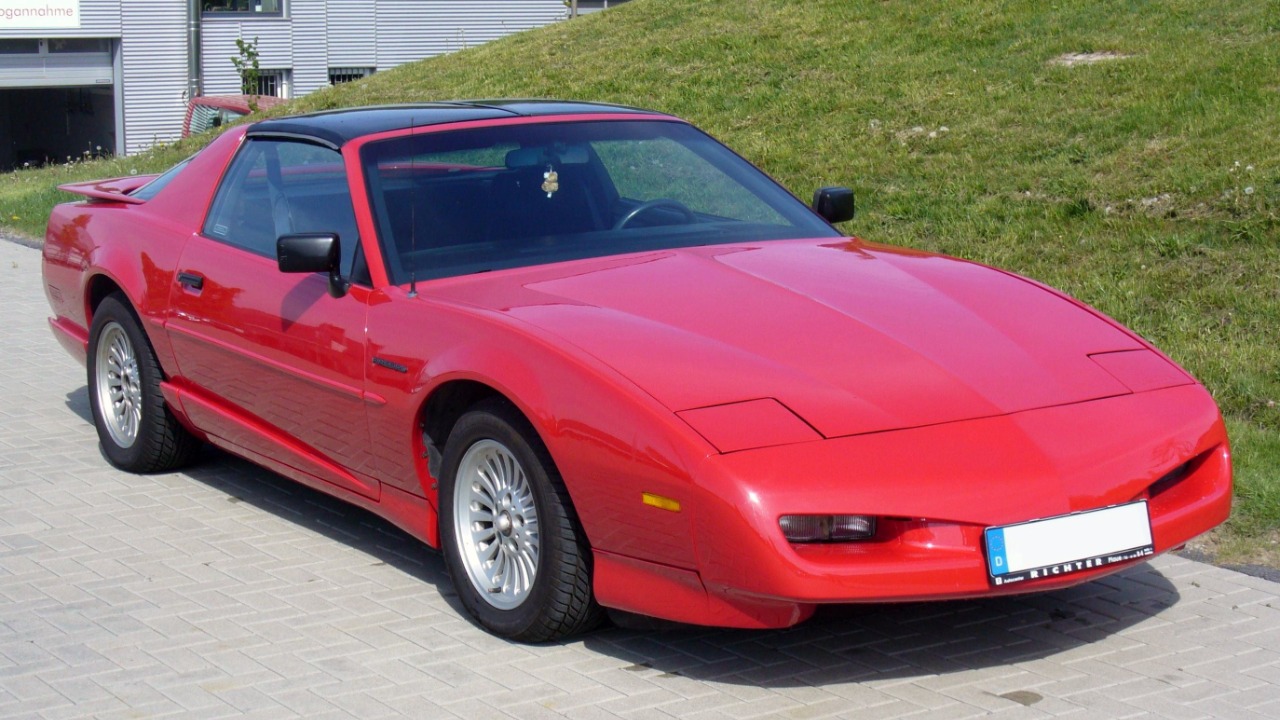
The first-generation Firebird captured the late 1960s perfectly. Its long hood, fastback-inspired roofline, and split grille gave Pontiac a distinctive answer to the growing pony-car market. Available performance engines added to its appeal, but the styling is what makes it so memorable today. A clean example looks almost exactly like the idealized version of a late-1960s performance car.
Plymouth Fury

The Plymouth Fury became increasingly dramatic as American styling moved toward larger fins and more elaborate bodywork. Its wide stance, generous chrome, and bold details reflected an industry obsessed with making each new model more impressive than the last. The Fury now feels like a snapshot of the moment when Detroit’s design language reached one of its most extravagant stages.
Mercury Cougar
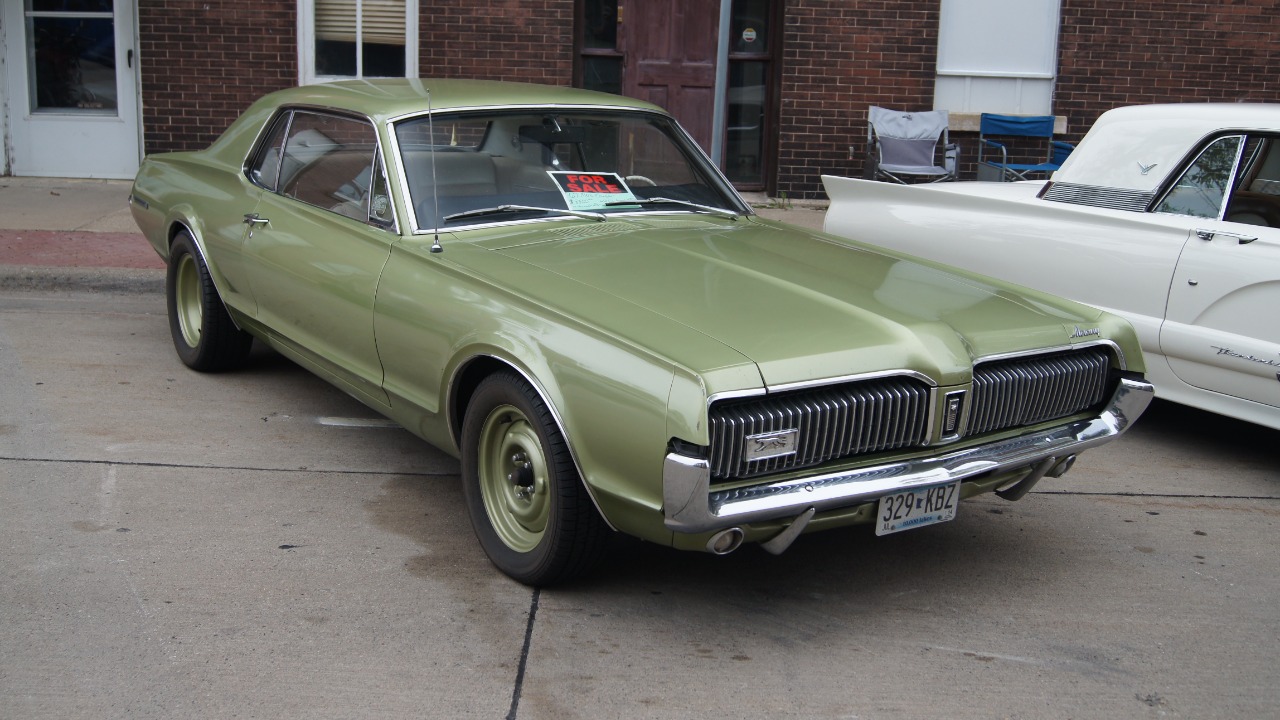
The Mercury Cougar offered a more refined alternative to Ford’s Mustang while retaining the basic appeal of the pony-car formula. Its hidden headlights, long hood, and formal grille gave it a distinctive personality. The car was sporty without looking overly aggressive, capturing an interesting moment when performance and personal luxury were beginning to overlap in American showrooms.
Oldsmobile Toronado
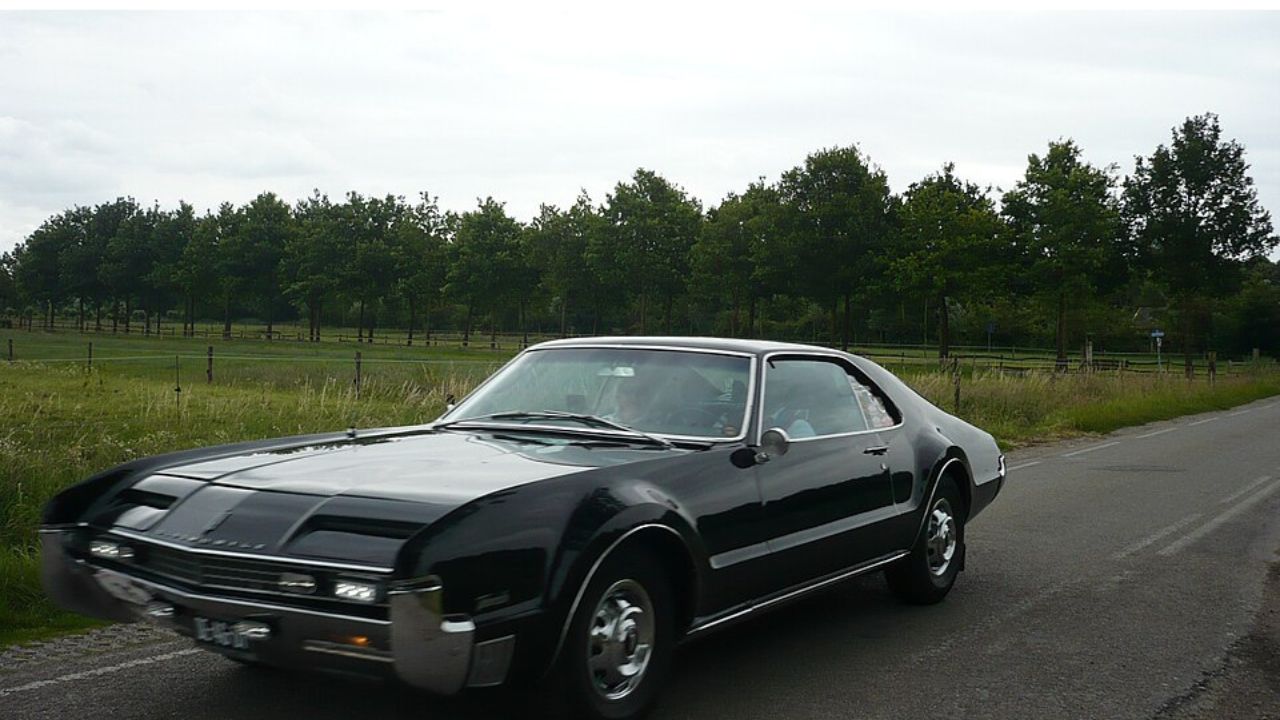
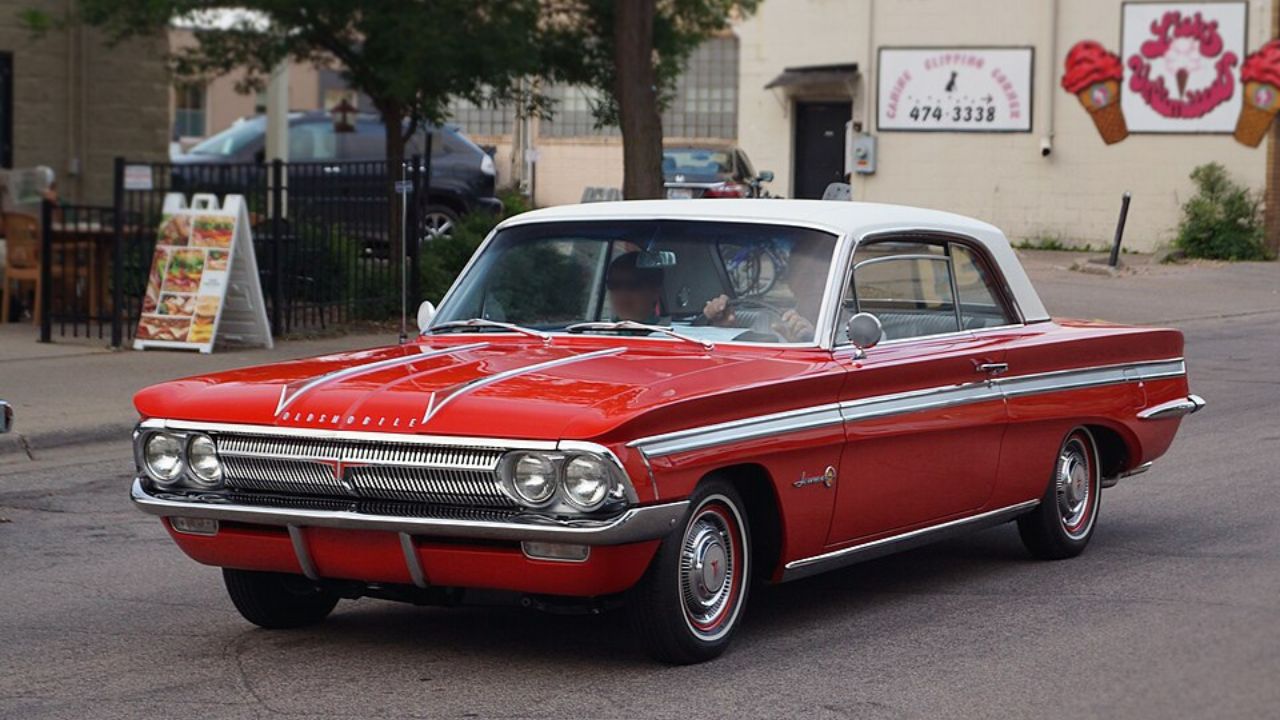
The Toronado looked futuristic when it arrived, thanks to its dramatic proportions and front-wheel-drive layout. Its long nose and hidden headlights made it unlike almost anything else in an Oldsmobile showroom. The car also demonstrated that a large American coupe could use front-wheel drive successfully. Today, it feels like a perfect snapshot of Detroit’s willingness to experiment.
Chevrolet Corvair
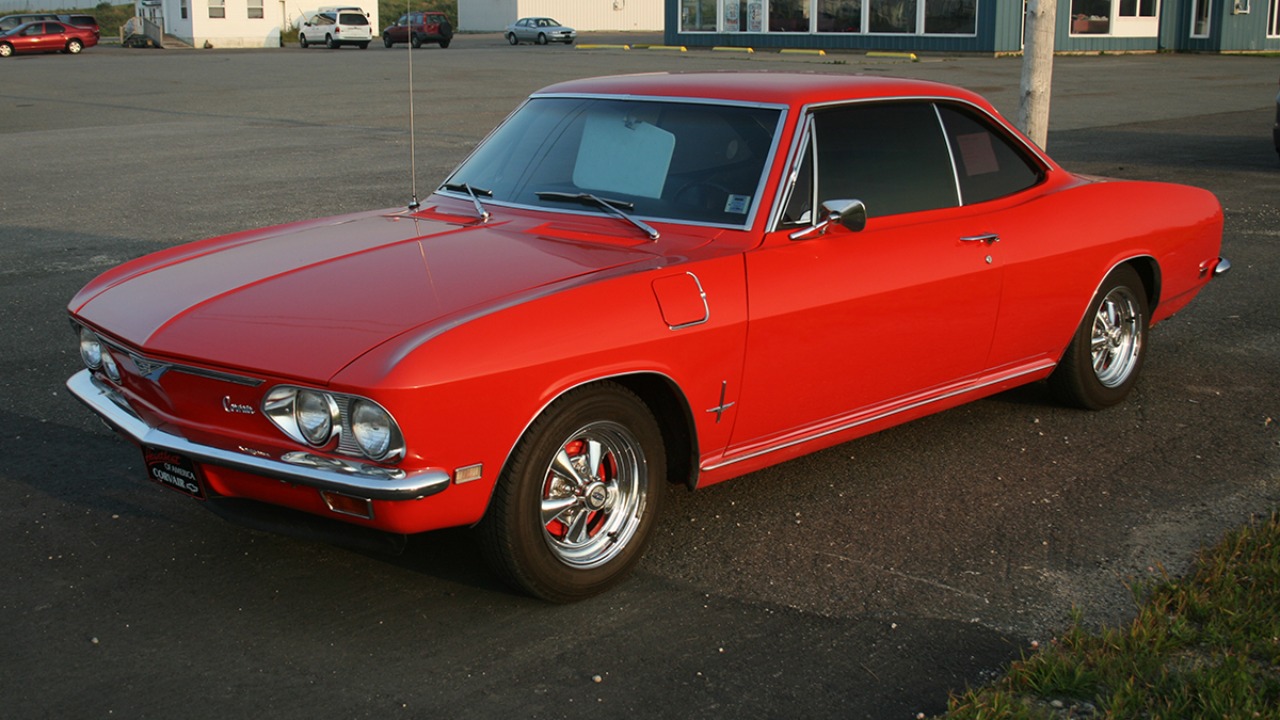
The Corvair was unlike most other American cars of its time, using a rear-mounted, air-cooled engine and compact dimensions. Its unusual engineering made it an important part of Chevrolet’s history. The styling also changed significantly over its production run, with later versions becoming particularly attractive. A well-preserved Corvair feels like a reminder of how experimental the American car market once was.
Ford Galaxie 500
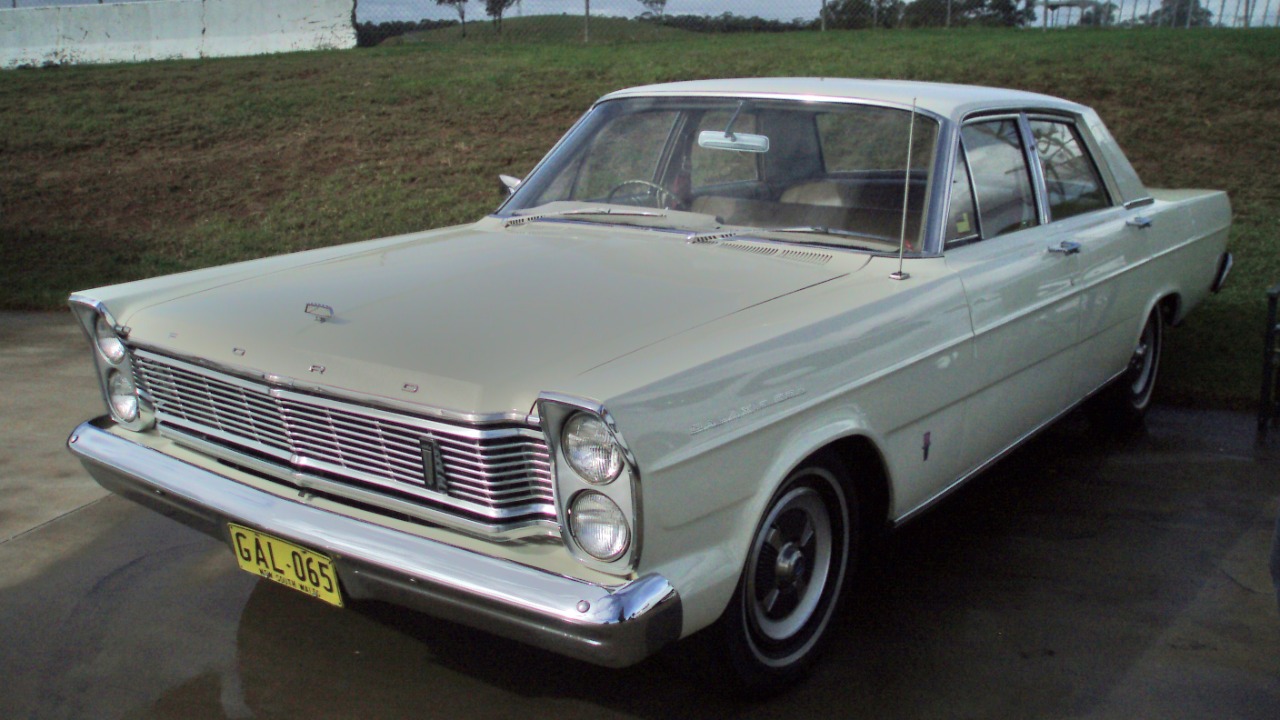
The Galaxie 500 represented the full-size American automobile at its most recognizable. Its generous proportions, V8 options, and spacious cabin made it ideal for families who wanted something substantial. Different generations reflected the changing tastes of the 1960s, but the Galaxie consistently represented the era’s fascination with size and effortless highway cruising.
Mercury Marauder
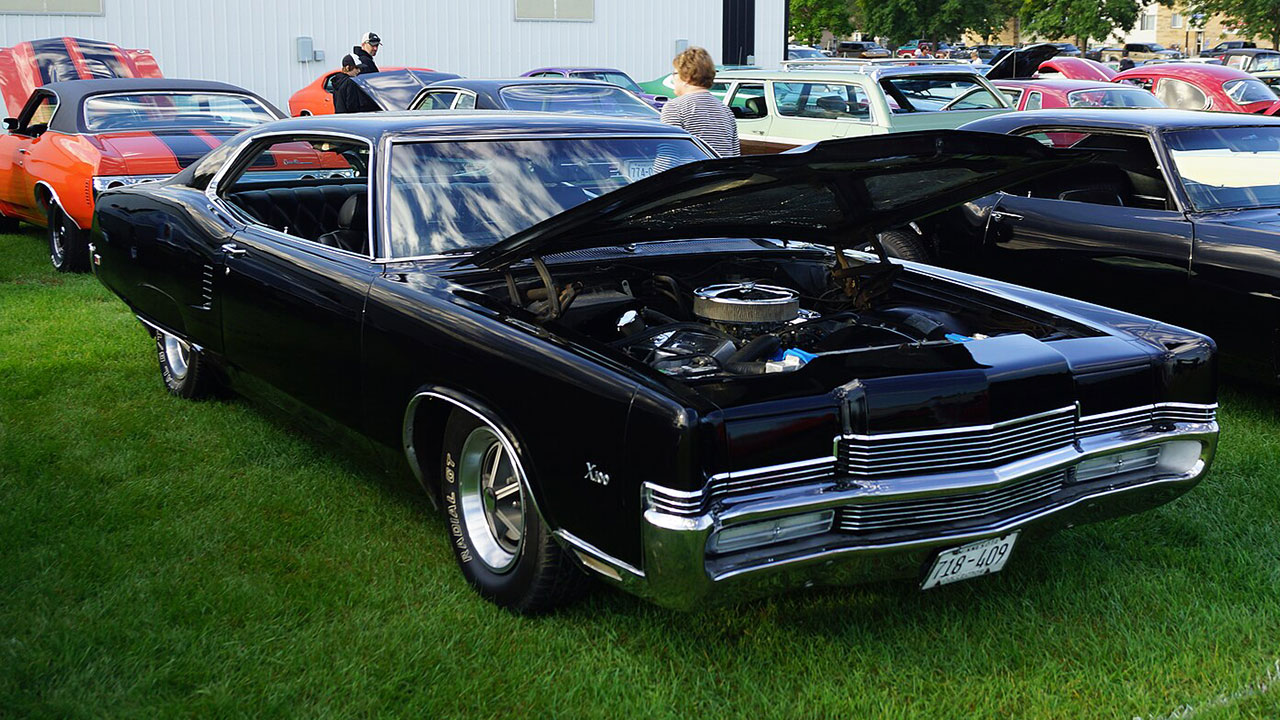
The Mercury Marauder name appeared on several generations, but its classic versions perfectly captured the full-size performance-car mood of the early 1960s. Large engines, long bodies, and dramatic styling gave the car a commanding presence. It was not a lightweight sports car, but that was never the point. The Marauder represented American performance on an entirely different scale.
Chevrolet Nova
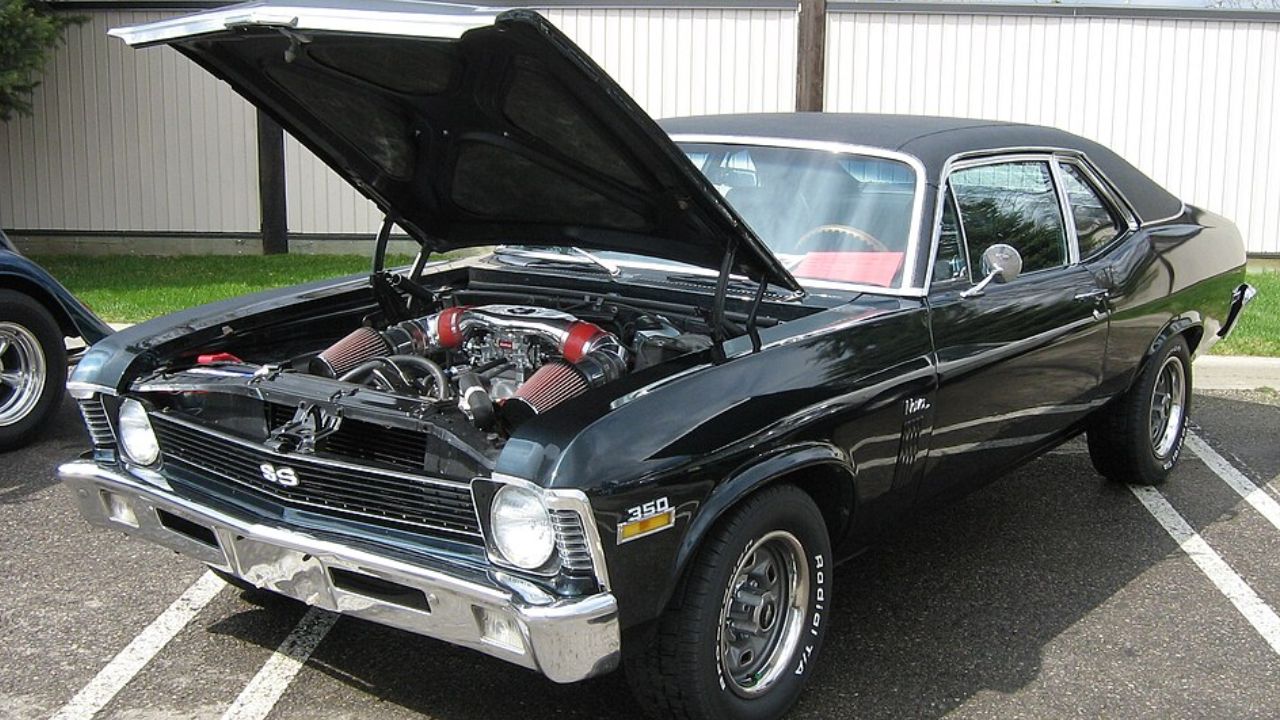
The Nova began as a compact car but quickly became an important part of Chevrolet’s performance story. Its relatively simple shape provided a clean canvas for more powerful engines and sporty versions. Unlike larger muscle cars, the Nova retained compact proportions while offering serious V8 performance. That combination makes certain examples feel like perfect snapshots of the muscle-car era.
Dodge Dart
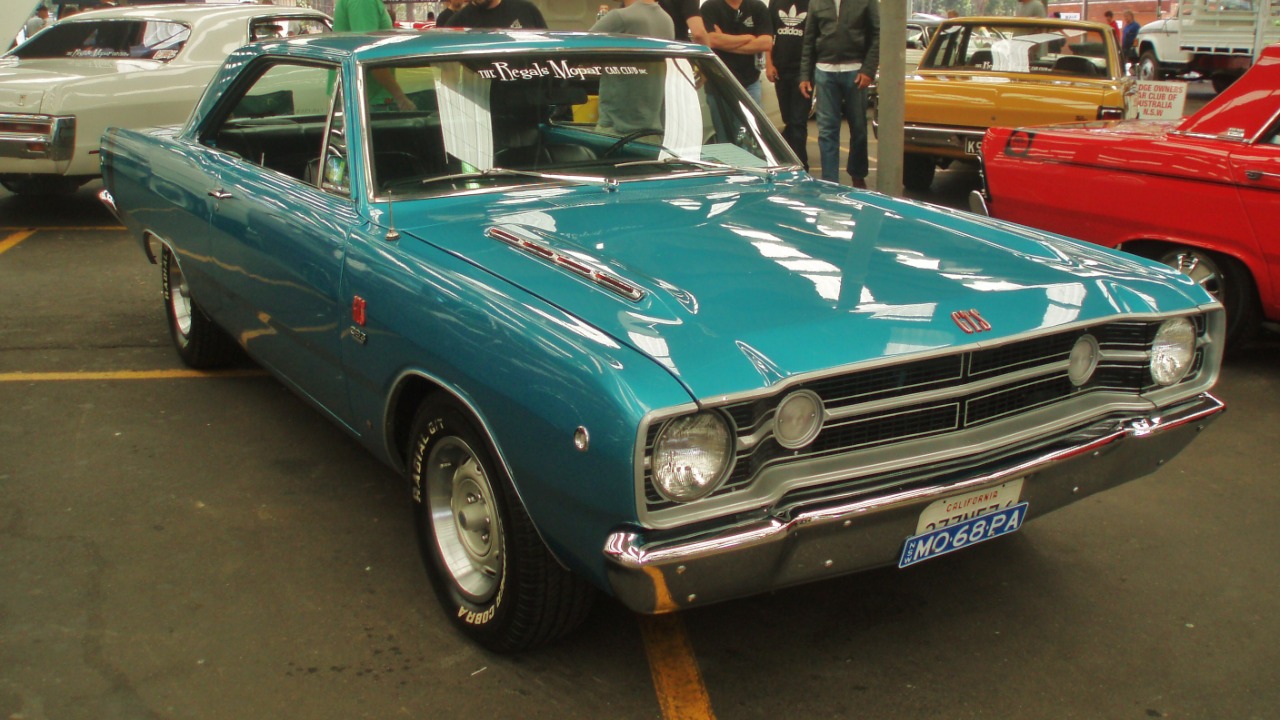
The Dodge Dart evolved through several generations, but its classic 1960s versions are particularly evocative. Compact dimensions, simple mechanicals, and available V8 engines gave the Dart broad appeal. It could serve as an everyday family car or become a surprisingly quick performance machine. That versatility reflected an era when American buyers could get almost anything they wanted from a single model line.
Mercury Monterey

The Monterey represented Mercury’s position between mainstream Ford and premium Lincoln products. Its large body, V8 power, and carefully styled exterior gave it plenty of presence without reaching Cadillac levels of extravagance. The car’s proportions and chrome details now evoke a period when American automakers were constantly refining the look of the traditional full-size automobile.
Pontiac Catalina
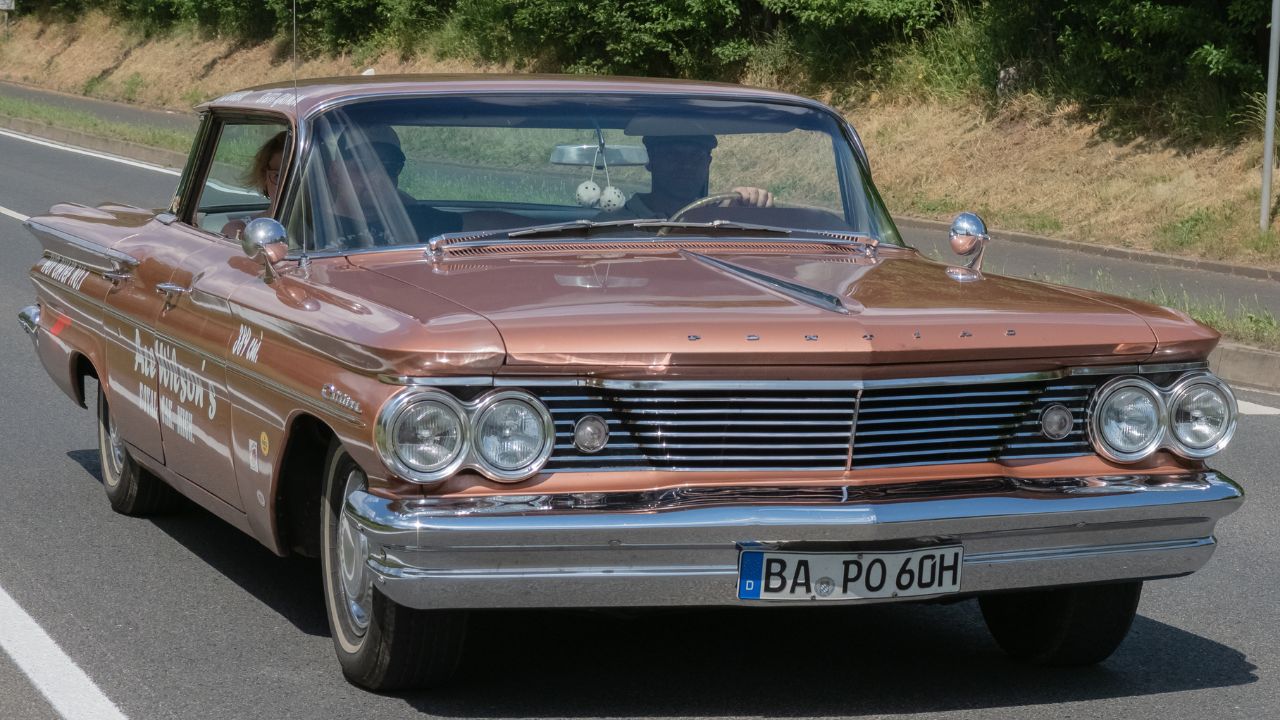
The Catalina was one of Pontiac’s most important full-size cars, offering strong performance and distinctive styling without the price of the company’s top models. Its clean lines and wide stance made it especially attractive during the 1960s. A well-preserved Catalina now feels like a snapshot of an era when even ordinary family cars could have dramatic styling and substantial engines.
Rambler American

The Rambler American represented a different side of American automotive history. It was compact, practical, and economical at a time when many Detroit cars were growing larger. Its straightforward design reflected the growing demand for sensible transportation. Today, an original American feels like a time capsule from a period when compact cars were beginning to challenge the dominance of massive domestic sedans.
AMC Javelin
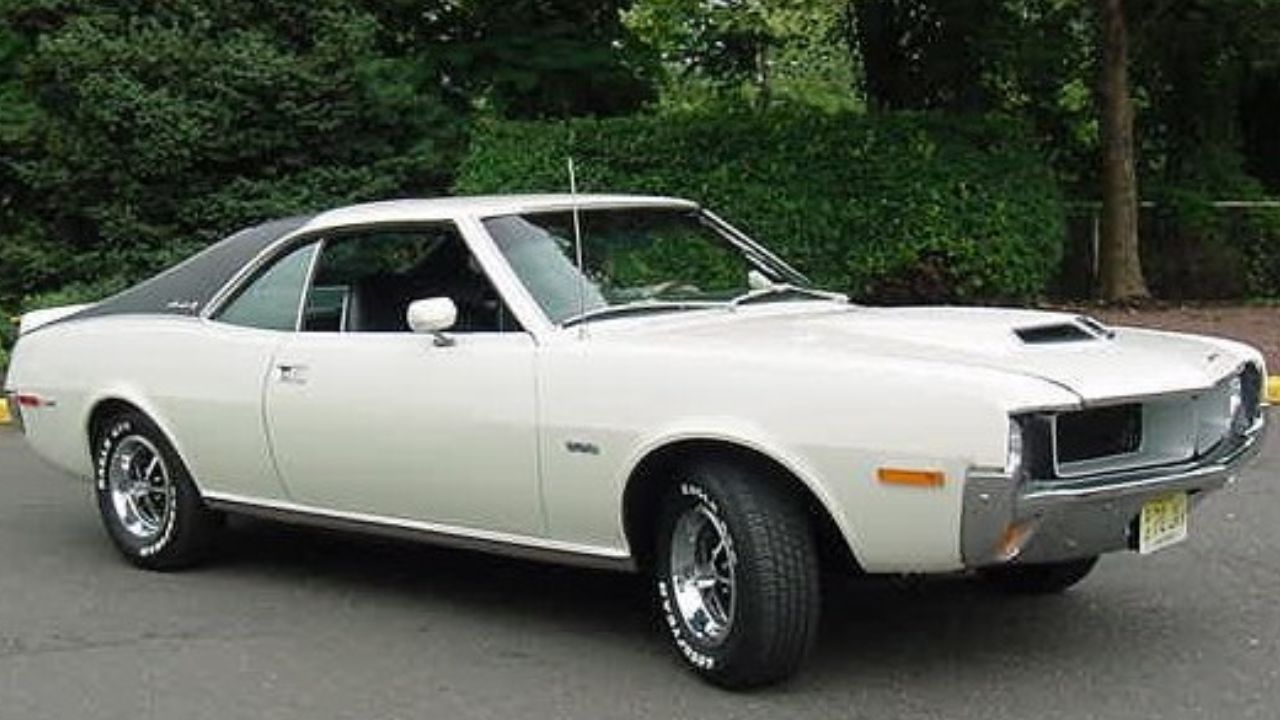
The Javelin arrived as American buyers were becoming increasingly interested in sporty coupes. AMC gave it distinctive styling instead of simply copying established rivals, resulting in a car with its own personality. Its long hood, fastback-like roofline, and available V8 engines captured the late-1960s performance atmosphere. Today, an original Javelin looks remarkably faithful to that moment.
Lincoln Continental
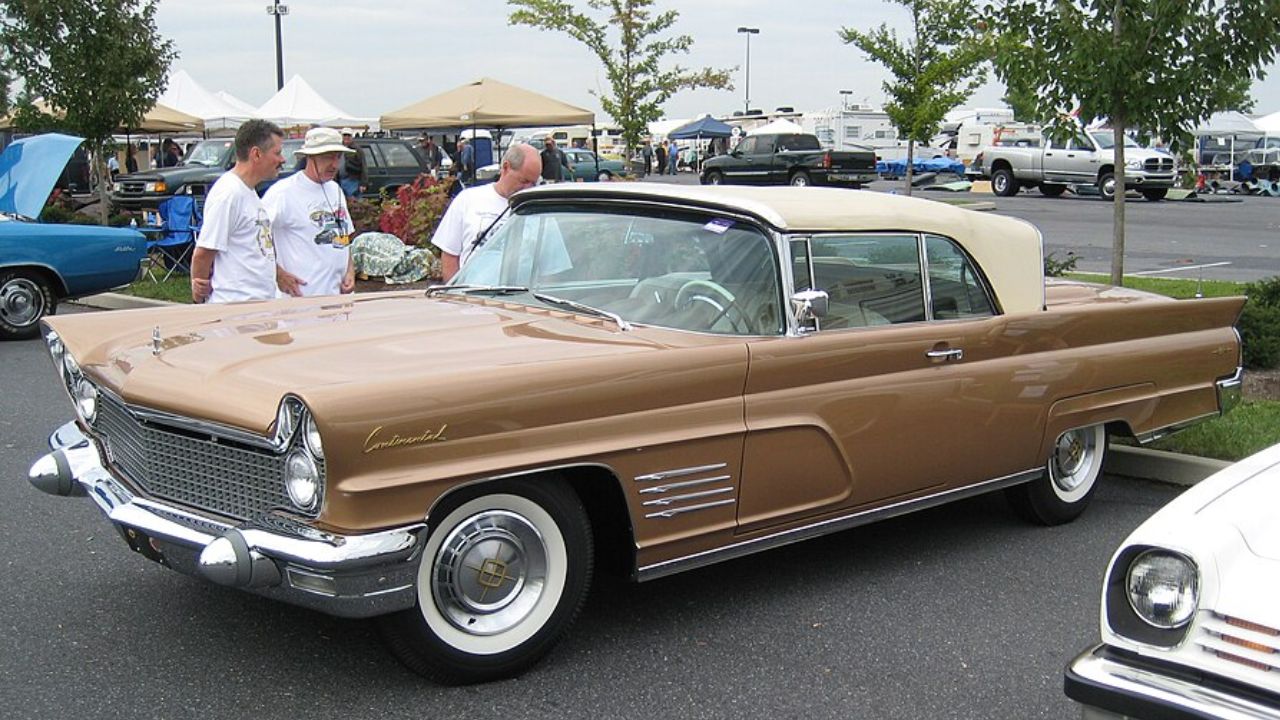
The fourth-generation Lincoln Continental remains one of the clearest symbols of 1960s American luxury. Its clean body sides, hidden door handles, and distinctive rear-hinged rear doors created an unmistakable appearance. Inside, it delivered the quiet and spacious environment expected from a flagship. The design has aged remarkably well because it captured elegance without relying entirely on excessive decoration.
Volkswagen Karmann Ghia
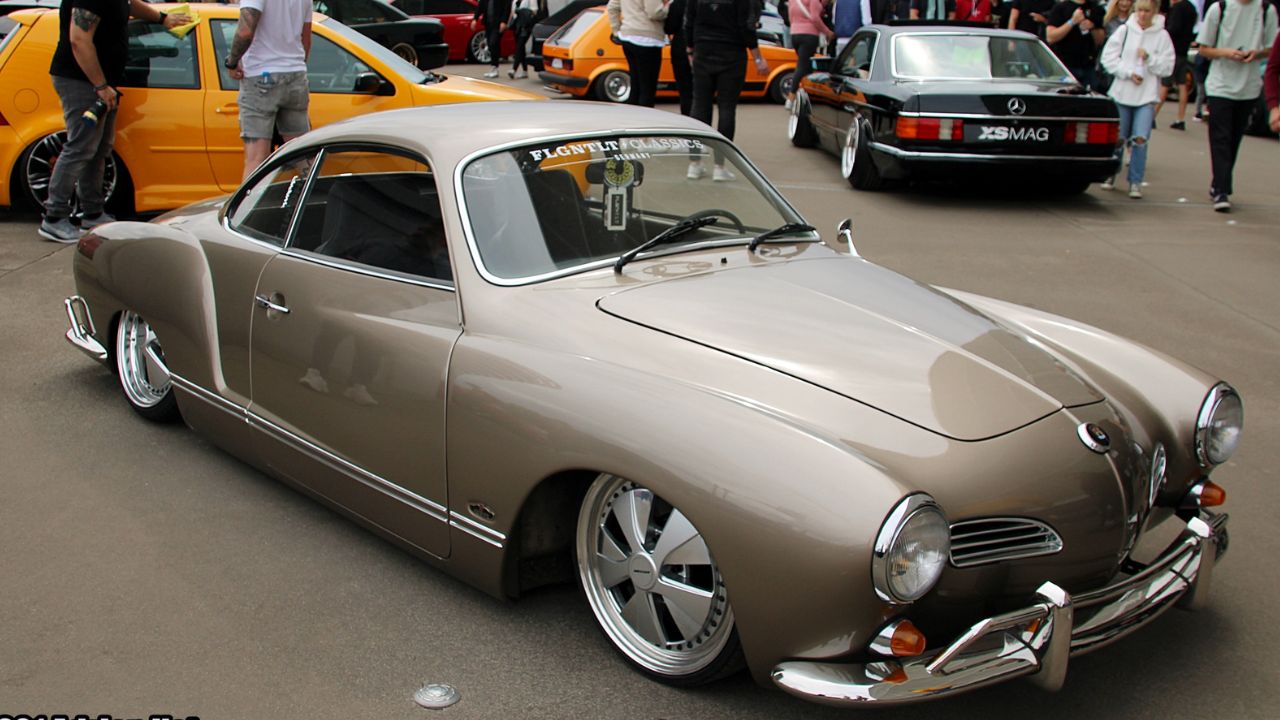
The Karmann Ghia proved that an inexpensive mechanical platform could wear an elegant body. Its flowing Italian-inspired shape made it look far more exotic than its modest Volkswagen underpinnings suggested. The car was never about outright speed, but its proportions and simplicity have helped it remain timeless. It feels like a perfect meeting point between practical German engineering and European style.
Saab Sonett
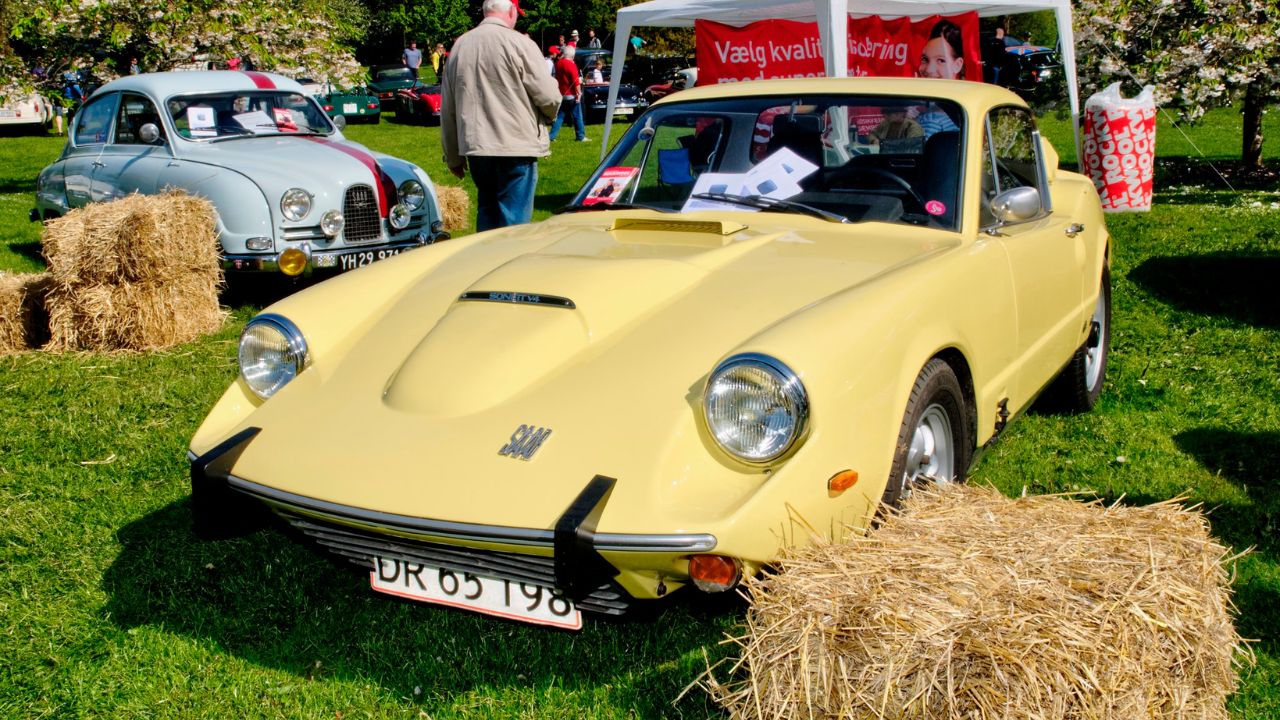
The Saab Sonett was a quirky sports car from a company better known for unconventional engineering. Its compact body, front-wheel-drive layout, and unusual styling gave it a personality unlike mainstream sports cars. Production numbers were modest, which makes surviving examples unusual. The Sonett feels frozen in a period when smaller automakers were willing to build cars simply because they could do something different.
Fiat 850 Spider
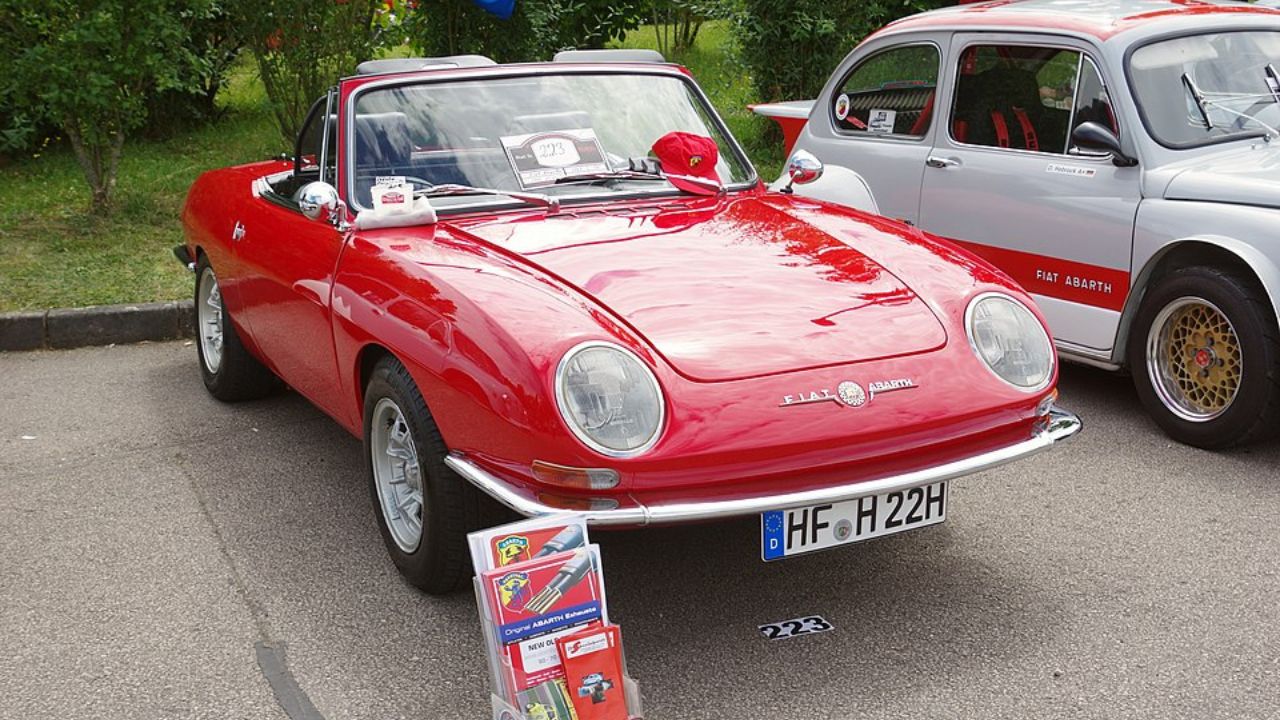
The Fiat 850 Spider captured the lightweight European sports-car formula with a compact mid-engine layout and attractive Italian styling. Its small proportions and open cockpit made it ideal for relaxed driving rather than outright speed. The car has a distinctly period appearance that has changed little in the eyes of enthusiasts. Seeing one today feels like finding a perfectly preserved piece of 1960s European automotive culture.
More from Fast Lane Only
- Unboxing the WWII Jeep in a Crate
- 15 rare Chevys collectors are quietly buying
- 10 underrated V8s still worth hunting down
- Police notice this before you even roll window down
*Research for this article included AI assistance, with all final content reviewed by human editors.