Some motorcycles were expected to provide years of dependable service, while others surprised owners by staying on the road far longer than anyone anticipated. Strong engines, simple mechanical designs, and durable frames helped certain bikes survive decades of use. These 20 motorcycles earned reputations for lasting well beyond their original expectations.
Honda CB750
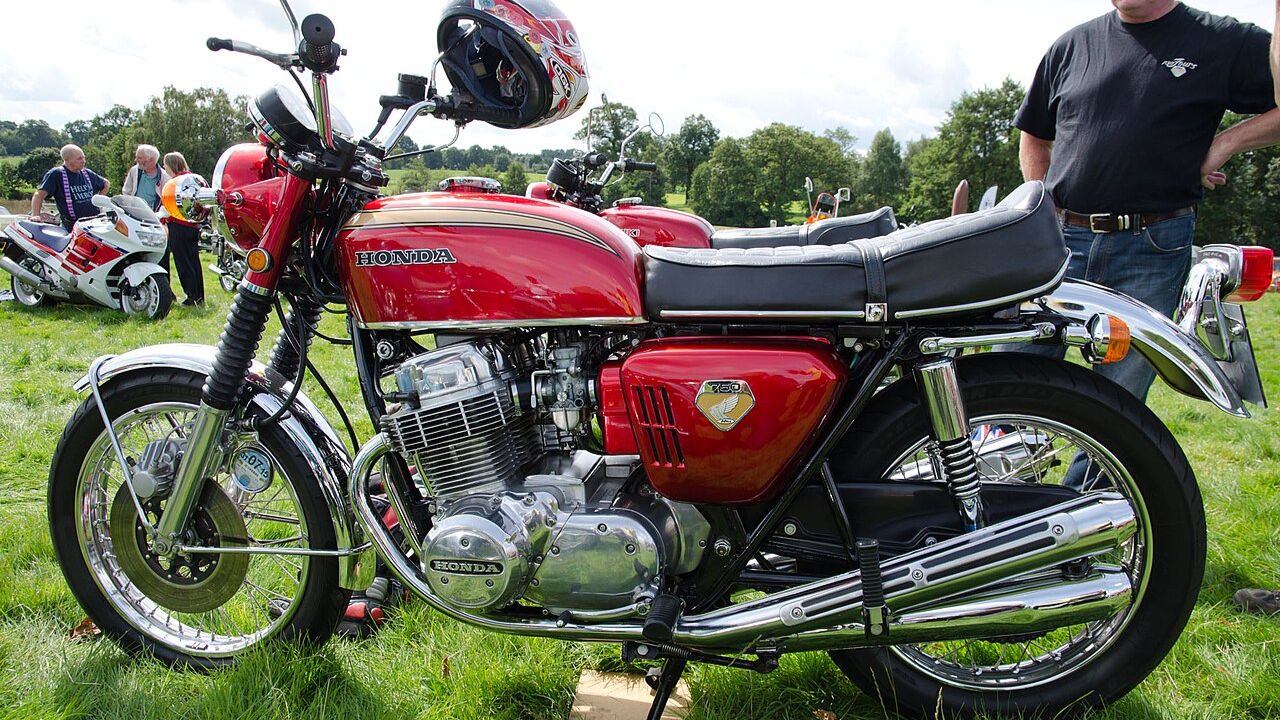
The Honda CB750 helped change the motorcycle industry while establishing a reputation for dependable engineering. Its inline-four engine offered strong performance without requiring exotic maintenance, and the bike was built around a straightforward mechanical foundation. Many examples accumulated substantial mileage while remaining usable everyday motorcycles. Its combination of smooth power, simple servicing, and strong parts availability helped make the CB750 one of the most enduring motorcycles of its generation.
Honda Gold Wing

The Gold Wing became famous for long-distance touring, but its durability was equally important to its reputation. Its horizontally opposed engines were designed to deliver smooth power over extended distances, making the motorcycle well suited to serious mileage. Owners often used Gold Wings for cross-country travel and continued riding them for years. The model’s evolution also retained a strong emphasis on mechanical longevity.
Honda Shadow
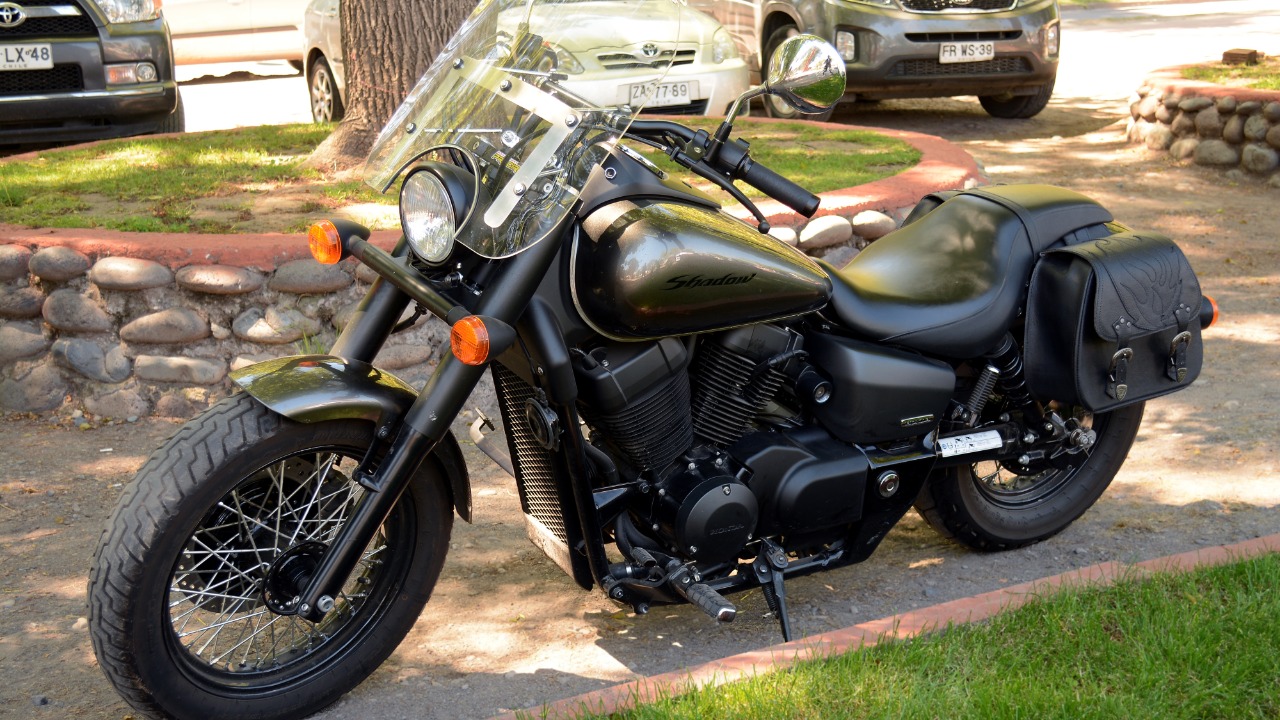
The Honda Shadow brought cruiser styling to Honda’s lineup while retaining the company’s reputation for dependable engines. Its V-twin powerplants were designed for relaxed cruising and everyday use rather than extreme performance. Many Shadows accumulated substantial mileage without becoming mechanically troublesome. Their relatively straightforward construction also made them approachable for owners who wanted a traditional cruiser without the maintenance demands sometimes associated with older American bikes.
Honda VFR750
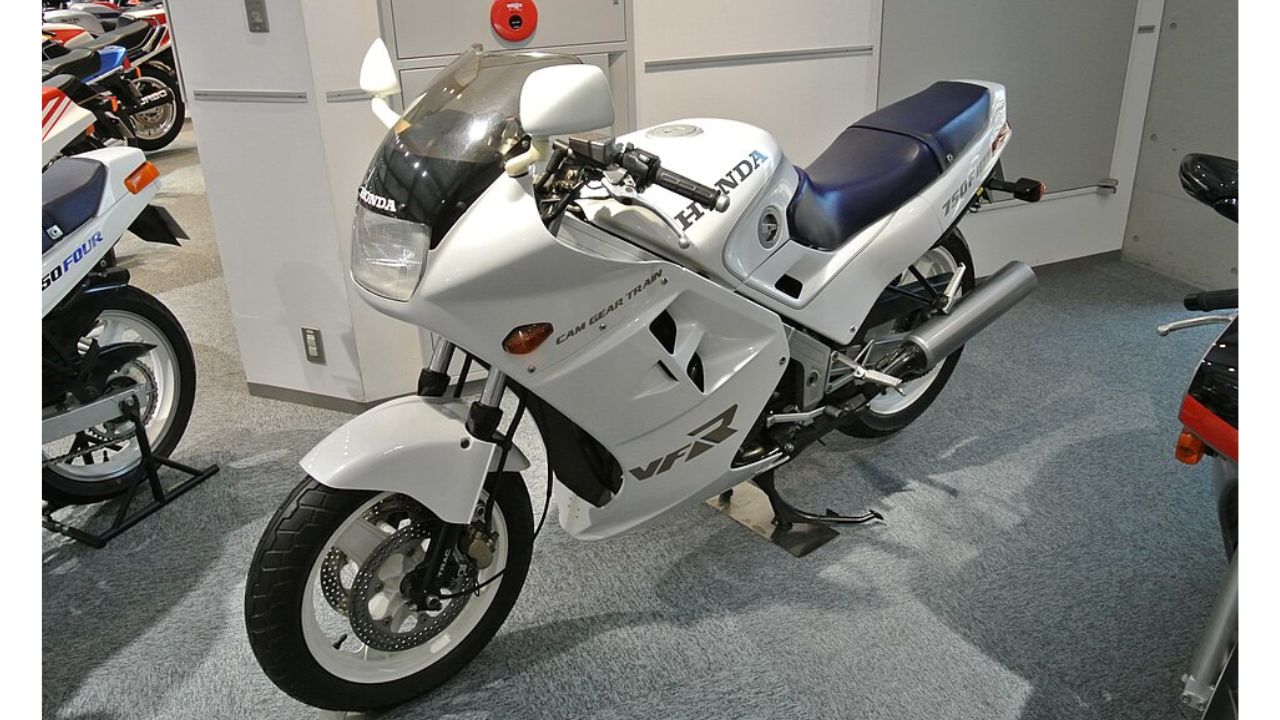
The VFR750 developed a strong reputation among riders who wanted sport-bike performance without sacrificing durability. Its V4 engine combined strong performance with a robust design, while Honda’s engineering helped the motorcycle tolerate regular use. Many owners discovered that the bike could handle substantial mileage without losing its character. It became a favorite among riders who wanted one motorcycle capable of both spirited riding and long-distance travel.
Yamaha XS650
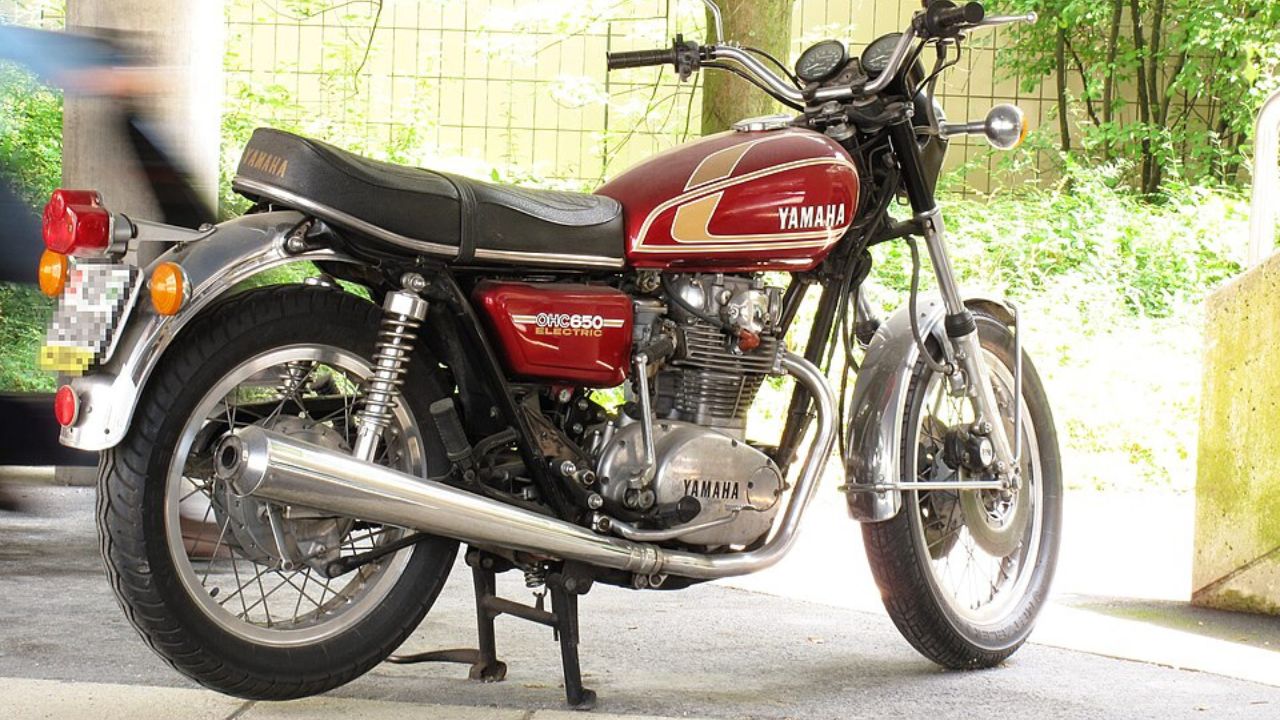
The Yamaha XS650 used a relatively simple parallel-twin engine that became known for its durability and mechanical accessibility. Its straightforward design made maintenance easier than on many more complicated motorcycles. The bike was also popular with custom builders, meaning countless examples were modified over the years. Original or carefully maintained XS650s remain desirable because they combine classic styling with an engine that has proven remarkably resilient.
Yamaha FZ1
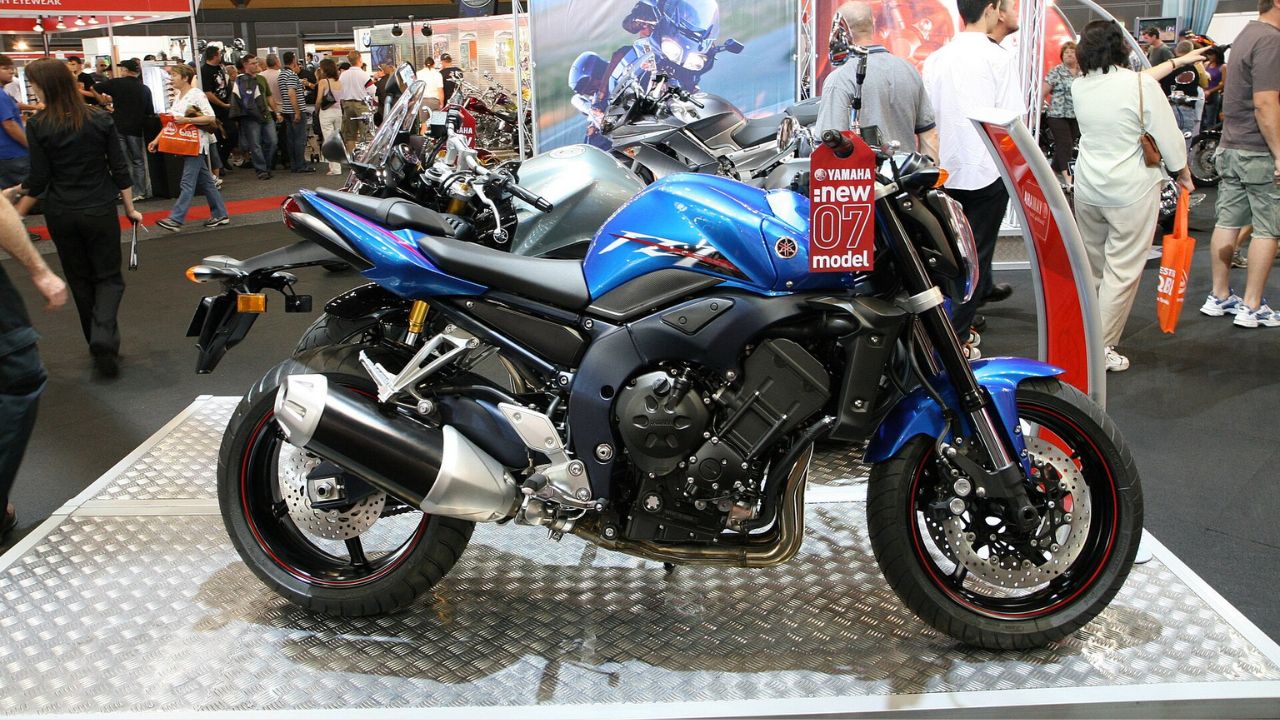
The FZ1 combined a high-performance engine with a more practical motorcycle package. Its powerplant was related to Yamaha’s sport-bike technology but tuned for a broader range of everyday riding. That combination gave the bike impressive performance without making it excessively fragile. Owners valued its ability to cover long distances while still providing strong acceleration, helping the FZ1 develop a reputation as a durable all-around motorcycle.
Yamaha SR500
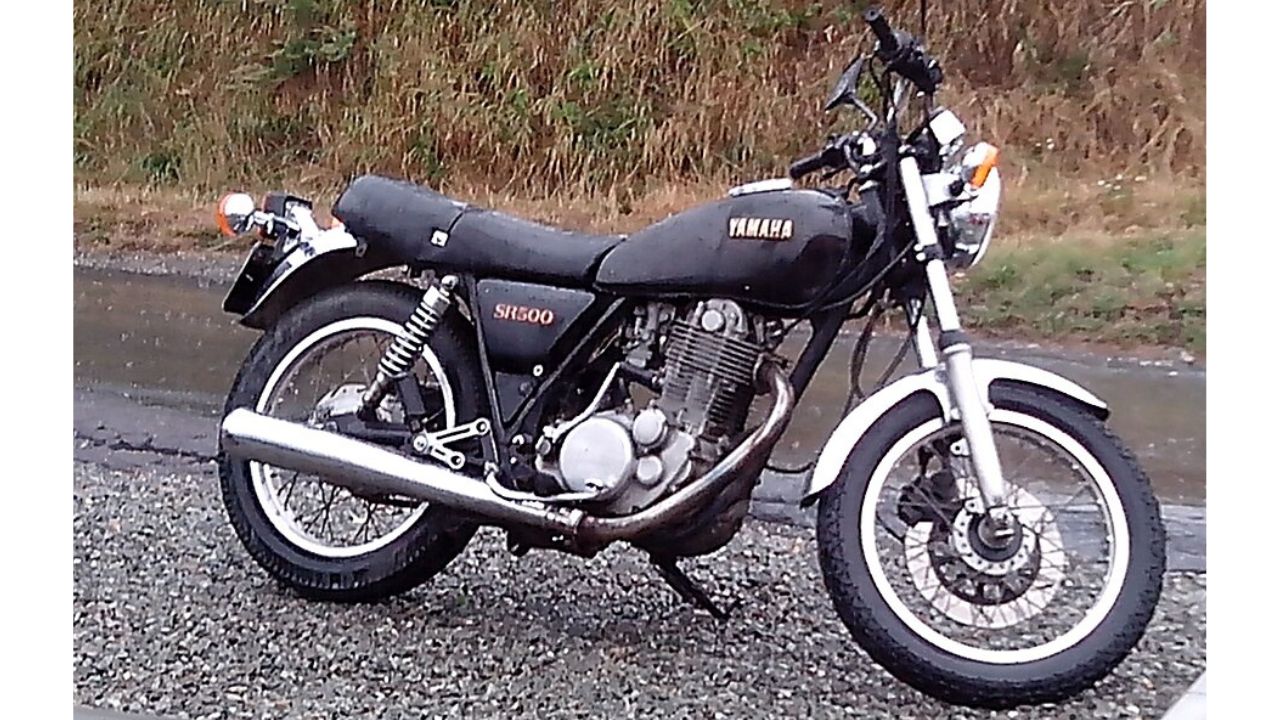
The SR500 was built around simplicity. Its large single-cylinder engine avoided much of the complexity found in multi-cylinder performance bikes, making it relatively easy to maintain and repair. The bike’s basic construction also contributed to its appeal among enthusiasts and custom builders. With proper maintenance, the SR500 could remain useful for many years, demonstrating how uncomplicated engineering can sometimes contribute to impressive longevity.
Yamaha V-Max
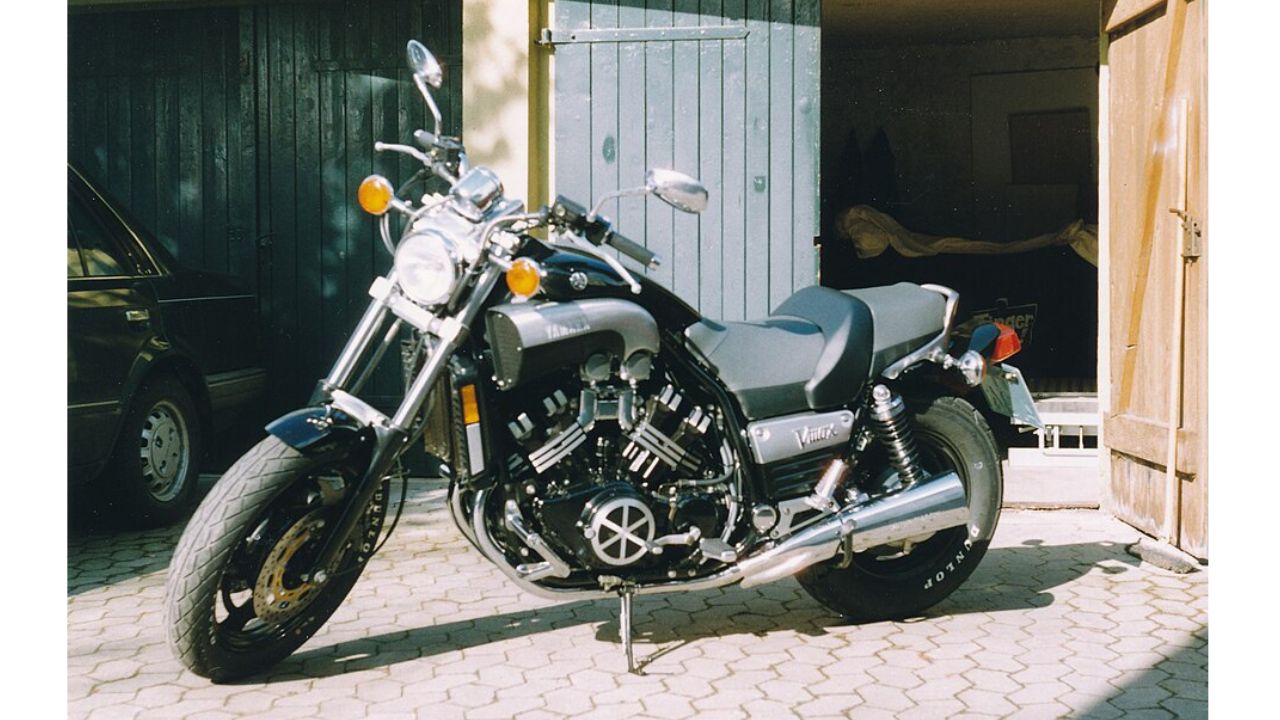
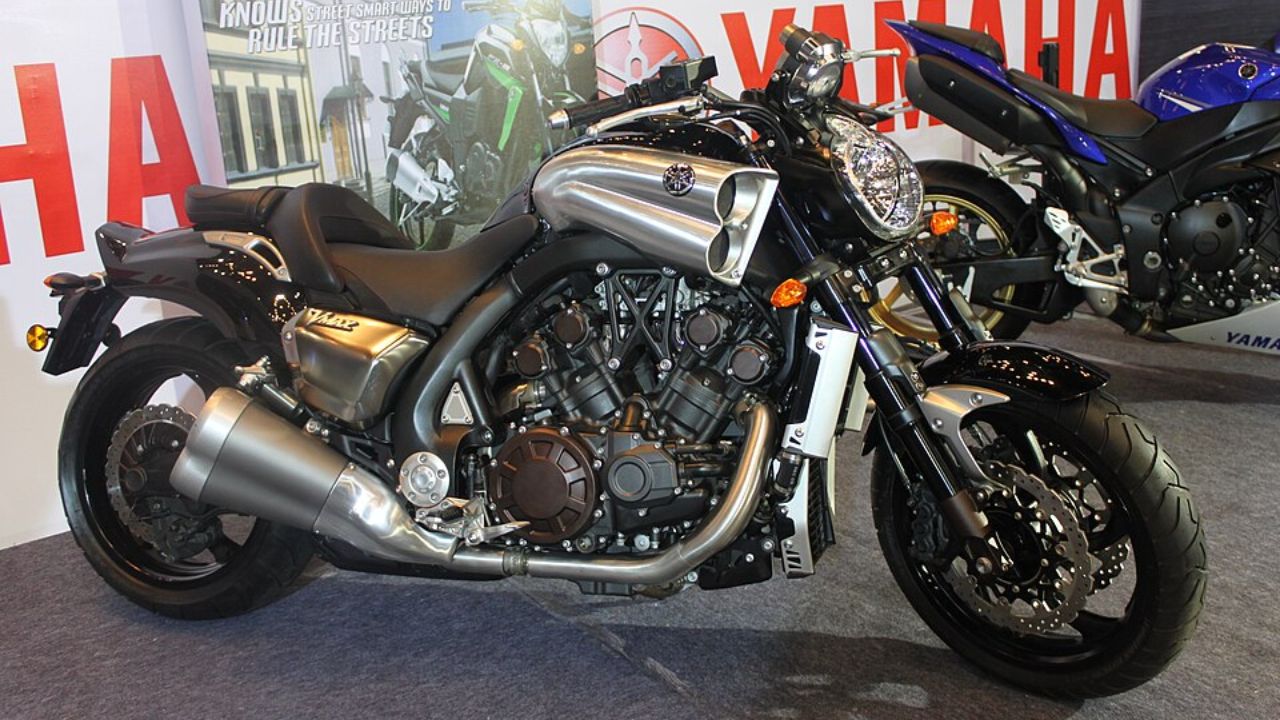
The V-Max was famous for its massive performance, but its underlying Yamaha engineering also gave it considerable staying power. Its V4 engine was developed to deliver strong acceleration while remaining suitable for regular road use. Owners who maintained these motorcycles properly often found that the engine could handle years of hard riding. Its durability made the V-Max more than a straight-line performance machine.
Kawasaki KLR650

The KLR650 developed a reputation for surviving conditions that would be hard on many conventional motorcycles. Its single-cylinder engine, long-travel suspension, and relatively simple construction made it popular with riders who traveled far from paved roads. Owners valued its ability to rack up mileage while remaining repairable in less-than-ideal environments. Its practical design became one of the reasons the model developed such a devoted following.
Kawasaki Ninja 500
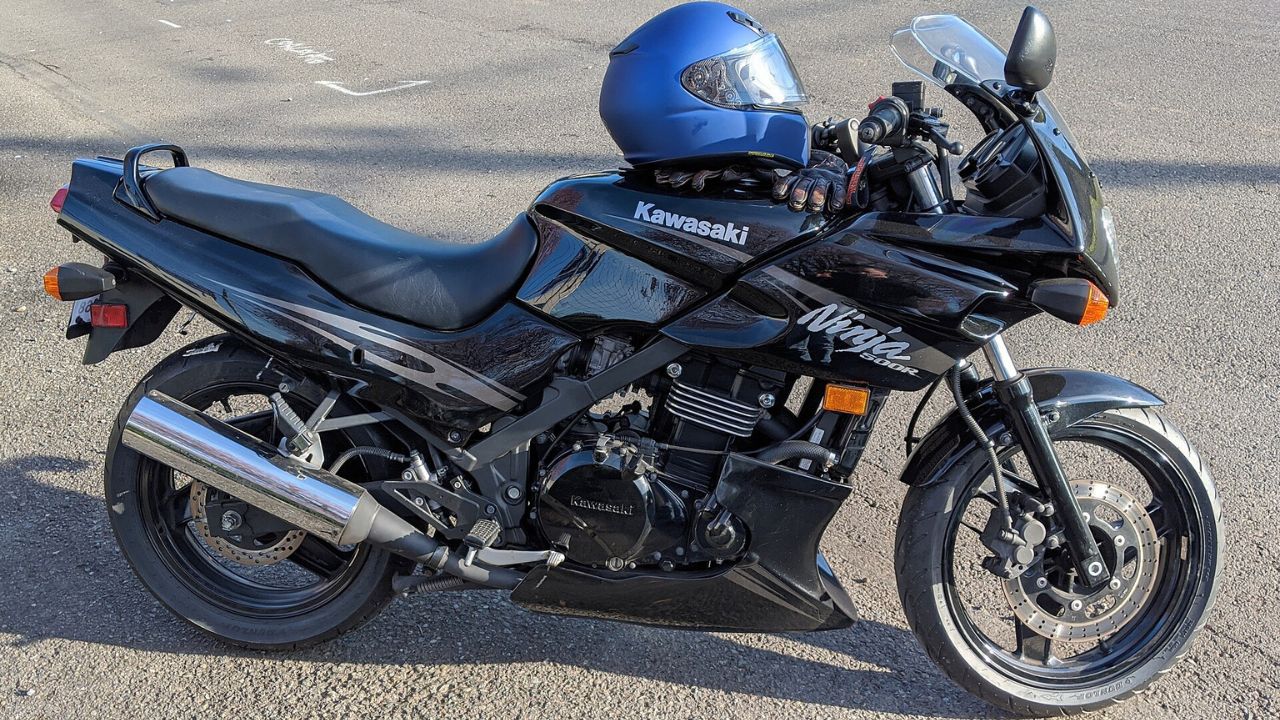
The Ninja 500 combined approachable performance with a relatively simple parallel-twin engine. It was designed as an accessible sport motorcycle rather than an extreme racing machine, which helped make it practical for everyday use. Many owners found that the engine could tolerate significant mileage when properly maintained. Its balance of performance, economy, and durability helped it remain popular for years.
Kawasaki Concours

The Concours was designed for riders who wanted sport-bike performance combined with serious touring ability. Its inline-four engine provided strong power while the motorcycle’s chassis and integrated luggage made it suitable for long journeys. The platform became known for accumulating high mileage under regular use. It proved that a performance-oriented motorcycle could also serve as a dependable long-distance machine.
Kawasaki Vulcan 900
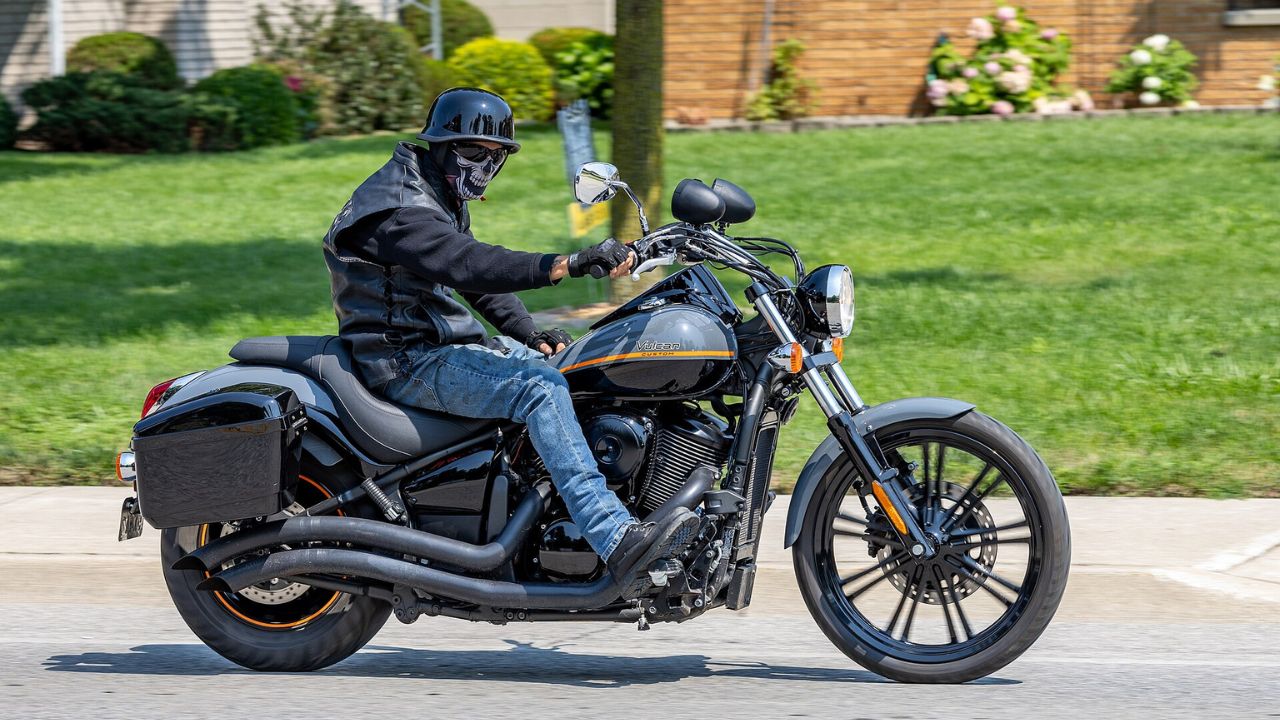
The Vulcan 900 offered traditional cruiser proportions with a modern liquid-cooled V-twin. Its relatively simple riding character made it suitable for commuting, touring, and relaxed weekend riding. Owners valued its predictable mechanical behavior and long-term usability. The engine was not pushed to extreme performance levels, allowing it to focus on smooth, consistent operation rather than maximum output.
Suzuki SV650

The SV650 became one of Suzuki’s most successful middleweight motorcycles because it combined strong performance with practical engineering. Its V-twin engine delivered useful torque without requiring an extreme state of tune. The motorcycle could be used for commuting, touring, or spirited riding, making it unusually versatile. Its durability helped explain why so many examples remained in regular use long after newer models appeared.
Suzuki DR650

The DR650 became a favorite among riders who valued simplicity and versatility. Its air- and oil-cooled single-cylinder engine was relatively straightforward, while the lightweight chassis made the bike useful both on pavement and dirt. The design emphasized practicality over technological complexity. That simplicity helped owners keep these motorcycles running for years, even when used in demanding environments.
Suzuki Bandit 1200

The Bandit 1200 used a large air-cooled four-cylinder engine with a reputation for being robust and relatively easy to maintain. Its combination of strong torque and straightforward construction made it popular with riders who wanted serious performance without an overly complicated motorcycle. Many examples remained dependable after years of regular use, reinforcing the idea that simple performance engineering can age remarkably well.
BMW R80
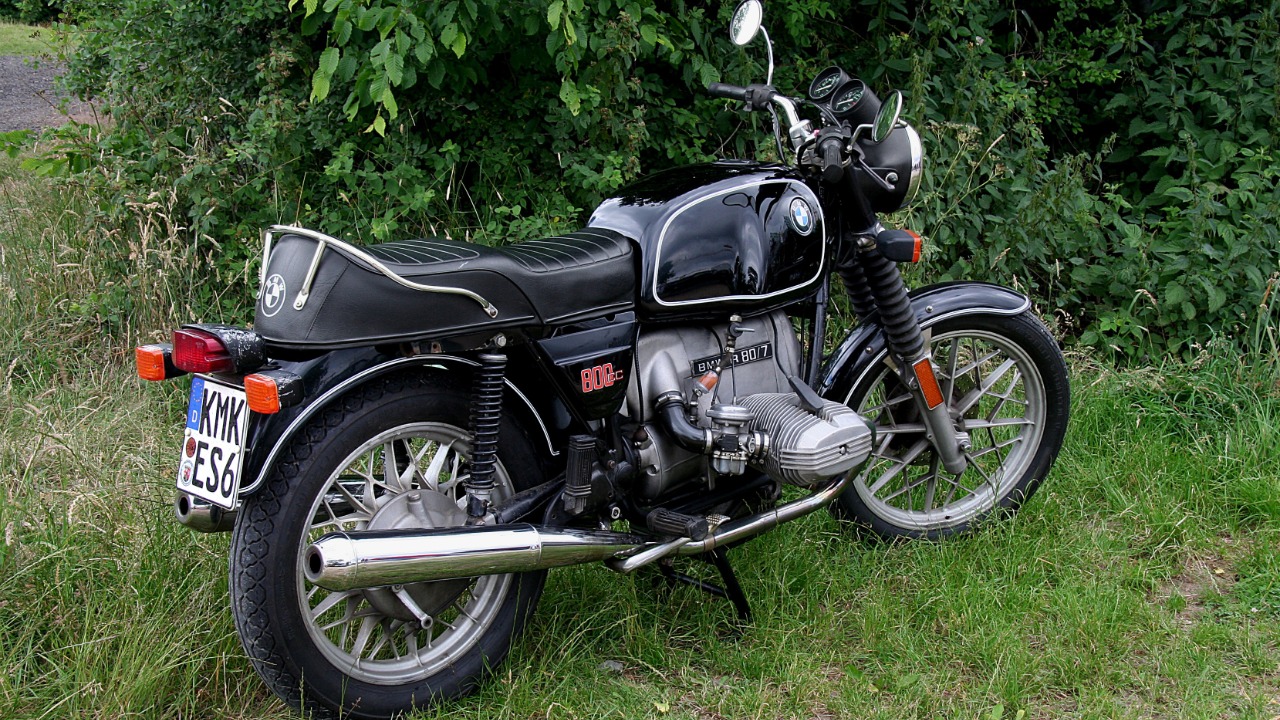
The BMW R80 became known for its durable boxer-twin engine and shaft-drive layout. Its moderate power output allowed the engine to focus on smooth, reliable operation rather than extreme performance. The motorcycle was particularly well suited to long-distance travel and touring. Properly maintained examples can remain useful for decades, making the R80 an excellent example of German engineering built around longevity.
BMW R100
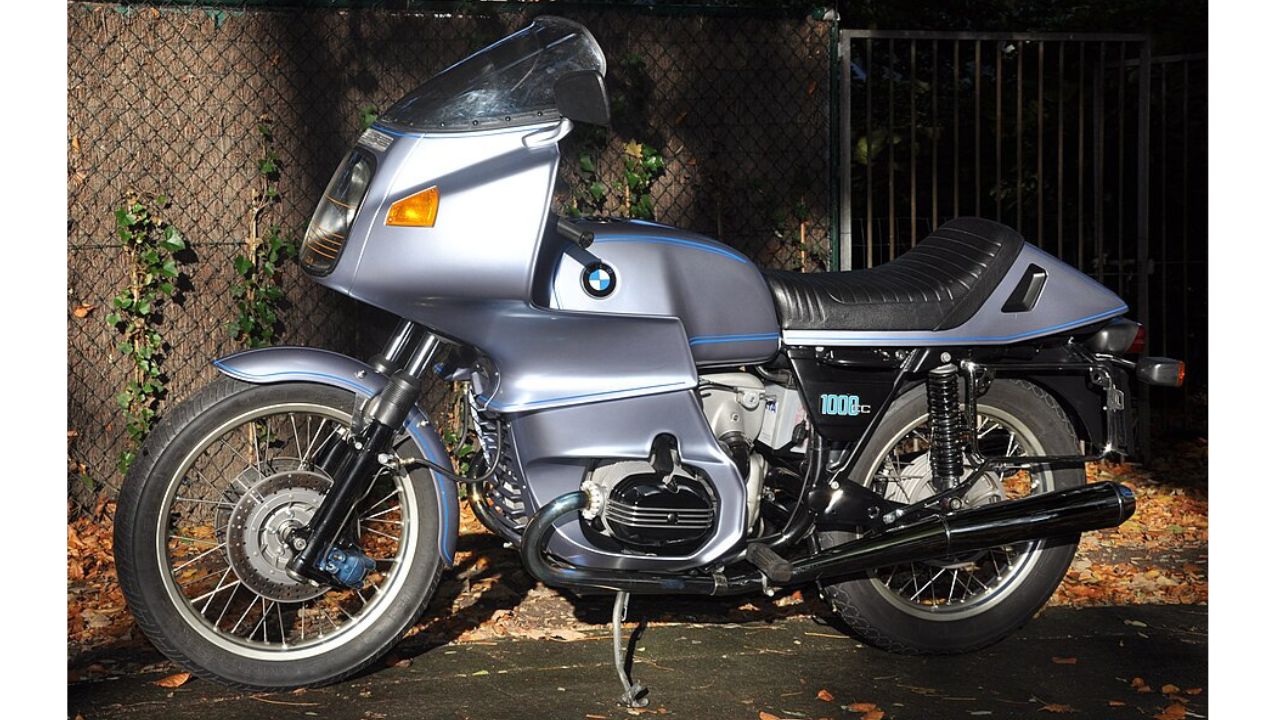
The R100 represented another highly durable BMW boxer. Its air-cooled engine was relatively easy to service, while the shaft-drive system reduced some of the maintenance associated with conventional chain-driven motorcycles. Many owners used these bikes for long-distance travel and continued riding them for years. Their longevity has also helped create a strong community of owners and specialists dedicated to keeping them on the road.
Triumph Bonneville
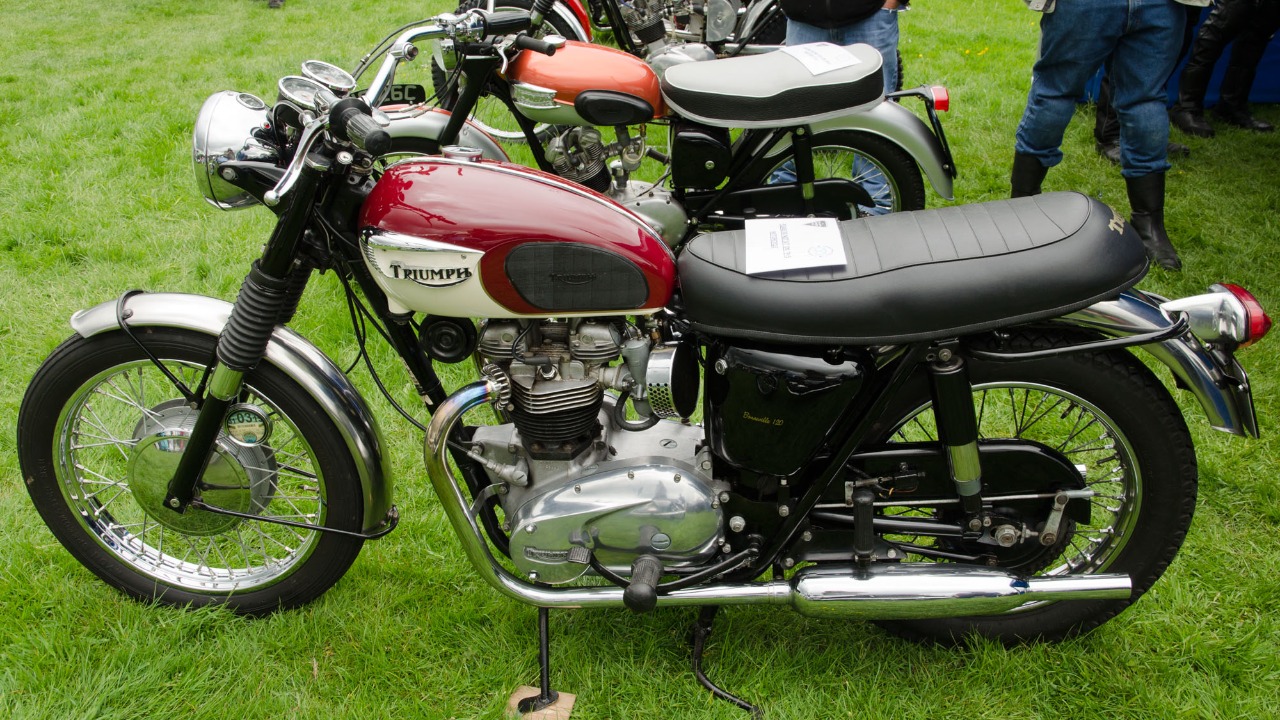
The modern Triumph Bonneville combined classic styling with a modern engine designed for everyday reliability. Its parallel-twin layout and manageable performance made it suitable for commuting as well as recreational riding. The model became popular enough to develop strong parts and service support. Its durability helped prove that a retro-styled motorcycle could provide modern usability rather than simply imitating an older machine.
Ducati Monster
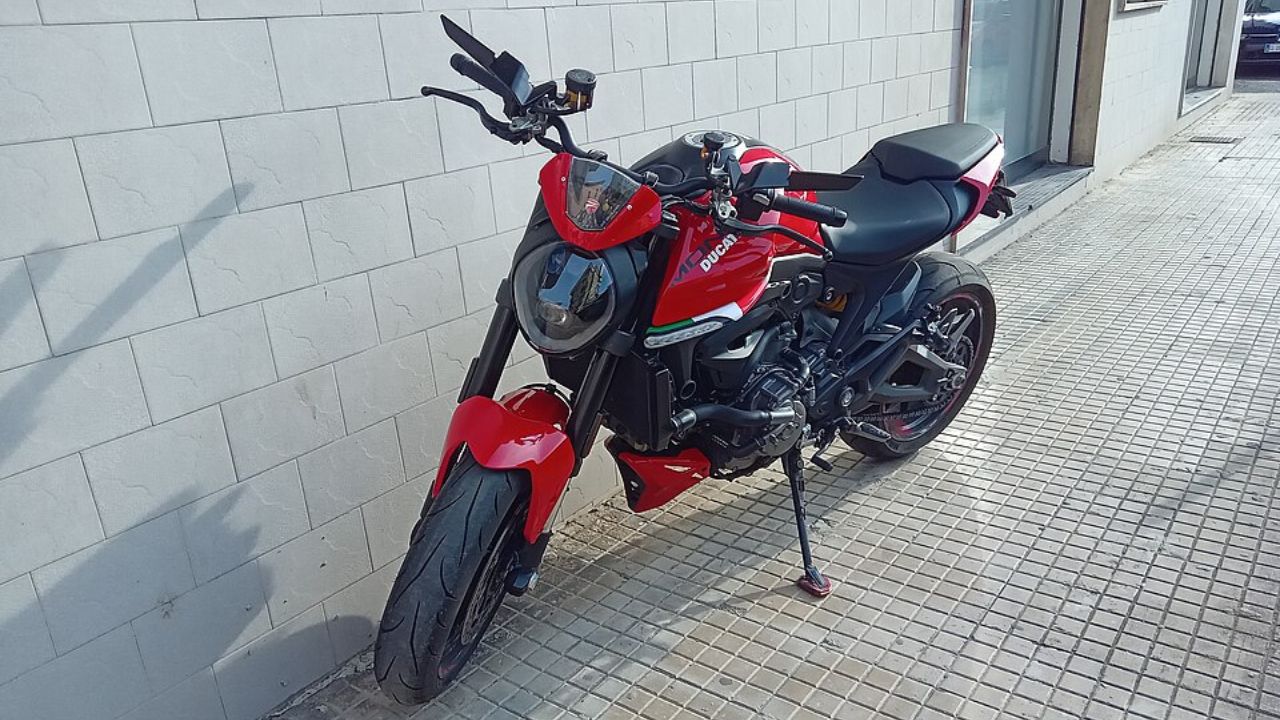
The Ducati Monster became one of the company’s most important motorcycles because it combined distinctive styling with a relatively straightforward naked-bike format. Its engine required proper maintenance, but well-cared-for examples could remain reliable for many years. The motorcycle’s mechanical character became part of its appeal. Owners who followed recommended service schedules often found that the Monster could provide substantial long-term service.
Harley-Davidson Sportster 883
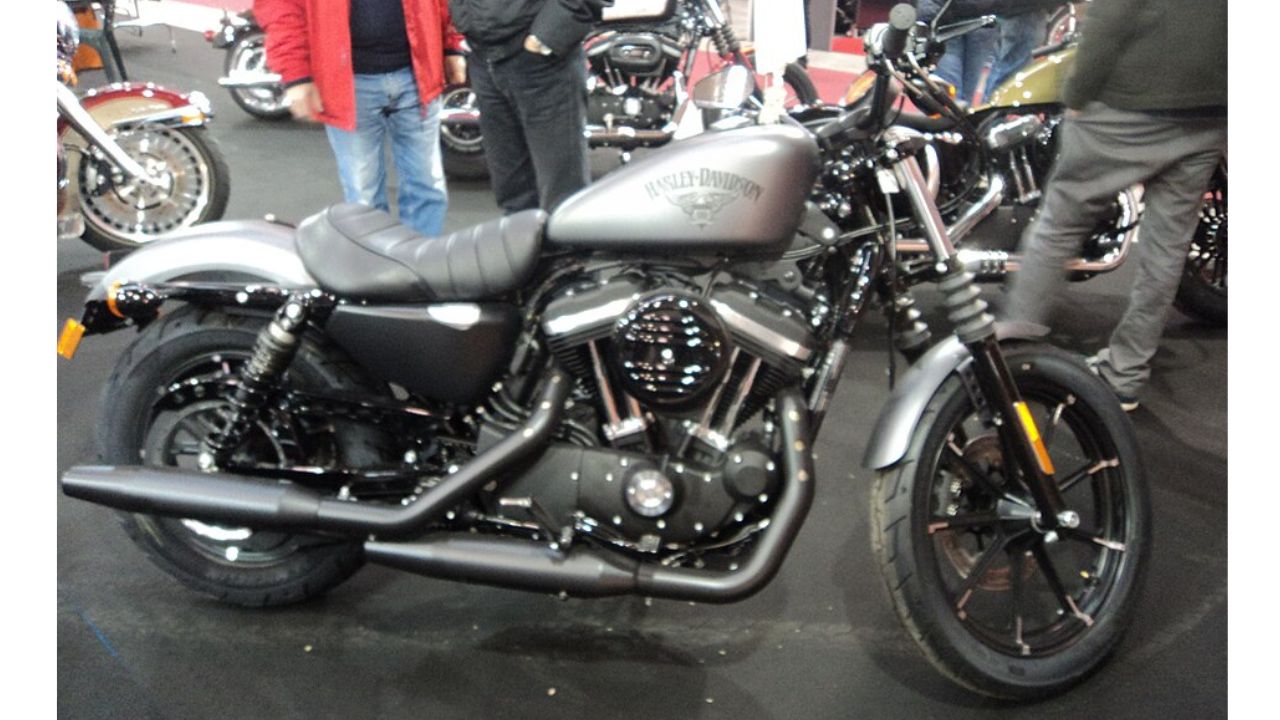
The Sportster 883 offered a relatively simple entry into Harley-Davidson’s V-twin lineup. Its modest output compared with larger models meant the engine was not pushed to extreme levels, while the motorcycle’s straightforward architecture made it familiar to mechanics and owners. Many examples accumulated years of regular riding. Its long production history also contributed to strong parts availability and an extensive knowledge base among owners.
More from Fast Lane Only
- Unboxing the WWII Jeep in a Crate
- 15 rare Chevys collectors are quietly buying
- 10 underrated V8s still worth hunting down
- Police notice this before you even roll window down
*Research for this article included AI assistance, with all final content reviewed by human editors.