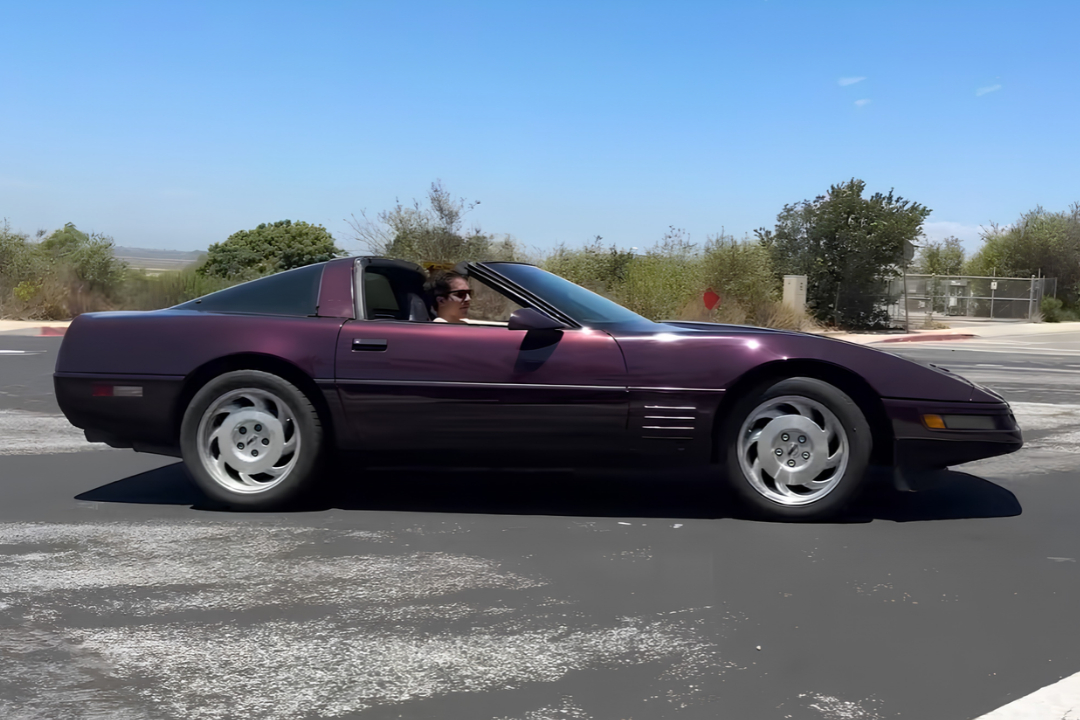
The launch of the Corvette C8 marked a significant departure from tradition, stirring heated debates among enthusiasts and purists. With its mid-engine design and other radical changes, the C8 represents a bold new direction for the iconic American sports car. This article delves into the key aspects of the controversy that continues to fuel discussions among Corvette purists.
The Mid-Engine Revolution
For decades, Corvette enthusiasts could count on one thing: the front-engine, rear-wheel-drive setup that defined the American sports car experience. However, when Chevrolet unveiled the C8’s mid-engine layout, it turned tradition on its head. The decision wasn’t made lightly; whispers of a mid-engine Corvette date back to the 1960s with prototypes like the CERV I and CERV II. But it wasn’t until 2020 that this vision became a reality, driven by the need to stay competitive in a market where mid-engine designs dominate the high-performance landscape.
The performance benefits of the mid-engine layout are hard to ignore. By shifting the engine behind the driver, the C8 achieves better weight distribution, resulting in improved handling and balance. This change allows the Corvette to compete more directly with European sports cars like the Ferrari 488 and the Lamborghini Huracán. However, not everyone is thrilled. Purists argue that the move sacrifices the classic driving dynamics that made previous Corvettes so beloved, fearing the loss of the front-engine charm that many associate with the brand’s heritage.
Design Overhaul: Aesthetics and Aerodynamics
One look at the Corvette C8, and it’s clear that this isn’t the Corvette of yesteryears. The car’s exterior design breaks from traditional styling cues, adopting a sleeker, more aggressive look. It’s a significant departure from the long hood and short deck that characterized earlier models. While some see it as a necessary evolution to compete globally, others feel it strays too far from the Corvette’s recognizable silhouette. The C8’s styling has sparked debates on the forums, with some fans embracing the change and others longing for the classic design elements.
Inside, the C8 offers a driver-focused cockpit that feels more like a fighter jet than a car. Advanced technology features, including a digital dashboard and customizable displays, redefine the Corvette experience. The interior’s high-tech approach, combined with premium materials, marks a significant upgrade from previous generations. Yet, some enthusiasts feel that these changes make the car less relatable, fearing that it moves away from the raw, unfiltered driving experience that defined the Corvette’s identity. The aerodynamic advancements also play a crucial role, enhancing performance and efficiency, though opinions remain divided on whether these changes enhance or detract from the car’s character.
Performance and Powertrain Evolution
At the heart of the C8 is the new LT2 V8 engine, a naturally aspirated powerhouse delivering 495 horsepower when equipped with the Z51 Performance Package. This engine represents a significant leap forward in terms of performance, allowing the C8 to sprint from 0 to 60 mph in under three seconds. While the performance gains are undeniable, some purists lament the loss of the pushrod V8 engines that have been a staple of the Corvette lineup for decades. The LT2 offers a modern take on a classic formula, but its impact on the Corvette’s legacy is a topic of ongoing debate.
The transition from a manual to a dual-clutch automatic transmission has also stirred controversy. For many driving purists, the manual gearbox is a non-negotiable part of the sports car experience. The C8’s eight-speed dual-clutch automatic transmission offers lightning-fast shifts and improved efficiency, but it leaves some enthusiasts feeling disconnected. Despite these concerns, the C8’s performance metrics stand strong, competing with and even surpassing rival sports cars in its class, such as the Porsche 911 Carrera and the Audi R8.
Market Position and Pricing Strategy
The Corvette C8’s bold changes align with Chevrolet’s strategy to attract a broader, possibly younger demographic. The mid-engine layout, combined with advanced technology and a fresh design, aims to capture the attention of a global audience. This shift reflects Chevrolet’s ambition to elevate the Corvette as a world-class sports car, appealing not just to traditional buyers but also to new enthusiasts who might have otherwise considered European or Japanese alternatives.
However, the C8’s pricing strategy hasn’t been without controversy. While the base model starts at a competitive price point, the cost can quickly escalate with options and packages. This has led to debates about value perception among traditional buyers, who have long seen the Corvette as a more affordable entry into the world of high-performance sports cars. The pricing strategy reflects Chevrolet’s desire to position the C8 as a premium product, but it also risks alienating some of its core customer base. Chevrolet’s global ambitions for the C8 highlight its intent to compete on an international stage, targeting markets that have traditionally favored brands like Ferrari, Porsche, and Aston Martin.
Legacy and Future Implications
The introduction of the C8 has undoubtedly made a significant impact on the Corvette lineage. It represents a bold step forward while sparking discussions about how it fits into the broader history of the Corvette. For some, it’s a natural evolution that keeps the brand relevant in a rapidly changing automotive landscape. For others, it’s a divisive chapter that challenges the essence of what it means to be a Corvette. The C8’s influence on future models is already evident, with speculation about even more radical changes on the horizon.
As the automotive industry moves towards electric and hybrid technology, the Corvette’s future could see the incorporation of these advancements. Rumors of a hybrid or fully electric Corvette have been circulating, suggesting that Chevrolet is exploring ways to maintain performance while embracing sustainability. Whether these changes will be accepted by purists or viewed as a further departure from tradition remains to be seen. Ultimately, the long-term acceptance of the C8 will depend on whether it can bridge the gap between its storied past and an innovative future, earning a place in the hearts of enthusiasts old and new.
More from Fast Lane Only