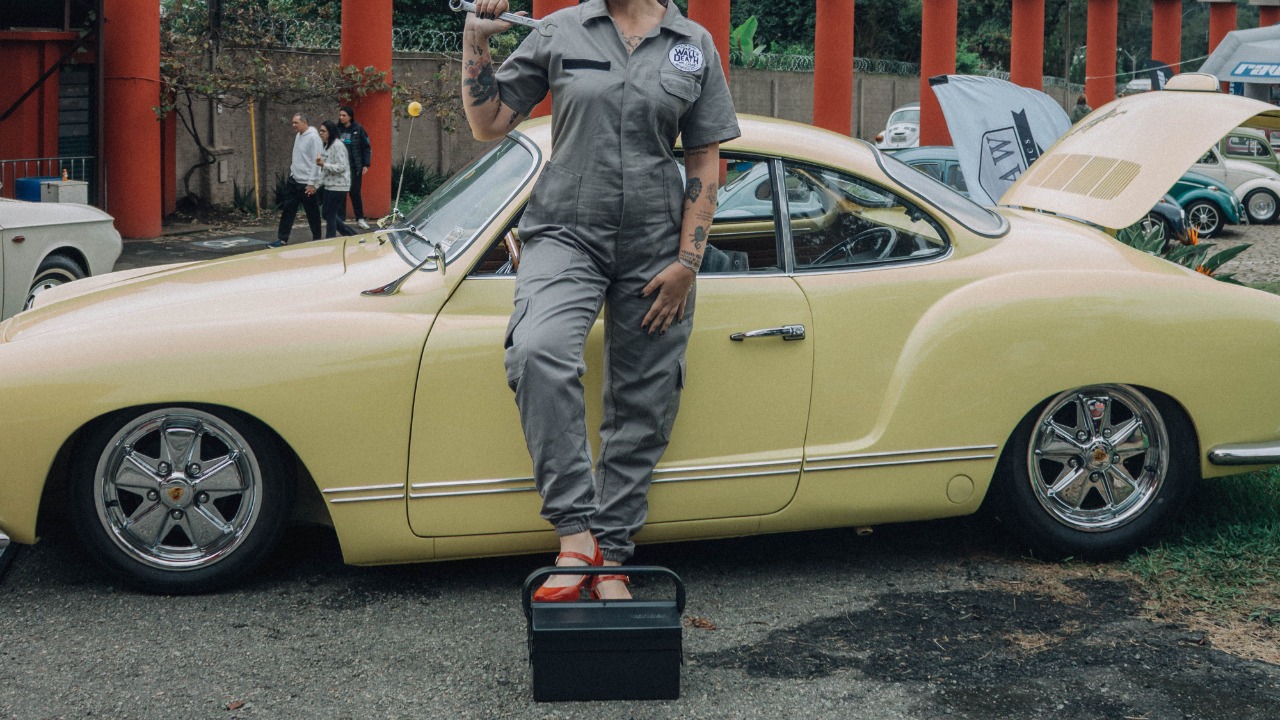
Classic car owners often carried tools with them on the road due to the mechanical simplicity of older vehicles, which required more hands-on maintenance. This practice stands in stark contrast to modern drivers, who rely heavily on sophisticated technology and professional services for vehicle upkeep.
The Mechanical Simplicity of Classic Cars
Classic cars were designed with fewer electronic components, making them easier to diagnose and repair on the spot. For instance, a 1965 Ford Mustang featured a straightforward V8 engine with a carburetor and mechanical ignition system. These components are not only simpler but also more accessible for DIY repairs, allowing owners to perform tasks like changing spark plugs or adjusting the carburetor with minimal tools. Unlike modern vehicles, which often have complex electronic systems and sensors, classic cars allow for a hands-on approach to maintenance, making it feasible for an average owner to tackle issues without extensive training.
The simplicity of classic car engineering also fosters a deeper understanding of the vehicle. When I work on my 1970 Chevrolet Nova, I find it easier to identify issues such as a leaking water pump or a faulty alternator. The straightforward design means that I can often diagnose problems without the need for expensive diagnostic tools. This level of accessibility not only empowers owners but also creates a sense of self-reliance and confidence that is sometimes absent in the modern driving experience.
Reliability Concerns and Roadside Assistance
Classic cars, while charming and nostalgic, were notorious for their susceptibility to breakdowns. Older vehicles often faced issues like vapor lock, fuel starvation, or electrical failures that required immediate attention. As a classic car owner, I have learned the importance of being prepared for emergencies. Carrying a basic toolkit—complete with wrenches, screwdrivers, and even a jack—has proven invaluable during my travels. The simple act of tightening a loose battery cable or replacing a faulty fuse can mean the difference between a smooth journey and a frustrating roadside wait.
The lack of modern roadside assistance services further underscores the necessity for classic car owners to be self-sufficient. In the past, long stretches of road often meant limited access to repair shops or assistance. For example, during a road trip through the Midwest, I found myself miles away from the nearest service station. My toolkit enabled me to resolve a minor issue with my ignition system, allowing me to continue my journey without the hassle of waiting for a tow truck. This historical context of road travel has made carrying tools a standard practice among classic car enthusiasts.
The Culture of DIY Maintenance
A strong community and culture around car restoration have fostered a hands-on attitude among classic car enthusiasts. Many of us take pride in our ability to work on our vehicles, and this is often a skill that has been passed down through generations. I frequently attend local car shows where fellow enthusiasts exchange tips on everything from engine rebuilding to bodywork. This sense of camaraderie reinforces the notion that self-sufficiency is not just a personal trait but a cultural norm within the classic car community.
Car clubs and online forums, such as the Classic Car Club of America and various Facebook groups dedicated to specific models, often emphasize the importance of being prepared for any situation on the road. Members share stories of their roadside repairs, offering advice and support to novices. This culture of DIY maintenance not only preserves the legacy of these vehicles but also creates a network of knowledgeable individuals who are always ready to lend a hand. For many classic car owners, the ability to fix a car is a point of pride, reinforcing the enduring bond between the owner and their vehicle.
Modern Drivers and Technological Dependence
With the advent of advanced automotive technology, modern vehicles have become increasingly complex. Systems that once required minimal maintenance now often depend on intricate electronics and software. For instance, modern cars like the 2023 Tesla Model 3 use extensive computer systems to manage everything from engine performance to entertainment features. This reliance on technology means that many repairs are beyond the scope of DIY fixes, often requiring specialized knowledge and expensive diagnostic equipment. As a result, many drivers find themselves dependent on service centers for even minor issues.
Additionally, modern vehicles come equipped with sophisticated diagnostics that alert drivers to problems before they become serious. For example, the onboard diagnostic system in a 2022 Honda Accord can identify issues like engine misfires or emissions failures, often displaying alerts on the dashboard. This advanced technology provides drivers with a sense of security but also contributes to a perception of reliability that diminishes the necessity for carrying tools. Many modern drivers feel confident relying on their vehicle’s technology to alert them to any issues, reducing the inclination to be self-sufficient.
The Evolution of Vehicle Design and Maintenance Practices
The evolution of vehicle design philosophy has shifted the focus from simplicity to efficiency and advanced features. Modern cars prioritize fuel efficiency, safety features, and comfort, often at the expense of ease of maintenance. For example, many newer models have engines that are tightly packed and difficult to access, making even routine tasks like changing oil a challenge. This design trend has effectively marginalized the need for on-the-go repairs, as many drivers are less equipped to handle mechanical issues without professional assistance.
Moreover, scheduled maintenance and extended warranties have become the norm in the automotive industry, leading drivers to depend heavily on manufacturers and dealerships. According to a 2023 report from the Automotive Industry Association, over 70% of new car buyers opted for maintenance packages that cover all servicing needs for the first few years of ownership. This reliance on servicing contracts further reduces the incentive for drivers to carry tools, as they often feel secure in the knowledge that any issues will be handled by professionals. The rise of mobile apps, such as myCARFAX and Car Minder, has also transformed how drivers interact with their vehicles, providing reminders for maintenance and tracking service history, making physical tools less relevant in daily life.
Conclusion: The Legacy of Tool-Carrying in Classic Car Culture
While modern drivers may not see the need for toolkits, classic car owners continue to embrace the spirit of self-sufficiency and connection with their vehicles. The practice of carrying tools remains a symbol of a bygone era where hands-on knowledge and preparedness were essential for the road. As I navigate the winding roads in my classic car, I carry not just tools but a piece of automotive history—a reminder of a time when every driver had the capability to tackle challenges head-on. In an age increasingly dominated by technology, the tradition of self-reliance among classic car enthusiasts serves as a testament to the enduring bond between driver and machine.
More from Fast Lane Only
- Unboxing the WWII Jeep in a Crate
- 15 rare Chevys collectors are quietly buying
- 10 underrated V8s still worth hunting down
- Police notice this before you even roll window down
*Research for this article included AI assistance, with all final content reviewed by human editors.