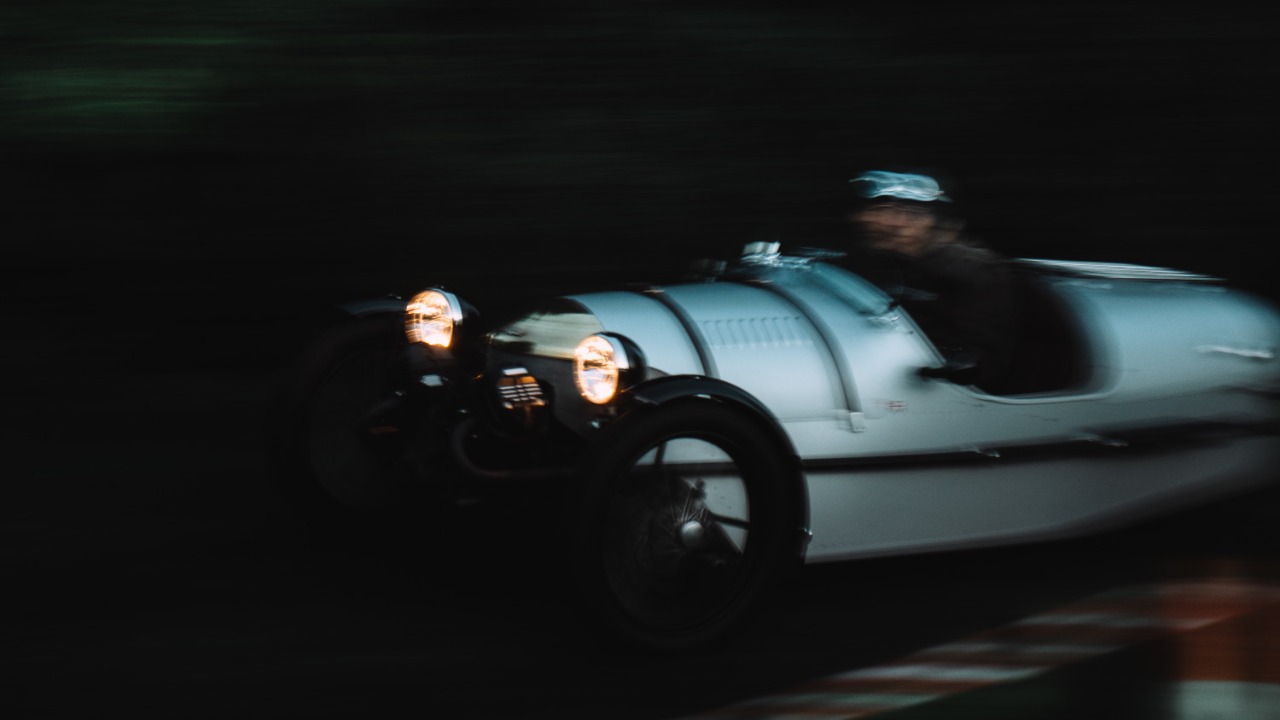
Driving at night has always posed unique challenges, but before the advent of modern headlights, it was a vastly different experience. Early drivers relied on rudimentary lighting technologies and navigational techniques to traverse dark roads, often facing considerable risks along the way.
Early Lighting Technologies
In the early days of motoring, oil lamps and lanterns were the primary sources of light for drivers. These devices emitted a soft glow that, while sufficient for illuminating the immediate area, lacked the brightness and range needed for safe nighttime travel. Oil lamps typically used whale oil or kerosene, and although they were relatively easy to use, their flickering light made it difficult to gauge distances accurately. Drivers often struggled to see obstacles such as potholes, animals, or even other vehicles until it was too late.
The introduction of acetylene headlights in the late 19th century brought some improvements. These headlights produced a brighter light than oil lamps, thanks to the combustion of acetylene gas. Vehicles like the 1905 Cadillac introduced this technology, which allowed for better visibility at night. However, acetylene headlights had their drawbacks, including the need for regular maintenance and the risk of explosions if not handled carefully. Despite these issues, they represented a significant step forward in nighttime driving safety.
By the early 20th century, electric headlights began to replace gas and oil options, marking a pivotal moment in automotive history. The first electric headlights appeared on vehicles like the 1912 Cadillac Model 30. This transition not only improved visibility but also enhanced safety by allowing drivers to see farther down the road. Electric headlights were more reliable and required less maintenance, paving the way for the modern lighting systems we rely on today.
Challenges of Nighttime Driving
Limited visibility was one of the most significant challenges faced by early drivers when navigating the roads at night. With inadequate lighting from oil lamps or early acetylene headlights, it was nearly impossible to spot road signs or detect other vehicles until they were alarmingly close. This lack of visibility often resulted in dangerous encounters and accidents that could have been avoided with better lighting.
The increased risk of accidents during nighttime driving is well-documented. Statistics from the early 20th century indicate that a significant percentage of road accidents occurred after dark. Anecdotal evidence from the time reveals harrowing stories of drivers crashing into unseen obstacles or colliding with other vehicles in the dark. As a result, nighttime driving was often associated with a higher likelihood of injury or fatality, leading to widespread fear among the public.
Driver fatigue and disorientation were additional challenges that contributed to the dangers of night driving. Long journeys made in the dark could easily lead to exhaustion, impairing a driver’s ability to concentrate. In rural areas, where roads were often unpaved and poorly marked, the absence of streetlights further exacerbated the problem, making it difficult for drivers to maintain their bearings. As a result, many drivers would find themselves lost or confused on unfamiliar routes, increasing the likelihood of accidents.
Driving Techniques and Strategies
To cope with the limitations of early lighting technologies, drivers often relied on natural light sources to guide their way at night. Moonlight and starlight became invaluable assets for those brave enough to venture out after dark. On clear nights, the glow of the moon could provide just enough illumination to make out the shapes of the road ahead, though this was hardly a reliable method. The effectiveness of using natural light varied greatly depending on the weather and lunar phases, making nighttime driving an unpredictable affair.
Landmarks played a crucial role in nighttime navigation, especially in rural areas where roads were less defined. Drivers would often memorize familiar landmarks, such as distinctive trees or buildings, to help them stay on course. This reliance on the environment made it essential for drivers to know their routes well, as turning off the main path could lead to disorientation and potential hazards. It was not uncommon for drivers to stop and ask for directions if they found themselves lost in the dark.
Passengers also had a vital role in enhancing safety during nighttime travel. Not only did they assist drivers in navigating, but they also helped spot hazards that may have escaped the driver’s attention. This cooperative approach made nighttime driving a shared responsibility, highlighting the importance of teamwork for safe travel. Passengers would often keep a lookout for oncoming vehicles, animals, or other obstacles, significantly improving the likelihood of a safe journey.
Cultural Perceptions of Night Driving
Nighttime driving has long been romanticized in popular culture, depicted as an adventure filled with excitement and freedom. The allure of the open road, coupled with the thrill of navigating through the darkness, created a sense of escapism for many. Literature and films of the time often celebrated this sense of adventure, portraying nighttime excursions as opportunities for spontaneous road trips or secret rendezvous. This romantic notion contrasted sharply with the very real dangers of driving in the dark, creating a complex relationship between enjoyment and risk.
However, societal fears surrounding nighttime travel were also prevalent. Concerns about crime and accidents loomed large, leading many to view nighttime driving as a venture fraught with danger. Stories of highwaymen or accidents due to poor visibility contributed to a culture of caution. This dual perception of nighttime driving—both adventurous and perilous—shaped public attitudes and influenced how regulations surrounding road safety evolved over time.
The influence of literature and media on the public perception of night driving cannot be overstated. Novels and films often depicted nighttime journeys as dramatic and thrilling, capturing the imagination of audiences. These portrayals helped to create a cultural narrative around driving at night, intertwining themes of adventure, risk, and freedom. Yet, they often glossed over the very real dangers that early drivers faced, leaving a complex legacy that continues to impact how we view nighttime travel today.
The Evolution of Headlights
Over the decades, advancements in headlight technology have transformed the nighttime driving experience. The transition from gas and acetylene lights to electric headlights marked the beginning of a new era in automotive safety. Later innovations led to the development of halogen and HID (high-intensity discharge) headlights, which provided brighter, more efficient lighting. Today, LED headlights have taken center stage, offering superior visibility and energy efficiency. Vehicles such as the 2021 Tesla Model 3 showcase the cutting-edge technology that has become the norm in modern automobiles.
Regulatory changes have also played a crucial role in improving headlight safety standards over time. Governments around the world have implemented regulations regarding headlight brightness and design, ensuring that vehicles are equipped with lights that enhance visibility without blinding other drivers. These regulations have contributed to a marked decrease in nighttime accidents, allowing more people to travel after dark without fear.
The impact of modern headlights on the culture of night driving is profound. With enhanced visibility, more people feel comfortable taking to the roads after sundown. This shift has made nighttime travel not just safer but also more accessible. As a result, late-night driving has become a routine part of life for many, from daily commutes to leisurely road trips.
Lessons from the Past
Reflecting on the challenges faced by early drivers offers valuable insights into modern road safety practices. Understanding the limitations of historical lighting technologies helps us appreciate the advancements that have been made over the years. By learning from the past, we can continue to improve road safety and develop technologies that address current and future challenges.
Moreover, it’s essential to recognize and appreciate the innovations that have revolutionized nighttime driving. Modern headlights not only enhance visibility but also contribute to a safer driving environment overall. As we enjoy the benefits of these advancements, it’s crucial to remain vigilant and prioritize safety on the roads.
Looking ahead, the future of night driving seems promising with the emergence of technologies like autonomous vehicles and advanced lighting systems. These innovations have the potential to further reduce risks associated with nighttime travel, making roads safer for everyone. As we advance into this new era, maintaining awareness of both the opportunities and challenges that lie ahead will be key to ensuring safe and enjoyable nighttime journeys.
More from Fast Lane Only
- Unboxing the WWII Jeep in a Crate
- 15 rare Chevys collectors are quietly buying
- 10 underrated V8s still worth hunting down
- Police notice this before you even roll window down
*Research for this article included AI assistance, with all final content reviewed by human editors.