The drivetrain is a crucial element that can significantly influence a sports car’s performance, handling, and overall driving experience. A well-engineered drivetrain can elevate a vehicle from being merely fast to genuinely exhilarating. In this exploration, I’ll discuss a distinctive drivetrain combination that has set one remarkable sports car apart from its competitors, delving into its unique features and the engineering behind its success.
Understanding Drivetrain Basics
The drivetrain of a vehicle encompasses all the components that transmit power from the engine to the wheels. Key components include the engine itself, the transmission, and the axles. The configuration of these components can vary significantly, resulting in different types of drivetrains such as front-wheel drive (FWD), rear-wheel drive (RWD), all-wheel drive (AWD), and four-wheel drive (4WD). Each configuration has distinct characteristics that can influence a sports car’s handling dynamics, acceleration, and overall performance.
In sports cars, drivetrain configuration is especially critical. RWD is often favored for its balanced handling and performance characteristics, allowing for better power distribution during acceleration. Conversely, AWD systems enhance traction, making them ideal for high-performance vehicles that need to maintain grip during aggressive maneuvers. The choice of drivetrain can dramatically affect a car’s character, making it essential to understand these configurations when evaluating sports car performance. For a deeper dive into the advantages of each drivetrain type, check out this discussion.
The Star Sports Car: An Overview
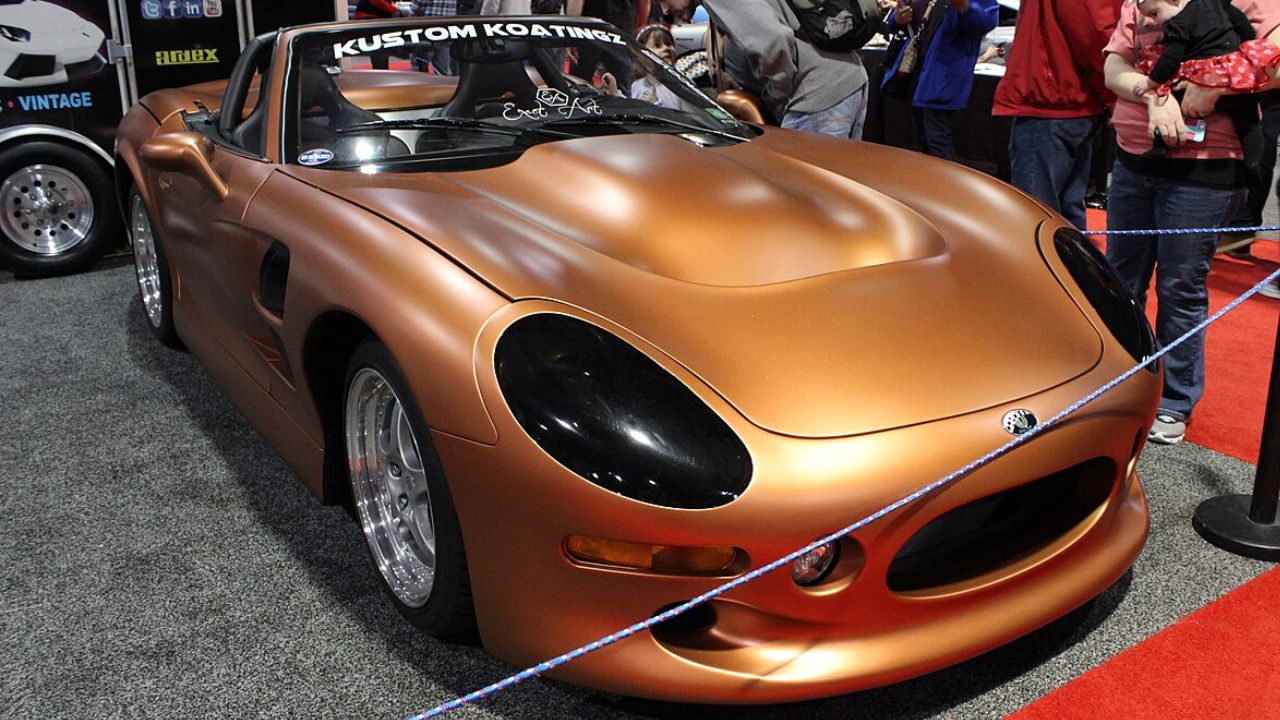
Let’s turn our attention to the sports car that exemplifies the impact of an innovative drivetrain: the 1999 Shelby Series 1. Born from an iconic automotive lineage, this car was introduced as a limited-production vehicle that aimed to blend the legacy of Carroll Shelby with modern engineering. With a lightweight chassis and a powerful engine, the Series 1 quickly captured the attention of automotive enthusiasts and critics alike.
Under the hood, the Shelby Series 1 boasts a potent 4.0-liter V8 engine, producing an impressive 320 horsepower. This performance is paired with a 6-speed manual transmission, allowing for precise gear shifts that enhance the driving experience. Initial market reception was robust, with enthusiasts praising its unique styling and performance capabilities, while critics lauded its engineering. The Shelby Series 1 has since become a sought-after collector’s item, marking its place in automotive history.
Unique Drivetrain Combination Explained
The Shelby Series 1 employs a unique combination of a mid-engine layout and a RWD system, a configuration that is relatively rare in sports cars of its era. This drivetrain setup allows for optimal weight distribution, enhancing the car’s handling characteristics. Unlike many competitors that utilized front-engine layouts, the mid-engine design of the Series 1 provides a lower center of gravity, contributing to improved stability during cornering and acceleration.
Compared to other sports cars of its time, such as the Chevrolet Corvette C5, which featured a front-engine, rear-wheel-drive setup, the Shelby Series 1’s drivetrain offers a distinct edge in terms of balance and responsiveness. The mid-engine configuration helps mitigate understeer, providing a more engaging driving experience, particularly when navigating tight corners. The engineering of this drivetrain is a testament to Shelby’s commitment to performance-oriented design, making it a standout in a crowded marketplace.
Performance Benefits
The benefits of the Shelby Series 1’s unique drivetrain extend beyond mere specifications. Enhanced traction and stability are evident during high-speed maneuvers, thanks to the weight distribution that the mid-engine layout affords. This translates into confidence-inspiring handling, allowing drivers to push the limits without fear of losing control. Whether on a winding road or a race track, the Series 1 can maintain grip and composure, setting it apart from many of its competitors.
Moreover, improved weight distribution significantly affects cornering capabilities. By placing the engine closer to the center of the car, the Series 1 achieves a balanced feel that enhances driver feedback. This configuration reduces the polar moment of inertia, allowing for quicker directional changes and a more agile driving experience. When comparing acceleration times, the Series 1 outperforms many rivals, such as the Honda NSX, thanks to its efficient power delivery and lightweight design, often achieving 0 to 60 mph in just over 4 seconds.
Engineering Innovations
At the heart of the Shelby Series 1’s impressive performance are several engineering innovations that enhance its drivetrain efficiency. The car features a lightweight aluminum chassis, which not only reduces overall weight but also allows for better handling dynamics. Additionally, the use of advanced materials in the drivetrain components, such as high-strength steel and composites, contributes to both durability and performance.
Another significant innovation is the integration of advanced computer systems that optimize power delivery and enhance overall drivetrain efficiency. These systems monitor various parameters, making real-time adjustments to ensure the engine and transmission work in perfect harmony. This level of sophistication is often found in modern supercars, making the Series 1 a pioneer in incorporating such technology during its production period. For a closer look at how engineering influences sports car performance, you might find this article insightful.
User Experience and Feedback
The driving experience of the Shelby Series 1 has garnered positive feedback from both professional drivers and automotive enthusiasts. Many drivers praise the car’s responsive handling and the direct feedback provided through the steering. This immediacy creates a thrilling connection between the driver and the vehicle, allowing for a truly engaging experience. Professional drivers have noted that the Series 1’s mid-engine layout contributes to its agility, making it a joy to drive on both roads and tracks.
However, owner feedback extends beyond performance. Many Series 1 owners appreciate the car’s reliability and ease of maintenance, critical factors for any sports car. The straightforward design of the drivetrain allows for easier servicing compared to more complex setups found in other high-performance vehicles. When compared to cars like the Porsche 911, which can sometimes require specialized knowledge for maintenance, the Shelby Series 1 stands out for its user-friendly approach.
Impact on Racing and Competitions
The Shelby Series 1’s unique drivetrain has made a solid impact in various racing events and competitions. With its exceptional handling and acceleration, it has competed in events like the SCCA and local club races, often coming out on top in its class. The combination of lightweight construction and a powerful V8 engine allows the Series 1 to perform exceptionally well, showcasing its capabilities in a competitive environment.
Moreover, the innovative drivetrain has influenced racing strategies among competitors, encouraging other manufacturers to explore mid-engine designs to improve handling and performance. The achievements of the Series 1 within motorsport circles have not gone unnoticed, leading to recognition and accolades that further cement its legacy. For example, the 1999 Shelby Series 1 garnered attention at events like the Monterey Historic Automobile Races, showcasing its prowess on the track.
Market Position and Legacy
In terms of market position, the Shelby Series 1 remains a unique player within the sports car segment. Its limited production run and distinctive design have contributed to its collectibility, making it a desirable model for enthusiasts and collectors alike. The Series 1 has maintained its value over time, reflecting its status as a significant piece of automotive history.
Furthermore, the influence of the Series 1 on other manufacturers cannot be understated. Its innovative mid-engine design has inspired future sports car designs, encouraging a shift towards configurations that prioritize handling and performance. As a result, modern cars often incorporate similar principles, reflecting the lasting impact of the Shelby Series 1 on the automotive landscape. For those interested in rare finds, the Shelby Series 1 is frequently featured in articles highlighting unique collectibles, such as this one on Motorious.
Final Thoughts on Drivetrain Choices
The drivetrain choices made by manufacturers play a pivotal role in defining the identity of sports cars. As I reflect on the Shelby Series 1 and its innovative setup, it becomes clear that the right combination of components can create a vehicle that not only excels in performance but also resonates with driving enthusiasts. As technology evolves, the landscape of sports car design continues to change, with new advancements promising even more thrilling experiences for drivers.
For car enthusiasts considering their next purchase, understanding the significance of drivetrain configuration is essential. The right drivetrain can transform a good sports car into a great one, making it imperative to evaluate these choices carefully. Whether you’re drawn to the responsive handling of a rear-wheel-drive setup or the all-weather capability of an all-wheel-drive system, the drivetrain ultimately shapes the driving experience in profound ways.
More from Fast Lane Only