You probably think of traffic stops as quick, forgettable interruptions. Yet a handful of everyday driving and communication habits can quietly turn a simple citation into a tense, drawn-out, or even dangerous encounter. When you understand which behaviors raise an officer’s guard, you give yourself a much better chance of keeping the stop short, calm, and uneventful.
The stakes go beyond avoiding a ticket. Research on traffic encounters shows that the earliest moments of contact often predict whether things stay routine or escalate. Small choices you make, from how you pull over to what you say, can shape how both you and the officer experience those minutes on the roadside.
How your driving before the stop sets the tone
Your behavior long before you see flashing lights already influences what happens next. In a survey of traffic enforcement practices, an Officer survey found that speeding is, unsurprisingly, the top reason drivers are pulled over. If you tend to drive 10 or 15 miles per hour over the limit as a default, you are simply giving yourself more chances to get stopped.
Other risky habits quietly increase those odds too. Lists of dangerous driving behaviors highlight things like tailgating, aggressive lane changes, and Brake checking a car behind you. Even if you never intend to cause trouble, those moves signal impatience and unpredictability, which are exactly what officers look for when deciding whether to initiate a stop.
Training materials describe the first phase of a stop as the Phase 1: Vehicle in motion. During this stage, the officer is watching how you respond to their presence. If you hit the brakes hard, drift within your lane, or suddenly turn off without signaling, you create a picture of a driver who might be impaired, distracted, or trying to evade contact. Smooth, predictable driving, even once you notice a patrol car, sends the opposite message.
Where and how you pull over matters more than you think
Once the lights come on, your next big decision is where you stop. A traffic safety reminder on social media literally labels this choice “Carefully Choose Where,” and that phrasing is not an exaggeration. Many officers worry about standing beside a car on a narrow shoulder with fast traffic flying past, or in a dark, poorly lit area where they cannot see what you or your passengers are doing.
You help everyone if you slow down, signal, and move to a safe, visible spot as soon as it is reasonable. That might be a wider shoulder, a nearby parking lot, or the rightmost lane if you are on a city street. By picking a safer location, you immediately reduce the officer’s physical risk, which often lowers the emotional temperature of the entire interaction.
How you physically position your car also sends signals. Training on the four phases of a stop notes that officers pay close attention to the Vehicle in motion and where it finally comes to rest, because that affects their ability to see inside and to get backup if needed. If you angle your car oddly, keep rolling a few extra yards, or stop so close to a curb that the officer cannot reach your window easily, you add small but real stressors to their job.
Why nothing about a stop feels routine to the officer
You might have been pulled over several times in your life, but for the officer walking up to your window, each contact is treated as potentially dangerous. A Kentucky training piece on traffic enforcement bluntly states, “must be able, while at the same time, be ready to defend yourself at any time during the traffic stop.” That split mindset helps explain why seemingly small movements from you can trigger big reactions from them.
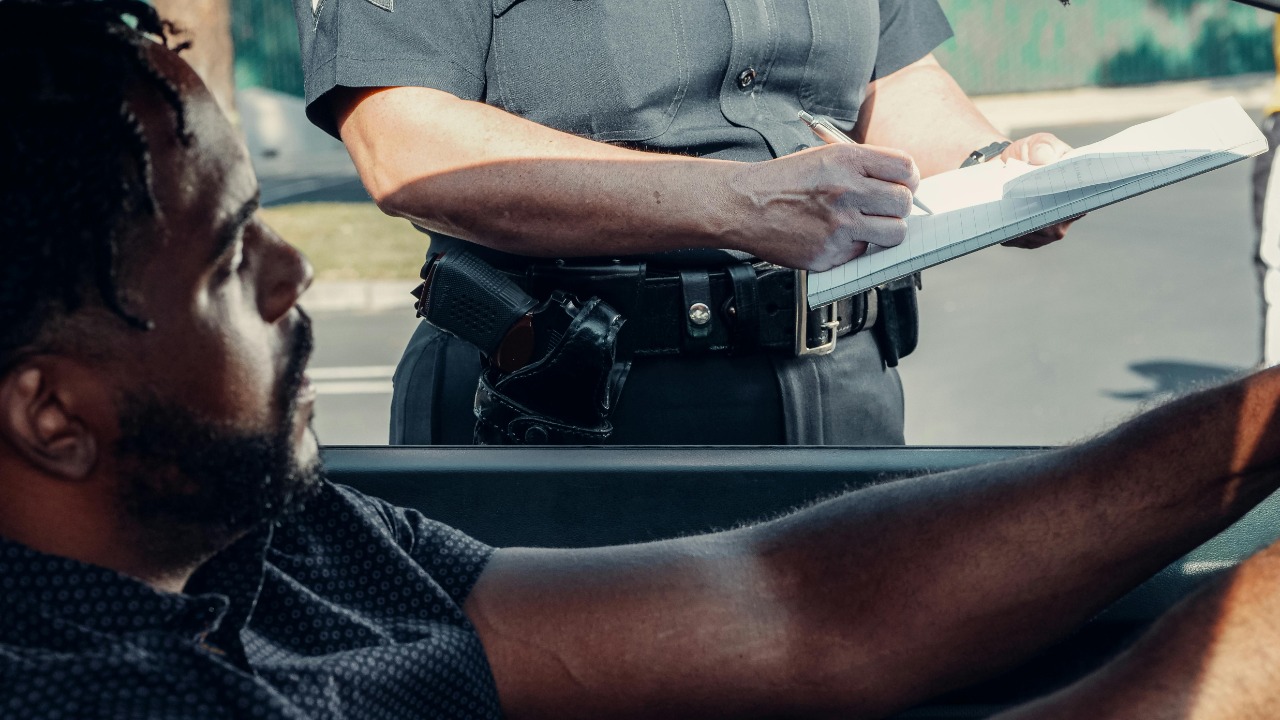
From the moment your car slows, the officer is scanning your mirrors, your hands, and your body language. Guidance on high risk encounters urges officers to Request backup quickly if you ignore commands or start acting non compliant. Even if you have no intention of resisting, fumbling with your phone, digging in the glove box before they reach the window, or opening your door without being asked can look like the first step toward flight or confrontation.
On the driver side, you sometimes underestimate how much your own nerves show. In one televised explanation of officer decision making, a veteran described watching how you are acting, whether you are fidgeting, whether you are nervous, and how your speech sounds. That kind of assessment, captured in a Feb interview, shapes how cautiously they approach you and how quickly they might escalate if something feels off.
The quiet power of your words
Once the window is down, your language becomes the main thing the officer has to work with. Research from ANN ARBOR on how and when finds that the first moments of conversation often predict whether a stop ends in a warning, a ticket, or a use of force. Another project from Stanford, described as a Quick Study on Listening for the Words That Predict Police Escalation, shows that an officer’s phrasing can hint at whether the encounter is heading toward handcuffing, search, or arrest.
You cannot control the officer’s script, but you can control yours. Legal guides on what not to say stress that you should Never Make Admissions is common to want to sound cooperative by blurting out “I know I was speeding” or “I only had two beers,” but those phrases can be used against you in court and may justify more intrusive steps.
When an officer asks if you know why you were stopped, or where you are coming from, you are often being invited to volunteer information you did not have to share. One legal analysis points out that if a police officer asks you where you have been, you have no obligation to answer and that it is generally not in your interest to fill in that story. In a Mar discussion, the author notes that those questions are designed to gather evidence that might be used against you rather than to help you.
Short, respectful phrases keep the encounter on track. A popular video on handling stops suggests a handful of simple lines, shared in an Oct clip, that focus on confirming your rights and signaling cooperation without volunteering extra details. You can borrow that approach by calmly providing license and registration, answering basic identification questions, and politely saying you choose not to answer others.
Body language that raises red flags
Your posture and movement can escalate things as quickly as your words. Training material for officers reminds them that “Some drivers, while not physically aggressive, can be verbally challenging,” and that managing those Managing moments helps maintain control and professionalism. From your side of the window, that means you should avoid sudden gestures, exaggerated eye rolls, or sarcastic tone that might be interpreted as defiance.
Officers are also trained to watch for signs that you might flee. Guidance on vehicle pursuits notes that Many times, when an officer is preparing to stop a vehicle, they are tipped off that the car may attempt to flee because of small cues, such as a driver repeatedly checking mirrors or a window being opened to toss contraband. Even if you are just nervous, constant fidgeting or looking around can resemble those warning signs.
Your best move is simple. As soon as you stop, turn off your music, roll down your window, keep both hands visible on the wheel, and wait for instructions. If you need to reach for your wallet or the glove box, say what you are doing before you move. That clear, predictable sequence tells the officer that you are not trying to hide anything.
More from Fast Lane Only