The path of technological innovation is notoriously unpredictable, littered with projects that looked perfect on paper but failed in reality. However, the true wildcards of industrial history are the long-shot engineering gambles—decisions so risky they threatened to bankrupted their creators, only to pivot at the final second and permanently redefine the global market.
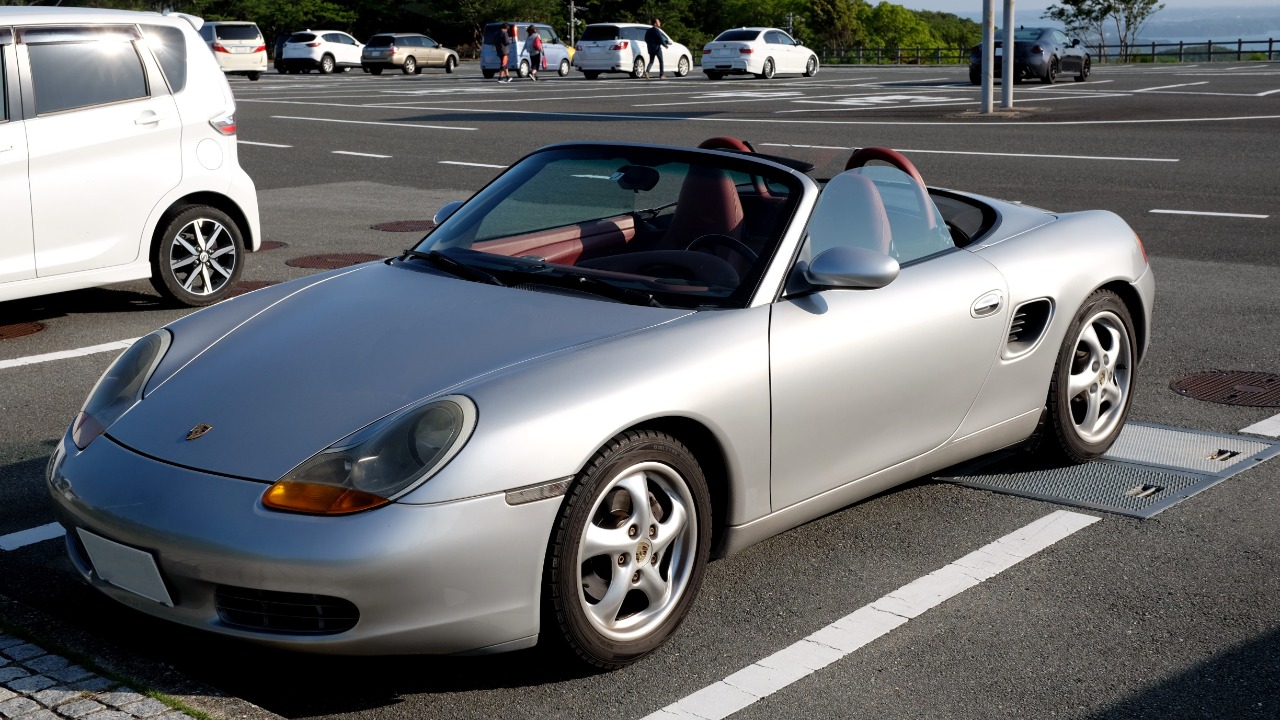
The Premium Sharing Gamble: The 1990s Porsche Boxster Project
In the early 1990s, Porsche was facing a fatal financial crisis. Sales were plummeting globally, production costs were unsustainable, and the legendary independent German automaker was mere months away from a hostile corporate takeover. To survive, executives and engineers took a staggering engineering gamble: they decided to design a brand-new, entry-level mid-engine roadster called the Boxster (986), while simultaneously developing the next-generation 911 (996).
The massive gamble lay in an unprecedented cost-saving engineering philosophy: the cars had to share identical front-end architectures. From the front bumper, headlights, and front fenders down to the suspension components and structural packaging, the affordable Boxster and the premium 911 were identical under the skin. Purists were initially horrified by the parts-sharing strategy, but the financial gamble paid off miraculously. It slashed Porsche’s manufacturing overhead by over 30%, single-handedly saved the company from bankruptcy, and generated the massive cash flow that allowed Porsche to evolve into the automotive powerhouse it is today.
Aerodynamic Disruption: The 1986 Ford Taurus
Another monumental engineering gamble occurred in the mid-1980s when Ford Motor Company was bleeding billions of dollars. Risking their remaining $3 billion in cash reserves—effectively betting the entire company’s future—Ford engineers walked away from traditional, boxy American sedan aesthetics to develop a radically futuristic, aerodynamic vehicle: the 1986 Ford Taurus.
At the time, industry critics openly mocked the prototype’s smooth, grille-less nose and rounded silhouette, mockingly dubbing it the “jellybean” or the “flying potato.” Dealers were terrified it would flop. Yet, the aerodynamic gamble paid off brilliantly. The car’s low coefficient of drag massively boosted fuel efficiency and reduced cabin noise, entirely rewriting the design language of global cars. The Taurus became an instant sales phenomenon, moving over 200,000 units in its first year alone, securing its place as the best-selling car in America, and pulling Ford completely out of insolvency.
Lessons from High-Stakes Innovation
The legacy of these legendary turnarounds underscores a critical truth in modern industry: true engineering leadership requires a tolerance for calculated vulnerability. Whether it is Porsche standardizing high-end components to optimize assembly lines or Ford forcing aerodynamic principles onto a skeptical public, the greatest rewards belong to those willing to stake everything on a bold mechanical vision. As the modern automotive landscape pivots toward electrification and autonomous software, the companies that thrive will be those that embrace the spirit of these historic gambles, proving that daring engineering remains the ultimate catalyst for survival.
More from Fast Lane Only
- Unboxing the WWII Jeep in a Crate
- 15 rare Chevys collectors are quietly buying
- 10 underrated V8s still worth hunting down
- Police notice this before you even roll window down
*Research for this article included AI assistance, with all final content reviewed by human editors.