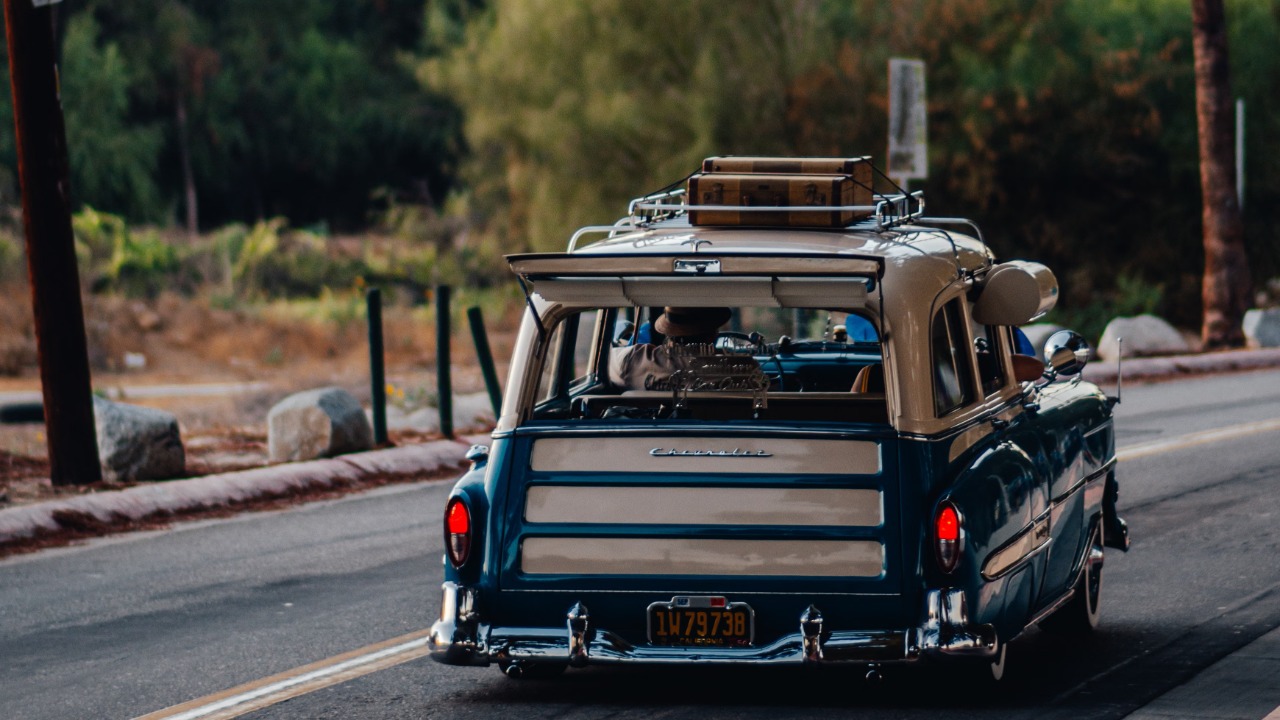
Station wagons once dominated American driveways, serving as the quintessential family vehicle throughout the mid-20th century. With their spacious interiors and versatile design, these cars became symbols of suburban life and family road trips, making them a staple in American culture.
The Rise of the Station Wagon in American Culture
The post-World War II boom marked a significant turning point in American automotive history. With the economic prosperity that followed the war, car ownership skyrocketed, and families sought vehicles that could accommodate their evolving needs. The station wagon emerged as a popular choice, appealing to the growing number of suburban households that valued both space and function. The demand for family-friendly vehicles was clear, and manufacturers responded by ramping up production of station wagons, which quickly became a symbol of the American dream.
Station wagons offered unparalleled versatility and practicality. Unlike sedans, these vehicles provided ample cargo space, making them ideal for family outings, grocery runs, and vacations. Whether it was packing up for a weekend getaway or loading up for a trip to the beach, the station wagon allowed families to travel comfortably with all their belongings. This practicality did not go unnoticed by car manufacturers, who marketed these vehicles as the ultimate family transport, emphasizing their spaciousness and ability to adapt to various lifestyles.
Design and Features that Captivated Families
The spacious interiors of station wagons played a significant role in their appeal. Many models featured three rows of seating and generous trunk space, accommodating larger families and all their gear. Cars like the Ford Country Squire, which debuted in the 1950s, became iconic for their ability to transport families and friends in comfort. With the option to seat up to nine passengers, it was not uncommon for families to make memories in these vehicles, whether it was heading to a picnic or embarking on a cross-country road trip.
In addition to their spaciousness, station wagons were often equipped with innovative features that enhanced their practicality. Many models introduced fold-down seats, allowing for a customizable interior space that could adapt to a family’s needs. Roof racks became a staple feature, enabling families to carry even more luggage or sports equipment, and the introduction of tailgates made loading and unloading a breeze. These thoughtful design elements contributed to the station wagon’s status as a reliable family vehicle.
The Family Road Trip: A Cultural Staple
For many Americans, the family road trip became synonymous with the experience of owning a station wagon. These vehicles allowed for comfortable travel across the country, creating lasting memories for families. The open road, the wind in your hair, and the excitement of discovering new places became deeply intertwined with the experience of traveling in a station wagon. From visiting national parks to exploring small towns, these cars facilitated adventure and bonding for countless families.
Nostalgic memories associated with family road trips in station wagons remain vivid for many. I can recall fond moments spent in the backseat, playing games with siblings, and listening to music as we made our way to various destinations. Such experiences were often shared with friends and family, creating a sense of camaraderie that has become a hallmark of American culture. Additionally, media played a pivotal role in solidifying the station wagon’s status as a family vehicle; movies and television shows frequently depicted families traveling in these cars, reinforcing their cultural significance. Iconic films like “National Lampoon’s Vacation” showcased the quintessential family road trip, further embedding station wagons into the fabric of American life.
The Decline of the Station Wagon
Despite their once-dominant presence, the rise of the SUV in the late 20th century marked the decline of the station wagon. As consumer preferences shifted towards larger, more rugged vehicles, SUVs began to dominate the automotive market. The increased focus on off-road capability and perceived safety features made SUVs more appealing to families, leading to a significant drop in the popularity of station wagons. According to a piece from Quartz, the versatility of SUVs, combined with their higher driving position, ultimately attracted families away from the station wagon.
Changing family dynamics also played a crucial role in the decline of station wagons. The rise of dual-income households and evolving family structures led to different transportation needs. As families became more diverse, the traditional notion of a family vehicle began to shift, and the practicality of a larger SUV often took precedence over the classic station wagon. Furthermore, increasing concerns about safety, combined with the perception of station wagons as outdated, contributed to their decline in popularity.
Legacy and Resurgence in Modern Times
Despite their decline, the legacy of station wagons endures. The nostalgia factor associated with these vehicles has sparked renewed interest among car enthusiasts and collectors. Events dedicated to classic cars often feature restored station wagons from the 1960s and 1970s, showcasing their timeless appeal. Many people fondly remember their family’s station wagon, and this emotional connection has led to a resurgence in appreciation for these vehicles.
Modern car manufacturers have also recognized this nostalgia and are reintroducing station wagon styles with contemporary features and designs. For instance, models like the Subaru Outback and the Volvo V90 have successfully blended the classic station wagon’s utility with modern safety and technology features, appealing to a new generation of drivers. These modern variants offer the practicality that families desire while incorporating updated aesthetics and performance capabilities.
Moreover, station wagons continue to be referenced in media, reminding us of their lasting impact on American culture. From social media posts to movies, the imagery of families traveling in these vehicles evokes a sense of Americana that resonates with many. The nostalgic allure of the station wagon persists, reminding us of simpler times and the joy of family adventures on the open road. As I reflect on the era when station wagons ruled American driveways, I can’t help but appreciate the role they played in shaping family life and the sense of community that came with them.
More from Fast Lane Only
- Unboxing the WWII Jeep in a Crate
- 15 rare Chevys collectors are quietly buying
- 10 underrated V8s still worth hunting down
- Police notice this before you even roll window down
*Research for this article included AI assistance, with all final content reviewed by human editors.