The automotive industry has seen a myriad of transmission technologies, but one unusual design nearly became the standard. This exploration delves into the history, mechanics, and implications of this transmission type, examining why it almost dominated the market.
History of Automotive Transmissions
Transmissions are a crucial component of automotive engineering, enabling the transfer of power from the engine to the wheels. Traditionally, there have been two primary types of transmissions: manual and automatic. Manual transmissions, which require drivers to engage the gears manually, have long been favored for their control and direct connection to the vehicle’s powertrain. On the other hand, automatic transmissions offer ease of use, allowing drivers to focus more on the road than on shifting gears. Over the decades, key developments in these technologies have paved the way for innovations that would challenge the status quo.
As the demand for fuel efficiency and performance increased, engineers began exploring unconventional transmission systems. Continuously Variable Transmissions (CVTs) emerged in the 1950s but gained traction in the 1980s and 1990s, particularly in models like the 1998 Audi A4. Dual-clutch transmissions (DCTs), popularized by brands like Volkswagen and Porsche, also began to make waves in the early 2000s. The automotive landscape was ripe for change, as these new systems promised superior performance, efficiency, and a different driving experience altogether.
The Unusual Transmission Design
Among the unconventional designs that nearly took the automotive world by storm, the Continuously Variable Transmission (CVT) stands out. Unlike traditional automatic transmissions that use a fixed number of gears, a CVT employs a system of pulleys and a flexible belt to provide an infinite range of gear ratios. This design allows the engine to operate at its most efficient RPM, enhancing fuel economy and providing a smoother driving experience.
Manufacturers and engineers touted several advantages of CVTs, including improved fuel efficiency and a seamless acceleration experience. For instance, the Nissan Altima, which adopted CVT technology in the mid-2000s, showcased remarkable fuel economy figures compared to its conventional counterparts. This technology was particularly appealing during a time when rising fuel prices were a significant concern for consumers and manufacturers alike.
Market Response and Adoption
The early adoption of CVTs was met with mixed reactions from consumers and industry experts. Notably, the Honda Accord and the Subaru Outback incorporated CVTs in their models, attracting attention for their innovative approach. However, consumer perception of the technology varied. Many drivers enjoyed the smoothness of the CVT, while others found the lack of distinct gear shifts unsettling, leading to a sense of disconnect with the driving experience.
Sales data from the mid-2000s revealed a gradual increase in market share for vehicles equipped with CVTs. For example, Nissan reported a significant uptick in the popularity of the Altima, with sales soaring amid a growing consumer preference for fuel-efficient vehicles. Nevertheless, despite its initial success, the CVT faced challenges in gaining widespread acceptance, as traditional automatic and manual transmissions remained ingrained in the automotive culture.
Challenges and Setbacks
Despite the promise of CVTs, several technical challenges emerged during their development and early implementation. One of the most significant issues was durability; early models often struggled with wear and tear due to the unique mechanics of the transmission. Manufacturers had to invest heavily in research and development to improve the longevity of CVTs and address concerns from consumers regarding reliability.
Regulatory hurdles also played a role in limiting the adoption of CVTs. As safety standards evolved, manufacturers faced pressure to ensure that their innovative designs met stringent regulations. Additionally, competitors quickly responded with their own advancements in transmission technology, such as the dual-clutch transmission, which offered similar efficiency benefits while still delivering a more traditional driving feel. This competitive landscape further complicated the path to widespread acceptance for CVTs.
Legacy and Current Status
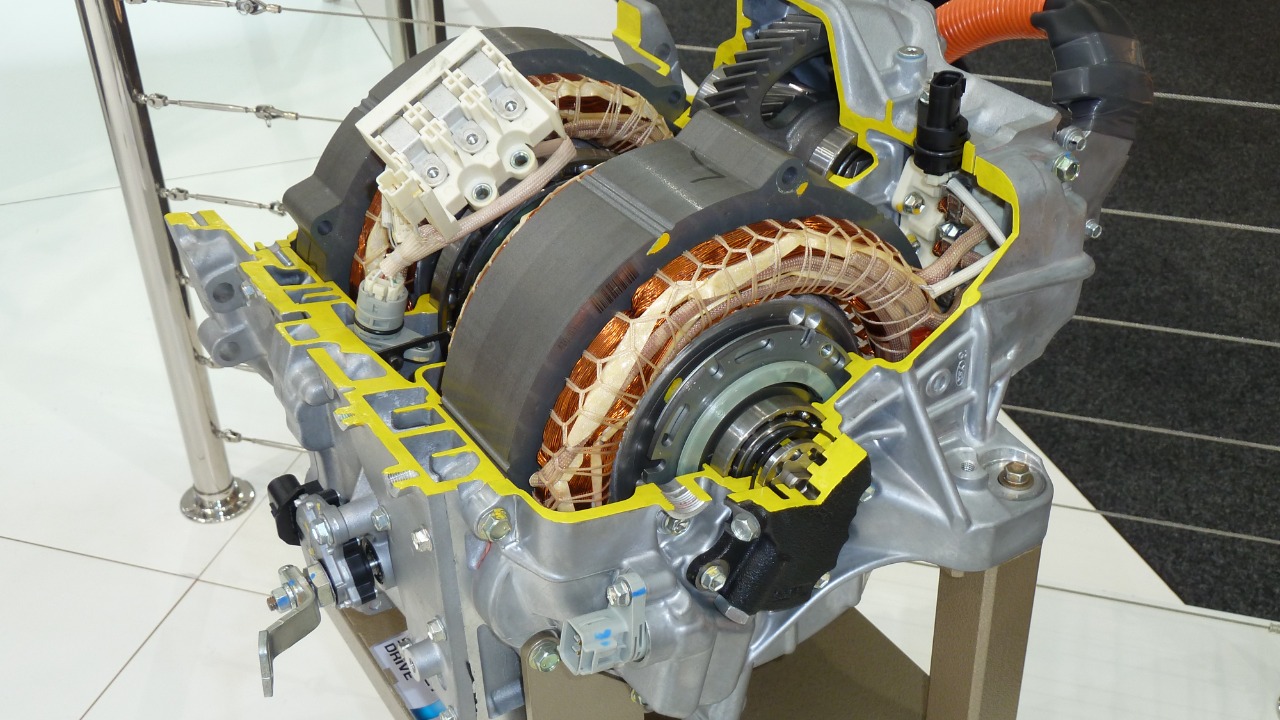
While the CVT did not become the industry standard as initially anticipated, its influence on current transmission designs is undeniable. Many modern vehicles, including several hybrids, incorporate elements of CVT technology to enhance fuel efficiency and performance. For example, the Toyota Prius utilizes a version of CVT technology known as the eCVT, which optimizes power delivery for hybrid systems.
Furthermore, the ongoing evolution of transmission technology reflects a broader trend toward efficiency and performance. As automakers continue to invest in research and development, we see an increasing number of vehicles adopting hybrid and electric powertrains, which often utilize advanced transmission systems inspired by CVTs. This shift highlights how the automotive industry is evolving, taking lessons from past innovations to create vehicles that meet the demands of modern consumers.
Future Prospects
Looking ahead, the future of transmission technology appears to be a blend of old and new. Experts predict that as electric and hybrid vehicles gain traction, we may witness a resurgence of CVT-like designs tailored specifically for these powertrains. The seamless operation of a CVT aligns well with the characteristics of electric motors, which provide consistent torque across a broad range of speeds.
Insights from automotive experts suggest that consumers may benefit from this evolution, as the blend of CVT technology with electric drivetrains could lead to even greater efficiency and performance. As automakers continue to innovate, the lessons learned from the CVT era will undoubtedly shape the next generation of transmission systems, making them more reliable, efficient, and aligned with consumer preferences.
More from Fast Lane Only
- Unboxing the WWII Jeep in a Crate
- 15 rare Chevys collectors are quietly buying
- 10 underrated V8s still worth hunting down
- Police notice this before you even roll window down
*Research for this article included AI assistance, with all final content reviewed by human editors.