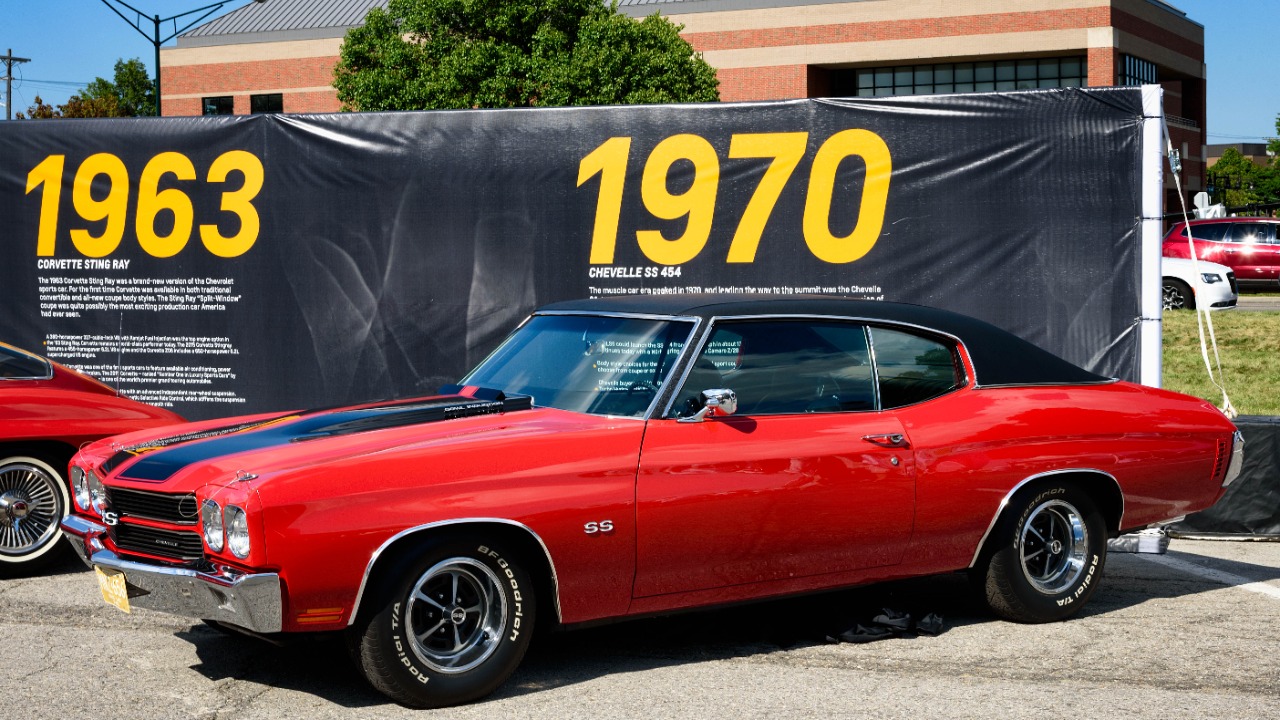
The early muscle cars of the 1960s and 1970s are often celebrated for their raw power and performance, yet many were released with understated horsepower ratings. This peculiar phenomenon not only shaped the perception of these iconic vehicles but also reflected broader cultural and industrial trends of the time.
Historical Context of Muscle Cars
The emergence of muscle cars in the 1960s can be traced back to a confluence of cultural shifts and automotive innovations. Post-World War II America experienced a booming economy, which brought about increased consumer spending and a growing fascination with speed and performance. Young drivers sought affordable yet powerful cars, leading manufacturers to capitalize on this demand. The introduction of the Pontiac GTO in 1964 is often regarded as the catalyst for the muscle car segment, blending mid-size vehicles with high-performance engines.
As these vehicles gained popularity, competition among automakers intensified. Racing had always played a vital role in shaping automotive technology, and manufacturers began to promote their vehicles’ performance capabilities to appeal to racing enthusiasts. However, this competitive landscape also meant that car makers had to navigate complex regulations, which often dictated the horsepower ratings they could advertise. Racing bodies had rules in place that could limit engine modifications, and manufacturers had to be cautious not to misrepresent their vehicles in a way that could lead to disqualification.
Public perception also contributed to the way these cars were marketed. Manufacturers aimed to attract a broader audience, not just performance enthusiasts. As a result, the marketing strategies often downplayed the raw power of these cars, presenting them as practical options for everyday consumers. This approach helped to cushion the blow of potential consumer safety concerns, especially as the U.S. began to experience a rise in fatal accidents attributed to high-performance vehicles.
Manufacturers’ Strategies
One of the significant factors influencing the horsepower ratings of early muscle cars was insurance and liability concerns. During this era, insurance companies closely monitored the horsepower of vehicles when determining rates. Higher horsepower often translated to higher premiums, which could deter potential buyers. To make their vehicles more appealing to the average consumer, manufacturers would strategically understate the horsepower ratings of their cars. This practice allowed them to position their products as more accessible and affordable, even if the reality was that many of these cars were capable of much more power than advertised.
Additionally, marketing tactics played a crucial role in shaping consumer perceptions. By employing understated power ratings, manufacturers could create an image of their vehicles that was both powerful and manageable. Cars like the Ford Mustang were marketed as sporty yet practical options for young families, helping to broaden their appeal beyond just speed enthusiasts.
Moreover, reputation management was critical during a time when public safety concerns were becoming increasingly prominent. Manufacturers wanted to avoid the stigma of producing “overpowered” vehicles, especially as safety regulations tightened. By presenting their muscle cars as more docile and less intimidating, they could mitigate public backlash and potential regulatory scrutiny.
Technological Factors
The evolution of measurement standards also played a role in the discrepancies between actual horsepower and factory ratings. In the early days of the muscle car, horsepower was often measured using different methodologies, leading to inconsistencies across manufacturers. For instance, the SAE (Society of Automotive Engineers) revised its horsepower measurement standards in 1972, which caused a significant shift in how power was reported. Many vehicles from the earlier years of muscle car production, like the Chevrolet Chevelle SS, had their horsepower ratings adjusted downward when the new standards were adopted, further compounding the perception of these cars as underrated.
Tuning and performance packages also influenced the relationship between factory ratings and actual performance. Many muscle cars came equipped with optional performance upgrades that could significantly enhance their capabilities. For example, while the base version of the Pontiac GTO might have been rated at a modest 335 horsepower, enthusiasts often opted for the more powerful Ram Air package, pushing the output well above 400 horsepower. This disconnect between factory ratings and true performance created a culture of modification, where enthusiasts sought to unlock the hidden potential of their vehicles.
Furthermore, the variety of engine configurations contributed to varying horsepower estimates. Different models of the same car often came with multiple engine options, each with distinct performance characteristics. For instance, the Dodge Charger offered everything from a modest six-cylinder engine to the legendary 426 Hemi. The presence of such diverse powertrains meant that reported horsepower figures could vary widely, further muddying the waters regarding what was considered “standard.”
Notable Examples of Underrated Muscle Cars
Among the most notable examples of underrated muscle cars is the Pontiac GTO, often hailed as the first true muscle car. Despite its legendary status, the GTO was initially rated at only 325 horsepower for the 1964 model year, a figure that many enthusiasts argue was significantly lower than its actual output. As the GTO evolved over the years, even higher-performance versions would still be described in understated terms, contributing to its mystique and desirability among collectors.
The Ford Mustang is another classic example where factory ratings did not do justice to its performance. For instance, the 1969 Mustang Mach 1 with the 428 Cobra Jet engine was rated at 335 horsepower, but many tests showed it produced closer to 400 horsepower. This underreporting helped maintain a more approachable image for the Mustang, allowing it to capture the hearts of both performance enthusiasts and everyday drivers alike.
Similarly, the Chevrolet Chevelle SS, particularly in its 1970 iteration, was rated at 360 horsepower with the big-block 454 engine. However, independent tests often revealed that the car was capable of producing significantly more power, which reinforced its reputation as a sleeper muscle car. This disconnect between factory ratings and actual performance has only added to the allure of these vehicles in the eyes of collectors and enthusiasts.
The Legacy of Underrated Ratings
The legacy of these underrated muscle cars continues to have a profound impact on the collector’s market today. Many enthusiasts actively seek out vehicles with factory ratings that do not reflect their true performance capabilities. This has led to a thriving market for classic muscle cars, where the mystique surrounding these undervalued powerhouses drives demand and prices. Cars like the GTO and Mustang have become icons not only for their performance but also for their intriguing histories of underestimation.
Performance upgrades have also become a common trend among muscle car enthusiasts. The culture of modifying these vehicles to unleash their true potential has become a rite of passage for many car lovers. Tuning shops and aftermarket parts suppliers have flourished, catering to enthusiasts looking to extract every last bit of horsepower from their machines. This trend has further cemented the idea that many early muscle cars were truly underrated from the factory.
Moreover, the influence of these early muscle cars has extended into modern automotive design and marketing. Today’s muscle cars, such as the Dodge Charger and Ford Mustang, often pay homage to their predecessors while also embracing the lessons learned regarding horsepower ratings. Manufacturers are now more transparent about performance figures, yet they still draw inspiration from the understated charm of classic muscle cars, blending nostalgia with modern engineering.
The Dual Legacy
Embracing the underrated nature of early muscle cars reveals a unique charm that resonates with enthusiasts across generations. These vehicles symbolize a time when raw power and performance were paramount, yet they were often cloaked in a veil of modesty. This duality has contributed to their enduring appeal, as collectors and enthusiasts appreciate both the performance potential and the history behind these ratings.
As automotive culture continues to evolve, so too does the perception of power and performance. Today, safety and efficiency often take precedence, yet the spirit of the early muscle car lives on in the hearts of car lovers around the world. The legacy of these underrated vehicles reminds us that sometimes, true greatness lies beneath the surface, waiting to be discovered and celebrated.
More from Fast Lane Only
- Unboxing the WWII Jeep in a Crate
- 15 rare Chevys collectors are quietly buying
- 10 underrated V8s still worth hunting down
- Police notice this before you even roll window down
*Research for this article included AI assistance, with all final content reviewed by human editors.