American car culture tends to celebrate the same 1950s icons, yet a quieter group of models from that decade still hides in plain sight. These are the cars that shaped everyday life more than they dominated magazine covers, and they now sit at a sweet spot of historical importance and relative affordability. When I look at the market, the most overlooked 1950s machines are often the ones that carried families, not trophies, and they are finally starting to earn overdue respect among enthusiasts.
Why 1950s “ordinary” cars slipped through the cracks
The popular memory of 1950s motoring is dominated by tailfins, two-door hardtops, and halo convertibles, which leaves a lot of real history out of frame. In reality, the decade’s roads were filled with practical sedans and understated coupes that did the daily work of commuting, school runs, and cross country trips. Those cars rarely headlined showroom ads, so they were less likely to be preserved, and many were driven into the ground or traded in long before anyone thought of them as collectible. That is a big reason why some of the most representative vehicles of the era are now the least discussed at shows and auctions.
Collector culture later reinforced that blind spot by rewarding low-production performance models and flashy two-doors, while four-door family cars and base trims were treated as disposable. Reporting on underrated classics notes that overlooked four-door examples from General Motors, including Chevrolet sedans, often sat in the shadow of their coupe and convertible counterparts even when they shared the same chassis and drivetrains. Those full-size family cars, described as hailing mainly from the 1950s through the 1970s, were built in large numbers, which made them feel common at the time but surprisingly scarce in clean condition today. That combination of historical relevance and relative neglect is exactly what makes them such compelling targets for enthusiasts who want something different from the usual mid century showpiece.
Chevrolet’s forgotten four-doors and workhorse trims
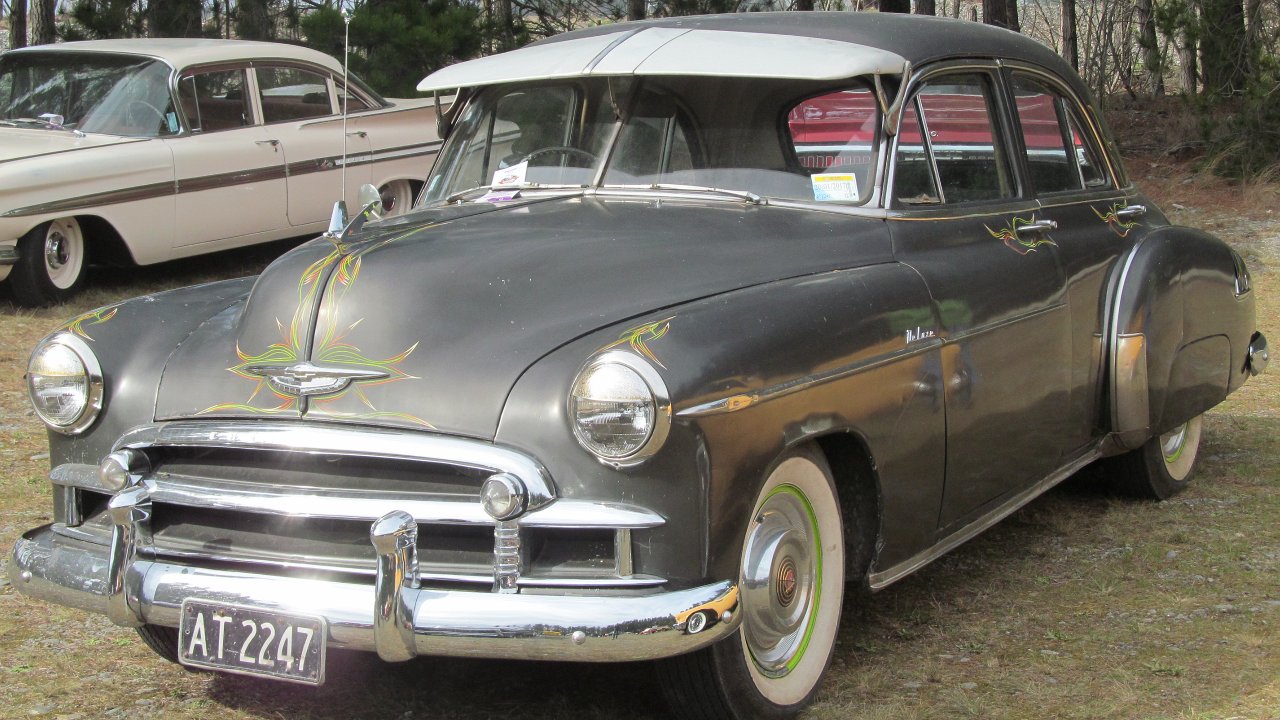
Within Chevrolet’s 1950s lineup, the spotlight usually falls on glamorous two-door Bel Airs and Tri-Five convertibles, yet the backbone of the brand’s success was its four-door sedans. These cars carried the same basic engineering as their better known siblings, from robust small block V8s to durable frames, but they were sold as practical transportation rather than status symbols. That positioning meant they were used hard by families, fleets, and businesses, then discarded when newer models arrived. As a result, surviving examples in solid condition are far rarer than production numbers suggest, even though they represent the way most Americans actually experienced Chevrolet in that era.
Analysis of underrated classics points out that GM’s overlooked four-door models, including Chevrolet sedans, have long been undervalued relative to their two-door equivalents despite sharing major components and driving character. The reporting describes these cars as part of a broader group of full-size American vehicles, hailing from the 1950s onward, that quietly defined everyday motoring. That context matters for enthusiasts, because it means a well preserved 1950s Chevrolet four-door can deliver authentic period styling and mechanicals at a fraction of the cost of a headline-grabbing coupe. For someone willing to embrace the extra doors and a more understated image, these sedans offer an accessible path into 1950s ownership without sacrificing the feel of the era.
GM’s full-size family cars and the roots of the American cruiser
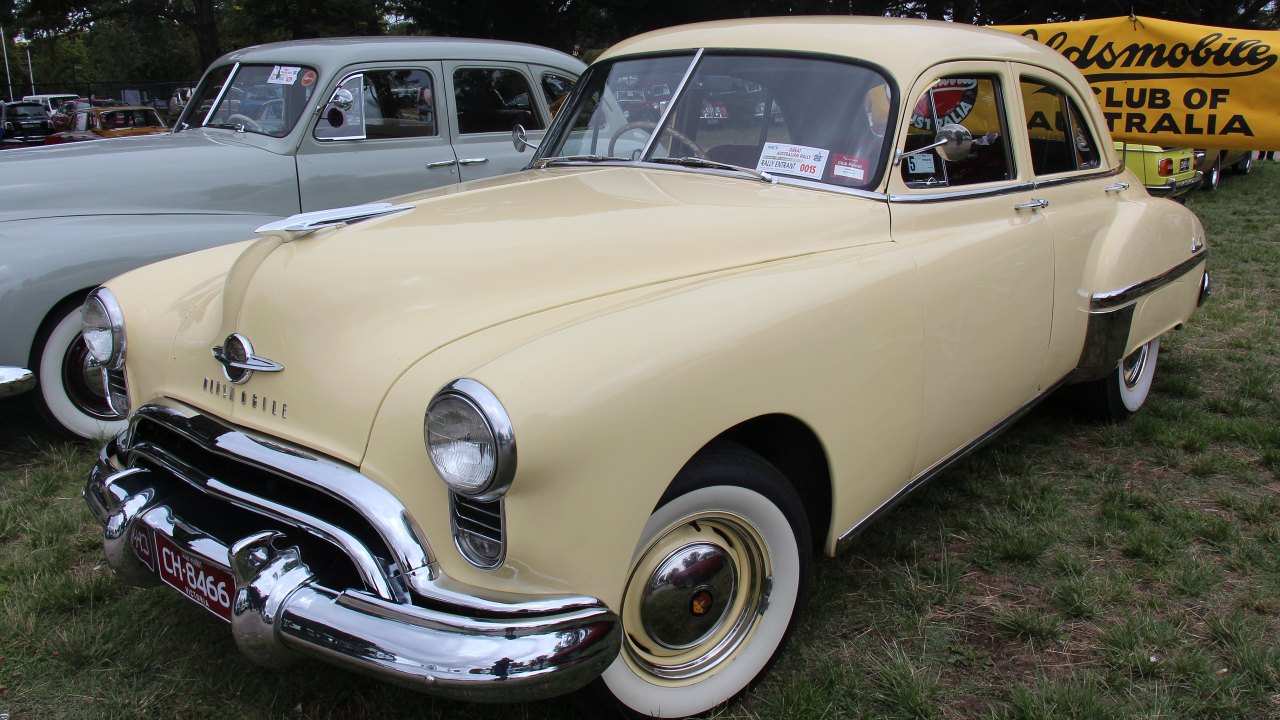
Beyond Chevrolet, the wider General Motors portfolio of the 1950s set the template for what many people now think of as the classic American cruiser. Buick, Oldsmobile, and Pontiac all produced substantial full-size sedans that prioritized comfort, space, and smooth power delivery over outright speed. These cars were engineered to soak up long distances on expanding highways, with soft suspensions and roomy interiors that made them ideal family transport. Yet because they were marketed as sensible choices rather than aspirational toys, they rarely attracted the kind of preservation that keeps values high decades later.
Reporting on underrated GM models highlights that many of these full-size family cars, especially four-door sedans, have been overlooked in favor of later muscle machines and high profile convertibles built from 1967 to 1975. The same analysis notes that the lineage of those later open top cruisers can be traced back to the big, comfortable sedans of the 1950s that established the formula of relaxed, full-size American motoring. When I look at the current market, that heritage is not fully reflected in prices, which still tend to favor more aggressive or glamorous body styles. For enthusiasts who value comfort and period-correct driving manners, a 1950s GM sedan offers a direct connection to the origins of the American road trip culture that later convertibles only amplified.
How overlooked 1950s cars fit into today’s collector market
The modern collector landscape is slowly catching up to the appeal of these underappreciated 1950s models, but they remain relatively attainable compared with the decade’s headline cars. Rising values for iconic coupes and convertibles have pushed many buyers to look for alternatives that still deliver authentic mid century style, and four-door sedans or less flashy trims are a logical next step. Because these cars were built in large numbers and share parts with more famous siblings, they can often be maintained and restored without the scarcity issues that plague low volume performance models. That practicality, combined with their historical significance, makes them attractive to enthusiasts who want to drive rather than simply display their cars.
Insights from coverage of underrated classics suggest that the market is beginning to recognize the value of full-size American cars that once seemed too ordinary to save, including Chevrolet and other GM sedans that hail from the 1950s. The same reporting underscores that these vehicles share much of their mechanical DNA with more celebrated models, which helps keep running costs manageable and parts availability reasonable. From my perspective, that creates an opportunity for collectors to build distinctive 1950s garages around cars that still turn heads but do not require the budget of a concours grade convertible. As more enthusiasts experience how satisfying these “ordinary” cars can be on the road, their status is likely to shift from overlooked to essential pieces of mid century automotive history.