Chevrolet spent decades refining a front-engine, rear-drive formula for its performance cars, then upended its own rulebook with a new mid-engine platform and an aggressive mix of hybrid hardware and track-focused tech. That architecture did more than make the Corvette faster. It reset expectations for what an American performance car could look like, cost, and compete against. As the platform spawns new variants and influences other Chevy nameplates, it is quietly rewriting the hierarchy that once separated blue-collar muscle from exotic machinery.
The shift is not just about lap times. It reflects a broader recalibration inside General Motors over where performance fits in a future shaped by electrification, tightening regulations, and shifting buyer tastes. The way Chevrolet has evolved this platform, and the choices it is making about engines, hybrids, and pricing, show how one architecture can change the performance-car formula from the inside out.
From front-engine tradition to a mid-engine benchmark
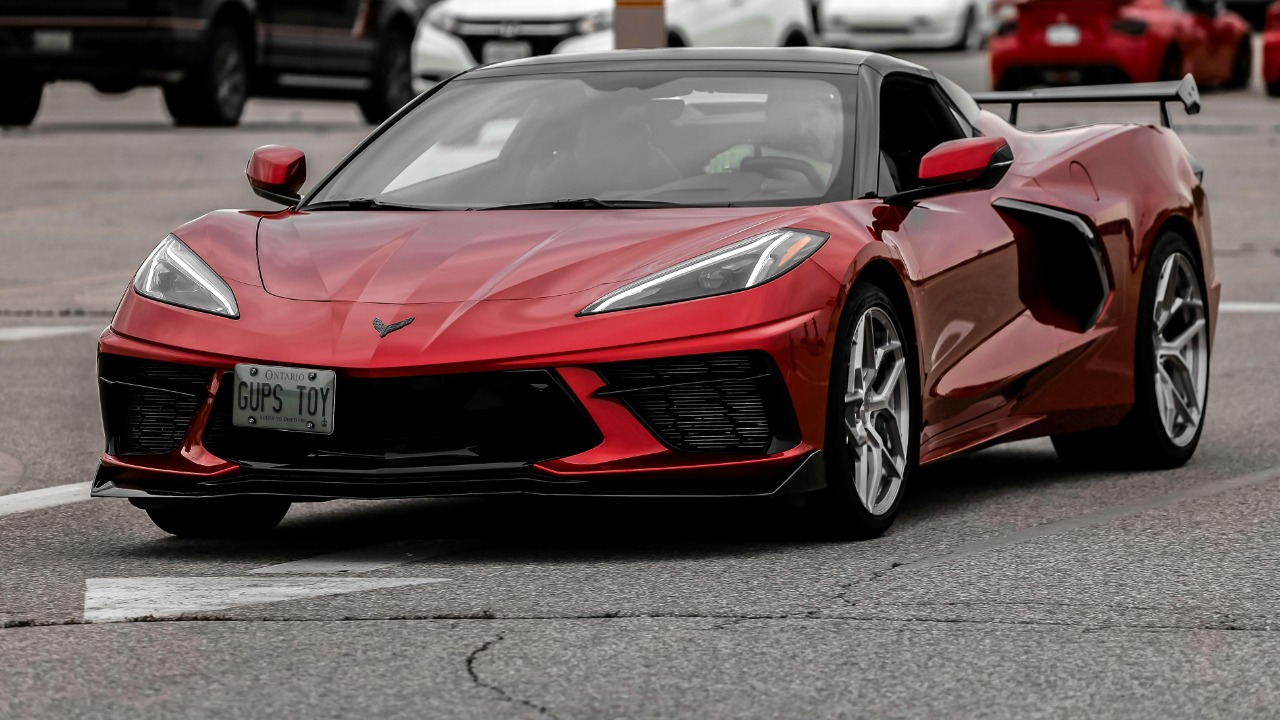
Chevrolet’s decision to move its flagship sports car to a mid-engine layout marked a clean break from the big-engine-up-front tradition that defined generations of American performance. Rather than treating the new platform as a one-off halo, Chevrolet has methodically expanded it into a family of models that share a core structure but target very different buyers.
The latest expression is the Corvette Grand Sport, which returns on this architecture with a 6.7‑liter LS6 V8 rated at 535 horsepower and 500 pound-feet of torque, paired with a sophisticated chassis package that borrows heavily from track programs. Chevrolet describes the car as a bridge between everyday usability and serious circuit capability, with the LS6 engine tuned for linear power delivery and durability under sustained high loads, and the structure engineered to accommodate both internal combustion and hybrid hardware in the same basic layout. Official material on the Grand Sport returns describes a platform conceived from the start to support multiple performance tiers without needing a clean-sheet redesign each time.
That flexibility is already visible in how Chevrolet is pricing and positioning the car. Reporting on the final C8‑generation Grand Sport notes that the variant arrives as the last evolution of the current cycle, with pricing structured to sit between the entry Corvette and the more extreme track models, yet with performance hardware that would have been reserved for limited specials a decade ago. Coverage of the final C8 variant highlights how the same core platform now supports a wide spread of configurations, from relatively attainable coupes to high-output specials, all sharing fundamental geometry, electronics, and safety structures.
Chevrolet has also used the architecture as a test bed for hybrid performance. The 2027 Corvette Grand Sport is described as combining LS6 power with a hybrid system that adds electric assistance for both acceleration and efficiency. Reporting on the 2027 Grand Sport details how the hybrid hardware is integrated within the same mid-engine platform, with battery placement and cooling engineered to preserve weight balance and track durability. That approach lets Chevrolet scale electrification up or down without abandoning the core layout that underpins the car’s handling character.
How the Corvette platform reset expectations for American performance
The significance of this platform goes beyond engineering cleverness. By moving its sports car into mid-engine territory and then pricing it aggressively, Chevrolet altered how enthusiasts and rivals think about American performance. Analysis of how Chevrolet rewrote the sports car script points out that the Corvette now competes on layout and capability with mid-engine European exotics while remaining accessible enough to cross-shop with traditional front-engine muscle and premium German coupes.
That shift has consequences across the showroom. The Corvette’s architecture has become a halo that influences expectations for other Chevrolet performance products. Buyers who accept hybrid assistance in a mid-engine sports car are more likely to view electrified powertrains in sedans or crossovers as an upgrade rather than a compromise. At the same time, the platform’s mix of old-school displacement and new-school electronics helps Chevrolet keep one foot in the analog world that enthusiasts still crave.
The ripple effect can be seen in how General Motors is treating the Camaro nameplate. Reporting from Brazil describes a plan for the Chevrolet Camaro to be reborn as a true sports car with a V8 engine and no electric version, in what is framed as a shift that buries a previous SUV concept tied to the badge. The coverage of the Camaro will be suggests that GM is re-centering its performance brands around authentic driving dynamics rather than stretching them into crossover territory. While the Camaro’s future platform is not detailed in that reporting, the strategic logic mirrors what the Corvette has already done: prioritize a coherent performance identity over chasing broader segments at the cost of character.
Chevrolet’s approach also reframes the value conversation. Historically, American muscle cars traded on straight-line speed per dollar, while European sports cars justified higher prices with balance and sophistication. The new Corvette platform compresses that gap. A car that offers a mid-engine layout, hybrid assistance, and track-ready hardware at a price still anchored in the upper-middle of the performance market forces rivals to explain why their cars cost more while offering similar or lower outputs and less flexibility.
Why this platform strategy matters in 2026
Timing is a big part of the story. Automakers are juggling investments in electric vehicles, regulatory pressure on emissions, and a customer base that is not moving in lockstep toward full electrification. Chevrolet’s performance platform offers a hedge. It can host pure internal combustion variants for markets and buyers that still demand them, while also supporting hybrid configurations that help meet fleet targets and keep the brand on the right side of regulators.
The Corvette Grand Sport’s LS6 engine, with its 6.7‑liter displacement and 535 horsepower output, signals that Chevrolet is not ready to abandon large-displacement engines in its halo products. At the same time, the hybrid Grand Sport variant shows how the same architecture can accommodate electric assistance without a complete rethink of the body-in-white. That dual-path strategy lets Chevrolet stretch the life of the platform and amortize its development costs over a broader range of derivatives.
There is also a cultural dimension. Enthusiast circles have long debated whether hybridization dilutes the purity of performance cars. By packaging hybrid hardware inside a platform that still feels familiar in its sound, weight transfer, and steering feedback, Chevrolet is trying to normalize electrification among drivers who might otherwise resist it. If a track-capable Corvette can use electric torque to improve lap times while retaining a naturally aspirated V8 soundtrack, the argument that hybrid systems are only for efficiency starts to erode.
The platform’s influence can even be read in how other performance brands position their heritage models. Coverage of an overlooked AMC muscle car that remains relatively affordable shows how nostalgia and value continue to shape the used market. As modern platforms like the Corvette’s push performance and technology forward, they also raise the profile of classic alternatives for buyers who want a simpler, analog experience at a lower price point. Chevrolet’s strategy does not erase that market, but it does set a new benchmark that older cars are judged against.
Where Chevrolet’s performance formula goes from here
The next phase for Chevrolet’s platform is less about radical changes and more about careful evolution. With the Grand Sport established as a bridge between daily usability and track work, the architecture is well positioned to absorb incremental improvements in battery energy density, motor efficiency, and software without altering its basic proportions.
Future derivatives are likely to focus on software-defined performance, where over-the-air updates adjust damping, power delivery, and even hybrid deployment strategies based on driver preference or circuit data. The platform’s centralized electronics make that approach feasible, and the mix of combustion and electric power provides more variables to tune than a traditional setup. As long as the underlying structure remains stiff and the weight distribution stays within the sweet spot that engineers targeted, Chevrolet can keep the car feeling fresh without constantly reinventing the hardware.
More from Fast Lane Only
- Unboxing the WWII Jeep in a Crate
- 15 rare Chevys collectors are quietly buying
- 10 underrated V8s still worth hunting down
- Police notice this before you even roll window down
*Research for this article included AI assistance, with all final content reviewed by human editors