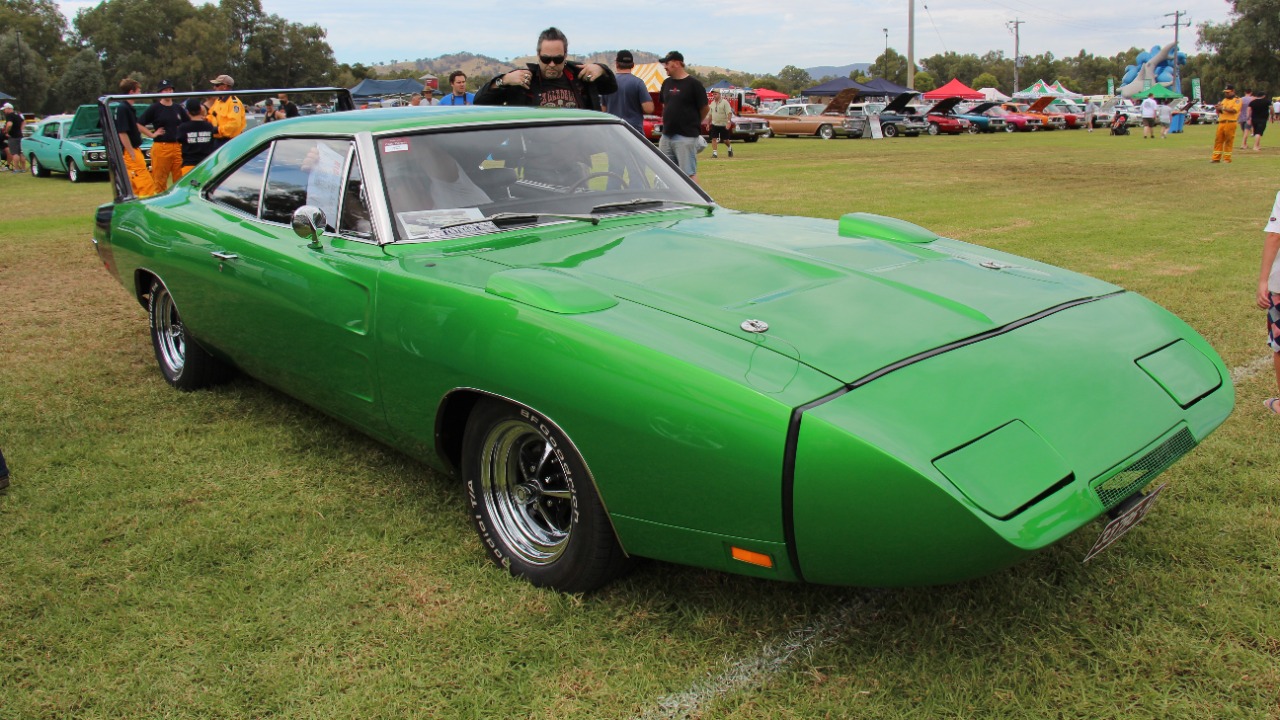
The 1969 Dodge Daytona is a legendary vehicle that represents a significant moment in automotive history, particularly in the realm of NASCAR. Its unique design, characterized by a distinctive nose cone, was a bold departure from traditional car manufacturing, driven by a need for speed and aerodynamics. The Daytona not only changed the game on the racetrack but also left an indelible mark on popular culture and automotive engineering.
The Birth of the Dodge Daytona
The automotive landscape in the late 1960s was a vibrant yet competitive space. American manufacturers were racing to innovate, especially in the world of motorsports, where each ounce of speed could mean the difference between victory and defeat. This period saw the rise of muscle cars, which combined powerful engines with stylish designs. However, as NASCAR began to evolve, the need for vehicles that could cut through the air more efficiently became apparent. The Dodge Daytona emerged from this environment of intense competition.
Key figures in the design and development of the Daytona included engineers like Carl Kiekhaefer, known for his work with Chrysler, and designer Maurice Petty. They were tasked with creating a vehicle that would not only meet the aesthetic standards of the time but also adhere to the increasingly strict regulations set forth by NASCAR. The culmination of their efforts led to a vehicle that featured groundbreaking aerodynamic elements, including the now-iconic nose cone.
Aerodynamics in Racing: The Need for Speed
During the late 1960s, the importance of aerodynamics in racing began to gain prominence. As speeds on the racetrack increased, manufacturers recognized that a car’s shape could significantly affect its performance. The Daytona was designed to be more than just a powerful machine; it was engineered to glide through the air with minimal resistance. Wind tunnel testing played a crucial role in shaping the car’s design, allowing engineers to fine-tune every curve and angle for optimal airflow.
Competitors like Ford and Chevrolet were also making strides in aerodynamic design, and the pressure to keep pace was immense. The Daytona’s unique features, such as its elongated nose and rear wing, helped it achieve a competitive edge. This attention to aerodynamics not only set the Daytona apart but also laid the groundwork for future developments in racing technology.
The Design Features of the Daytona
The most distinctive feature of the 1969 Dodge Daytona is undoubtedly its nose cone. This elongated front end was not merely for show; it served a practical purpose by reducing drag and improving stability at high speeds. The design made the Daytona one of the first cars to fully embrace aerodynamic principles, a trend that would soon become standard in the industry.
In addition to the nose cone, the Daytona boasted other notable design elements, such as a large rear wing that provided downforce, enhancing grip on the track. The body shape was carefully sculpted to minimize air resistance, allowing the car to achieve remarkable speeds. These features had a profound impact on the car’s performance, enabling it to dominate races and set records during its brief but impactful presence in NASCAR.
NASCAR Regulations and the Daytona’s Controversial Entry
NASCAR regulations have always played a significant role in shaping car designs, and the Daytona was no exception. Initially, the vehicle faced scrutiny regarding its eligibility due to its radical design. Critics argued that the Daytona’s aerodynamic features gave it an unfair advantage. However, NASCAR ultimately approved the car, leading to heated debates among fans and competitors alike.
The introduction of the Daytona sparked a mix of admiration and resentment from the racing community. Many traditionalists viewed it as a departure from the spirit of racing, while others praised Dodge for its innovative approach. This duality of perception highlighted the tension between tradition and progress in the world of motorsports, a theme that continues to resonate today.
The Daytona’s Racing Legacy
The 1969 Dodge Daytona left a significant mark on NASCAR history, with key races showcasing its capabilities. One of its most notable achievements was winning the 1970 Daytona 500, a feat that solidified its reputation as a formidable contender on the track. Drivers like Richard Petty, who piloted the Daytona, experienced firsthand the advantages of its design, often attributing their successes to the car’s superior engineering.
As the Daytona continued to race, it not only achieved impressive milestones but also contributed to shifting perceptions of what a race car could be. Its influence extended beyond individual races; it helped redefine the NASCAR landscape, pushing other manufacturers to innovate and adapt in response to its success.
The Role of Marketing and Branding
Dodge was quick to capitalize on the Daytona’s racing success through strategic marketing campaigns aimed at both the public and racing enthusiasts. The car was portrayed as a symbol of speed and power, appealing to the burgeoning muscle car market. The excitement generated by the Daytona on the racetrack translated into sales, helping to reinforce and elevate the Dodge brand during a crucial period in its history.
The cultural significance of the Daytona during the muscle car era cannot be overstated. It became emblematic of American performance vehicles, appealing to a generation that valued power and style. Its legacy continues to resonate, often referenced in discussions about classic muscle cars and their impact on automotive culture.
Challenges and Criticism Faced by the Daytona
Despite its successes, the 1969 Dodge Daytona faced numerous challenges during its racing career. Technical difficulties arose as teams sought to maximize the car’s performance, leading to a series of adjustments and refinements. These challenges were compounded by criticism from purists and traditionalists who believed that the Daytona’s design strayed too far from the roots of stock car racing.
The eventual phase-out of the Daytona marked a significant moment in automotive history. As NASCAR regulations evolved, vehicles began to prioritize safety and standardized designs. While the Daytona was no longer at the forefront, its legacy continued to influence future designs, cementing its place in automotive history.
The Daytona in Popular Culture
The 1969 Dodge Daytona has enjoyed a prominent place in popular culture, making appearances in films, television shows, and various media. Its striking design and racing pedigree have made it a favorite among collectors and enthusiasts alike. The car often symbolizes the freedom and rebellion associated with the muscle car era, further enhancing its allure.
Fan communities dedicated to the Daytona continue to thrive, organizing events and gatherings that celebrate this iconic vehicle. Whether at car shows or online forums, enthusiasts share their passion and knowledge, ensuring that the legacy of the Daytona endures for future generations. For more insights into the Daytona’s enduring appeal, consider exploring this link to a detailed history of the car here.
Reviving Interest: The Daytona Today
In recent years, there has been a resurgence of interest in classic muscle cars, and the 1969 Dodge Daytona is no exception. Collectors and automotive enthusiasts have begun to appreciate the Daytona not only for its racing legacy but also for its innovative design and engineering. Modern adaptations and replicas of the Daytona have emerged, allowing a new generation to experience the thrill of this iconic vehicle.
The ongoing legacy of the Daytona in automotive design and engineering is undeniable. Its influence can be seen in contemporary performance vehicles that prioritize aerodynamics and speed. As interest in classic cars continues to grow, the Daytona serves as a testament to the ingenuity and boldness of automotive engineers during a transformative era in racing history. To explore more about the Daytona’s impact, you can delve into this comprehensive resource here.
More from Fast Lane Only