Muscle car history is crowded with loud legends, yet some of the quickest and most capable machines slipped quietly through showrooms with little fanfare. One of those sleepers managed to outrun headline rivals in the quarter mile and on real roads, only to fade into obscurity while less capable nameplates became poster cars. Its story shows how performance alone rarely decides which machines become icons and which get filed away as trivia.
The forgotten car in question is a factory hot rod that beat better known competitors on power, grip, and real-world speed, yet never earned the same auction prices or cultural glow. Understanding how it punched above its weight, and why the market largely ignored it, reveals a lot about how enthusiasts judge value today.
What happened
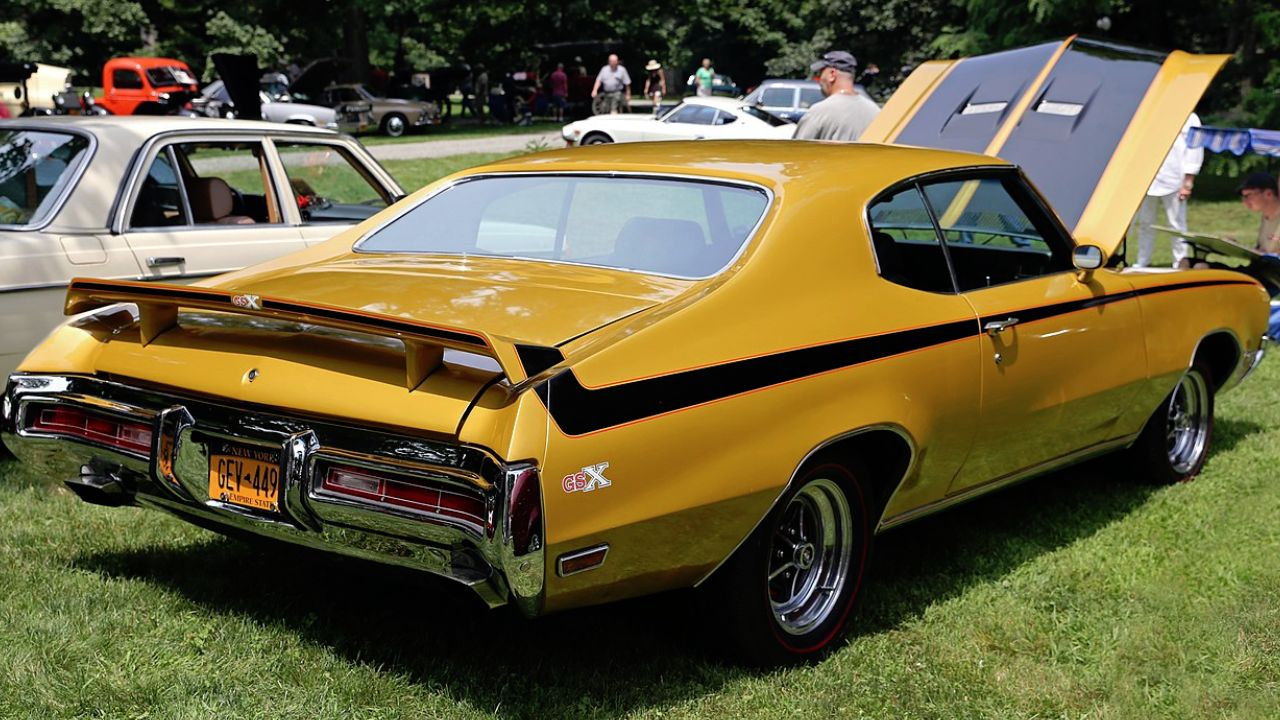
Every generation of muscle cars has a few models that deliver more performance than their reputation suggests. Among enthusiasts who track numbers as closely as they track nostalgia, one of the most frequently cited examples is the Buick GSX Stage 1 from the early 1970s. On paper, it looked like an outlier in a field dominated by Chevrolet, Dodge, and Plymouth. In practice, it was quicker than many big-name rivals that still command the spotlight.
The GSX Stage 1 used a 455 cubic inch V8 that Buick officially rated at 360 horsepower, paired with a mountain of torque that peaked at 510 pound-feet. Period tests recorded quarter-mile times that undercut some versions of the Chevrolet Chevelle SS 454 and the Pontiac GTO Judge, cars that still dominate muscle car posters and auction catalogs. Tuned for massive low-end shove rather than high-rpm theatrics, the Buick simply left harder and pulled more cleanly through real-world rev ranges.
Yet the GSX Stage 1 arrived from a brand associated more with quiet luxury than drag strips. Buick had a reputation for plush interiors and smooth rides, not street brawls. That mismatch between image and intent meant many buyers who wanted a fast car never walked into a Buick showroom. The GSX was built in small numbers, and its low production made it rare but not necessarily famous.
That pattern, a high performer from a conservative badge, mirrors what often happens in other corners of the performance world. In the sports sedan segment, for example, some of the most satisfying driver’s cars come from nameplates that lack the halo of traditional performance brands. One review of an underrated sports sedan noted that it drove better than more expensive and better advertised rivals, yet remained a niche choice because it lacked the right badge and marketing push. The GSX Stage 1 lived a similar fate decades earlier.
Within the muscle car community, the Buick’s performance credentials are not a secret. Enthusiast breakdowns of the era’s quickest Detroit machines routinely list the GSX Stage 1 among the fastest factory cars of its day. Comparisons of quarter-mile times and trap speeds show it running neck and neck with, or ahead of, more celebrated models that still dominate collector conversations. A detailed rundown of muscle cars enthusiasts places the GSX in the same breath as the most coveted Mopar and Chevrolet hardware, underscoring how strong its numbers remain even against modern expectations.
Despite that, the GSX Stage 1 never became a mainstream hero. It did not anchor a blockbuster movie franchise, it did not win a headline racing championship, and it did not spawn a long-running line of successors. Instead, it served a small group of buyers who wanted near-supercar acceleration wrapped in a more restrained package, then disappeared as insurance costs and emissions rules reshaped the market.
The result is a strange split. On paper, the GSX Stage 1 outperformed many of its biggest rivals. In memory and market value, it trails them by a wide margin. That gap between capability and recognition is what makes it feel like the classic muscle car world’s forgotten overachiever.
Why it matters
The story of the GSX Stage 1 matters because it exposes how car culture often rewards narrative over substance. Performance numbers, engineering decisions, and real-world usability help define a car’s character, but they do not guarantee legend status. Branding, timing, and the right kind of hype often matter more.
Buick’s muscle car halo arrived late in the classic era, just as regulators and insurers began squeezing high-horsepower machines. The GSX Stage 1 landed at the tail end of the golden age, which limited its runway. By contrast, rivals like the Ford Mustang and Chevrolet Camaro had already built years of cultural equity through motorsport, advertising, and sheer visibility. Those nameplates survived the downturn and kept returning in new forms, which helped keep their 1960s and early 1970s versions in the public eye.
That lag between performance and recognition echoes in modern markets far beyond cars. In the investment world, for example, some funds quietly beat their benchmarks without the fanfare that follows larger, better branded products. One analysis of an overlooked Vanguard ETF highlighted how it outperformed more popular rivals while attracting far less attention and capital. The same pattern appears in the muscle car market: the loudest names do not always deliver the best numbers, yet they attract the most money.
For collectors and enthusiasts, that disconnect creates opportunity. Because the GSX Stage 1 never achieved the same pop-culture saturation as a Hemi ’Cuda or a big-block Chevelle, it often trades at lower prices relative to its performance. Buyers willing to look past the most obvious choices can find cars that deliver equal or better acceleration and handling for less money. In that sense, the Buick’s low profile becomes a feature, not a bug.
It also challenges the way enthusiasts talk about value. When a car like the GSX Stage 1 delivers staggering torque, strong quarter-mile times, and a distinctive visual identity yet remains a secondary character in most histories, it forces a reevaluation of what “iconic” really means. Is it about the best driving experience, the best story, or simply the loudest marketing?
There is a practical lesson for automakers too. The Buick example shows that dropping a huge engine into a conservative platform is not enough to change brand perception. Without a sustained performance narrative, motorsport success, or a long-running nameplate, even a standout model can fade. Manufacturers that want their modern performance cars to age into classics need more than numbers; they need continuity and cultural hooks that keep the story alive once the showroom lights move on.
For current owners and restorers, the GSX Stage 1’s under-the-radar status can be both blessing and curse. Parts support and specialist knowledge often follow popularity, so owning a car that sits outside the main spotlight can complicate long-term maintenance. On the other hand, the smaller but dedicated community around such cars tends to be tight-knit, with enthusiasts eager to share technical data, build sheets, and period documentation that help preserve the cars correctly.
The Buick’s tale also highlights how quickly historical narratives can shift. As more enthusiasts look beyond the usual suspects, the definition of a desirable classic is broadening. Younger collectors, less tied to brand loyalties of the 1960s, often focus more on performance-per-dollar and uniqueness. That shift has already lifted values of previously overlooked models, and it could further elevate cars like the GSX Stage 1 that have strong fundamentals but modest name recognition.
Finally, the forgotten status of a car that clearly outperformed many rivals acts as a reminder that enthusiasts should question their own assumptions. The fact that a model did not star in period advertising or dominate auction headlines does not mean it was second-rate. Sometimes, the best driving experiences hide in plain sight under badges that were never supposed to be cool.
What to watch next
Looking ahead, the GSX Stage 1 and similar underappreciated muscle cars sit at an interesting crossroads. Several forces are converging that could reshape how they are valued, both financially and culturally.
First, the collector car market is aging. Many of the buyers who drove the first big run-up in muscle car prices grew up with these cars when they were new. As that generation gradually leaves the market, younger enthusiasts with different reference points will shape demand. They may be less swayed by period advertising and more interested in raw numbers, rarity, and driving dynamics. That mindset favors cars like the GSX Stage 1, which deliver serious speed without the baggage of overexposure.
Second, the shift toward electrification is changing how performance is perceived. Modern electric cars can match or beat classic quarter-mile times with little drama, which pushes enthusiasts to look for character and story rather than just straight-line speed. A high-torque, big-block Buick that shocked its contemporaries might gain new appreciation as a symbol of a very different performance era, one defined by mechanical excess rather than software-managed thrust.
Third, information is more accessible than ever. Period test data, factory documents, and enthusiast research that once circulated only in small clubs now live online. That transparency makes it easier for buyers to see that a GSX Stage 1 stacked up well against the most famous muscle cars of its time. As more shoppers use that data to guide purchases, pricing gaps based on perception rather than performance could start to narrow.
There are a few specific trends worth watching.
- Auction results for overlooked models. If the gap between GSX Stage 1 prices and those of comparable Chevelle SS or GTO models begins to shrink, it will signal that buyers are re-rating the Buick’s significance. A steady rise in well documented examples would suggest that the car’s sleeper status is finally eroding.
- Restomod and pro-touring builds. Builders who want a distinctive starting point often choose platforms that are rare but not yet priced out of reach. Increased use of GSX-style Buicks in modernized builds, with updated suspensions and drivetrains, would show that the car’s core package resonates with a new generation of drivers.
- Media and cultural exposure. Appearances in streaming series, video games, and social media channels can rapidly change a car’s profile. A single standout feature of a GSX Stage 1 in a popular game or show could do more to elevate its status than years of low-key admiration in enthusiast circles.
For enthusiasts considering a purchase, the lesson is to look beyond the usual suspects and treat the muscle car market more like a data problem than a nostalgia contest. Quarter-mile charts, torque curves, and production numbers tell a story that does not always match the current price hierarchy. The GSX Stage 1 stands as a case study in how a car can quietly outgun its rivals while remaining a relative bargain.
For automakers, the Buick example carries a subtler warning. Building a single standout performance model without a long-term plan for the badge risks creating a future cult classic rather than a sustained icon. As brands launch modern muscle cars and high-performance EVs, their choices about continuity, motorsport involvement, and storytelling will determine whether those vehicles become the next Mustang or the next forgotten overachiever.
More from Fast Lane Only