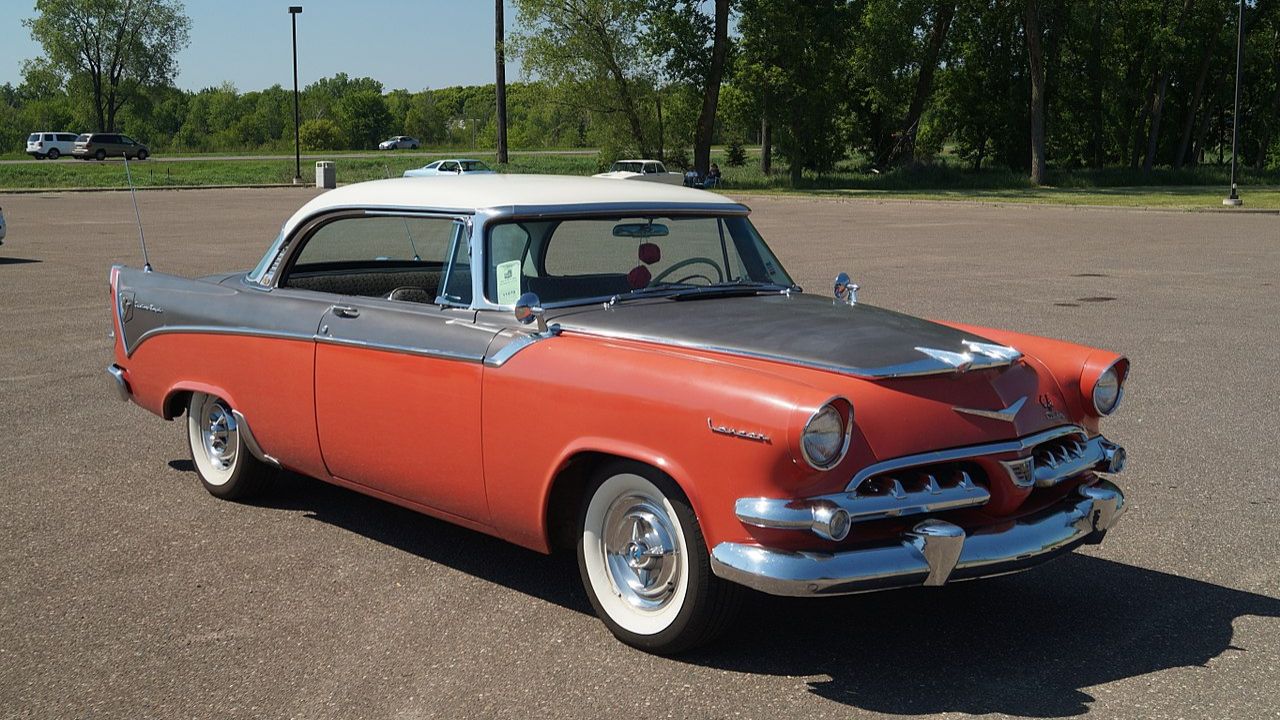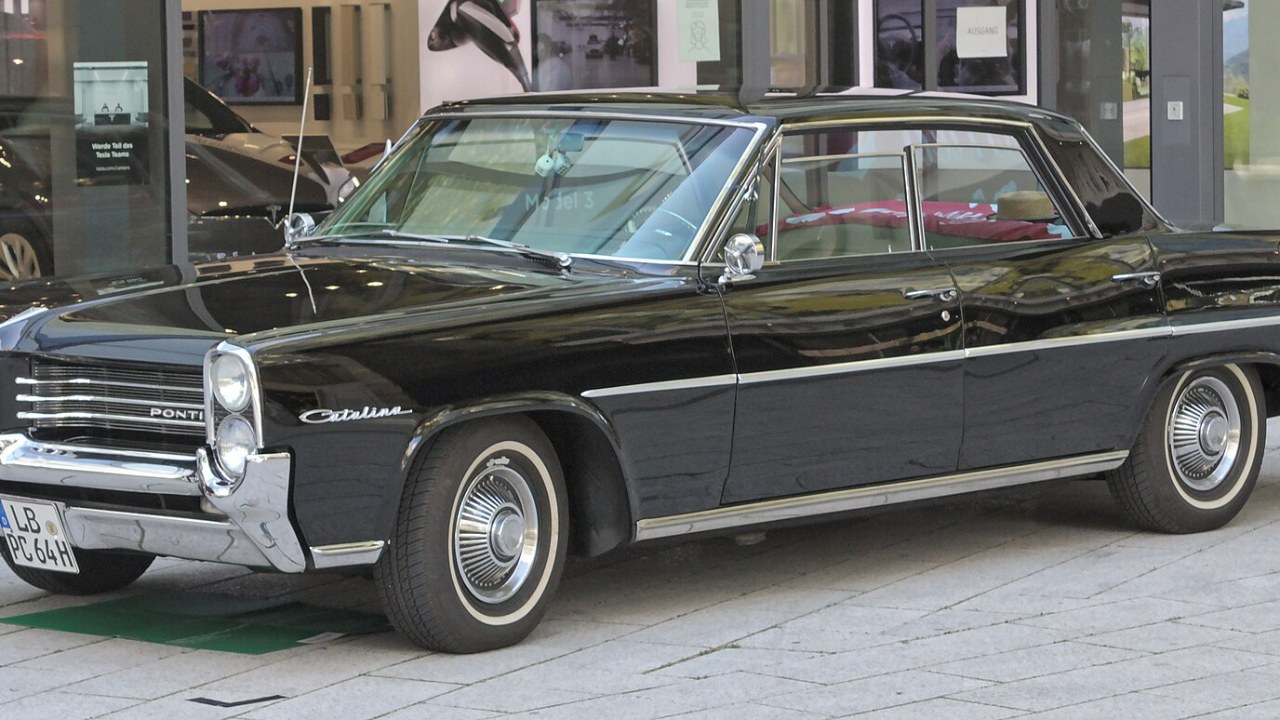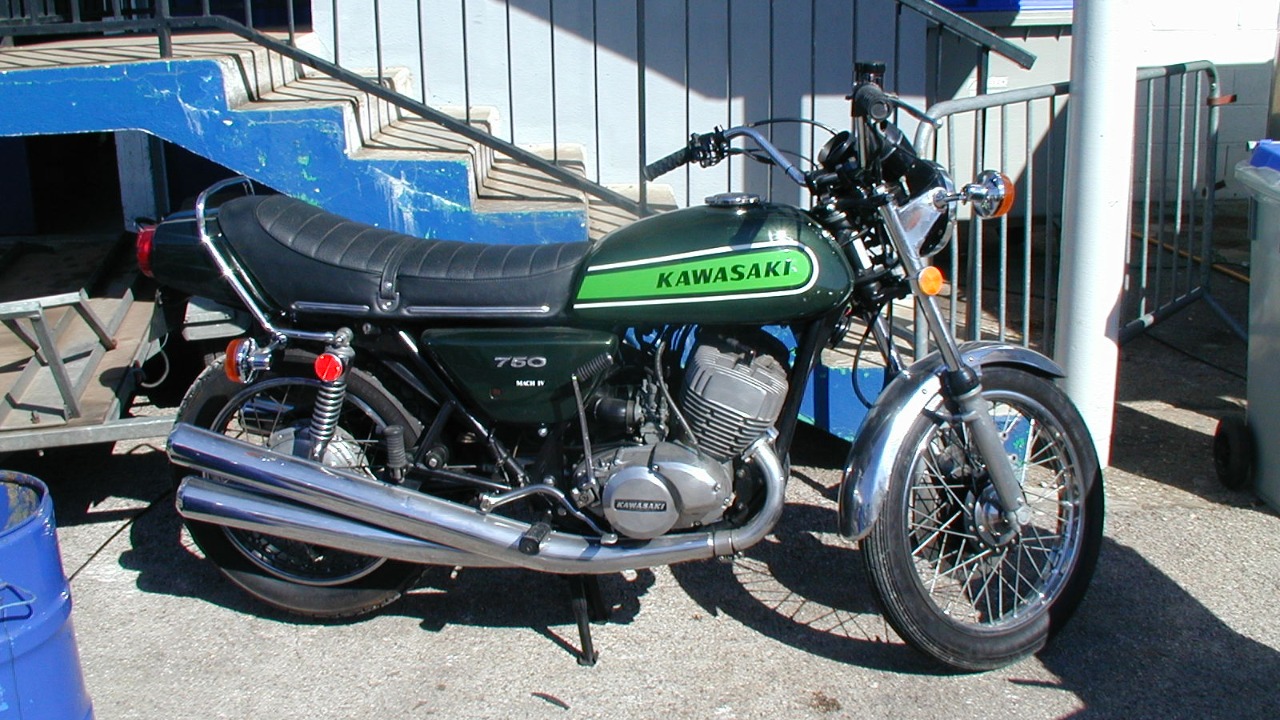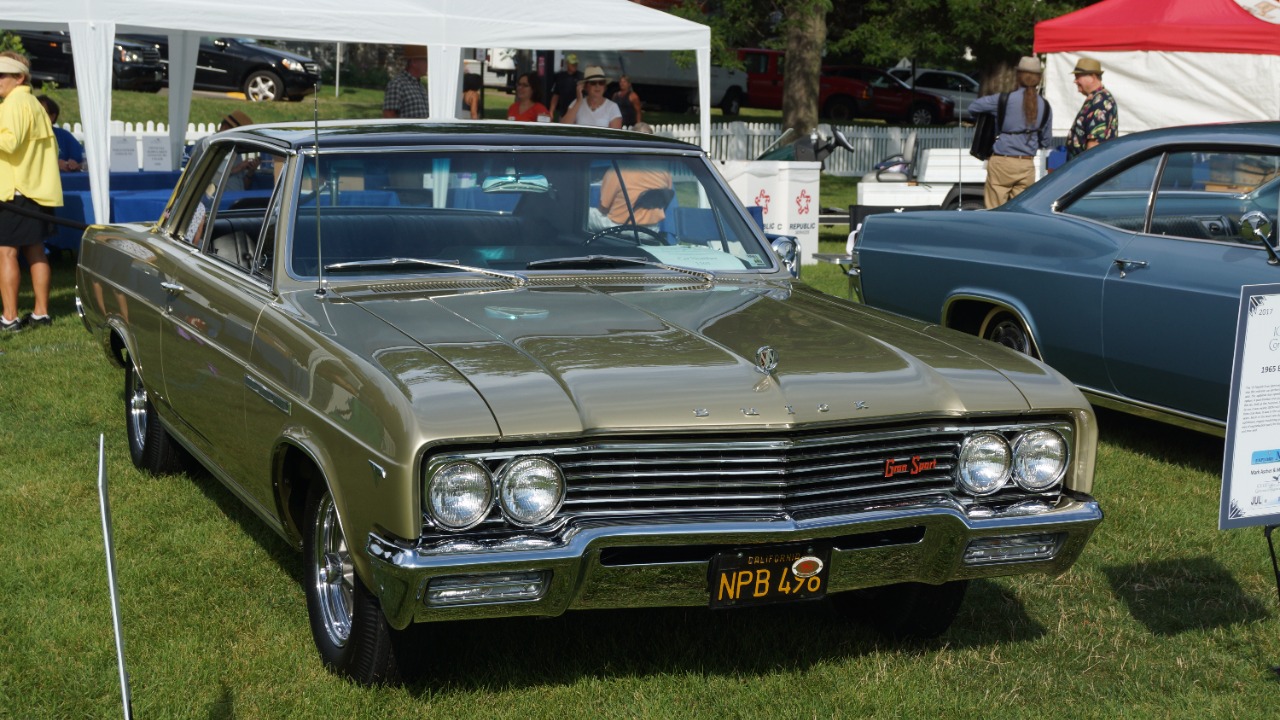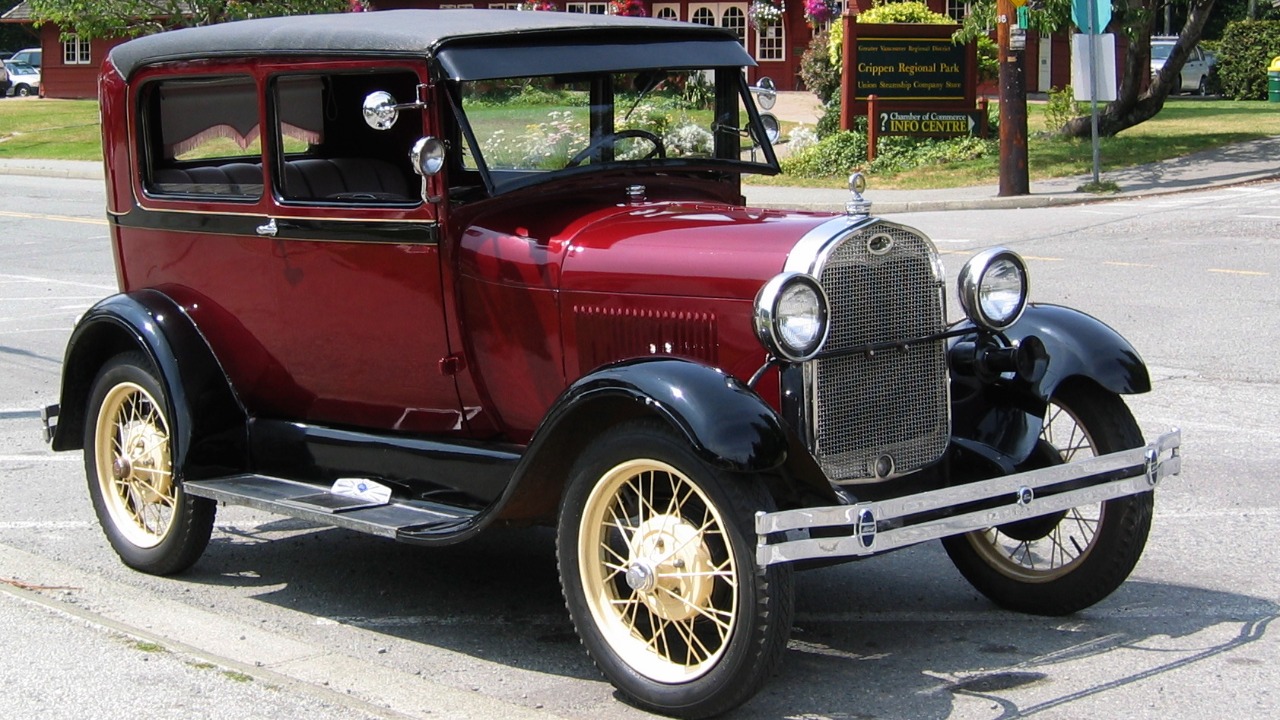
Before the legendary horsepower wars that dominated the automotive landscape in the mid-20th century, there was a lesser-known yet equally intense performance war. This era was characterized by fierce competition and innovation among manufacturers as they sought to push the boundaries of speed and performance. The dynamics of this forgotten performance war laid the groundwork for the horsepower battles that would follow, shaping the automotive industry in profound ways.
THE ORIGINS OF THE PERFORMANCE WAR
The origins of the performance war can be traced back to the early 20th century, during a time when the automobile was still a novel invention. Manufacturers were racing to develop faster, more efficient vehicles to capture the burgeoning market. Early automotive innovations, such as the introduction of the internal combustion engine, ignited a fervor for speed. The landscape of the automotive industry was shifting, and competitors like Ford and Chevrolet began to emerge as key players.
Racing events played a crucial role in fueling competition among manufacturers. Events like the Indianapolis 500 and various local races became platforms for automakers to showcase their engineering prowess. As these races gained popularity, they not only attracted spectators but also inspired manufacturers to innovate and improve their vehicles. The thrill of competition drove them to experiment with design and technology, leading to a surge in performance-focused vehicles.
TECHNOLOGICAL INNOVATIONS THAT SHAPED THE ERA
Technological advancements were instrumental in shaping this performance war. One significant innovation was the introduction of performance-enhancing features such as advanced carburetors and improved suspension systems. These enhancements allowed vehicles to handle better at higher speeds, catering to the growing appetite for speed among consumers. The evolution of carburetor technology, for instance, improved fuel delivery, which directly impacted engine performance.
Another vital factor was the adoption of lightweight materials in vehicle construction. Manufacturers began to explore alternatives to heavier metals, leading to the use of aluminum and even plastics in certain components. This shift not only improved fuel efficiency but also enhanced acceleration and handling, making cars more competitive on the track and appealing to consumers who craved speed. Innovations in engine design, such as the development of overhead valve (OHV) engines, laid the groundwork for future horsepower advancements, allowing for greater power output from smaller displacement engines.
ICONIC MODELS AND THEIR IMPACT
During this period, several iconic models emerged that significantly impacted the performance landscape. The Ford Model A, introduced in 1927, was a game-changer. It combined affordability with performance, appealing to a wide audience. Its lightweight design and efficient engine made it one of the most popular cars of its time, setting a new standard for what consumers could expect from a vehicle.
Similarly, the Chevrolet Six, launched in 1929, was another breakthrough model that showcased the advancements of the era. The vehicle featured a six-cylinder engine that provided superior power and smoothness compared to its four-cylinder counterparts. These specific features not only made these cars stand out in the performance war but also influenced consumer preferences, leading manufacturers to prioritize speed and performance in their designs.
KEY PLAYERS AND RIVALRIES
The performance war was defined by fierce competition, particularly between Ford and Chevrolet. This rivalry became a central narrative in the automotive industry, with each brand striving to outdo the other with innovative designs and marketing strategies. Ford’s introduction of the V8 engine in 1932 was a pivotal moment that boosted its performance credentials, prompting Chevrolet to respond with its own advancements in engine technology.
Influential figures in the automotive industry played crucial roles in steering the course of this performance war. Henry Ford, with his vision for mass production and efficiency, set a benchmark for others to follow. On the other side, automotive engineers and marketing moguls at Chevrolet devised strategies that not only showcased their vehicles’ performance but also connected with emerging consumer trends. The rivalry between these two titans laid the groundwork for many of the marketing and engineering practices that would dominate the industry for decades to come.
THE CULTURAL SIGNIFICANCE OF THE PERFORMANCE WAR
The performance war transcended the automotive industry, influencing popular culture and consumer attitudes toward cars. As performance vehicles became more accessible, they began to symbolize freedom and adventure, particularly among the youth. The 1940s and 1950s saw the rise of a youth culture that embraced speed and style, with cars becoming a vital part of social identity.
Media and advertising played a significant role in shaping perceptions of performance vehicles during this time. Advertisements celebrated speed, power, and the excitement of driving, making performance cars aspirational. Movies and music also embraced the automobile, further cementing its place in popular culture. The cultural significance of these vehicles went beyond mere transportation; they became icons of a generation, reflecting the desires and dreams of post-war America.
TRANSITION TO THE HORSEPOWER WARS
The culmination of the performance war set the stage for the infamous horsepower wars of the late 1950s and 1960s. The innovations and rivalries that characterized the earlier performance war directly influenced the developments of the horsepower era. Manufacturers who had honed their engineering skills and marketing strategies during the performance war were well-positioned to capitalize on the growing consumer demand for powerful vehicles. The lessons learned about consumer preferences, marketing tactics, and engineering advancements became vital tools in the subsequent battles for horsepower supremacy.
The legacy of the early performance wars continues to resonate in today’s automotive landscape. Modern vehicles, while often more focused on technology and efficiency, still draw inspiration from the innovations of that era. The competitive spirit that drove Ford and Chevrolet to innovate and improve persists, as contemporary manufacturers push the limits of what performance means in the age of electrification and sustainability. As we look back at this forgotten performance war, it becomes clear that it was a vital chapter in the ongoing story of automotive evolution, shaping the industry we know today.
More from Fast Lane Only
- Unboxing the WWII Jeep in a Crate
- 15 rare Chevys collectors are quietly buying
- 10 underrated V8s still worth hunting down
- Police notice this before you even roll window down
*Research for this article included AI assistance, with all final content reviewed by human editors.