When the Oldsmobile Rocket 88 debuted in 1949, it was heralded as a revolutionary vehicle, but there was one particular aspect that caught buyers off guard. This article explores the forgotten reason behind the initial shock and excitement surrounding the Rocket 88, a car that would lay the groundwork for the muscle car era.
The Birth of the Rocket 88
The automotive landscape of the late 1940s was characterized by a post-war boom, where manufacturers were eager to reintroduce consumer automobiles after years of rationing during World War II. Vehicles of this era typically prioritized utility over performance, with many models still reflecting the design and engineering limitations from the war. However, consumer expectations were shifting; buyers were ready for something exhilarating, something that could embody the spirit of innovation and freedom that the post-war era promised.
Oldsmobile, a division of General Motors, aimed to meet this new demand with the Rocket 88. The development of the Rocket V8 engine was a game-changer in automotive performance. It featured a lightweight design and a powerful 303 cubic inch displacement that produced 135 horsepower, a remarkable number for its time. This engine not only provided impressive acceleration but also marked a significant departure from the inline engines that were common in competitors’ vehicles. Oldsmobile’s marketing strategy effectively positioned the Rocket 88 as a modern, powerful machine for a new generation of drivers, appealing to young adults who desired both performance and style.
Performance vs. Design: The Unexpected Blend
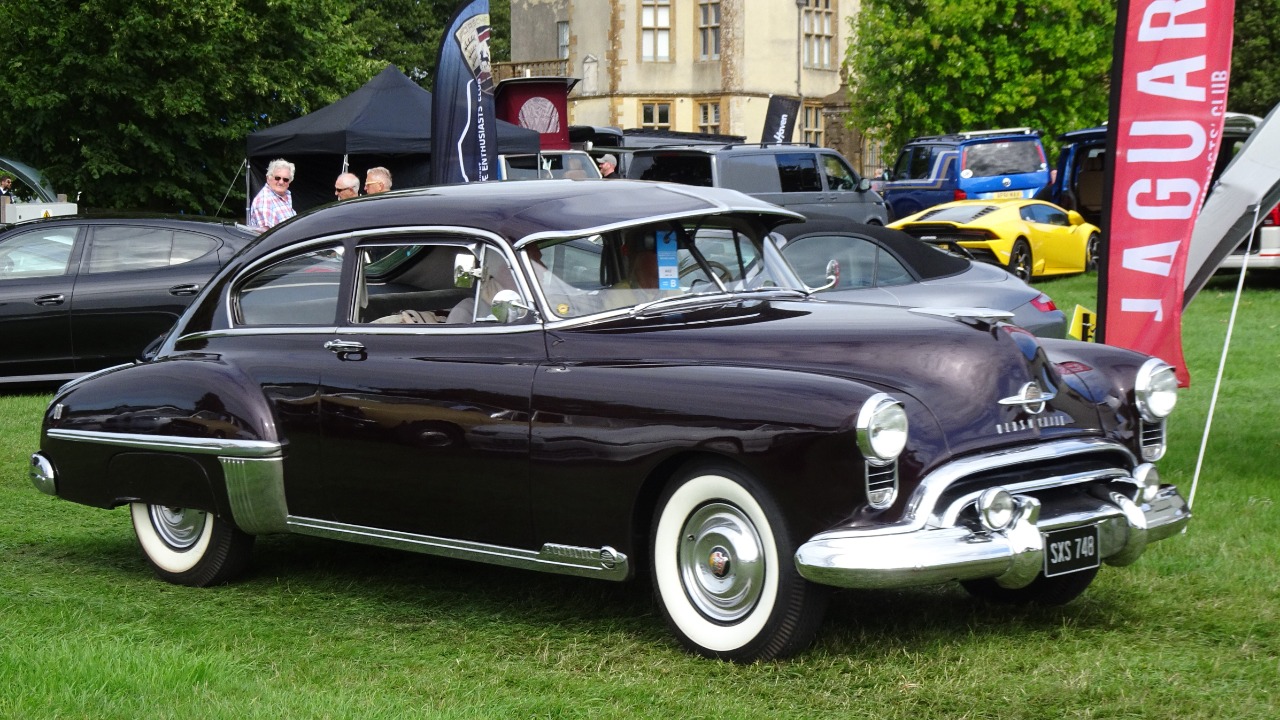
The Rocket 88 distinguished itself not just through its impressive power but also via its stylish design. A combination of sleek lines and bold colors made it visually appealing, capturing the attention of potential buyers who were increasingly valuing aesthetics alongside performance. The car was equipped with a fastback body style and chrome accents that were emblematic of the era, making it not only a high-performance vehicle but also a fashionable one. This unexpected blend of power and style was something that set the Rocket 88 apart from its contemporaries, surprising buyers who anticipated a more utilitarian approach from American cars.
When compared to its competitors, such as the Ford Super Deluxe and the Chevrolet Styleline, the Rocket 88’s performance metrics were staggering. The acceleration and speed were well beyond what buyers had come to expect. In fact, many early drivers reported that it could go from 0 to 60 miles per hour in just 9.5 seconds, making it one of the fastest cars available at that time. This combination of design and performance resonated with the evolving cultural landscape, where consumers were leaning toward faster, more stylish vehicles that matched their aspirations for freedom and individuality.
The Impact of the Rocket V8 Engine
Diving deeper into the technical specifications of the Rocket V8 reveals why it became a benchmark in automotive engineering. The engine’s unique design featured a high-compression ratio and a lightweight aluminum intake manifold, which contributed to its remarkable power output. It was also equipped with a new type of valve lifter that enhanced its performance and reliability, allowing the engine to perform exceptionally well under various driving conditions.
Real-world performance testimonials from early drivers underscore the excitement surrounding the Rocket 88. Many owners noted that the car not only performed well on the highway but also provided a thrilling driving experience thanks to its responsive handling and acceleration. For instance, drivers reported that overtaking other vehicles was effortless, a significant factor that contributed to its popularity. This level of performance was a stark contrast to the mundane driving experiences offered by many other cars of the time.
The legacy of the Rocket V8 engine is significant; it influenced not only subsequent Oldsmobile models but also a wide range of vehicles across the automotive industry. The engineering advancements seen in the Rocket V8 paved the way for future muscle cars, including the Pontiac GTO and Chevrolet Camaro. The idea of high-performance engines became a staple in American muscle cars, and many automotive enthusiasts credit the Rocket 88 as a precursor to this booming segment.
The Cultural Resonance of the Rocket 88
The Rocket 88 quickly became more than just a car; it entered popular culture and took on a symbolic meaning. Its appearance in various forms of media, including music and films, solidified its status as an icon of American freedom. Notably, the car was immortalized in the classic rock and roll song “Rocket 88” by Jackie Brenston and his Delta Cats, often cited as one of the first rock and roll songs ever recorded. The upbeat tempo and lyrics celebrating the car captured the excitement and cultural shifts of the time, demonstrating how the Rocket 88 resonated deeply with the American psyche.
The car also symbolized individuality and freedom in the post-war era. As young Americans sought to carve out their identities, the Rocket 88 represented personal expression and the joy of the open road. Its stylish design and powerful performance made it a vehicle that young people aspired to own, reinforcing the idea that driving was not just about transportation but also about embracing a lifestyle. Oldsmobile’s advertising captured this essence, showcasing the Rocket 88 in a way that appealed to this new generation of consumers who valued performance, style, and freedom.
The Forgotten Features that Shocked Buyers
While the speed and design of the Rocket 88 were groundbreaking, it was the unique features that truly caught buyers off guard. For instance, the Rocket 88 came equipped with a fully automatic transmission, a feature that was relatively uncommon in cars of its class at the time. This made driving more accessible and enjoyable, particularly for those who were not accustomed to manual transmissions. Additionally, the car featured a spacious interior with plush seating and a smooth ride, which provided a level of comfort that buyers had not anticipated.
Consumer feedback upon release was overwhelmingly positive. Many buyers were surprised by the range of features that came standard with the Rocket 88, including power steering and a radio—luxuries that were often considered optional in competitors’ models. These unexpected features not only enhanced the driving experience but also contributed to the Rocket 88’s early sales success. The combination of performance, style, and comfort led to a robust initial market response, with many dealerships struggling to keep the car in stock.
The impact of these features on sales cannot be underestimated. The Rocket 88 quickly became one of Oldsmobile’s best-selling models, helping the brand establish a strong foothold in a rapidly changing automotive market. The success of the Rocket 88 set a precedent for future models and reinforced the importance of blending performance with comfort and advanced features, a lesson that remains relevant for modern automakers.
The Decline of the Oldsmobile Brand
Despite its initial success, several factors led to the decline of the Oldsmobile brand in the years following the Rocket 88’s debut. The automotive landscape began to shift dramatically in the 1970s, with consumers increasingly favoring smaller, more fuel-efficient vehicles due to rising gas prices and changing economic conditions. Oldsmobile struggled to adapt to these changes, and its lineup became less relevant as buyers sought more practical options. The brand’s decline was further exacerbated by increased competition from foreign automakers who offered reliable, efficient vehicles at competitive prices.
As time passed, the memory of the Rocket 88 began to fade. While it was once celebrated as a revolutionary vehicle, it became overshadowed by the emergence of new muscle cars and the evolving tastes of consumers. The legacy of the Rocket 88, however, should not be forgotten. It laid the groundwork for the muscle car era and demonstrated that performance and style could coalesce to create a vehicle that resonated with a generation.
There are valuable lessons to be learned from the Rocket 88’s legacy. Modern automakers can take inspiration from its innovative engineering, marketing strategies, and the importance of understanding consumer desires. The Rocket 88’s ability to combine power, style, and unexpected features serves as a reminder that successful vehicles must continually evolve to meet the changing expectations of their drivers.
More from Fast Lane Only
- Unboxing the WWII Jeep in a Crate
- 15 rare Chevys collectors are quietly buying
- 10 underrated V8s still worth hunting down
- Police notice this before you even roll window down
*Research for this article included AI assistance, with all final content reviewed by human editors.