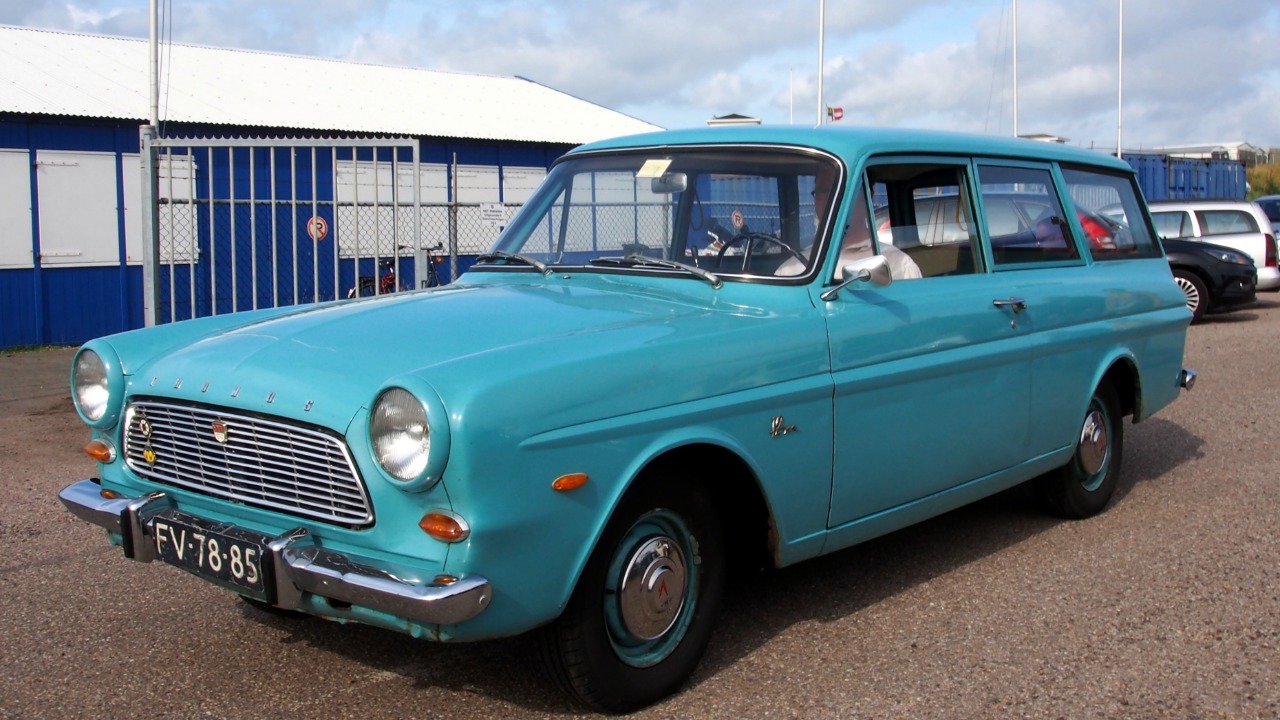
The Ford Cardinal project of 1961 remains a largely overlooked chapter in automotive history, representing both innovation and missed opportunities in the American car market. Delving into the background, development, and eventual cancellation of the Cardinal sheds light on the factors that led to its obscurity and highlights a significant moment in the evolution of compact cars in America.
Background of the Cardinal Project
In the early 1960s, Ford Motor Company was undergoing a transformative period characterized by a growing interest in compact cars. The post-World War II era had spurred a significant shift in consumer preferences, with families increasingly looking for smaller, more economical vehicles. With the American automotive landscape evolving, Ford recognized the potential of compact cars to capture a new market segment and began developing the Cardinal project.
The Cardinal was conceived during a time when the Big Three automakers—Ford, General Motors, and Chrysler—were beginning to feel the heat from foreign competitors, particularly the Volkswagen Beetle, which was gaining a reputation for reliability and fuel efficiency. Ford’s engineering team proposed initial design ideas that aimed to create a compact vehicle that could compete head-to-head with both domestic and international offerings. Their vision was not just to create a smaller car, but to embody a new philosophy of automotive design focused on efficiency and functionality.
Design and Engineering Innovations
One of the most striking aspects of the Cardinal project was its unique design features. Built around the idea of compactness, the Cardinal would have been smaller than Ford’s existing models but with a distinctive styling that set it apart. The use of lightweight materials was a key focus, aimed at improving fuel efficiency without sacrificing structural integrity. The engineering advancements proposed for the Cardinal included front-wheel drive, a significant departure from the traditional rear-wheel drive systems prevalent at the time. This innovation was intended to enhance handling and traction, particularly in adverse weather conditions.
Virgil Exner, a renowned automotive designer, played a pivotal role in shaping the aesthetic vision of the Cardinal. His insights into design trends and consumer preferences were instrumental in developing the car’s visual appeal. According to a transcript of Exner’s discussions, he emphasized the importance of creating a vehicle that was not only functional but also stylish, appealing to the emerging youth market that valued aesthetics in addition to performance. The Cardinal’s design was poised to capture the essence of the 1960s, with sleek lines and a modern look that would resonate with consumers.
Competitive Landscape and Market Pressures
The competitive landscape in the compact car segment during the early 1960s was fierce. Ford faced significant challenges from established players like the Volkswagen Beetle and the Chevrolet Corvair. The Beetle’s success was largely due to its affordability and reliability, while the Corvair was marketed as a stylish, innovative alternative to traditional American cars. The growing popularity of these models put pressure on Ford to deliver a compelling product that could stand out in an increasingly crowded marketplace.
External factors also played a critical role in shaping the market dynamics. Rising fuel prices in the late 1950s and early 1960s shifted consumer demands towards smaller, more economical vehicles. As families sought to balance their budgets, the appeal of compact cars grew. However, Ford also faced internal competition from its own lineup. Models like the Falcon were already capturing market share, and there was concern about cannibalization of existing sales. This internal strife raised questions about the Cardinal’s viability and created uncertainty regarding its future within Ford’s strategic plans.
The Decision to Cancel the Project
Despite the promising innovations and potential market fit of the Cardinal, a confluence of factors ultimately led to its cancellation. Financial constraints were a significant consideration, as Ford’s management grappled with the costs associated with developing a new model in an uncertain market. The company was navigating a challenging economic environment, which made them wary of investing heavily in a project that had yet to prove itself. According to analysis from Indie Auto, management decisions were influenced by a lack of consensus about the future direction of Ford’s compact car strategy, leading to the Cardinal’s eventual demise.
The role of executive leadership was critical in determining the fate of the Cardinal project. Differing visions for Ford’s future in the compact car market created friction among decision-makers. Some executives were focused on maintaining the status quo, while others pushed for innovation and adaptation to shifting consumer preferences. The lack of a unified vision ultimately sealed the Cardinal’s fate. After its cancellation, Ford shifted its focus to other models, leading to a product lineup that, while successful, missed out on the potential that the Cardinal represented.
Legacy and Historical Significance
The cancellation of the Cardinal project left an indelible mark on Ford’s approach to compact cars in the years that followed. The lessons learned from the project influenced the design and development of future models, as Ford sought to balance innovation with market realities. While the Cardinal never saw production, it served as a precursor to later models that embraced compactness and efficiency, such as the Ford Pinto, which debuted in the early 1970s.
The story of the Cardinal is not unique in the automotive industry; many innovative projects have been shelved or canceled, often leaving behind a legacy of what might have been. For instance, the Chevrolet Vega, launched in 1970, was hailed as a revolutionary compact car but faced significant quality issues that tarnished its reputation. The Cardinal’s cancellation serves as a reminder of the volatility and unpredictability of the automotive market, where even the most promising ideas can be sidelined due to external pressures and internal conflicts.
Revisiting the Forgotten Story
Today, there is a renewed interest in revisiting the narrative of the Cardinal project and understanding its relevance in the context of modern automotive design. As the industry shifts towards electric and hybrid vehicles, the innovations proposed in the Cardinal—such as lightweight materials and efficient engineering—are becoming increasingly relevant. The challenges faced by Ford in the 1960s echo today’s struggles as automakers adapt to new technologies and consumer expectations.
Reflecting on past industry decisions like the cancellation of the Cardinal project can provide valuable insights for current and future developments in car manufacturing. Understanding the factors that led to the Cardinal’s demise can help automotive leaders navigate the complexities of innovation, market demands, and consumer preferences. As we move forward, it is essential to learn from these historical moments to foster a culture of creativity and resilience within the automotive industry.
More from Fast Lane Only
- Unboxing the WWII Jeep in a Crate
- 15 rare Chevys collectors are quietly buying
- 10 underrated V8s still worth hunting down
- Police notice this before you even roll window down
*Research for this article included AI assistance, with all final content reviewed by human editors.