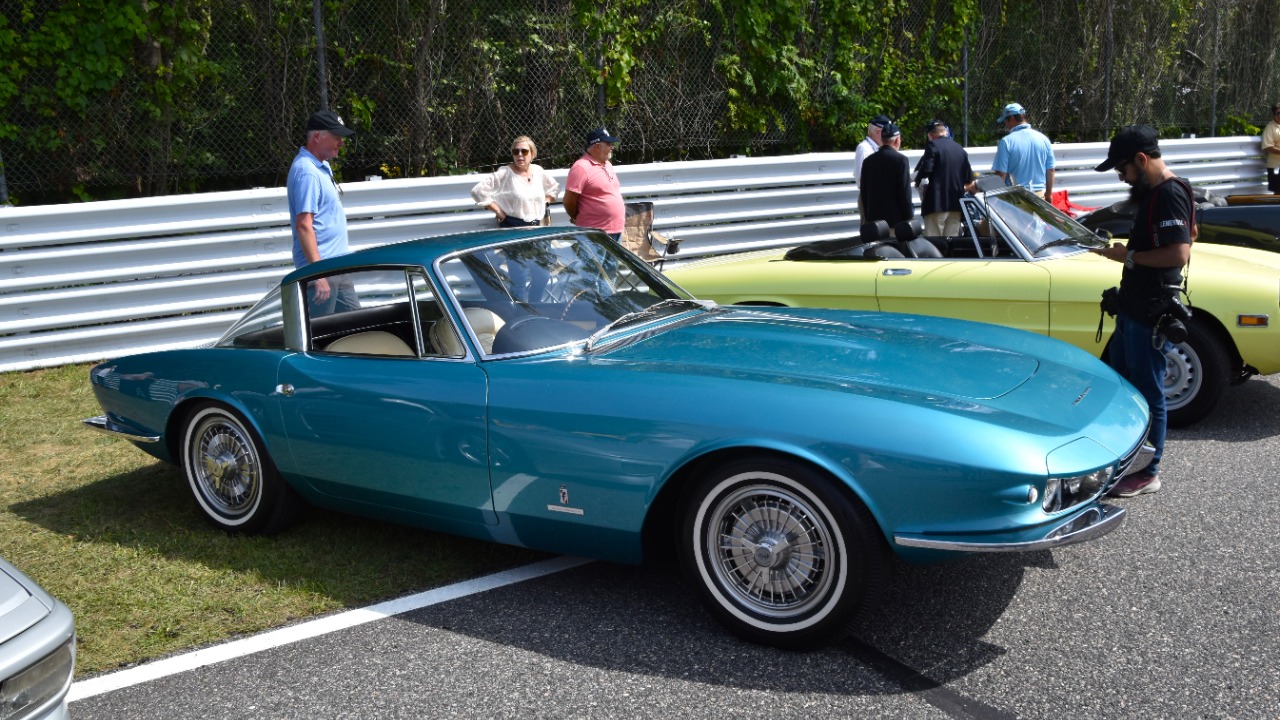
The 1963 Chevrolet Corvette Rondine concept, crafted by the renowned Italian coachbuilder Pininfarina, offers a unique glimpse into what could have been a transformative direction for Corvette design. With its innovative styling and engineering approaches, the Rondine not only encapsulated the spirit of the era but also posed the potential to redefine the aesthetics and performance of one of America’s most beloved sports cars. By examining the Rondine’s design philosophy, technological innovations, cultural impact, and community reception, we can appreciate its significance in automotive history.
Design Philosophy of the Rondine
The Rondine exemplified the pinnacle of Italian craftsmanship, reflecting a level of meticulous detail and elegance that set new benchmarks for automotive design. Every curve and contour was thoughtfully considered, showcasing the artistry that Pininfarina was renowned for. The design did not merely aim for aesthetics; it sought to elevate the entire driving experience. The Rondine’s bodywork was smooth and flowing, leaving behind the angular designs that characterized many American cars of that era. This shift towards a more organic form hinted at a future where cars could be both functional and breathtakingly beautiful.
Furthermore, the integration of form and function in the Rondine was remarkable. The design team accomplished a harmonious relationship between beauty and performance, suggesting that aesthetics could enhance aerodynamics rather than hinder them. The Rondine’s silhouette was not only visually striking but also optimized for airflow, promising improved performance on the road. This emphasis on aerodynamic efficiency indicated a forward-thinking approach that could have greatly influenced the design ethos of future Corvette models, perhaps steering the brand towards a more sophisticated identity.
Technological Innovations
One of the standout features of the Rondine concept was its use of advanced materials and construction techniques. By incorporating lightweight materials, the Rondine could have set a precedent for future Corvette models that prioritized performance and efficiency. In an era where weight reduction was becoming increasingly crucial for speed and handling, the Rondine’s innovation hinted at what could have been achieved in subsequent designs. Imagine a Corvette that was not only powerful but also nimble, thanks to its lightweight construction—this could have been a game-changer in the automotive landscape.
Additionally, the Rondine showcased potential engine configurations that hinted at the evolution of Corvette’s powertrains. With a focus on speed and agility, these advancements suggested a shift towards more powerful and efficient engines that could have propelled the Corvette to new heights in the sports car segment. The Rondine’s design also included features aimed at reducing drag, a principle that became increasingly crucial in automotive engineering. By prioritizing aerodynamic efficiency, the Rondine could have influenced future engineering benchmarks for the Corvette, potentially changing how performance was measured in the years to come.
Cultural Impact and Perception
The introduction of the Rondine coincided with a significant shift in consumer preferences towards more sophisticated and stylish vehicles. During the early 1960s, automotive design began to reflect a growing desire for elegance and refinement, moving away from the more utilitarian designs of previous decades. The Rondine’s aesthetic was a direct response to this cultural change, showcasing how a vehicle could embody both luxury and performance. This shift in automotive taste could have elevated the Corvette brand, aligning it more closely with the desires of a discerning consumer base.
The legacy of Pininfarina also played a crucial role in shaping the perception of the Rondine. The association with such a prestigious design house lent an air of exclusivity and sophistication to the concept, enhancing its appeal among collectors and enthusiasts. This prestige could have translated to a stronger brand identity for Corvette, as consumers began to associate the model with high-end automotive craftsmanship. Additionally, the Rondine’s design may have contributed to the later acceptance and celebration of the split-window feature in standard Corvette models, transforming it from a controversial aspect to an iconic symbol of classic automotive design. For more insights on this shift in perception, check out this discussion.
Comparative Analysis with Other Concepts
When we look at the automotive landscape of the 1960s, the Rondine truly stood out against contemporaneous concepts. While many car designs of that era leaned heavily into bold, aggressive lines, the Rondine embraced a more fluid and graceful approach. This distinction was not just about aesthetics; it represented a departure from the dominant design philosophy of the time, which often prioritized brashness over elegance. By comparing the Rondine with other concepts such as the Ford Mustang and the Jaguar E-Type, we can see how Pininfarina’s creation could have led a meaningful evolution in design thinking within the industry.
Moreover, the potential influence of the Rondine on future Corvette designs cannot be understated. The clean lines and minimalist design cues could have provided a template for subsequent generations of Corvettes, which often faced the challenge of balancing performance with evolving consumer tastes. By speculating on how the Rondine’s design philosophy might have shaped the aesthetics of later models, we can envision a lineage of Corvettes that embraced a more modernist approach, possibly yielding vehicles that were both iconic and timeless. It’s insightful to consider how lessons from other automotive concepts that didn’t reach production might apply to the Rondine, as they often illuminate the challenges and opportunities that designers face. For more on the Rondine’s place in automotive history, check out this profile.
Community and Enthusiast Reception
The Rondine concept has garnered significant interest among collectors and automotive enthusiasts. Today, it is often discussed in the context of its design and legacy, making it a sought-after topic within car collecting circles. The unique characteristics of the Rondine resonate with enthusiasts who appreciate the artistry and craftsmanship that went into its creation. The concept is frequently referenced in online discussions and forums, where car lovers share their admiration for its innovative design and speculate on how it could have changed the Corvette brand had it been produced. Communities, such as those found on Reddit, showcase a vibrant dialogue around the Rondine, highlighting its significance in automotive history.
The conversations surrounding the Rondine often reflect a broader tension between nostalgia for classic designs and the embrace of new ideas. Many enthusiasts grapple with the desire to honor the traditional aesthetics of the Corvette while also recognizing the need for innovation to stay relevant in a fast-evolving automotive landscape. This balance between the past and the future is a recurring theme in discussions about the Rondine, as it represents a critical moment in automotive design that could have set a precedent for future models. Facebook groups dedicated to classic cars also see heated discussions about the significance of the Rondine, illustrating its enduring impact on the automotive community, as seen in posts like this one.
A Missed Opportunity?
Speculating on the trajectory of the Corvette had the Rondine been adopted reveals intriguing possibilities. The concept’s design ethos could have set a distinctly different course for Corvette design, potentially leading to a lineage that embraced elegance alongside performance. The integration of advanced materials and aerodynamics might have defined a new generation of Corvettes that were lighter, faster, and more efficient, positioning Chevrolet as a leader in both performance and design innovation.
The lasting legacy of the Rondine continues to echo in discussions about the future of Corvette and automotive design as a whole. It serves as a reminder of the importance of innovation in a field that thrives on creativity and vision. By encouraging dialogue around how the Rondine could have changed automotive design, we open the door to a deeper appreciation of the potential that lies within each new concept. The Rondine stands as a testament to what could have been—a remarkable intersection of artistry and engineering that may very well have shaped the future of one of America’s most cherished sports cars.
More from Fast Lane Only
- Unboxing the WWII Jeep in a Crate
- 15 rare Chevys collectors are quietly buying
- 10 underrated V8s still worth hunting down
- Police notice this before you even roll window down
*Research for this article included AI assistance, with all final content reviewed by human editors.