The Chevrolet Corvette is an iconic American sports car, known for its sleek designs and powerful performance. However, one particular style of the Corvette, despite its initial excitement, was short-lived due to a combination of factors that many enthusiasts may not be aware of.
The Birth of the Corvette Style
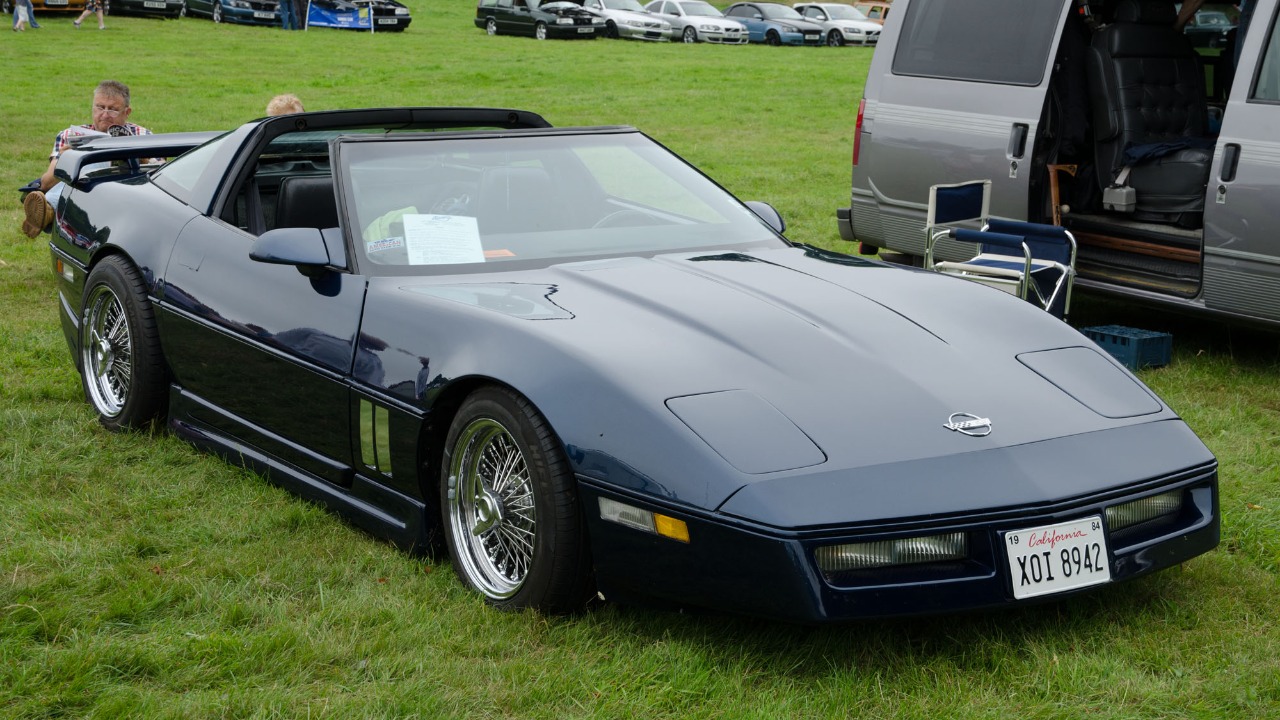
Over the decades, the Chevrolet Corvette has evolved significantly, adapting to changing consumer preferences, technological advancements, and competitive pressures. From its introduction in 1953 as a fiberglass-bodied sports car to the modern iterations boasting advanced performance and luxury features, each generation has left a unique mark on automotive history. Among these iterations was the Corvette C4, produced from 1984 to 1996, which introduced a radically different design and performance philosophy compared to its predecessors.
The C4 Corvette was distinguished by its angular design, a departure from the curvier lines of the C3. It featured a more aerodynamic profile that not only improved aesthetics but also enhanced performance at high speeds. The introduction of the digital dashboard and a host of technological advancements made it a standout model in an era where technology was beginning to intertwine more closely with automotive design. Released during a time of economic optimism, the C4 was poised to capture a new generation of sports car enthusiasts.
Technical Challenges and Limitations
While the C4 Corvette was celebrated for its design and technological innovations, it faced significant engineering challenges that would ultimately affect its popularity. One of the most notable technical issues was related to the vehicle’s build quality. The early models, particularly the 1984 version, suffered from various reliability problems, including issues with the transmission and electrical systems. Reports of dashboard malfunctions and persistent leaks plagued these models, leading to frustration among early adopters.
Performance-wise, while the C4 was equipped with a robust 5.7-liter V8 engine, the initial power outputs were relatively modest compared to the expectations set by the Corvette’s legacy. The standard engine produced 205 horsepower, which, while adequate for the time, was underwhelming when compared to competitors like the Ford Mustang GT, which offered more power options. This power deficit, coupled with the aforementioned reliability issues, resulted in lukewarm reception from enthusiasts who had anticipated a performance-focused sports car.
Market Reception and Consumer Feedback
Sales figures during the C4’s production period tell a complex story. While the Corvette traditionally enjoyed a loyal following, the initial numbers for the C4 were lower than expected. In 1984, Chevrolet sold approximately 51,000 units, a number that dropped to around 30,000 by 1989, as the excitement waned. Automotive critics also weighed in, with many highlighting the technical shortcomings alongside the design innovations. The C4 garnered mixed reviews, with some praising its modern looks and others criticizing its inconsistencies in performance and reliability.
Consumer feedback echoed these sentiments. Many Corvette owners expressed disappointment regarding the build quality and performance, which did not align with the Corvette’s reputation for excellence. Testimonials from owners revealed a range of experiences, from elation with the car’s appearance to frustration with the constant repairs required to maintain functionality. These personal accounts contributed to a growing narrative that the C4, despite its striking design, was not the performance icon that many had hoped it would be.
Influence of Competition and Industry Trends
The automotive landscape during the 1980s was competitive and rapidly evolving. The introduction of rival sports cars, such as the Mazda RX-7 and the Nissan 300ZX, provided strong competition for the C4 Corvette. These vehicles not only matched the Corvette in performance but also offered advanced technology and reliability. The RX-7, for instance, was lauded for its lightweight design and rotary engine, which delivered impressive power and handling.
Additionally, changing consumer preferences began to favor more practical performance vehicles. The growing popularity of Japanese sports cars, which were often more fuel-efficient and reliable than American counterparts, shifted the market dynamics. As buyers became more discerning, they began to prioritize value and reliability, qualities that the C4 was struggling to deliver. This trend further eroded the Corvette’s appeal, as potential buyers weighed their options against a backdrop of increasingly capable competitors.
Legacy and Impact on Future Models
Despite its shortcomings, the C4 Corvette left a lasting legacy that influenced future models. The lessons learned from its production issues and consumer feedback prompted Chevrolet to reevaluate its design and engineering approaches. For instance, the introduction of the C5 Corvette in 1997 saw significant improvements in performance, reliability, and overall build quality. The C5 featured a more powerful engine, a better suspension system, and a return to a more rounded design that appealed to a broader audience.
Moreover, the styling cues and technological advancements introduced during the C4 era paved the way for innovations in subsequent models. Elements such as the digital dashboard and advanced aerodynamics became standard features in later Corvettes, reflecting the brand’s commitment to evolving alongside consumer expectations. Even today, echoes of the C4 can be seen in modern iterations, as Chevrolet continues to blend classic design elements with cutting-edge technology.
A Forgotten Chapter
The short-lived C4 Corvette represents a fascinating chapter in the history of American sports cars. While it may not have achieved the legendary status of some of its predecessors or successors, its unique combination of design ambition and technical challenges provides valuable insights into the complexities of automotive production and consumer expectations. Enthusiasts may reflect on the C4 with a mix of nostalgia and recognition of its role in shaping the Corvette’s future.
As I delve into this often-overlooked period, I appreciate the intricacies of automotive design and the myriad factors that influence a vehicle’s success or failure. The C4 Corvette serves as a reminder that even icons can face hurdles, and understanding these challenges adds depth to our appreciation of these remarkable machines.
More from Fast Lane Only
- Unboxing the WWII Jeep in a Crate
- 15 rare Chevys collectors are quietly buying
- 10 underrated V8s still worth hunting down
- Police notice this before you even roll window down
*Research for this article included AI assistance, with all final content reviewed by human editors.