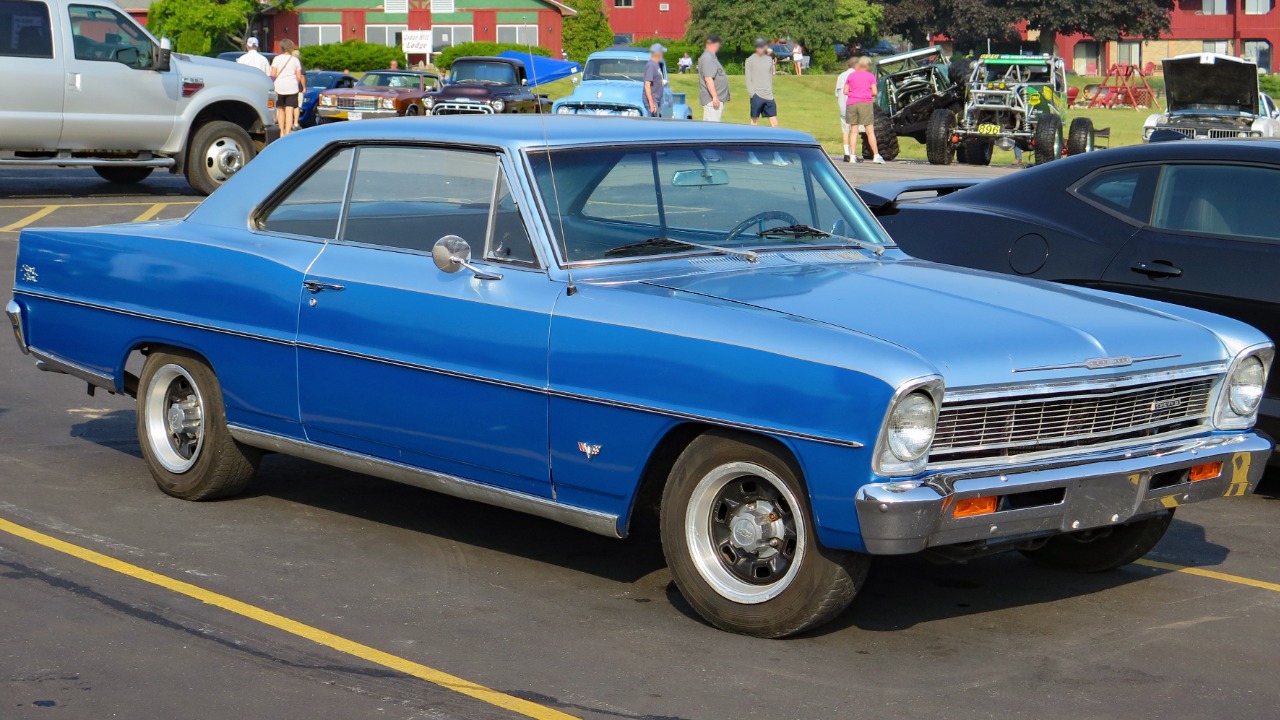
The Chevrolet Nova SS, a beloved muscle car of the 1960s and 70s, seemed to vanish from the automotive landscape for decades. While many assume it fell victim to changing automotive tastes, a deeper look reveals a series of corporate decisions and market dynamics that played a pivotal role in its disappearance.
The Rise and Fall of the Chevrolet Nova SS
The Chevrolet Nova was introduced in 1962 as a compact car designed to compete in a growing market segment. Initially, it was a simple two-door coupe, but by the mid-1960s, it had evolved significantly. The introduction of the SS (Super Sport) model in 1963 marked a turning point, offering powerful V8 engines that appealed to muscle car enthusiasts. By 1965, the Nova SS was a formidable competitor in the muscle car arena, known for its performance and affordability. Its lightweight design and robust engine options made it a favorite among young drivers looking for speed and style.
The cultural impact of the Nova SS during the muscle car era cannot be overstated. It became a symbol of freedom and rebellion, capturing the essence of American car culture in the 1960s and 70s. Car shows and street races showcased the Nova SS, further solidifying its status among enthusiasts. However, in the late 1970s, a combination of factors led to its decline. Increased regulations, rising insurance costs, and a shift in consumer preferences towards more fuel-efficient vehicles began to take a toll on the muscle car market, with the Nova SS being one of the models affected.
Corporate Decisions and Market Shifts
The 1980s marked a significant change for General Motors, which was struggling to adapt to a rapidly evolving automotive landscape. The company began to reevaluate its strategy, focusing on smaller, more fuel-efficient vehicles in response to rising fuel prices and changing consumer preferences. This shift was a direct reaction to the oil crises of the 1970s, which had dramatically altered the automotive market. The muscle car segment, including the Nova SS, was seen as outdated and no longer aligned with consumer demand.
As competition from foreign automakers intensified, particularly from Japanese manufacturers like Toyota and Honda, GM’s decision to phase out traditional muscle cars became clearer. The 1980s saw a rise in import vehicles that offered better fuel efficiency and reliability, further diminishing the appeal of high-performance models like the Nova SS. By the end of the decade, the Nova nameplate had effectively disappeared from the market, with GM focusing its efforts on other brands and models that aligned more closely with consumer trends.
The Legal Battle Over the Nova Name
The journey of the Chevrolet Nova didn’t end with its discontinuation; rather, it faced a series of legal challenges that further complicated its potential revival. In the late 20th century, trademark disputes arose over the Nova name, primarily due to its use in various markets around the world. One notable issue was the Nova’s name having different connotations in Spanish-speaking countries, where “Nova” translates to “doesn’t go.” This led to confusion and hesitancy regarding the brand’s identity, which ultimately affected GM’s plans for a potential revival of the model.
The implications of these trademark disputes were significant. They not only stalled potential revivals of the Nova SS during the 1990s and 2000s but also forced GM to rethink its branding strategy. The company had to navigate complex legal waters while also addressing consumer nostalgia for the classic model. As a result, the Nova name remained dormant for decades, with enthusiasts left to reminisce about its glory days without any official revival in sight.
Cultural Resurgence and Nostalgia
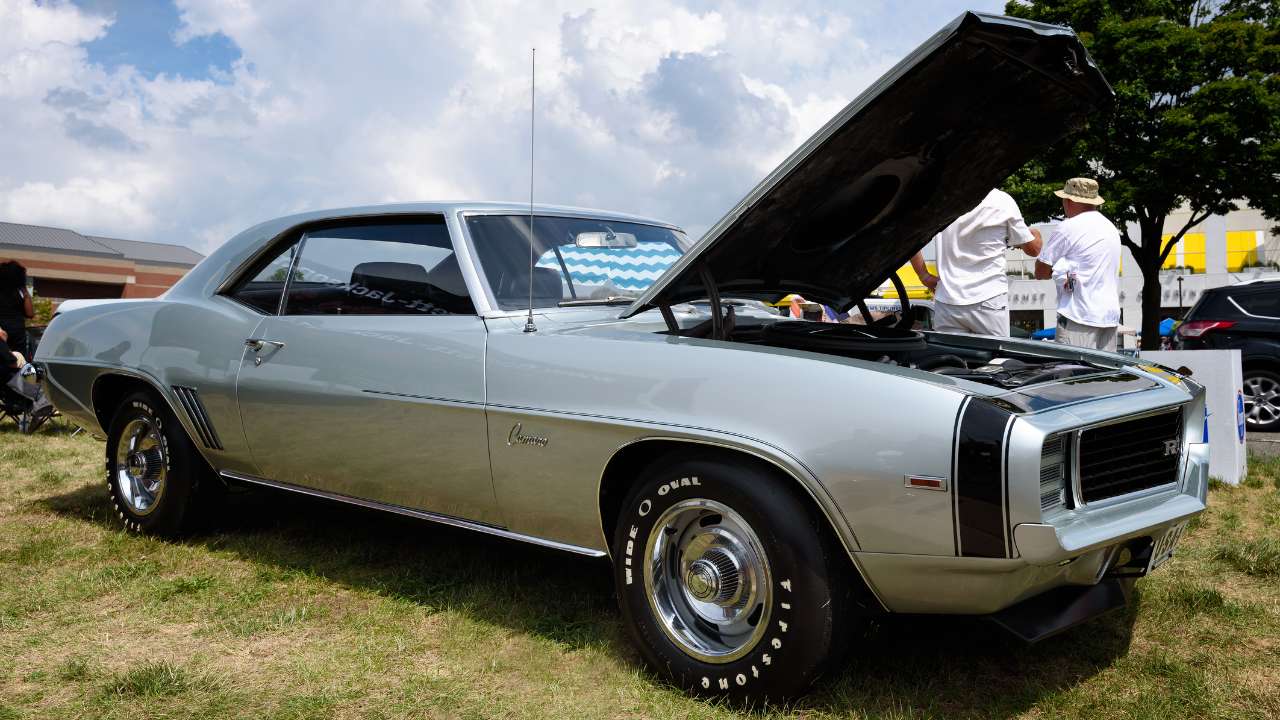
While the Chevrolet Nova SS may have been absent from production lines, it remained alive in the hearts of car enthusiasts. Car shows, enthusiast clubs, and online forums played a crucial role in keeping the Nova SS legacy alive during its absence. Events like the Muscle Car and Corvette Nationals and the annual Hot Rod Power Tour attracted thousands of fans who celebrated the heritage of classic American muscle cars, including the Nova SS. These gatherings provided a platform for enthusiasts to share their passion and showcase their restored vehicles, ensuring that the Nova’s story continued to be told.
Nostalgia for classic cars has proven to be a powerful force in the automotive world. As a new generation of automotive enthusiasts emerged, they began to appreciate the raw power and design of classic muscle cars, including the Nova SS. Social media platforms like Instagram and Facebook played a pivotal role in revitalizing interest in the Nova. Dedicated groups and pages shared photos, restoration projects, and personal stories, creating an online community that celebrated the legacy of the Nova SS. This resurgence of interest laid the groundwork for a potential revival of the model in a modern context.
The Nova SS Rebirth: A New Era
Fast forward to recent years, and the Chevrolet Nova SS is back, albeit in a modern reinterpretation. In response to consumer demand for nostalgic vehicles, GM has announced plans to revive the Nova SS, incorporating contemporary features while paying homage to its classic roots. This revival aims to capture the spirit of the original Nova SS while appealing to a new generation of buyers who seek both style and performance.
The modern Nova SS is expected to feature advanced technology, improved fuel efficiency, and updated safety features, all while retaining the essence of what made the original so beloved. A blend of classic design elements with modern performance enhancements will cater to both nostalgic enthusiasts and modern-day drivers. The strategic importance of reviving classic models like the Nova SS cannot be understated, as it taps into a growing trend of consumers seeking authenticity and heritage in their automotive choices.
Lessons Learned from the Nova SS Story
The journey of the Chevrolet Nova SS offers valuable insights into the importance of brand heritage and customer loyalty in the automotive industry. As companies navigate the complexities of changing consumer preferences and market dynamics, the story of the Nova serves as a reminder of the enduring appeal of classic vehicles. The Nova SS’s rise, fall, and eventual revival reflect broader trends in consumer behavior and automotive innovation, showcasing the potential for classic nameplates to thrive in an evolving market landscape.
As the automotive industry continues to evolve, the future for classic nameplates like the Nova SS looks promising. With a renewed interest in heritage vehicles and a growing appreciation for the nostalgia they evoke, manufacturers have an opportunity to tap into this market. The Nova SS’s story serves as a testament to the power of brand loyalty and the potential for revival in a world where innovation and tradition can coexist.
More from Fast Lane Only
- Unboxing the WWII Jeep in a Crate
- 15 rare Chevys collectors are quietly buying
- 10 underrated V8s still worth hunting down
- Police notice this before you even roll window down
*Research for this article included AI assistance, with all final content reviewed by human editors.