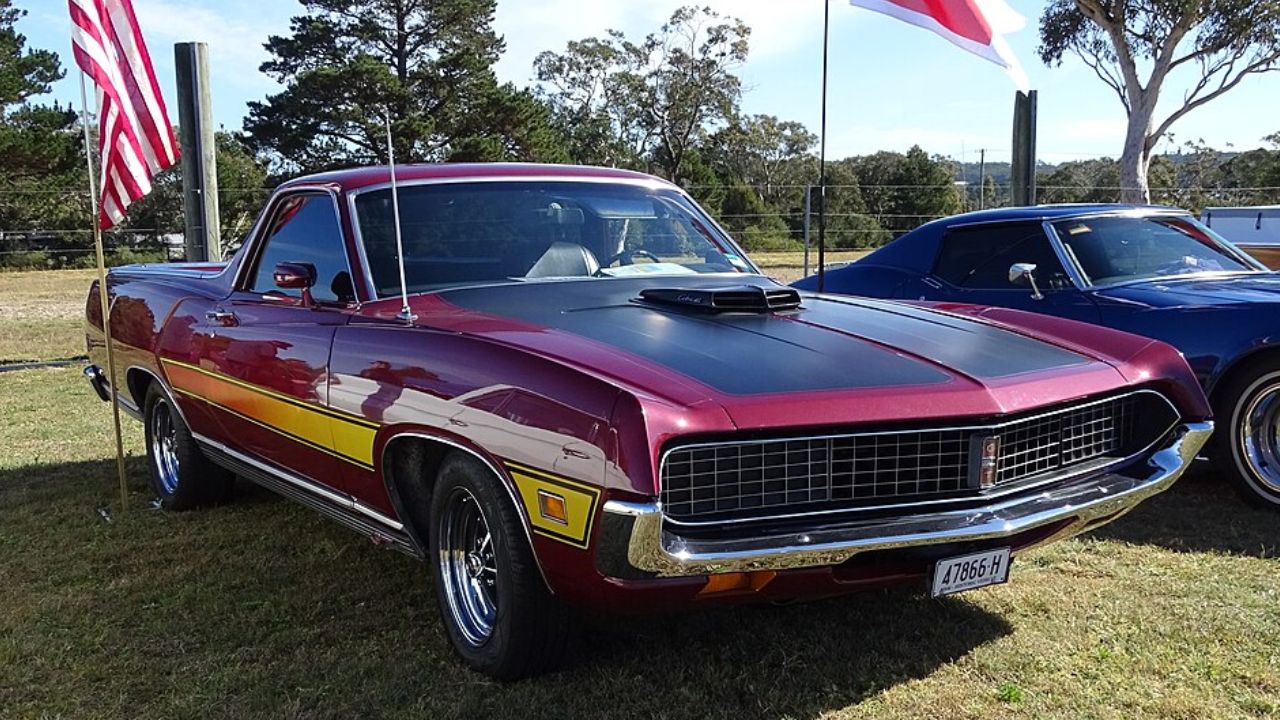
The Ford Ranchero, a unique blend of car and truck, captivated audiences in the mid-20th century but disappeared from the market for decades. Its absence not only reflects changing consumer preferences but also highlights strategic decisions made within the automotive industry. As I delve into the factors that contributed to the Ranchero’s long absence, we can uncover valuable insights into the evolving landscape of American automotive culture.
The Rise of the Ford Ranchero
Launched in 1957, the Ford Ranchero was a groundbreaking vehicle that combined the best aspects of cars and trucks. With its stylish design and practical utility, the Ranchero appealed to a diverse range of consumers. Its unibody construction allowed for a smoother ride and better handling than traditional pickups. As a result, it quickly became a favorite among those who sought versatility without sacrificing style.
The Ranchero played a significant role in the muscle car culture that blossomed in the late 1950s and 1960s. With its sporty aesthetic and powerful engine options, it captured the spirit of the era. The 1966 Ranchero GT, for example, came equipped with a 390 cubic inch V8 engine, offering consumers both performance and practicality. This blend of power and utility set the Ranchero apart from competitors like the Chevrolet El Camino, which offered similar features but lacked the same level of refinement.
Key features of the Ranchero included its spacious cargo bed, which provided ample room for hauling goods while maintaining a comfortable passenger compartment. This versatility made it particularly appealing to a wide audience, from families to small business owners. As a result, the Ranchero established itself as a distinct segment in the automotive market, one that catered to consumers looking for more than just a conventional sedan or truck.
Market Trends and Consumer Preferences
As the 1970s and 1980s unfolded, consumer preferences began to shift dramatically. The rise of SUVs and traditional trucks overshadowed car-based pickups like the Ranchero. With the increasing popularity of vehicles that offered more passenger capacity and off-road capabilities, the Ranchero struggled to maintain its relevance. This shift was not just a fad; it reflected a deeper change in American lifestyles and attitudes toward transportation.
The decline of the car-based pickup market had severe implications for the Ranchero’s sales figures. By the late 1970s, Ford saw a significant drop in demand for the Ranchero, as consumers gravitated towards larger, more utilitarian vehicles. Economic factors also played a role; the oil crises of the 1970s led to a broader reevaluation of fuel efficiency and practicality. Buyers began to prioritize vehicles that could handle a variety of tasks, from family outings to heavy-duty hauling, further sidelining the Ranchero.
During this period, the automotive industry experienced significant economic turmoil. Recessions and fuel shortages prompted a reevaluation of consumer priorities. Many people sought vehicles that were not only fuel-efficient but also provided a sense of security and reliability. The Ranchero, with its car-like build and limited capabilities compared to traditional trucks, could not meet these new demands, leading to its eventual decline in sales.
Ford’s Strategic Decisions
Internally, Ford’s discussions in the 1970s about the Ranchero’s future were complex. As the company began to focus on more profitable vehicle segments, the Ranchero was increasingly viewed as a liability rather than an asset. The decision to prioritize the production of SUVs and larger trucks aligned with market trends and consumer demands, leaving the Ranchero without the attention and resources it once enjoyed.
Ford’s lineup during this period included models like the Ford F-Series trucks and the Ford Bronco, which were far more lucrative than the Ranchero. The F-Series, in particular, became the best-selling vehicle in America, prompting Ford to funnel resources into these more profitable models. As a result, the Ranchero was gradually phased out, with its last production year being 1979, marking an end to an era of innovative design and versatility.
While the Ranchero was a pioneering vehicle, its lack of a clear market niche in a rapidly evolving industry ultimately led to its demise. Ford’s decision to pivot away from the Ranchero was indicative of a broader trend within the automotive industry, where companies were compelled to adapt to changing consumer preferences and economic realities.
The Cultural Shift in the Automotive Industry
The automotive landscape in America underwent a significant cultural shift during the late 20th century. As new trends emerged, including the rise of compact cars and high-performance vehicles, consumer expectations began to evolve. The Ranchero, once a symbol of innovation, struggled to keep pace with the burgeoning market for vehicles that combined performance with practicality.
Cultural changes in the United States also influenced vehicle design and consumer choices. The 1980s heralded a new era of efficiency and compactness in automotive design, as manufacturers sought to create vehicles that catered to an increasingly environmentally conscious consumer base. This shift was exemplified by the popularity of vehicles like the Honda Civic and the Toyota Corolla, which emphasized fuel efficiency and compact size over traditional utility.
Marketing and advertising played a crucial role in shaping public perception of vehicle types during this period. As Ford and other manufacturers focused on promoting SUVs and larger vehicles, the Ranchero faded from consumer consciousness. The shift in marketing strategies towards more fuel-efficient and versatile vehicles further marginalized the Ranchero, which was increasingly seen as an outdated concept in a market that was rapidly evolving.
The Ranchero’s Return and Legacy
Despite its long absence, the Ranchero made a brief resurgence in the late 1990s and early 2000s, driven largely by nostalgia for classic vehicles. The revival of interest in retro designs and the growing collector market for classic cars paved the way for discussions about bringing back iconic models like the Ranchero. While the Ford Ranchero did not return as a full production model, the interest in such vehicles highlighted the enduring appeal of its unique design and functionality.
The influence of nostalgia on the automotive market cannot be underestimated. The success of models like the Ford Mustang and Chevrolet Camaro, which have experienced numerous revivals and redesigns, demonstrates that consumers are often drawn to vehicles that evoke memories of their past. The Ranchero’s unique blend of car and truck attributes continues to resonate with enthusiasts, proving that its legacy endures even in a market dominated by different vehicle types.
The lasting legacy of the Ranchero within automotive history is significant. Its innovative design and versatility paved the way for future vehicles that sought to combine the best features of both cars and trucks. The Ranchero’s influence can be seen in modern vehicles that blur the lines between traditional categories, such as the Honda Ridgeline and the Ford Maverick, which echo the Ranchero’s spirit of adaptability and style.
What Can We Learn from the Ranchero’s Disappearance?
The story of the Ford Ranchero offers valuable insights into how manufacturers can adapt to shifting market trends and consumer demands. It serves as a reminder that innovation and versatility are crucial in vehicle design. As the automotive industry continues to evolve, understanding past successes and failures can guide manufacturers in creating vehicles that resonate with modern consumers.
The Ranchero’s disappearance highlights the importance of recognizing and responding to changes in consumer preferences. As we see a resurgence in interest in electric vehicles and sustainable transportation, the lessons learned from the Ranchero’s journey can inform how manufacturers approach new markets. By embracing innovation and understanding consumer needs, companies can create vehicles that not only meet current demands but also anticipate future trends.
Ultimately, the Ranchero’s story is a testament to the dynamic nature of the automotive industry. It underscores the need for manufacturers to remain agile and responsive in an ever-changing landscape. By learning from the past and embracing new possibilities, the automotive industry can continue to thrive while honoring the legacy of vehicles like the Ford Ranchero.
More from Fast Lane Only
- Unboxing the WWII Jeep in a Crate
- 15 rare Chevys collectors are quietly buying
- 10 underrated V8s still worth hunting down
- Police notice this before you even roll window down
*Research for this article included AI assistance, with all final content reviewed by human editors.