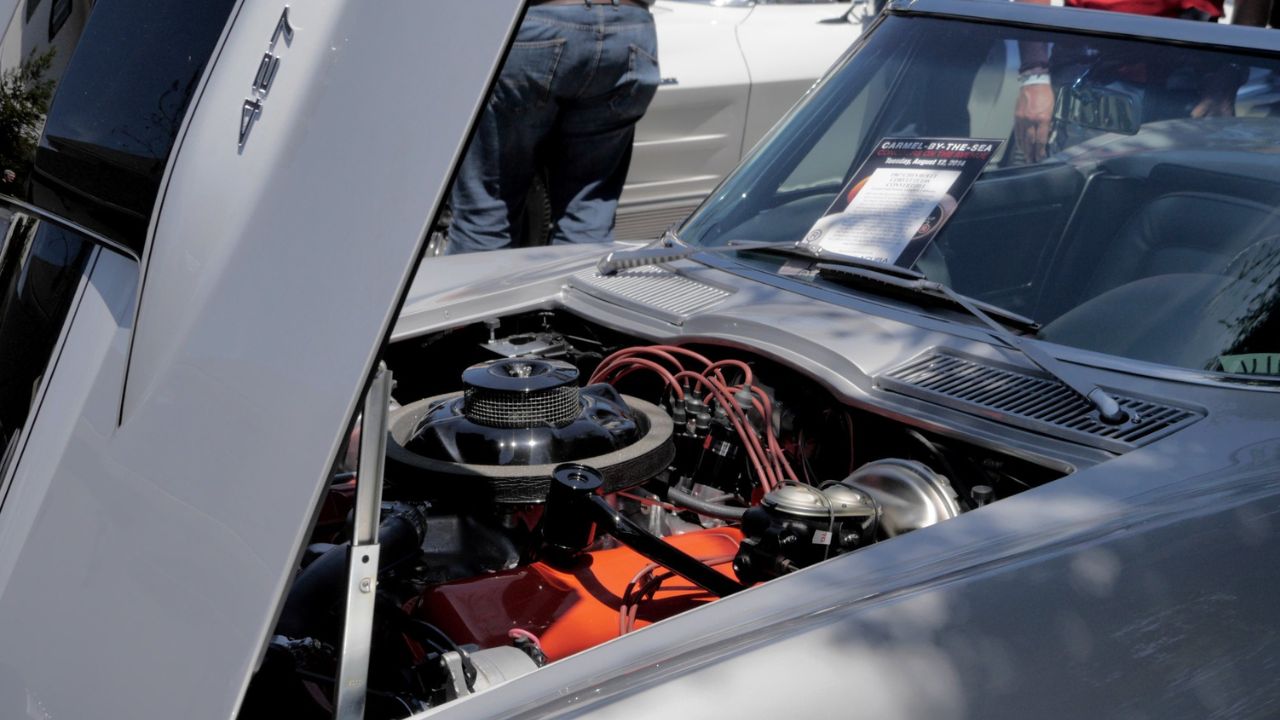
The LS engine, originally designed for General Motors’ vehicles in the late 1990s, has transcended its initial purpose to become the most popular swapped powerplant in automotive history. Its remarkable blend of performance, adaptability, and cost-effectiveness has captured the hearts of car enthusiasts and builders around the globe. From classic muscle cars to modern street machines, the LS engine has established itself as the go-to choice for engine swaps, thanks to its powerful performance and wide availability.
The Genesis of the LS Engine
The LS engine family debuted in 1997 with the introduction of the Chevrolet Corvette C5, marking a significant departure from the traditional small-block V8 engines that had been the backbone of GM’s performance lineup for decades. The LS engine was designed using advanced technologies, including a lightweight aluminum block and improved cylinder head designs, which provided better airflow and higher compression ratios. This modern architecture allowed for improved efficiency and performance, making it a standout option in the automotive world.
Compared to its predecessors, such as the classic small-block 350 and the 383 stroker, the LS engine offered substantial advancements in terms of power-to-weight ratio and fuel efficiency. The initial LS1 engine produced up to 345 horsepower and 350 lb-ft of torque, which was a remarkable figure at the time. Other models, such as the Silverado and GTO, soon adopted variations of this engine, further solidifying its reputation within the automotive community.
Design and Performance Features
The LS engine is renowned for its lightweight aluminum construction, which significantly reduces the overall weight of the vehicle, improving handling and performance. The design is characterized by a deep-skirt block, which enhances durability, and a compact size that allows for versatile installation in various vehicle platforms. This engineering brilliance not only contributes to the engine’s longevity but also its ability to handle increased power outputs from aftermarket modifications.
Performance enthusiasts are drawn to the LS engine’s potential for power. Stock configurations can exceed 400 horsepower, and with modifications such as upgraded camshafts, turbochargers, and headers, the power output can soar to over 1,000 horsepower in some builds. Furthermore, the LS engine is compatible with various fuel types, including E85 and methanol, which adds to its versatility. This adaptability, combined with a thriving aftermarket support network, makes the LS engine a favorite among tuners and builders alike.
The Swapping Phenomenon
The adaptability of the LS engine has led to its widespread popularity in engine swaps. It can be fitted into a vast array of vehicles, from classic muscle cars like the 1967 Chevrolet Camaro to more modern applications such as the Nissan 240SX. This flexibility is largely attributed to its compact size and the availability of conversion kits that ease the installation process. Builders are often amazed at how seamlessly the LS engine can transform the character of a vehicle, providing modern power and reliability while retaining classic aesthetics.
Online communities and forums play a pivotal role in promoting the LS swap phenomenon. Websites like Hagerty and dedicated Facebook groups are filled with enthusiasts sharing their experiences, tips, and success stories. Notable examples include the LS-swapped Ford Mustang and the Miata, both of which have gained a cult following due to their incredible performance and unique builds. The community-driven knowledge base encourages others to take the plunge into LS swaps, further fueling the engine’s popularity.
Economic Factors Behind LS Swaps
One of the most appealing aspects of choosing an LS engine for a swap is its cost-effectiveness. Compared to other performance engines, LS engines are relatively affordable and widely available at salvage yards across the country. The prices for used LS engines can range from $500 to $3,000, depending on the variant and condition, making it a budget-friendly option for many builders. This affordability allows enthusiasts to allocate more of their budget toward other modifications, enhancing the overall performance of their builds.
Additionally, the extensive availability of aftermarket parts and performance upgrades has made it easier for builders to customize their LS engines. From high-performance camshafts to turbo kits, the options are nearly limitless. This accessibility not only makes LS swaps financially viable but also adds value to classic cars, which often appreciate with the addition of a modern, reliable engine. As classic car prices continue to rise, the LS swap can provide a substantial return on investment, making it an attractive option for those looking to enhance their vehicle’s performance.
The Influence of Motorsports
The LS engine’s presence in professional racing has further solidified its reputation as a performance powerhouse. It has become a staple in various motorsport disciplines, including NASCAR and drag racing. The engine’s reliability and performance characteristics make it a popular choice for teams looking to gain a competitive edge. For example, the successful racing team Jimmie Johnson utilized LS-based engines to secure multiple championships in NASCAR, showcasing the engine’s capabilities in high-pressure environments.
These motorsports successes have fueled the interest in LS swaps among enthusiasts. Many builders seek to replicate the power and performance seen on the track in their own street or track vehicles. The thrill of a high-performance LS engine can be found in many grassroots racing events, where enthusiasts test their builds against others in a bid for glory. The connection between motorsports and the LS engine has created a feedback loop, inspiring more builders to undertake swaps and push the boundaries of performance.
Cultural Impact and Community Adoption
The LS engine has become a cultural icon within the automotive community, representing the spirit of customization and performance. Events such as LS Fest and local car meetups dedicated to LS-powered vehicles attract enthusiasts from all walks of life. These gatherings provide a platform to showcase unique builds, share knowledge, and celebrate the shared passion for the LS engine. From classic cars to modern imports, the diversity of LS swaps is a testament to the engine’s versatility and appeal.
Notable builders and influencers, like Chris Forsberg and the team at Roadkill, have helped elevate the LS swap trend to new heights. Their engaging content showcases innovative builds and creative applications of the LS engine, inspiring countless others to explore the possibilities. As the LS engine continues to gain traction in popular culture, it remains a symbol of what can be achieved through passion and creativity in automotive customization.
Comparing LS to Other Engine Platforms
While the LS engine enjoys a strong following, it does face competition from other performance engines, such as the Ford Coyote and GM’s own LT series. Each platform has its advantages and disadvantages, which builders must consider when planning their swaps. The Ford Coyote, for example, is known for its high-revving capabilities and advanced technology, but it often comes with a higher price tag and limited aftermarket support compared to the LS engine.
On the other hand, the LT series offers several modern features, including direct injection and variable valve timing, which can enhance performance and efficiency. However, the LT’s complexity can deter some builders, as it may require more extensive modifications for a successful swap. Ultimately, the choice between LS and other engine options depends on the builder’s goals, budget, and desired performance characteristics. Resources like Driving Line provide valuable insights to help enthusiasts make informed decisions.
The Future of LS Swaps
The automotive industry is constantly evolving, and trends such as electrification and hybrid technology are beginning to influence the popularity of engine swaps. While the LS engine has held its ground in the face of these advancements, it’s essential to remain aware of how the market may change in the coming years. As manufacturers invest in electric and hybrid alternatives, the future of traditional combustion engines, including the LS, may be challenged.
However, LS engines are not standing still. Innovations in LS technology, such as improved fuel efficiency and emissions control, are being developed to keep the engine relevant in an increasingly eco-conscious market. Furthermore, the LS platform has proven to be highly adaptable, allowing builders to create hybrid setups that combine the best of both worlds. As enthusiasts continue to innovate and push the boundaries of performance, the legacy of the LS engine is likely to endure.
Success Stories and Notable Projects
Across the automotive landscape, countless standout builds featuring LS engine swaps demonstrate the creativity and engineering prowess of enthusiasts. One notable project is the LS-swapped Mazda RX-7, which showcases how a lightweight chassis can be paired with the power of an LS engine to achieve remarkable performance. Builders have also taken to creating unique combinations, such as LS engines in classic imports like the Toyota Supra, proving that the LS engine can thrive in diverse settings.
Interviews with builders like Mike Finnegan, who transformed a classic Chevrolet pickup into an LS-powered performance truck, reveal the passion and dedication that goes into these projects. Finnegan’s build not only highlights the potential of the LS engine but also serves as an inspiration for others considering engine swaps. The ongoing legacy of the LS engine in the world of automotive customization continues to inspire enthusiasts and builders alike, ensuring that it remains an integral part of automotive culture for years to come.
More from Fast Lane Only
- Unboxing the WWII Jeep in a Crate
- 15 rare Chevys collectors are quietly buying
- 10 underrated V8s still worth hunting down
- Police notice this before you even roll window down
*Research for this article included AI assistance, with all final content reviewed by human editors.