Across more than a century of automotive history, a handful of engines have earned reputations for surviving abuse, neglect, and astronomical odometer readings. The most durable designs share a common philosophy: conservative engineering, robust materials, and a focus on reliability over headline power figures. Looking at those long-lived powerplants reveals how thoughtful design choices can keep an engine in service for decades.
What makes an engine truly durable?
When I talk about durability, I am not just describing an engine that avoids breakdowns for a few years, but one that can realistically reach 250,000 miles or more with basic maintenance. Modern lists of long-lasting powerplants consistently highlight engines that are under-stressed, with modest specific output and strong internal components that can tolerate heat, vibration, and imperfect servicing. Guides to Common Car Engine Types point out that layouts like inline-fours, V6s, and V8s can all be durable if they are not pushed to the edge of their design envelope and if cooling and lubrication systems are generously sized.
Durability also depends on how much complexity engineers choose to add. Reports on Mechanical “bulletproof” diesels stress that the longest-lived designs often avoid fragile electronics, high-pressure fuel systems, and intricate variable-geometry hardware. Instead, they rely on mechanical injection, simple valvetrains, and conservative boost levels. That same philosophy shows up in gasoline engines that are celebrated for longevity, where naturally aspirated designs with straightforward timing chains or belts and non-exotic materials tend to outlast more sophisticated but delicate alternatives.
Japanese overengineering and the 250,000 mile club
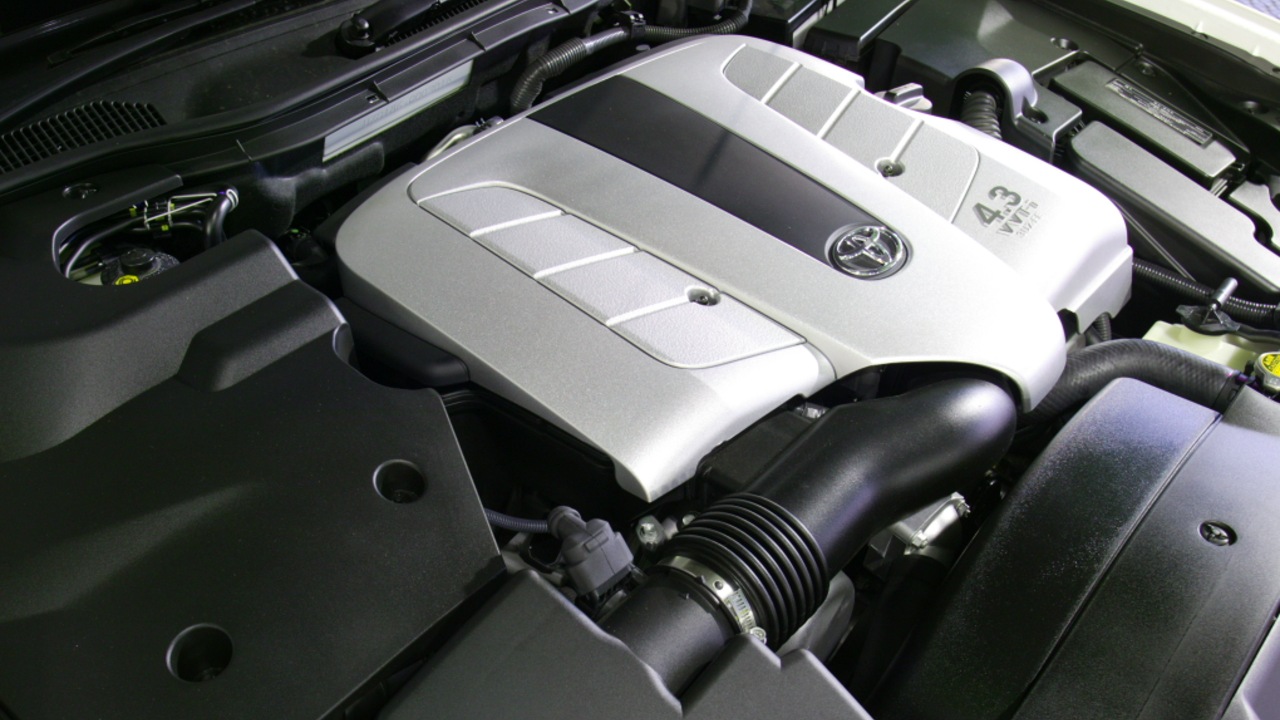
Few countries are as closely associated with long-lived engines as Japan, and that reputation is not accidental. Analyses of the Top Reliable Engine Manufacturers repeatedly place Toyota and Honda at the top, crediting them with cast-iron blocks, generous oil capacity, and cooling systems designed for harsh climates. Engines like Toyota’s truck and SUV V8s are described as overbuilt for their power output, which means internal stresses stay low even when towing or climbing steep grades. That approach helps explain why so many of these vehicles are still running in demanding roles long after their original owners moved on.
Recent breakdowns of engines that routinely reach 250,000 miles or more highlight how this philosophy plays out in practice. One analysis invites readers to Follow a list of powerplants that “most commonly make it to 250,000 miles or greater,” with Toyota engines heavily represented. The pattern is clear: naturally aspirated four and six cylinder units with conservative compression ratios, robust timing components, and a track record in both passenger cars and light trucks. Honda’s long-running four cylinder families show similar traits, pairing efficient combustion with simple, durable architecture that tolerates high mileage without catastrophic failures.
American iron that refuses to die
Durability is not just a Japanese specialty, and some of the most storied long-lived engines were cast in American foundries. Classic V8s and straight-sixes from Detroit are frequently cited in discussions of powerplants that “will last forever,” with one video on 300,000 miles American engines noting how certain truck motors routinely cross that threshold. These engines often share thick cast-iron blocks, forged or heavy-duty rotating assemblies, and low specific output that keeps internal stress modest even under heavy loads. Owners tell similar stories of old pickups that still start every morning despite odometers that long ago rolled past six figures.
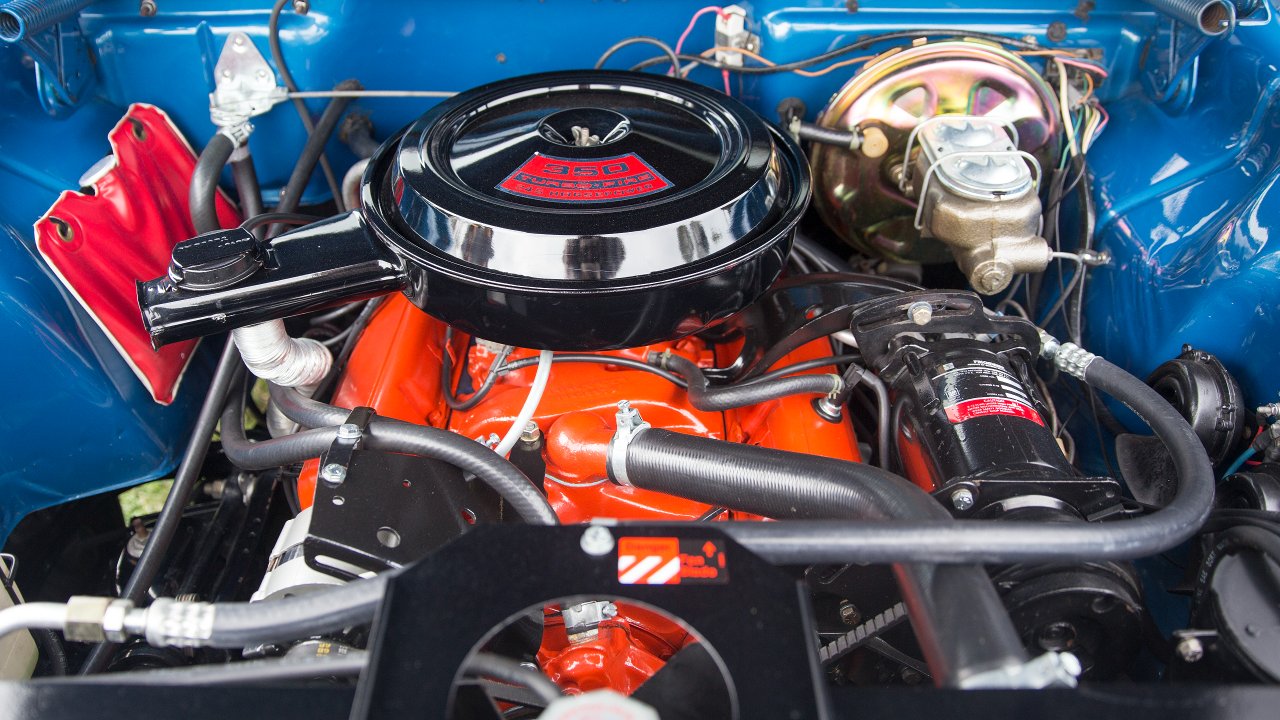
Lists of the 7 Most Reliable American Car Engines of All Time and other enthusiast roundups repeatedly highlight big-displacement pushrod V8s and simple inline engines that powered family sedans and work trucks for decades. A separate ranking of the The Best Car Engines of All Time singles out the Small, Block, Chevrolet as an iconic American design that combined compact packaging with remarkable toughness. Sold in more than 100 million units, that small-block V8 proved adaptable to everything from grocery-getters to race cars, and its longevity in daily use helped cement its reputation as one of the most durable engines ever built.
Diesel workhorses and the “bulletproof” ideal
Diesel engines occupy a special place in any discussion of longevity, because their basic operating principles encourage overbuilt components and long service lives. Heavy-duty diesels designed for trucks and industrial use often run at relatively low engine speeds with stout crankshafts, thick cylinder walls, and high-capacity lubrication systems. Technical discussions of bulletproof diesel engines emphasize that the most durable examples rely on Mechanical injection pumps and avoid complex electronics, variable-geometry turbochargers, or delicate emissions hardware that can fail long before the core engine wears out.
Historical context reinforces how transformative durable diesel designs have been. Accounts of the engines that reshaped the industry point to Rudolf Diesel, who ran the first successful diesel engine in 1897, as the starting point for a lineage of long-lived compression ignition powerplants. Later, passenger car diesels such as the Mercedes, Benz W114 and W115 300D became known for running hundreds of thousands of miles with only routine maintenance, a reputation reflected in modern retrospectives that list the 115 series among engines that changed the automotive landscape. These diesels were not fast, but their ability to outlast the bodies around them made them legends in taxi fleets and among high-mileage drivers.
Iconic long-lived designs across eras
Some engines are so durable that they become shorthand for reliability in enthusiast circles. One such example is the Chrysler Slant, Six, Engine, a canted inline-six that powered models like the Plymouth Valiant Signet, Convertible Chrysler Slant cars for years. Analyses of the most reliable engines highlight how this design used a simple overhead-valve layout, a rugged bottom end, and generous cooling passages to survive neglect and abuse. In period, it was not unusual for Slant Six powered sedans and pickups to rack up 200 thousand miles or more with only basic servicing, a figure that modern retrospectives still cite when ranking most reliable engines.
Other long-lived designs span continents and fuel types. Overviews of most reliable engines and most reliable car engines bring together Japanese four cylinders, American V8s, and European diesels that all share a bias toward simplicity and robust construction. Video features on Car Engines That Will Last FOREVER and lists of most reliable engines converge on the same conclusion: the designs that keep running decade after decade are rarely the most exotic or powerful. Instead, they are the engines whose engineers prioritized thick metal, straightforward layouts, and margins of safety that look almost old-fashioned in an era of turbocharged downsizing.
Brands that consistently build long-lasting engines
While individual engines earn cult followings, some manufacturers have built entire reputations on durability. Surveys of Top Reliable Engine Manufacturers consistently highlight Toyota, Honda, General Motors, and More as companies whose powertrains routinely outlast the vehicles around them. Toyota’s truck and SUV engines, Honda’s naturally aspirated fours, and GM’s long-running pushrod V8s all show up in rankings of engines that reach 250,000 miles or more. That pattern suggests a corporate culture that values conservative engineering and long-term durability, not just short-term performance or efficiency gains.
Brand-level reliability is not limited to those names. A breakdown of these brands build the most reliable engines points to Ford, with its Found On Road Very Much Alive slogan, and highlights the 5.0 liter naturally aspirated V8 in the Ford Mustang Ford as an example of a modern engine that balances performance with longevity. Commentators note that, Obviously, no engine is indestructible, but when multiple independent lists converge on the same manufacturers and families of engines, it reinforces the idea that durability is a deliberate design choice rather than a happy accident.