China is moving to outlaw the sleek, flush door handles popularized by Tesla, turning a once futuristic design flourish into a regulatory liability. The decision, framed squarely as a safety measure, will force global and domestic carmakers to rethink how drivers and rescuers get into modern vehicles. It also signals how far regulators are now willing to go when design and digital features collide with basic crash survivability.
At the center of the shift is a new national standard that targets fully hidden and retractable handles, the kind that sit flush with the bodywork and extend only when the car senses a key or a touch. What began as a hallmark of premium electric models is now being recast as a risk that China’s authorities no longer want on the road.
What exactly China is banning
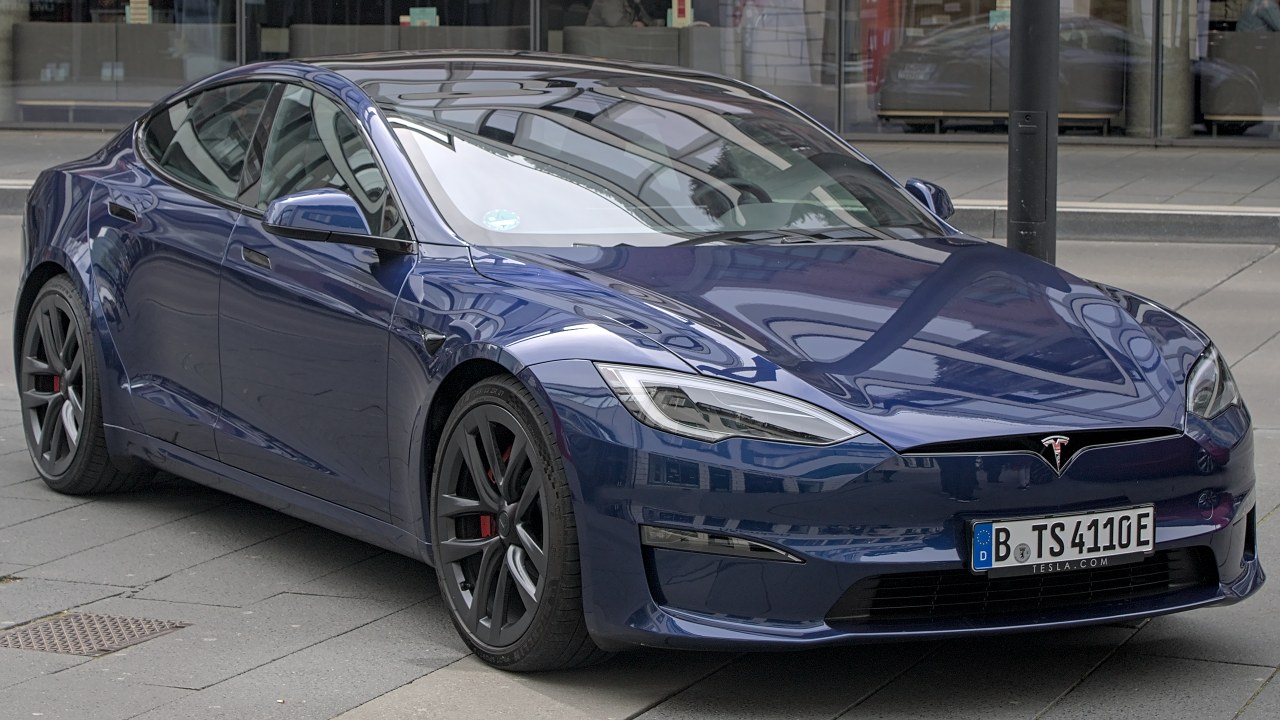
The core of the crackdown is a proposed standard from China’s Ministry of Industry and Information Technology that would prohibit fully hidden exterior door handles on new vehicles. Regulators are focusing on designs that sit flush with the door skin and rely on electric motors or complex linkages to present themselves, a configuration that has become closely associated with Tesla and other high end electric cars. According to the ministry’s draft, these handles are treated as a “design feature” that may look futuristic but complicate basic access in emergencies, especially when power is lost or electronics fail.
Reporting on the draft rules describes a clear intent to remove fully retractable handles from the Chinese market, with automakers given a transition period of about one year to adapt. The final text of the new handle standards is expected to be completed within a short window, after which the ban on fully retractable designs will apply to new models sold in China. Officials are not targeting every modern handle, but they are drawing a bright line around systems that cannot be operated in a simple, mechanical way from outside the car when the vehicle is unpowered.
Safety failures behind the crackdown
Chinese regulators are not acting on aesthetics alone. Tests in China have shown that retractable electric handles fail more often than traditional mechanical ones when a vehicle loses power, precisely the moment when occupants may be trapped and rescuers need fast access. In controlled evaluations, these systems have been found to remain retracted or become stuck, forcing rescuers to break glass or use tools instead of simply pulling a handle. That pattern of failure has turned what was marketed as a convenience feature into a potential hazard in high stress situations.
The concern is not theoretical. Safety officials have highlighted cases in which occupants struggled to exit vehicles with flush handles after collisions or fires, and where bystanders could not quickly figure out how to open the doors from the outside. In parallel, the United States National Highway Traffic Safety Administration has opened a probe into the handles on the Tesla Model Y after reports that drivers could not escape during incidents involving fire. Chinese policymakers are now pointing to these kinds of failures as justification for a more aggressive regulatory stance, arguing that any feature that complicates escape routes has no place on mass market cars.
Why Tesla-style handles became a target
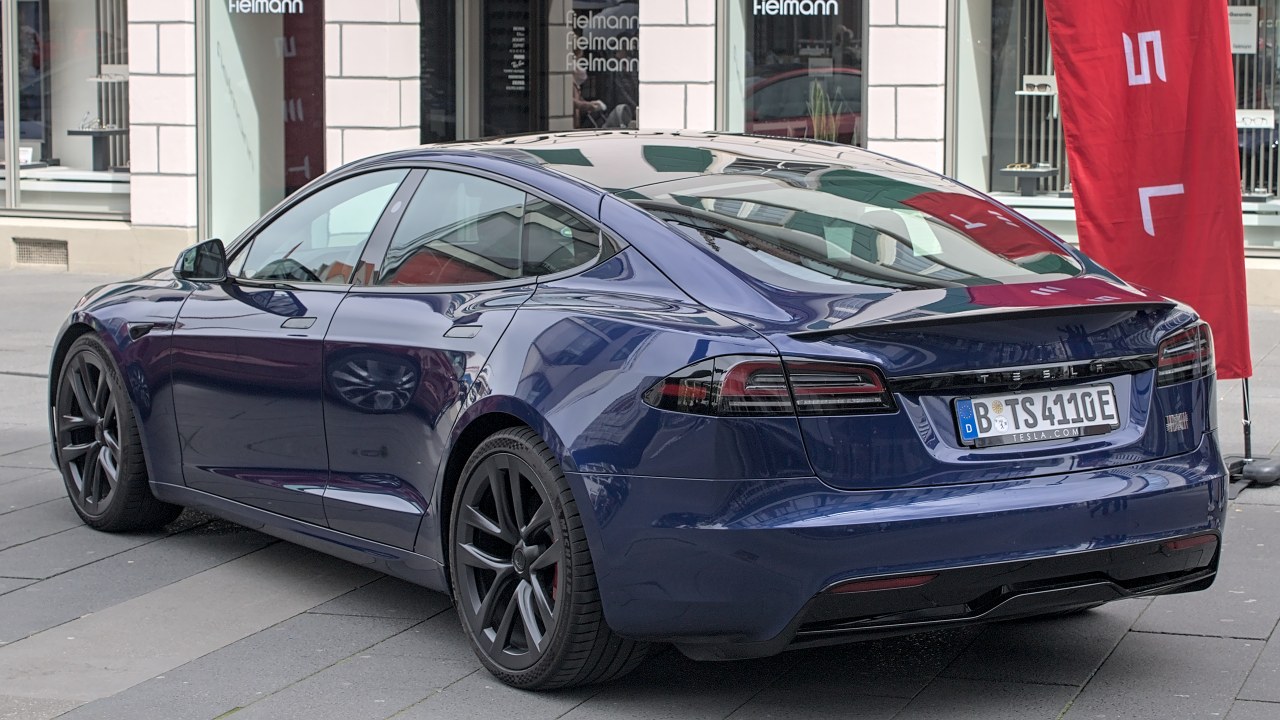
Flush, retractable handles became a signature of Tesla’s design language, signaling minimalism and aerodynamic efficiency. The idea was simple: when the car is locked or in motion, the handles sit flat against the body, reducing drag and visual clutter, then extend when the driver approaches. Other manufacturers followed, especially in the electric segment, where every watt of efficiency is prized and futuristic styling helps justify higher prices. In China, a wave of new energy vehicles adopted similar hardware, turning the retractable handle into a shorthand for high tech sophistication.
Yet industry voices inside China have started to question whether the trade offs make sense. Great Wall Motor chairman Wei Jianjun has argued that hidden handles offer only minimal aerodynamic benefit while increasing weight, noise and safety risks. That critique undercuts one of the main rationales for the feature and aligns with regulators’ view that the marginal gains do not justify the added complexity. When a senior executive at a major domestic automaker publicly dismisses a fashionable technology as more trouble than it is worth, it becomes easier for authorities to move against it without appearing hostile to innovation.
How the new rules will reshape car design
The impending ban will force both Chinese brands and global players to redesign door systems for any models they want to keep selling in the country. Automakers will need to ensure that exterior handles remain visible and can be operated mechanically, even if they still integrate sensors or soft touch surfaces. That likely means a return to more conventional pull handles or at least partially exposed levers that can be grasped without waiting for a motor to deploy them. For companies that built entire design identities around smooth, handle free flanks, this is not a trivial change.
China is giving manufacturers a transition period of roughly one year to comply, which is short in automotive development terms but long enough to retrofit existing platforms with revised hardware. Some brands may respond with region specific handle designs, keeping retractable systems in markets that still allow them while offering more traditional hardware in China. Others may decide that maintaining two separate solutions is not worth the cost and move globally to a simpler, regulation friendly design. Given China’s scale as the world’s largest car market, I expect the latter approach to become more common, effectively exporting Beijing’s safety preferences to other regions.
Global ripple effects and the future of “smart” doors
China’s move lands at a moment when regulators elsewhere are already scrutinizing advanced door systems. The National Highway Traffic Safety Administration’s investigation into the Tesla Model Y’s handles, launched after reports of drivers unable to exit during fires, shows that concerns about complex access mechanisms are not confined to one country. Opinion writers have framed China’s decision as an example of a regulator willing to act decisively on a specific design risk while others are still gathering data. If the Chinese ban proves effective at reducing entrapment incidents, it will strengthen the case for similar rules in other major markets.
For the broader industry, the message is that “smart” cannot come at the expense of obvious, low tech escape routes. I expect to see a new generation of door hardware that blends visible, mechanical levers with electronic convenience features, such as soft close and keyless entry, but always preserves a clear manual override. China’s standards are likely to codify that principle by requiring that doors be able to open manually from outside and inside even when the vehicle has no power. In that sense, the crackdown on Tesla style handles is less a rejection of innovation than a reset, reminding designers that the most advanced car in the world still needs a handle anyone can grab in a panic.
More from Fast Lane Only: