Manual transmissions have quietly become a niche skill, yet the drivers who still use them tend to be more attentive, more mechanically aware, and more in control of their cars. Operating a clutch and gear lever forces you to manage speed, traction, and engine power with your own hands and feet instead of outsourcing everything to software. That extra layer of involvement is exactly why driving a stick shift often produces safer, more capable drivers rather than just nostalgic enthusiasts.
Control, awareness, and the mechanics of real car control
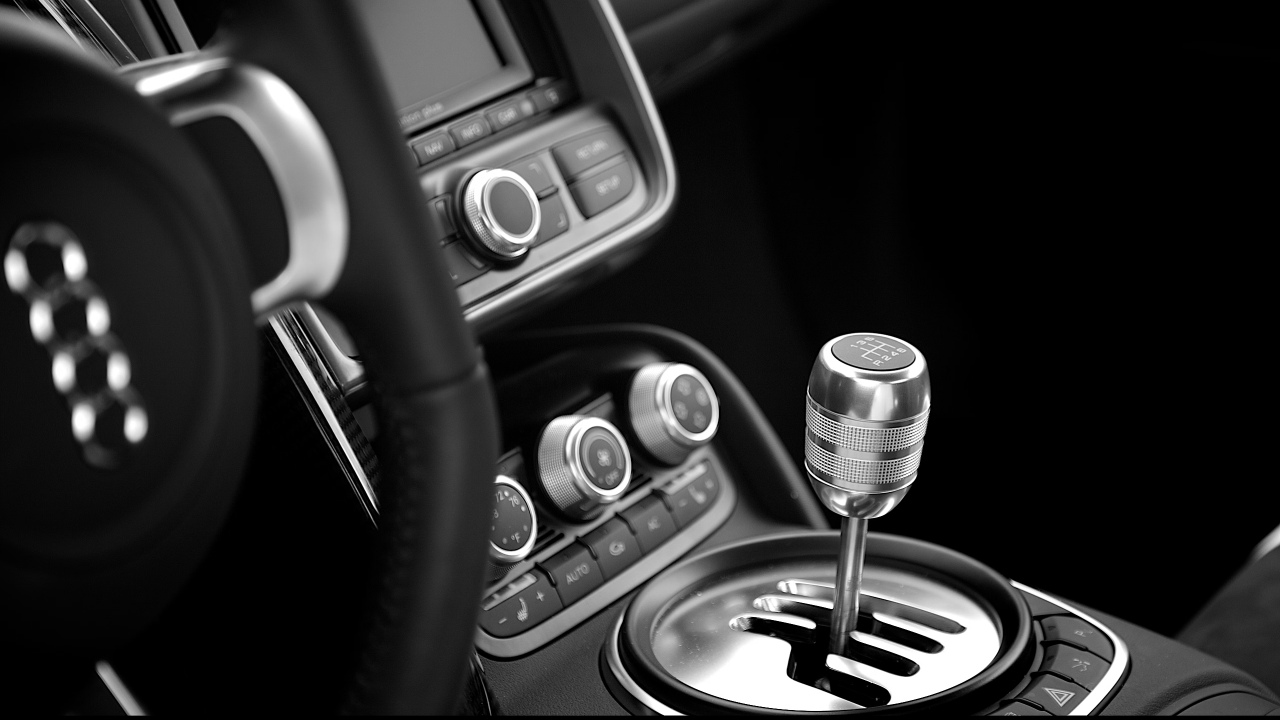
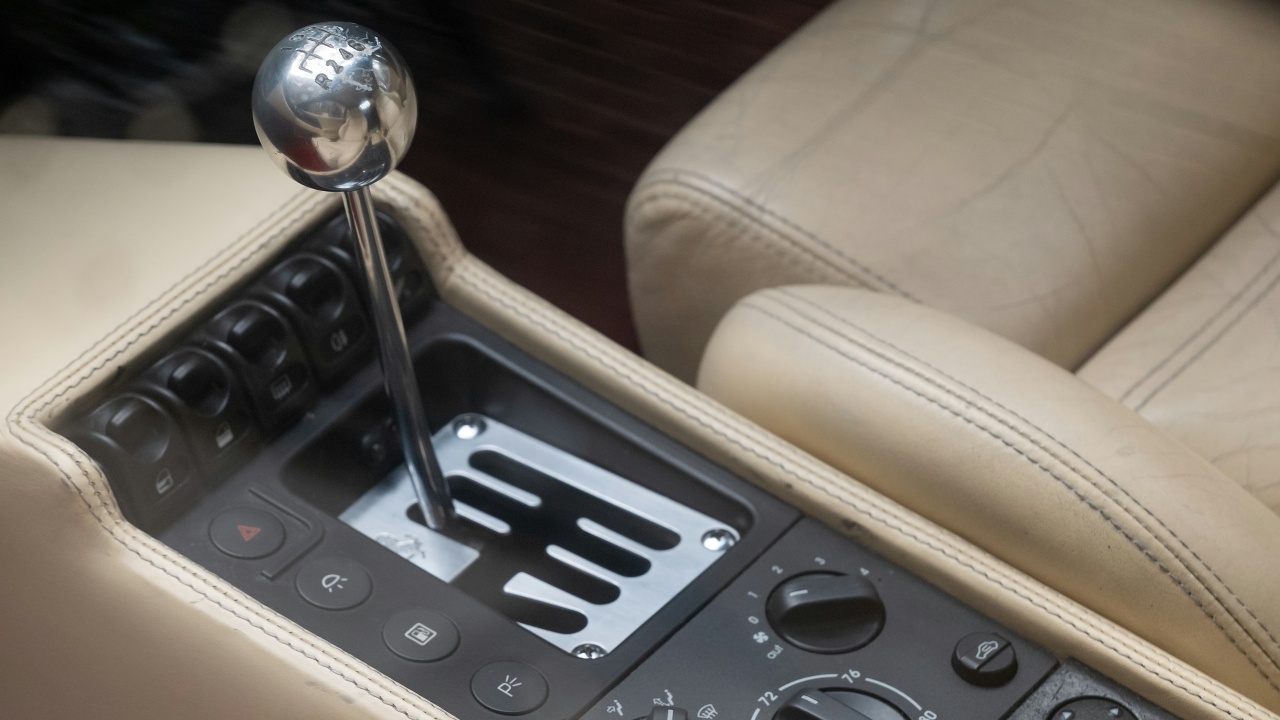
Superior driving starts with control, and a stick shift hands that control back to the person behind the wheel. Instead of a computer deciding when to change gears, you choose the exact moment to upshift for fuel economy or hold a lower gear for power, which is why advocates for teen drivers list “Control” as the first benefit when they outline key “Reasons To Drive” a manual. Learning to coordinate clutch, throttle, and gear selection trains you to feel how the car responds as you accelerate, slow down, or manage a hill, a level of feedback that automatic transmissions deliberately smooth out. Drivers who learn this way quickly understand how engine speed, road speed, and traction interact, which is the foundation of confident driving in bad weather, on steep grades, or in heavy traffic.
That mechanical connection also builds what some instructors call “car sympathy,” the instinct to treat the machine in a way that preserves brakes, clutch, and engine rather than abusing them. Reporting on what a stick shift teaches that an automatic never will notes that the transmission is an essential part of the driving experience and that manual drivers tend to develop a more nuanced sense of how their car works, from power delivery to engine braking, especially as summarized in the “What Driving” and “Stick Shift Teaches You That An Automatic Never Will” coverage that references the EPA Automotive Trends data. When you are the one choosing the gear, you feel immediately if you lug the engine at low rpm or over-rev it, and you notice how smoothly or harshly the drivetrain responds. That feedback loop encourages smoother inputs and better judgment, habits that carry over even when manual drivers later switch into automatics.
Focus, engagement, and fewer bad habits
Modern cars make it easy to treat driving as background noise, but a manual transmission demands your full attention. One analysis framed it bluntly under the phrase “Requiring Drivers’ Undivided Attention To Operate,” explaining that because operating a manual transmission requires more actions and timing, it forces you to keep your focus on the road, your surroundings, and the car’s behavior. You cannot casually scroll a phone or drift mentally when you are constantly preparing for the next shift, listening to engine speed, and planning how to merge or exit. That extra cognitive load sounds like a burden, yet it functions like mental strength training, similar to how go-kart racing research describes “Each turn” and split-second maneuvering as a way to sharpen concentration that later benefits other parts of life.
That engagement also makes driving feel less like a chore and more like an activity you actively manage, which reduces the temptation to zone out. A list of “REASONS WHY PEOPLE PREFER TO DRIVE” manuals highlights the emotional connection and feeling “more engaged” as a primary draw, arguing that the driver is not just a passenger issuing vague commands to a computer but a participant who must anticipate traffic and road conditions. Another guide on “Mastering the Manual” and “How” to “Drive” a “Stick Shift Car” describes manual driving as a rite of passage that keeps you mentally present because you are always choosing the right gear for power delivery. In practice, that means manual drivers are more likely to notice subtle changes in traffic flow, road surface, or weather, and less likely to fall into the kind of autopilot that leads to rear-end collisions or missed signals.
Safer habits and better emergency skills
The discipline that comes with shifting your own gears tends to translate into safer habits, especially for newer drivers. Advocates for teen instruction argue that “Teen Drivers” should learn to drive a stick because it gives them more “Control” over speed and forces them to think ahead instead of reacting late. Another training program that lists “5 Advantages of Learning How To Drive Stick Shift” notes that after a driver has mastered an automatic, moving to a manual is a “next-level” skill that helps them really “experience the road,” which includes learning to manage engine braking, anticipate hills, and maintain safe following distances. When you know you cannot instantly mash the throttle to escape a bad decision, you naturally leave more space, plan lane changes earlier, and respect the limits of traction.
Manual training also improves emergency capability. A safety-focused guide that explains “Why Learning Stick Shift Lessons Is Today’s Demand For Safe Driving” lists several concrete benefits, including that it “Reduces the” chance of “uncertain events,” builds the “Ability” to “drive just about anything,” and means you “Can” access more vehicles in a crisis, from older pickups to small delivery vans. If a family only has a manual car available during an evacuation or medical emergency, the person who can operate a clutch is the one who can move it. Online discussions echo this practical edge, with drivers in a “Comments Section” about whether manual has made them better noting that they tend to speed less, brake earlier, and treat green lights as cues to move smoothly rather than drag race, habits that align closely with what safety instructors try to instill.
Efficiency, simplicity, and the skill to drive anything
Being a better driver is not only about reaction time, it is also about understanding efficiency and maintenance. Technical breakdowns of manual advantages point out that you “Get Better Fue”l economy when you can keep the engine in its most efficient range instead of relying on an automatic’s programming, especially in older or simpler cars. Another overview of the “Top 6 Advantages of a Manual Transmission” notes that manuals are “Easier” to “Maintain” because they have fewer complex components, and that they give “More Control” over the engine’s torque and power. When you feel directly how a higher gear reduces revs on the highway or how a lower gear helps slow the car without riding the brakes, you naturally adopt smoother, more economical driving patterns that reduce wear and fuel use.
That simplicity also makes manual drivers more versatile. A guide titled “Why You Should Learn” to “Drive Stick” emphasizes that “One of the” main advantages of manuals is their reliability and the way they make driving more dynamic and responsive, especially in smaller, cheaper cars that do not hide their mechanical character. Another manual-focused blog that lists “12 REASONS WHY PEOPLE PREFER TO DRIVE” stick shift points out that “cheap and simple cars are” often manual, and that learning on them means you can hop into a wide range of vehicles without hesitation. A widely shared discussion on whether there is any benefit to driving a manual car sums it up with the simple claim “You have more control over the car,” explaining that “You” can accelerate faster or slower and slow down more easily by choosing gears, which is exactly the kind of nuanced control that separates a merely competent driver from a truly skilled one.
Why the skill still matters in an automatic world
Even in markets where automatics dominate, instructors argue that the manual skill should not disappear. An Australian explainer that asks whether “There” is a reason “Aussi” drivers should still learn manual notes that manuals have become an informal anti-theft device because fewer people can operate them, but stresses that this does not mean the skill should vanish. Instead, it frames manual driving as a foundational competence, like learning to swim even if you mostly use a life jacket. Another training resource that starts with “After” you have mastered an automatic suggests that learning stick is a logical progression that deepens your understanding of road feel and vehicle dynamics, rather than an obsolete party trick.
That perspective is reinforced by more recent analysis of what manual driving teaches that automatics do not. Coverage under the banner “What Driving” and “Stick Shift Teaches You That An Automatic Never Will” argues that manual drivers develop a richer sense of mechanical sympathy and a more direct relationship with the car’s powertrain, a point supported by references to the EPA Automotive Trends data on how different drivetrains behave. A technical blog on “Mastering the Manual” and how to “Drive” a “Stick Shift Car” adds that manual drivers must constantly choose the right gear for “better power delivery,” which keeps them tuned into traction, load, and speed in a way that automatic drivers can easily ignore. Put together, the reporting suggests that while anyone can operate an automatic, the drivers who learn to manage a clutch and shifter build deeper skills in control, focus, and mechanical understanding, which is exactly what separates a merely licensed motorist from a genuinely capable one.
More from Fast Lane Only: