By the time jets arrived in force, the Korean War was already being shaped by piston-engined aircraft doing jobs the new turbines couldn’t handle. From low-level ground attack to close air support, these workhorses flew through gunfire, hauled bombs, and often came home full of holes. These weren’t relics—they were frontline machines. Here’s a look at 10 piston-powered planes that held the line.
F4U Corsair kept flying long after WWII

The Chance Vought F4U Corsair proved it wasn’t just a World War II fighter. In Korea, it flew thousands of sorties in a ground-attack role, thanks to its rugged frame and massive 2,000+ hp Pratt & Whitney R-2800 engine. Armed with six .50 cals or four 20mm cannons, the Corsair could carry bombs, rockets, and napalm.
Its long nose and gull wing made it recognizable even as it dove in on targets. Pilots respected its speed—up to 446 mph—and its ability to absorb punishment. While jets ruled the skies, the Corsair helped rule the battlefield below.
A-1 Skyraider delivered firepower all day

The Douglas A-1 Skyraider didn’t look fast, and it wasn’t. But it could carry more than some World War II bombers—up to 8,000 pounds of ordnance. Powered by a Wright R-3350 radial engine, it topped out at around 320 mph, which was enough when you needed to loiter over a target.
The Skyraider earned its stripes with long missions, tight turns, and relentless fire support. Its four 20mm cannons and massive payload made it a favorite of ground troops. Even after jets took over the air superiority role, the A-1 stuck around as the muscle behind the infantry.
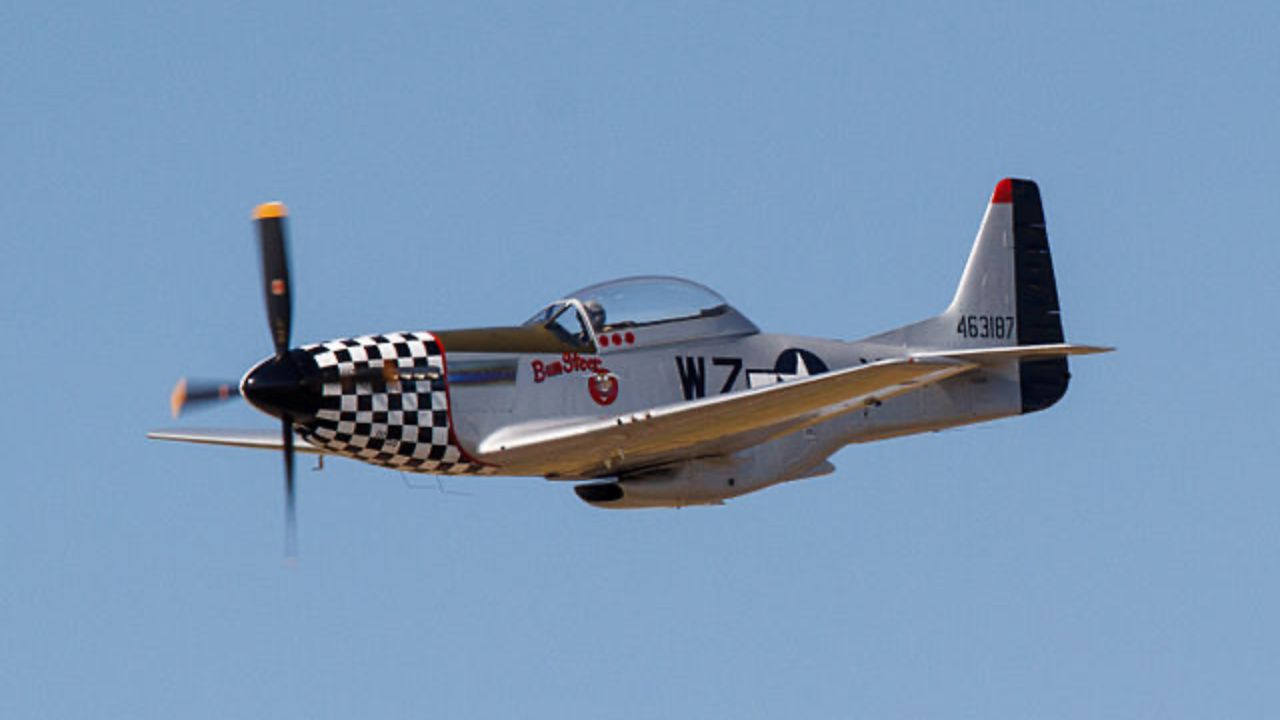
P-51 Mustang got a second act
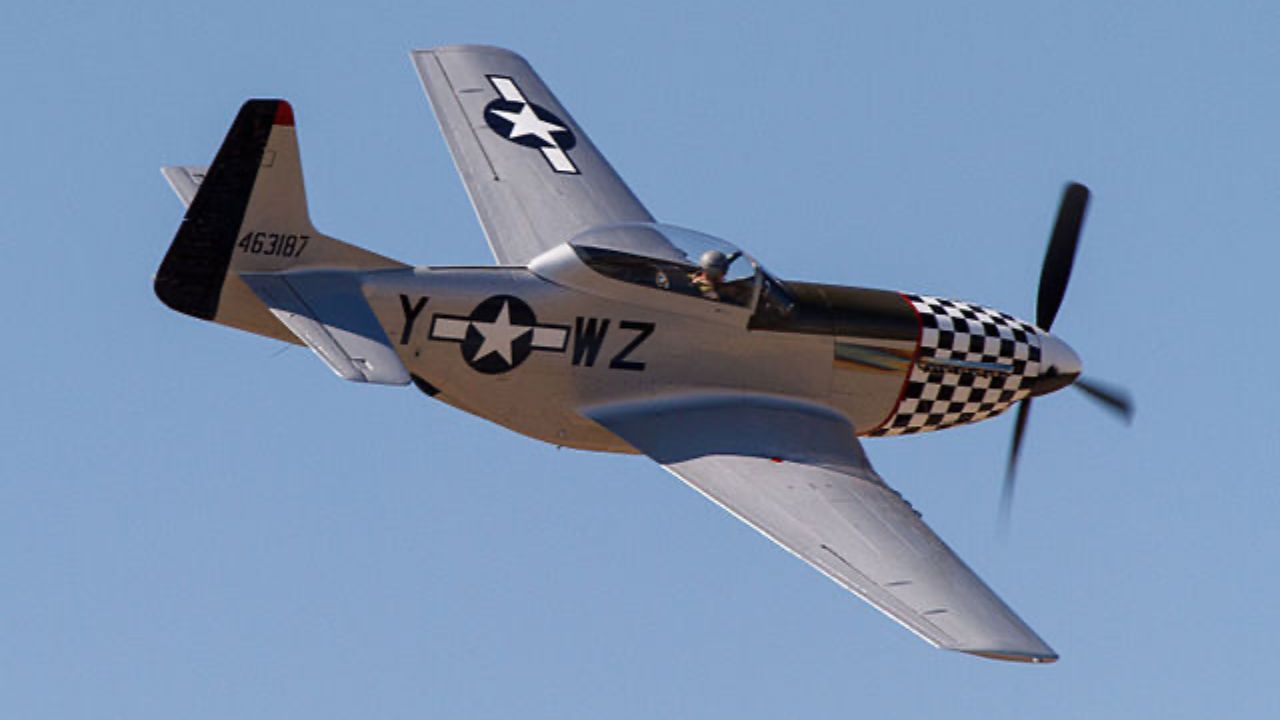
By Korea, the North American P-51 Mustang wasn’t the fastest thing in the air, but it was still reliable, lethal, and easy to maintain. The Mustang’s Packard-built Merlin V-1650 engine gave it over 1,400 hp and a top speed around 440 mph. In Korea, it mainly flew ground-attack missions.
Equipped with six .50 caliber guns and underwing rockets or bombs, it excelled at supporting troops and hunting enemy vehicles. Pilots liked its handling and range—up to 1,650 miles with tanks. Despite being outclassed by jets, the Mustang remained a threat on the deck.
B-26 Invader worked the night shift

Douglas’s B-26 Invader (not to be confused with the WWII Marauder) flew most of its missions at night in Korea. Twin Pratt & Whitney R-2800 engines pushed it past 350 mph, and with 14 .50 caliber guns in later models, it could light up an enemy convoy or supply train in a hurry.
It was fast for a bomber, and it could carry over 6,000 pounds of ordnance. The B-26 was used for interdiction missions—hitting roads, bridges, and trains behind enemy lines. Its success rate was high, but the missions were risky and required precise coordination in the dark.
F8F Bearcat didn’t get much airtime

Grumman’s F8F Bearcat was one of the fastest piston fighters ever built—over 455 mph from a Wright R-2800 engine. It entered service just as WWII ended, so by Korea, it was mostly phased out in favor of jets. But a few Bearcats did see limited action, mostly in training or coastal patrol.
The Bearcat had four 20mm cannons and a climb rate that rivaled early jets. Its short takeoff roll and agility made it ideal for carrier ops. Though it wasn’t a major player in Korea, it showed what piston power could still do in the jet age.
C-47 Skytrain hauled everything

The C-47 Skytrain, the military version of the DC-3, was as vital in Korea as it had been in WWII. It wasn’t fast—cruising at 160 mph—but its twin Pratt & Whitney R-1830 radials kept it flying under all conditions. It carried troops, gear, and wounded, often under fire.
In Korea, it also dropped flares, leaflets, and paratroopers. Rugged and easy to fix, the C-47 flew off dirt strips and icy hillsides. You didn’t win wars with glamour—you won them with aircraft like the Skytrain that never stopped moving.
T-6 Texan doubled as a fighter

The North American T-6 Texan was designed as a trainer, but in Korea, it found new life as a forward air control platform. Known as the “Mosquito,” it guided strikes by marking targets with smoke rockets. Its 600 hp Pratt & Whitney R-1340 engine pushed it to 208 mph.
The T-6 was light, unarmored, and slow—but it gave ground troops a voice in the air. Armed with radios and guts, T-6 pilots braved enemy fire to point out targets. Without them, close air support wouldn’t have worked as well.
L-5 Sentinel went where nothing else could
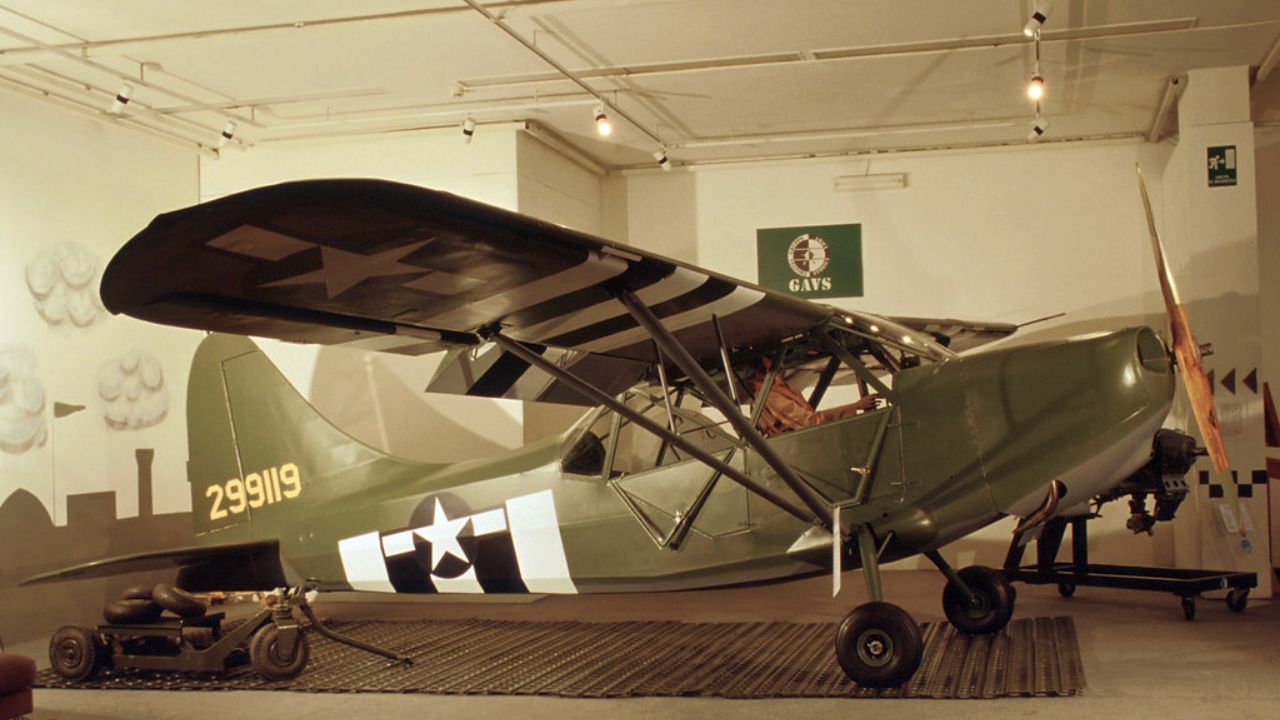
Stinson’s L-5 Sentinel was small, slow, and unarmed, but it was a lifeline for medics and commanders. Its 190 hp engine got it into and out of tight jungle strips, rough hillsides, and rice paddies. Top speed was around 130 mph, but it didn’t need to be fast.
The Sentinel flew liaison, reconnaissance, and medevac missions. With a modified rear fuselage, it could carry a stretcher and a medic. In an environment with few roads and fewer airstrips, the L-5 went wherever people needed help—or orders.
PB4Y Privateer flew far and hit hard

The Consolidated PB4Y-2 Privateer, a naval offshoot of the B-24, flew long-range patrols and electronic surveillance missions over Korea. It had four 1,200 hp engines and could stay in the air for 14+ hours, with a top speed around 300 mph. Armed with up to 12 .50 caliber guns, it wasn’t an easy target.
The Privateer’s extended range made it valuable in covering coastal areas and supply routes. Though not as glamorous as fighters, it played a steady role in reconnaissance, weather tracking, and hunting enemy shipping along the peninsula.
R4D-8 Super DC-3 brought updates
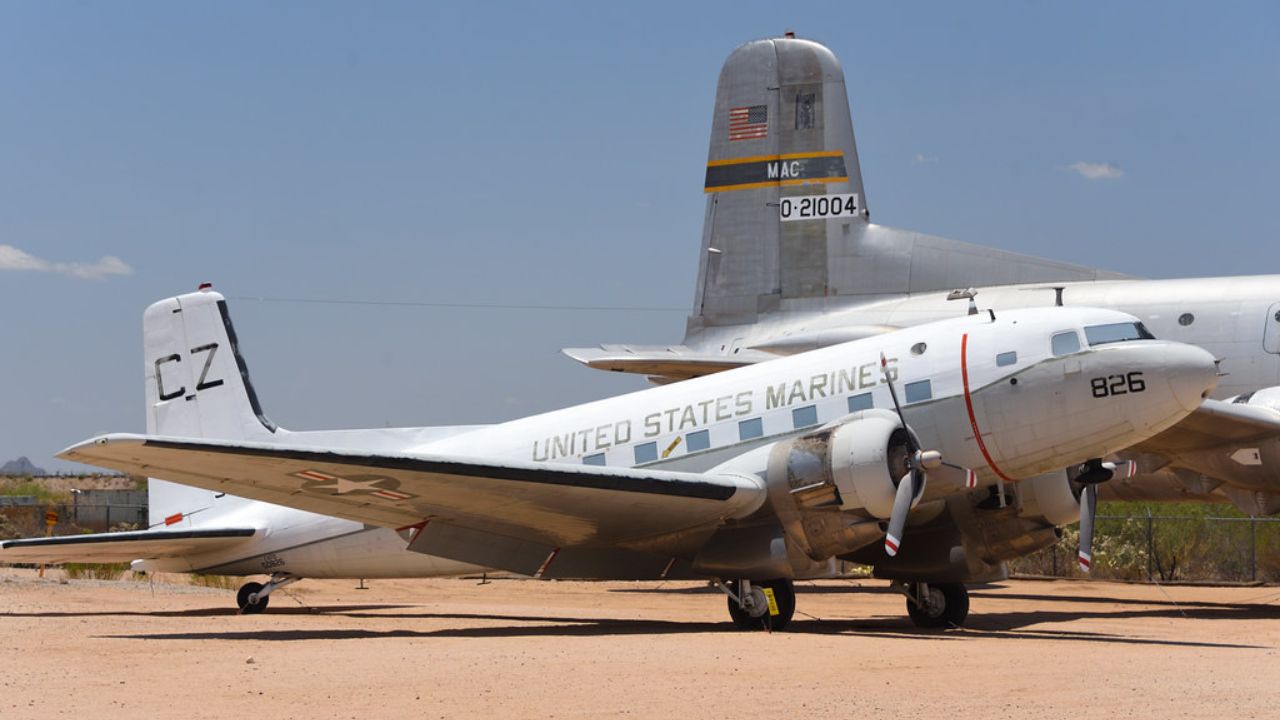
The R4D-8 was a military upgrade of the classic C-47/DC-3, with a lengthened fuselage, squared tail, and more powerful 1,475 hp engines. It could carry more weight, fly slightly faster, and climb better than the original. Used by the Navy and Marines, it supported logistics operations from Japan to Korea.
It was reliable in bad weather, and easy to maintain in the field. These planes helped sustain forward units and made countless flights under the radar. When supply chains were stretched, the R4D-8 filled in the gaps and kept things moving.
Like Fast Lane Only’s content? Be sure to follow us.
Here’s more from us:
*Created with AI assistance and editor review.