Mopar didn’t just flirt with induction tricks—they went all-in with cross-ram intakes that turned heads and twisted torque curves. These weren’t slapped-on gimmicks. Cross-rams were engineered to move power into the low and midrange, especially for street and stock-car performance. Some were long-ram, some short-ram, but all had the same goal: fill the cylinders and flatten your spine. Here are 10 Mopars that came factory-equipped with cross-ram setups worth remembering.
1960 Chrysler 300F
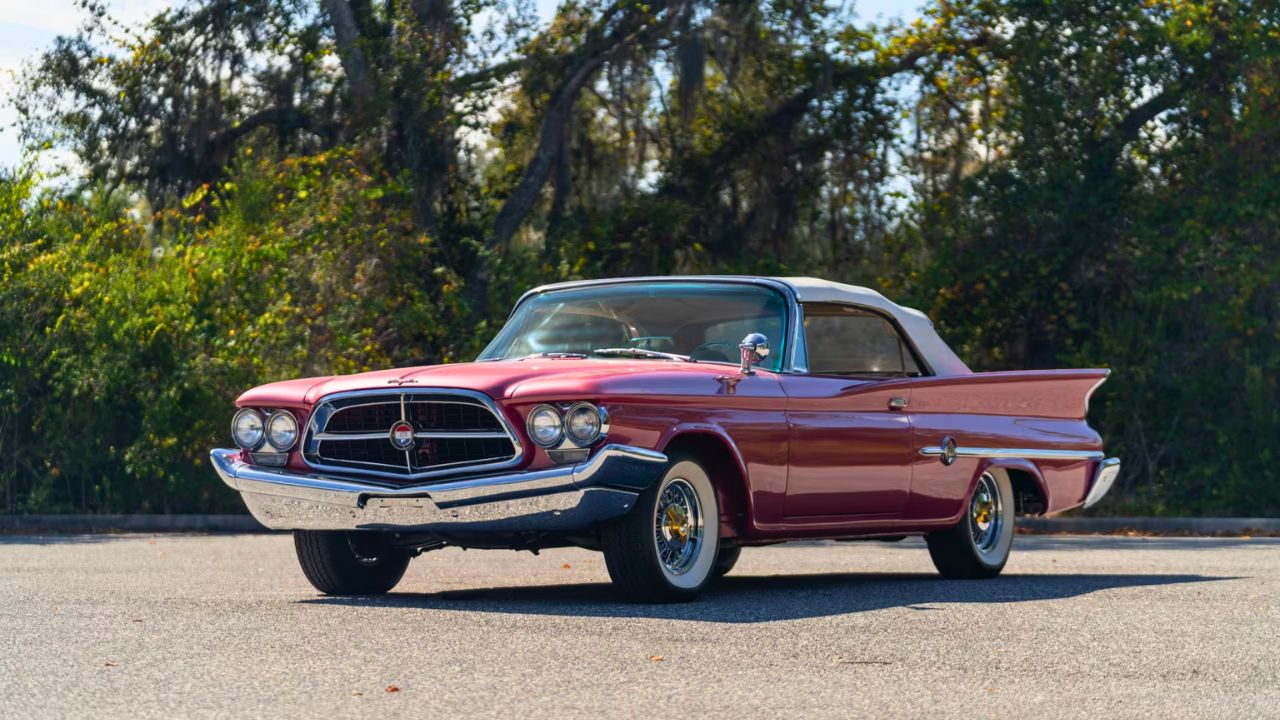
The 300F debuted Chrysler’s long-ram 413 with tuned runners that crossed over the engine bay. Each bank fed the opposite side, with 30-inch intakes designed to boost torque below 3,500 rpm. Official output was 375 hp, but the real magic was 495 lb-ft of torque at just 2,800 rpm.
These cars weren’t lightweights, weighing over 4,300 pounds, but they moved with surprising urgency. The interior came with leather buckets and a full-length console, making the 300F one of the first performance-luxury coupes that could actually back up its looks.
1961 Dodge Dart Phoenix
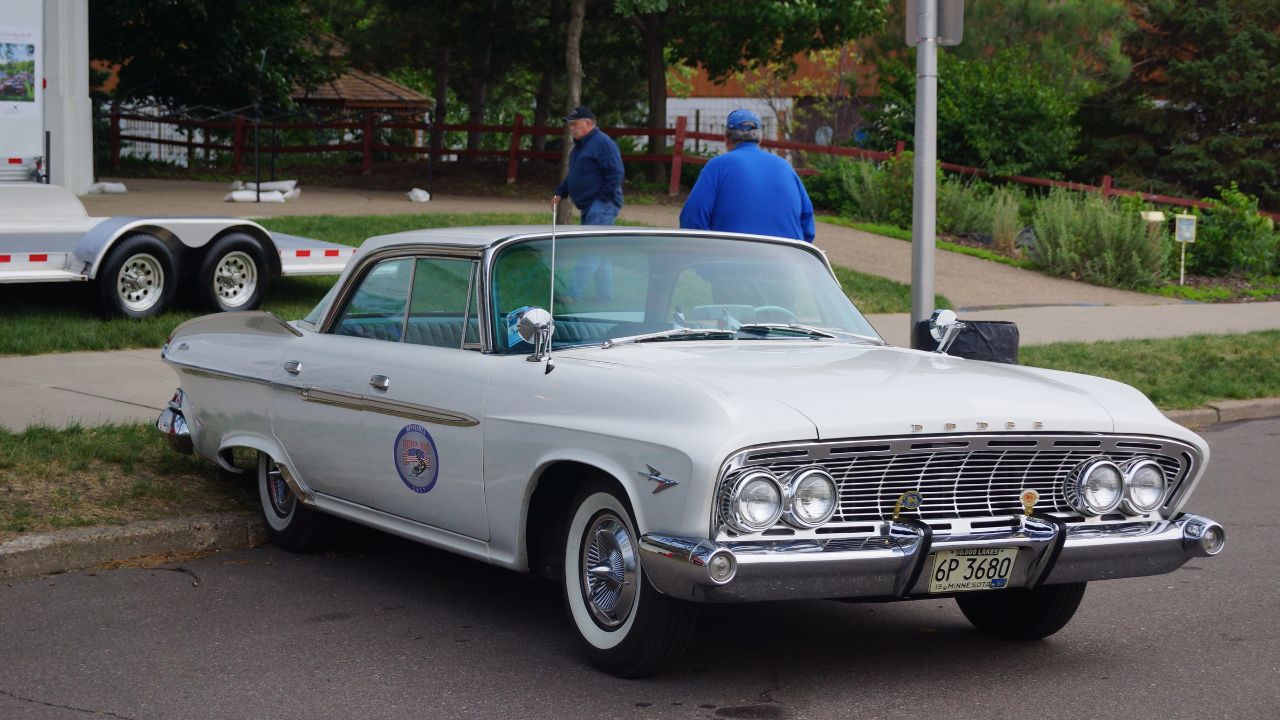
The Dart Phoenix could be optioned with the same 413 cross-ram as the Chrysler 300F. Dodge offered both the standard 375-hp version and a 400-hp “high-performance” variant with solid lifters, a hotter cam, and better exhaust flow. Both used the dramatic long-ram intake system with dual carbs mounted way outboard.
With the 400-hp setup, the Dart ran mid-14s in the quarter—impressive for a big B-body in 1961. Inside, it was standard early-’60s fare, with wide bench seats and push-button TorqueFlite controls, but the powertrain was far ahead of its time.
1962 Plymouth Savoy Max Wedge
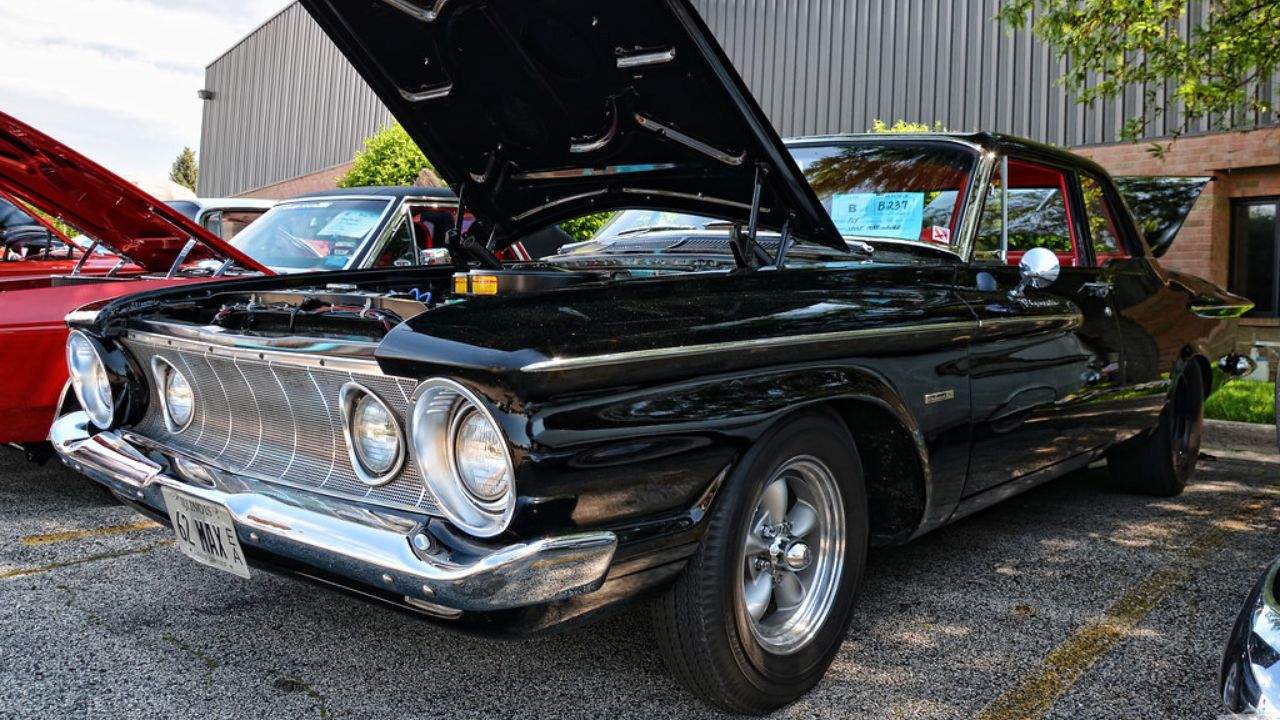
In 1962, Plymouth introduced the Max Wedge 413 Super Stock engine, complete with short cross-ram intakes aimed at high-rpm racing. Unlike the long-rams, these featured shorter runners and were tuned for horsepower, not torque. The factory claimed 410 or 420 hp depending on compression.
These engines came with dual Carter AFBs, cast-iron headers, and deep oil pans. Most were sold with manual steering and minimal options to keep weight down. These Savoys were meant for one thing—quarter-mile dominance. And they delivered, often running under 13 seconds bone-stock.
1962 Dodge Polara 500 Max Wedge
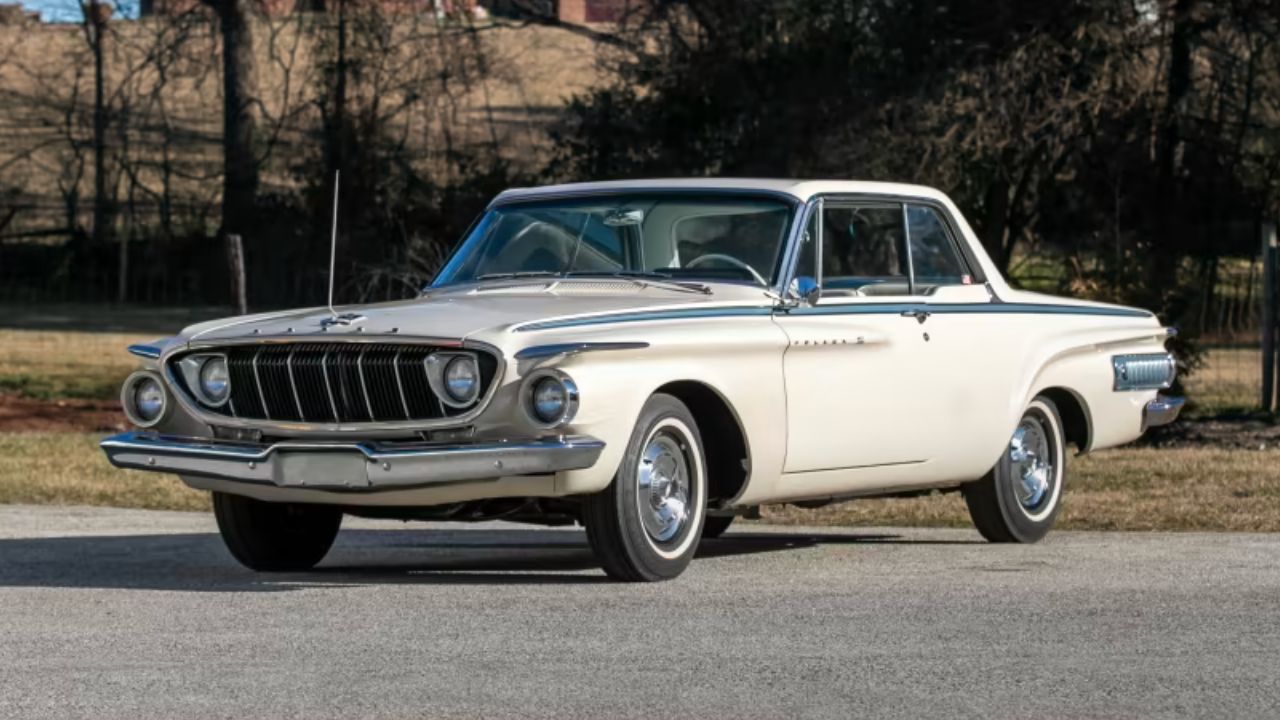
The 1962 Dodge Polara 500 with the 413 Max Wedge was another cross-ram monster. Like its Plymouth cousin, it used the short-runner setup designed to peak around 5,400 rpm. Rated at up to 420 hp, it also packed heavy-duty internals, including forged pistons and sodium-filled valves.
Most cars were paired with the push-button 727 TorqueFlite or a heavy-duty 3-speed manual. With 4.56 gears and slicks, the Polara could outrun just about anything off a showroom floor in ’62. These were not casual cruisers—they were factory drag cars with license plates.
1963 Dodge 330 Ramcharger
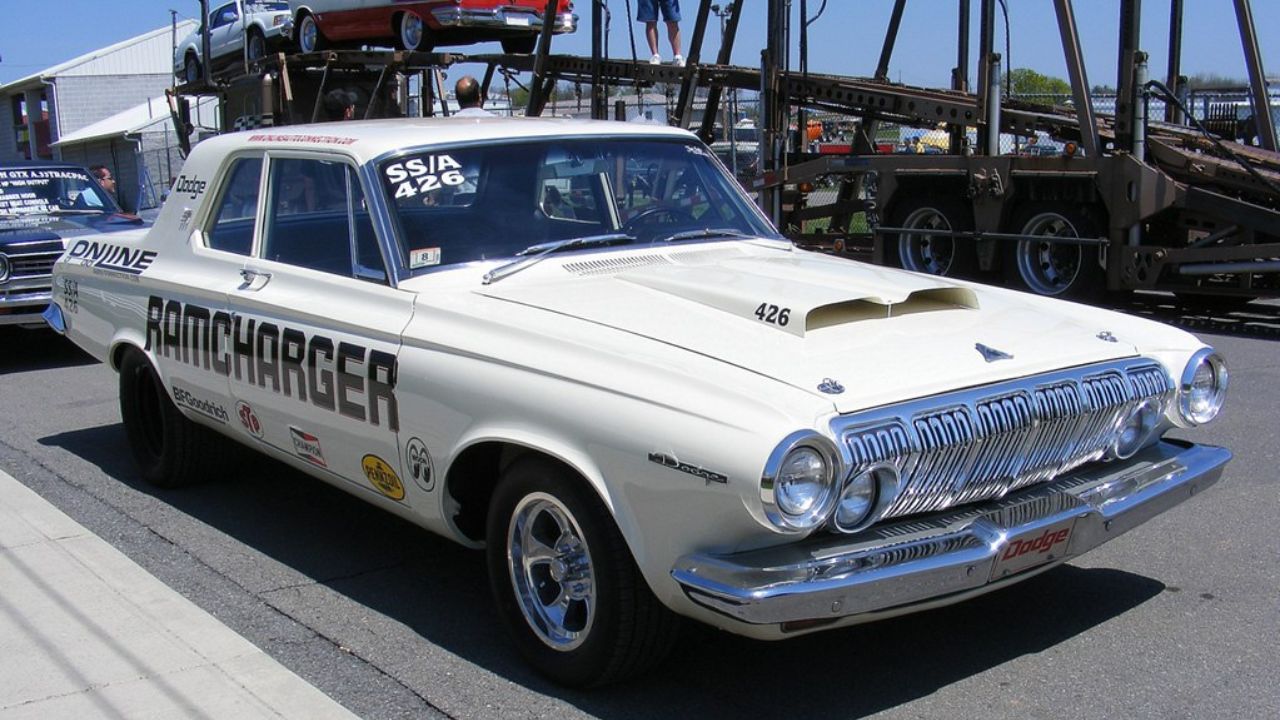
The Dodge 330 Ramcharger 426 Max Wedge took the cross-ram concept to its peak in factory racing. The dual-carb intake had runners so short they nearly sat flat on the heads. With 425 hp in high-compression trim, the 426 Ramcharger was brutally effective.
These cars were stripped-down sedans with lightweight glass, aluminum bumpers, and no radio. Quarter-mile times in the low 12s were typical. This was one of the last years before NHRA rule changes pushed Mopar racers toward altered wheelbase cars and later the HEMI.
1963 Plymouth Belvedere Super Stock

The Belvedere Super Stock shared the 426 Max Wedge with its Dodge counterparts, right down to the dual AFBs and short cross-ram intake. Buyers could choose between 11.0:1 or 13.5:1 compression. Factory headers dumped into cutouts or glasspacks, depending on configuration.
These cars were built for one purpose: drag racing. Interiors were minimal, and many came with lightweight seats and heater-delete setups. With a tuned chassis and factory traction bars, the Belvedere was one of the most consistent race cars you could drive off a dealer lot.
1964 Dodge 440 426 Max Wedge
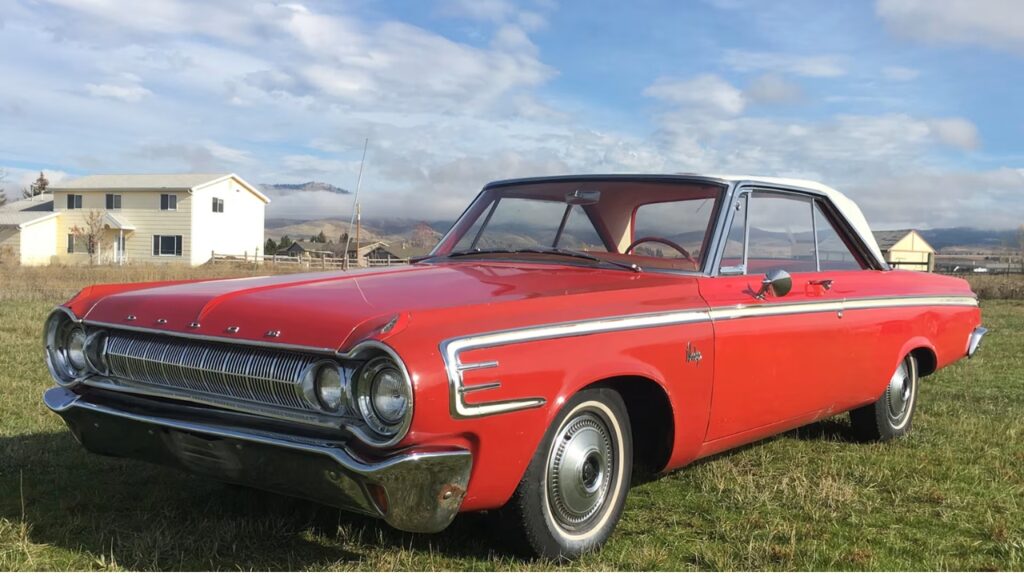
By 1964, the 426 Max Wedge was near the end of its run, but Dodge offered it in the 440-series cars for buyers chasing NHRA class wins. It was still a cross-ram setup with staggered-length runners designed to fill at mid to high RPM.
These engines were torque monsters up to 6,000 rpm. Dodge also improved cooling and ignition for better endurance. Quarter-mile performance remained elite, but the upcoming HEMI was already waiting in the wings. Even so, these late Max Wedge cars remain some of the best-built Mopar factory racers.
1960 DeSoto Adventurer
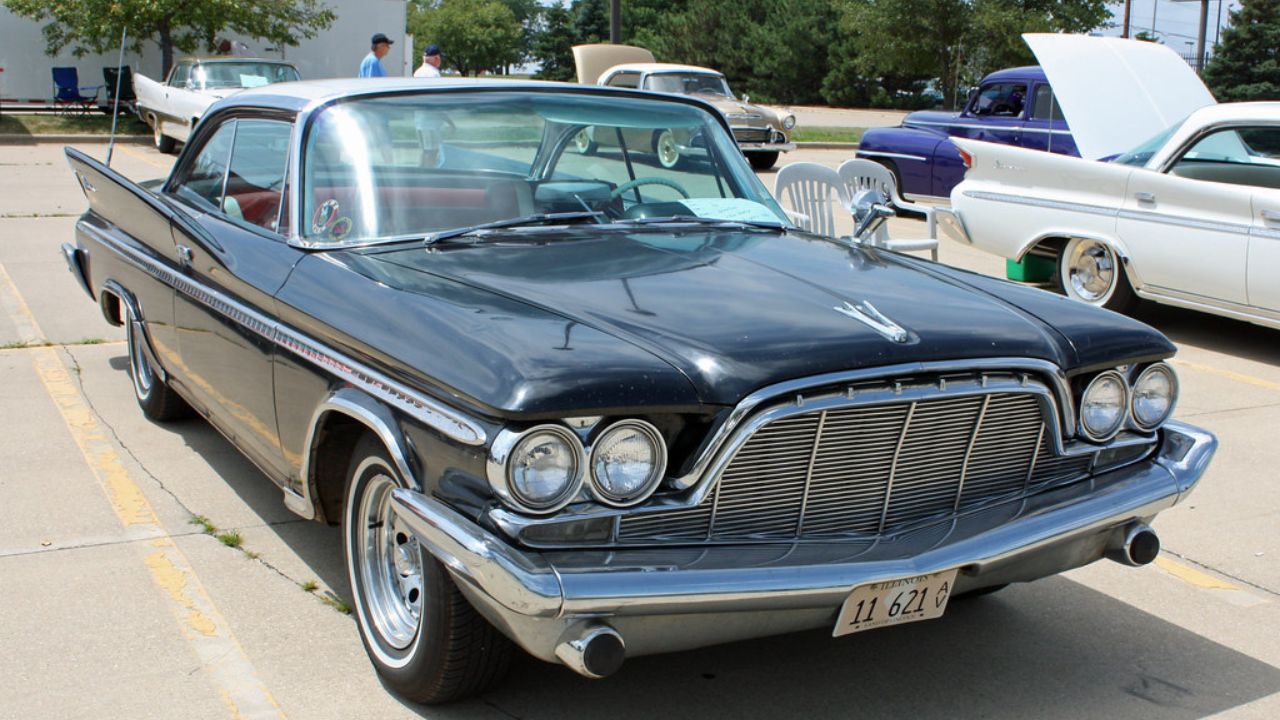
DeSoto’s final years weren’t quiet. The 1960 Adventurer came with the same long-ram 383 or optional 413, depending on the market. When equipped with the cross-ram 413, it delivered 350+ hp and made the heavy coupe surprisingly quick off the line.
It shared the same intake layout as the Chrysler 300F but was tuned slightly more for drivability. Interiors had the usual DeSoto flair—sweeping gauges, push-button controls, and serious chrome trim. The Adventurer faded after this year, but the cross-ram version marked its high point.
1961 Chrysler New Yorker
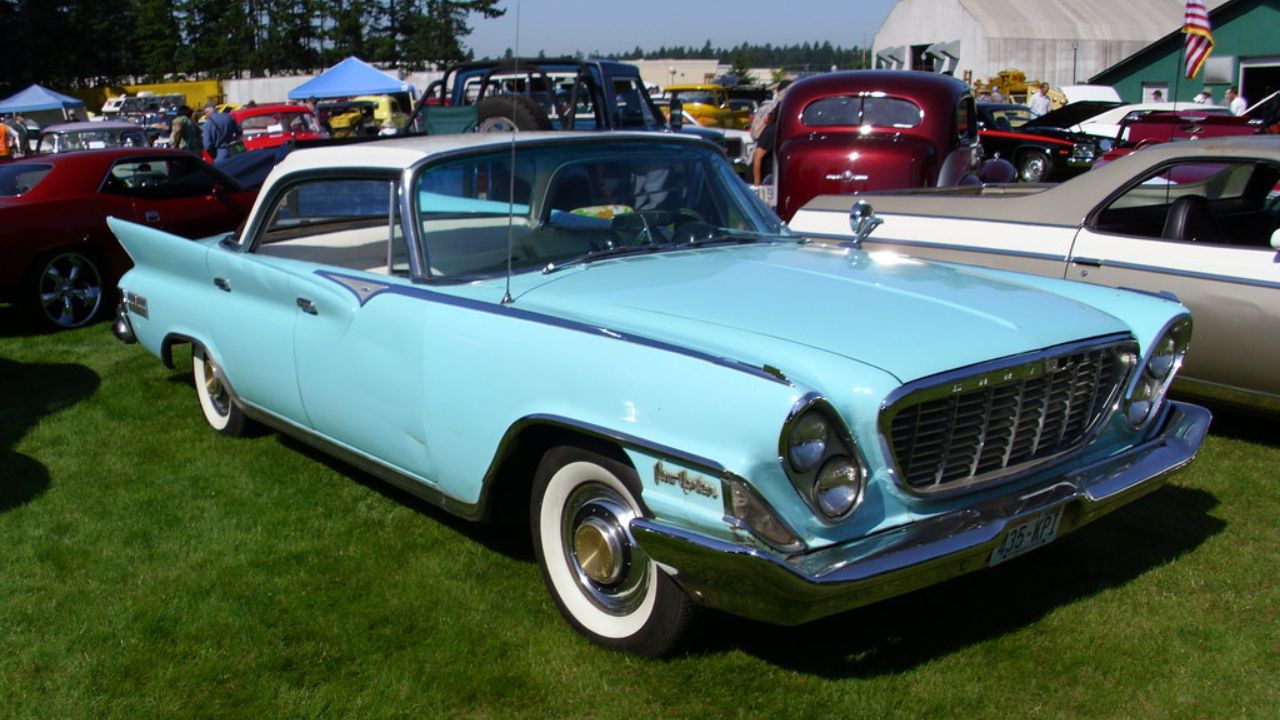
The 1961 New Yorker carried the same cross-ram 413 that powered the Chrysler 300G, making it a performance sleeper in four-door or wagon form. With 375 hp and a torque curve that peaked under 3,000 rpm, it moved with authority despite weighing over two tons.
Available with air suspension and loaded interiors, these cars were high-spec all around. Yet under the hood sat an intake setup better suited to Daytona. The cross-ram made even the stateliest New Yorker feel more like a muscle car in dress shoes.
1962 Chrysler 300H
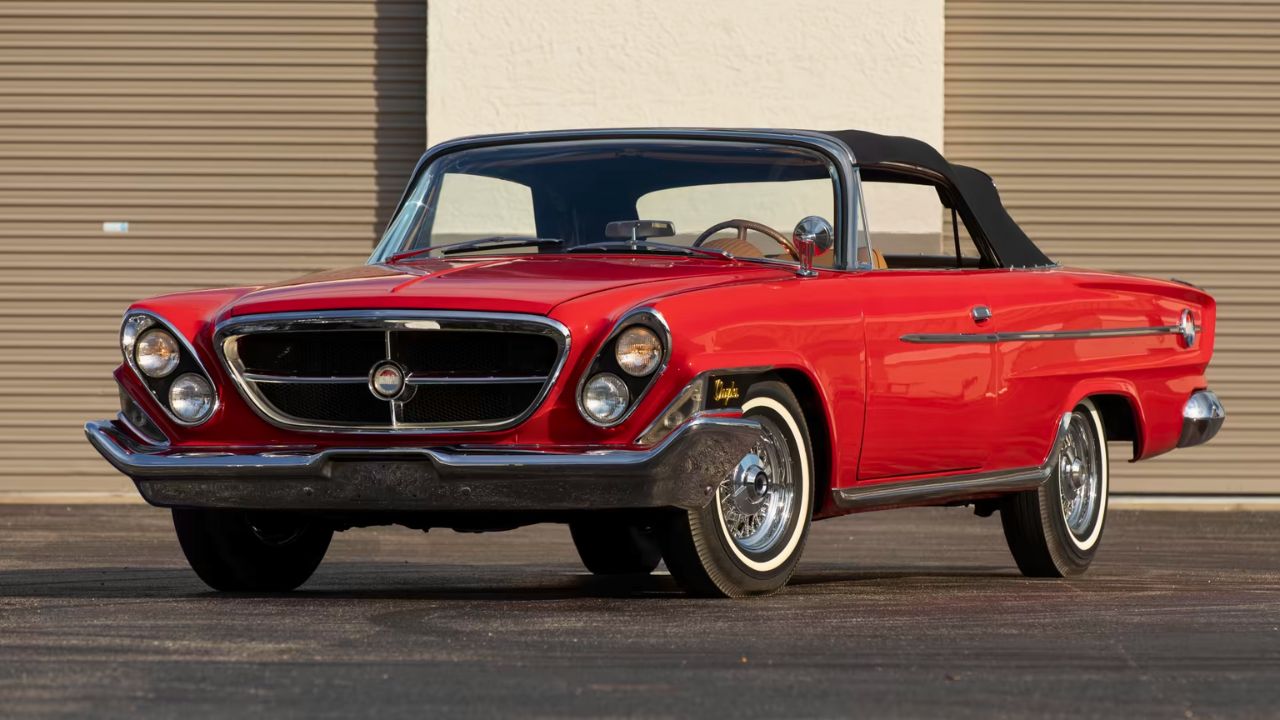
The 300H was the last of the early letter-series cars to offer the long cross-ram intake before Chrysler shifted to more conventional setups. Power came from the 413, rated at 380 hp with dual quads. As before, the intake runners crossed over and extended across the engine bay.
The 300H also offered a “short ram” 405 hp variant with solid lifters and performance cam, but only 15 were built. Either way, this car was the last to carry the original long-ram concept as Chrysler moved away from exotic intakes in favor of simpler tuning and cost control.
Like Fast Lane Only’s content? Be sure to follow us.
Here’s more from us:
*Created with AI assistance and editor review.