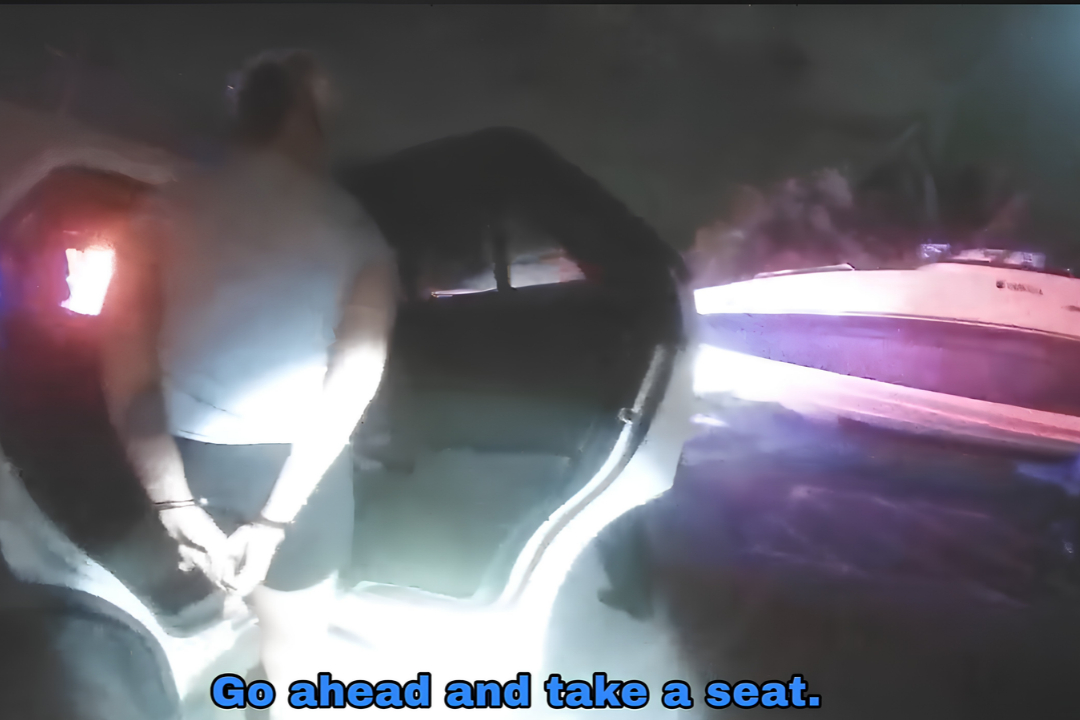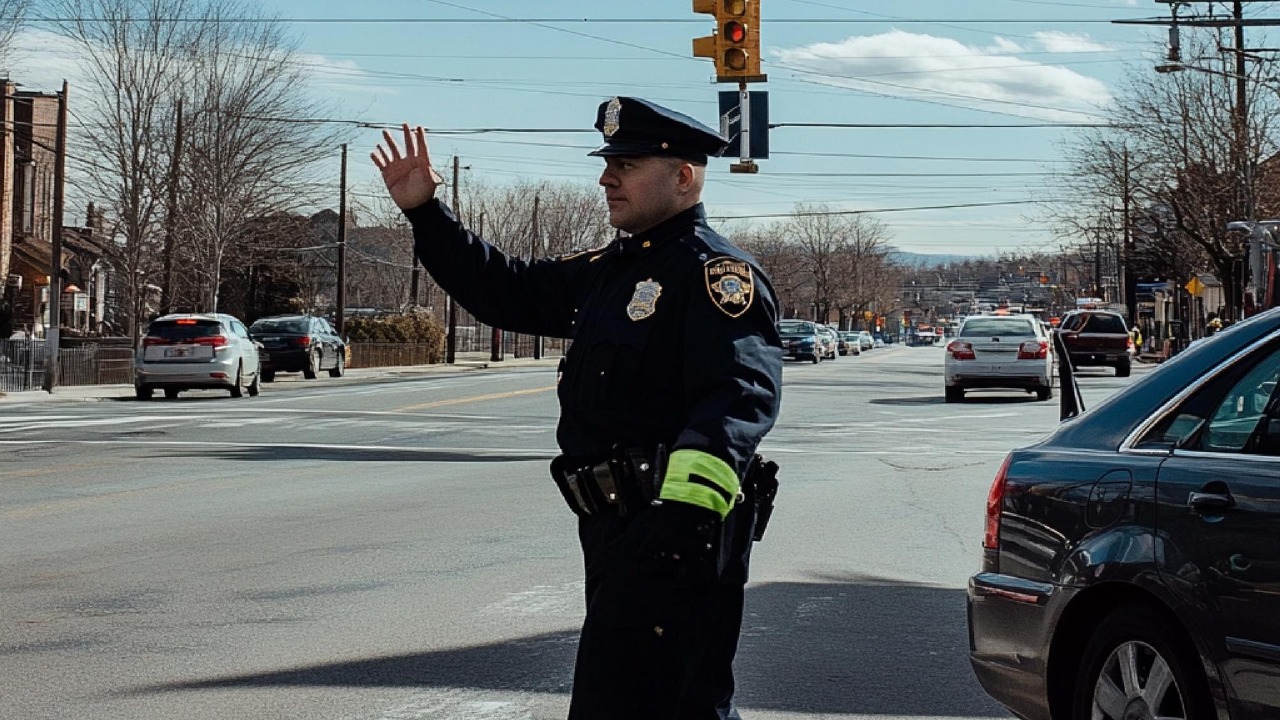
Every time you see blue lights in the mirror, the officer stepping out of the cruiser is already scanning you and your car for clues. You are not just a license plate number, you are a moving set of signals that suggest whether you are safe, impaired, nervous, or hiding something. Understanding those roadside clues gives you a clearer sense of what is happening during a stop and how your behavior shapes what happens next.
From the moment you first tap the brakes to the last word you exchange, officers are trained to read your driving pattern, your body language, your voice, and even the way you stand on the shoulder. You cannot control every interpretation, but you can learn what they are looking for and respond in a calmer, more informed way.
The first clues start before you fully pull over
For you, the stop begins when you notice the lights. For the officer, it often starts earlier, with the way your vehicle moves in traffic. Training for DWI detection breaks this into a phase called Vehicle in Motion, where patterns like weaving, drifting across lane lines, or trouble maintaining a steady speed are early red flags.
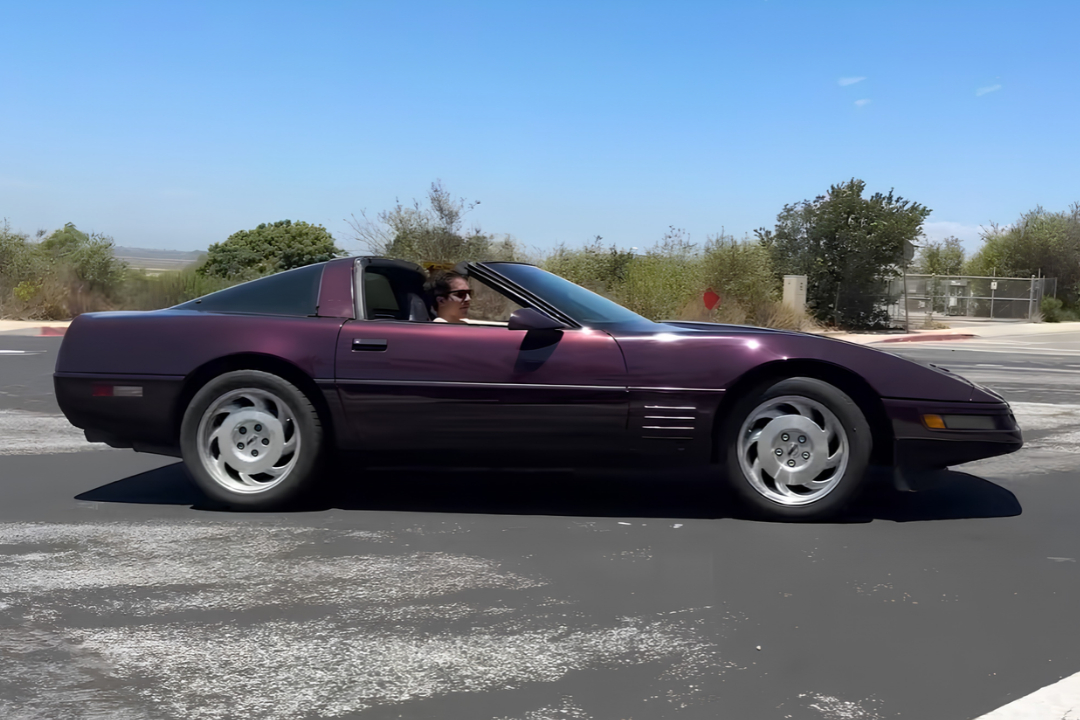
In many DUI courses, you hear the phrase Vehicle in Motion repeated because the way you drive is often the very first clue that something is off. Sudden braking for no reason, wide turns in a compact car like a Honda Civic, or nearly hitting a curb in a Ford F-150 all suggest distraction or impairment long before the officer sees your face.
Once the lights go on, your response creates another set of signals. Continuing at a slow pace for a long distance, or pulling to the left instead of the right shoulder, reads as hesitation or possible non-compliance. Training materials for Traffic Stop procedures emphasize that clean, predictable movements from you lower the perceived risk for everyone.
How your movements and body language get interpreted
Once you are stopped, your hands and eyes matter as much as your words. Officers are taught to watch for red flags for, such as constantly scanning the area, twisting around in your seat, or dipping a shoulder as if you are reaching under it. Those cues can suggest you are looking for an escape route or hiding something before you go to jail.
Legal guides describe how officers interpret Quick Movements by a Driver or Passengers after the stop as possible attempts to stash drugs or a weapon under the seat. You might just be digging for your registration in a cluttered glove box, but from the outside, lots of movement inside a car is treated as a safety concern.
Even smaller details feed into that picture. Security training that tells guards to Notice unusual behavior and patterns is echoed in police work. An officer will pay attention if you refuse to make eye contact, stare aggressively, or suddenly go from chatty to silent when a topic like alcohol or drugs comes up.
What officers listen and smell for at the window
When the officer reaches your window, you are in what DWI trainers call the Personal Contact phase. Here, your voice, your smell, and your coordination become evidence in the officer’s mind. Guides for DUI investigations explain that Erratic Driving Behavior: main indicators of DUI is already on record, so the officer now looks for matching signs such as slurred speech, bloodshot eyes, or an odor of alcohol.
At the window, officers are also tuned to other smells: burnt cannabis, fresh marijuana, or chemical odors from possible drugs. Articles describing signs of illegal list strong odors, visible drug paraphernalia, and open containers as triggers that might justify a more intrusive search of your vehicle.
Conversation becomes another test. DUI defense lawyers warn that officers often ask casual questions about where you are coming from or whether you had anything to drink not just to be polite, but to listen for hesitation, inconsistent stories, or obvious admissions. Guides for people facing a DUI traffic stop stress that during the encounter, the officer is specifically trained to pick up on those verbal clues.
Why distracted driving and drunk driving can look similar
You might think you are safe if you are not drinking, but officers say the patterns they see from smartphone distraction often mimic impairment. Reports on how Police officers spot distracted drivers describe the same drifting between lanes, delayed reactions at green lights, and sudden braking that show up in DWI training materials.
That overlap matters for you because an officer does not need proof of alcohol to initiate a stop. Reasonable suspicion can come from any unsafe pattern, whether you are scrolling Instagram in a Tesla Model 3 or reaching for a spilled coffee in a Toyota Corolla. Once you are pulled over, the officer’s checklist for impairment, drugs, or other crimes looks the same either way.
Field sobriety tests and the science behind roadside clues
If the officer suspects impairment, you are likely to be invited out of the car for standardized tests. Training manuals describe three main Standardized Field Sobriety Tests, including the Walk and Turn, the One Leg Stand, and an eye movement exam. In many states, the first step in the Pre Arrest Screening phase is putting you through these Standardized Field Sobriety Tests, sometimes jokingly called Field Human Tricks.
For balance testing, the One Leg Stand requires you to lift one foot, keep your arms at your sides, and count. The One Leg Stand Test is designed to reveal swaying, hopping, or putting your foot down as signs that your balance is off. DUI defense guides note that prosecutors later frame these observations as specific “clues” that match national standards.
Research from the National Highway Traffic Safety Administration on the visual detection of motorists states that particular driving cues, such as weaving within a lane, correctly indicate that a driver is DWI at least 35 percent of the time. That figure gives officers confidence that when they see a cluster of those clues, they are not just guessing.
Once you are outside the car, coordination problems become even more visible. DUI attorneys explain that Difficulty with Balance, such as stumbling, swaying, or using your arms for balance, can point to impaired motor skills. Even if you feel you did well, legal analysis shows that many people charged with DUI later learn that officers documented several subtle missteps they never noticed in the moment.
What officers look for beyond alcohol and drugs
Not every roadside clue is about impairment. Officers are also trained to look for signs of other crimes that might turn a simple stop into a larger investigation. Guides on what officers look for during a Traffic stop describe how Rodrick Rouse, Attorney at Law Aug, explains that nervous sweating, shaking hands, or a passenger who refuses to look up can all feed an officer’s belief that you are concealing something.
Articles on Police signs of list Unusual behavior, Smells, and Illegal substances in plain view as factors that might justify a search. A roll of cash on the console, a half-open backpack with baggies, or a strong chemical odor from the trunk can all shift the stop from a speeding ticket to a search for drugs or stolen property.
At the same time, civil rights lawyers warn you to Watch for Excessive and Coercive Behavior. Force can be physical, but sometimes it is verbal pressure, like repeated threats or demands that go beyond what the situation justifies. Knowing that line helps you recognize when an officer’s interpretation of your “clues” is sliding into misconduct.
More from Fast Lane Only